 The Aporia
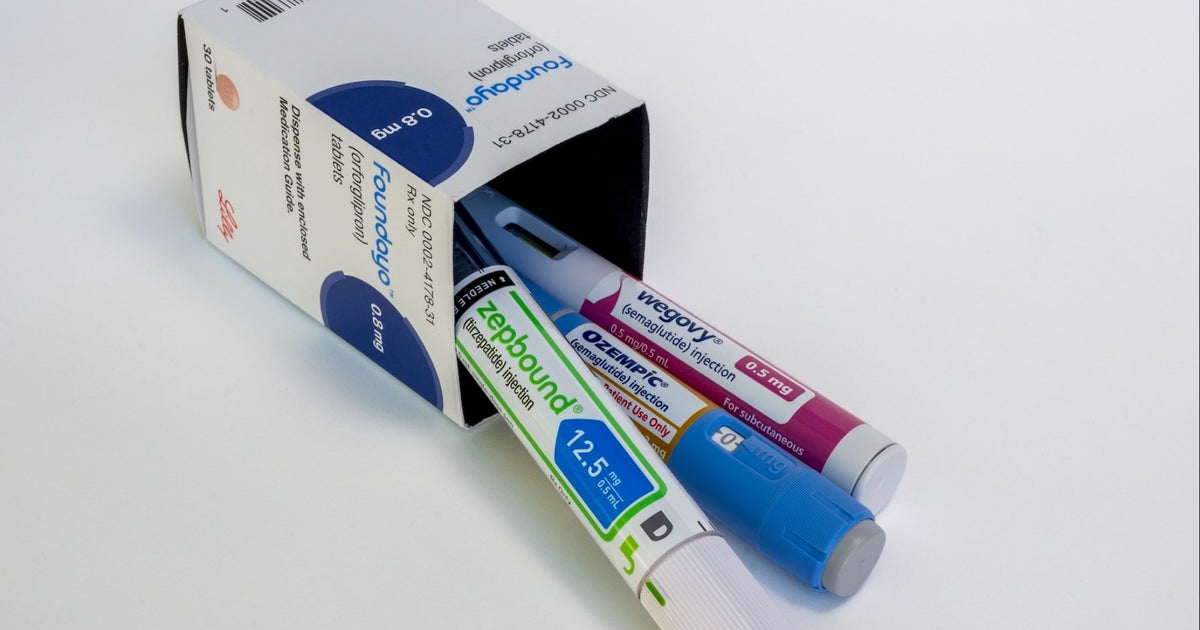
GLP-1s must now include warning for potential increased risk of vision loss, FDA announces. (2026, November 10). CBS News. https://www.cbsnews.com/video/glp-1-include-warning-potential-increased-risk-vision-loss-fda-announces/
“GLP-1s must now include warning for potential increased risk of vision loss, FDA announces.” CBS News, 10 Nov. 2026, https://www.cbsnews.com/video/glp-1-include-warning-potential-increased-risk-vision-loss-fda-announces/.
“GLP-1s must now include warning for potential increased risk of vision loss, FDA announces.” CBS News, November 10, 2026. https://www.cbsnews.com/video/glp-1-include-warning-potential-increased-risk-vision-loss-fda-announces/.
Dated from the outlet's own feed. Check the original for its byline.
As of November 9, 2026, the U.S. Food and Drug Administration (FDA) has mandated that makers of GLP-1 weight-loss drugs such as Ozempic and Zepbound must include warnings about a rare eye condition called non-arteritic anterior ischemic optic neuropathy (NAION), which can lead to permanent vision loss. Roughly 28 million Americans are currently taking these medications, according to a July Gallup poll. The FDA's decision follows research indicating that GLP-1 drugs may increase the risk of NAION; for instance, a 2024 study in JAMA Ophthalmology found that diabetes patients prescribed semaglutide were four times as likely to develop NAION compared to those not taking the drug. Spokespeople from drug manufacturers Novo Nordisk and Eli Lilly emphasized their commitment to patient safety.
