
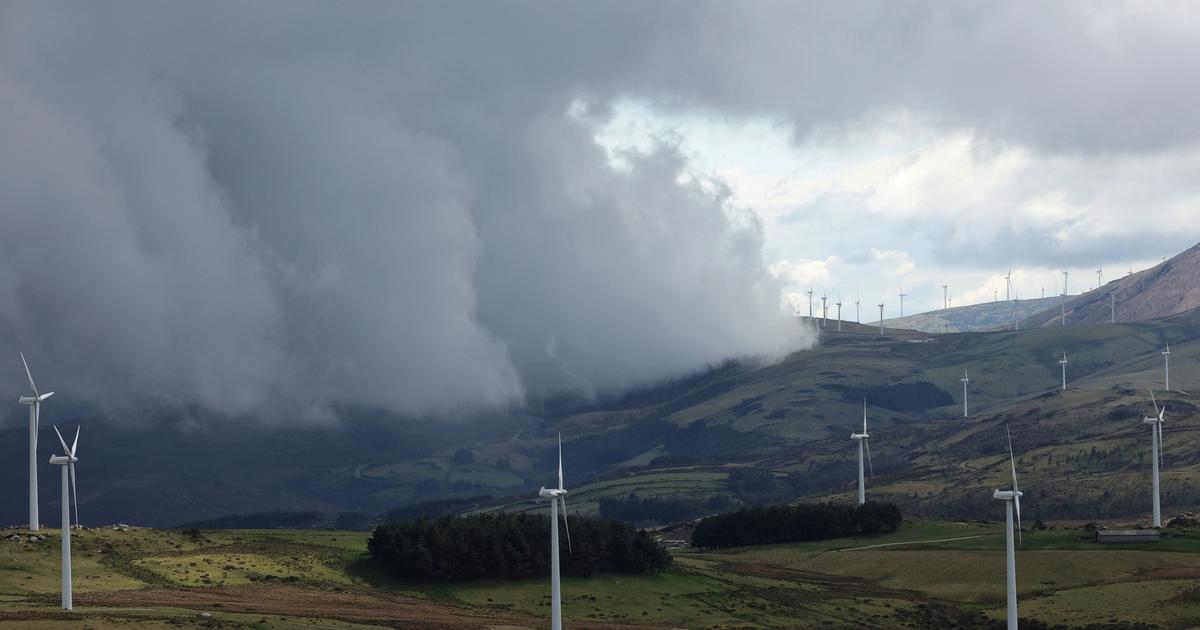
Photo via Semafor

US Senate backs permitting bill aimed at accelerating energy construction

Read the original at Semafor ↗
Cite

Farand, C. (2026, November 10). US Senate backs permitting bill aimed at accelerating energy construction. Semafor. https://www.semafor.com/article/11/10/2026/us-senate-backs-permitting-bill-aimed-at-accelerating-energy-construction

Dated from the outlet's own feed. Check the original for its byline.

Semafor · collected 2026-11-10 · by Chloé Farand

Quick Summary

The US Senate has moved forward with a permitting bill designed to accelerate construction of energy infrastructure projects such as power plants, data centers, and distribution grids. While Democrats view this as crucial for speeding up America's transition to cleaner energy, there is internal division among environmental groups over the overhaul of major environmental laws required by the bill. The legislation aims to reduce electricity bills and emissions according to analysis from the Rhodium Group, though its full impact may take time to materialize under future presidential administrations.
Written by AI on 2026-11-10, from this article's own text only (the story summary below draws on all the coverage).

AI analysis

Story summary

On November 9, 2026, the U.S. Senate voted 73-25 to advance debate on the Bipartisan American Affordability and Jobs Act (BAAJA), a bill designed to speed up permit reviews for infrastructure projects like power plants and data centers. This move follows Democrats' victory in the midterms, where voter concerns about electricity bills significantly influenced their support. The legislation aims to reduce energy costs and enhance infrastructure development but has faced criticism from environmental groups and some Democratic senators who argue it weakens protections for public lands and cultural sites. Despite opposition, key Democrats like Martin Heinrich and Sheldon Whitehouse support the bill, believing it will create jobs and promote clean energy projects while reducing regulatory burdens on industry.

Written for “Senate Advances Permitting Reform Bill” on 2026-11-10, grounded in this article and the 13 other(s) covering the same event.
Why this leaning score
The article's own words the score was based on. Each is quoted verbatim and was checked against the article text before being stored, so you can find it in the original.
Reading Leans left (beta estimate) Confidence medium
Leaning: leans left for article 141728 (medium confidence, 3 verified quotes) · logged 2026-11-10

Story

Senate Advances Permitting Reform Bill
Politics · 14 article(s) covering the same event. Compare every outlet's account →

Compared with similar articles

This article reads leans left and hedges 0% of its claims. Each row says how that neighbour differs.
The Guardian
Leans right further right than this Hedges 4 of 23 claims Outlet record 65/100
How this article was measured signals, leaning charts, publisher record, byline, topics and claims

Signals How these are calculated →

Claims extracted
6
sentences that state something as happening or true
Uncertain
0%
0 of 6 hedged ("reportedly", "may", "according to")
Leaning
Leans left
of the writing, not the subject · beta estimate
Publisher signals
68/100
Semafor's corrections and hedging, across everything collected from it. Not a measure of accuracy.
Outlets on this story
14
Politics
Same framing elsewhere
1
articles that frame the event the way this one does
Analyzed 2026-11-10 · how these are computed

How this is being covered How these are calculated →

Article leaning vs. publisher reliability
Source leaning vs. consistency

Publisher

Semafor · 1638 article(s) · 4 correction(s) detected
Running correction rate · 4 correction(s)

Who wrote this

Chloé Farand
2 article(s) here · 1 carrying a prediction
But Democrats and environmental groups remain divided over the long-awaited bill, which would overhaul major environmental laws to streamline the permitting process for building power projects, AI data centers, and distribution grids.
Global fossil fuel emissions are projected to fall by 0.4% in 2026, driven by the rapid expansion of solar and wind power and the energy supply shock caused by the Iran war, according to research by the Global Carbon Project.
Also by Chloé Farand
Nothing else under this byline is closely related to this article, so these are simply their most recent.

Topics

Democrats Heatmap The US Senate the Rhodium Group

Subjects

Democrats NORP · 2× Donald Trump PERSON · 2× Heatmap ORG · 1× The US Senate ORG · 1× the Rhodium Group ORG · 1×

Narrative

But Democrats and environmental groups remain divided over the long-awaited bill, which would overhaul major environmental laws to streamline the permitting process for building power projects, AI data centers, and distribution grids.
framing: assertive · carried by 1 article(s) · first seen 2026-11-10
But Democrats and environmental groups remain divided over the long-awaited bill, which would overhaul major environmental laws to streamline the permitting process for building power projects, AI data centers, and distribution grids.

Claims (6 extracted, 0 hedged)

The US Senate advanced major permitting reforms aimed at speeding up the construction of energy infrastructure, seen by green-power advocates as much-needed progress to accelerate the country’s energy transition. asserted
Senate → advance → transition
Democrats’ decisive victory in last week’s midterms — where several candidates ran on an “all-of-the-above” approach to electricity generation — have added impetus to permitting reform. asserted
candidates → run → reform
But Democrats and environmental groups remain divided over the long-awaited bill, which would overhaul major environmental laws to streamline the permitting process for building power projects, AI data centers, and distribution grids. asserted
which → remain → projects
Both fossil fuel and clean energy companies have backed the bill, which would help connect more renewables to the grid, although President Donald Trump said he would not approve permits for new wind projects. asserted
he → back → projects
Modelling by the Rhodium Group found the reform would reduce electricity bills and economy-wide emissions. asserted
reform → find → bills
But the effects are difficult to quantify and won’t be immediate, some analysts warn: “The bill’s greatest affordability benefits will start accruing to the president who follows Donald Trump,” Heatmap wrote. asserted
Heatmap → quantify → Trump
Give feedback · no sign-in needed

No sign-in needed for now. Your note is sent without a name, so it cannot be answered.

History Support