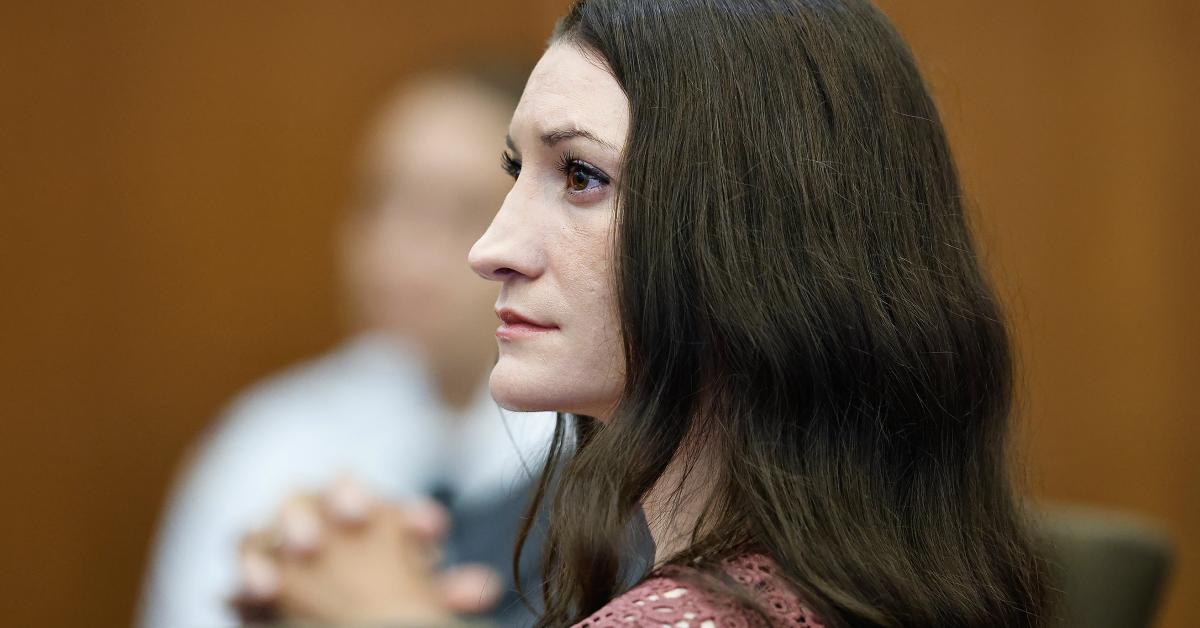
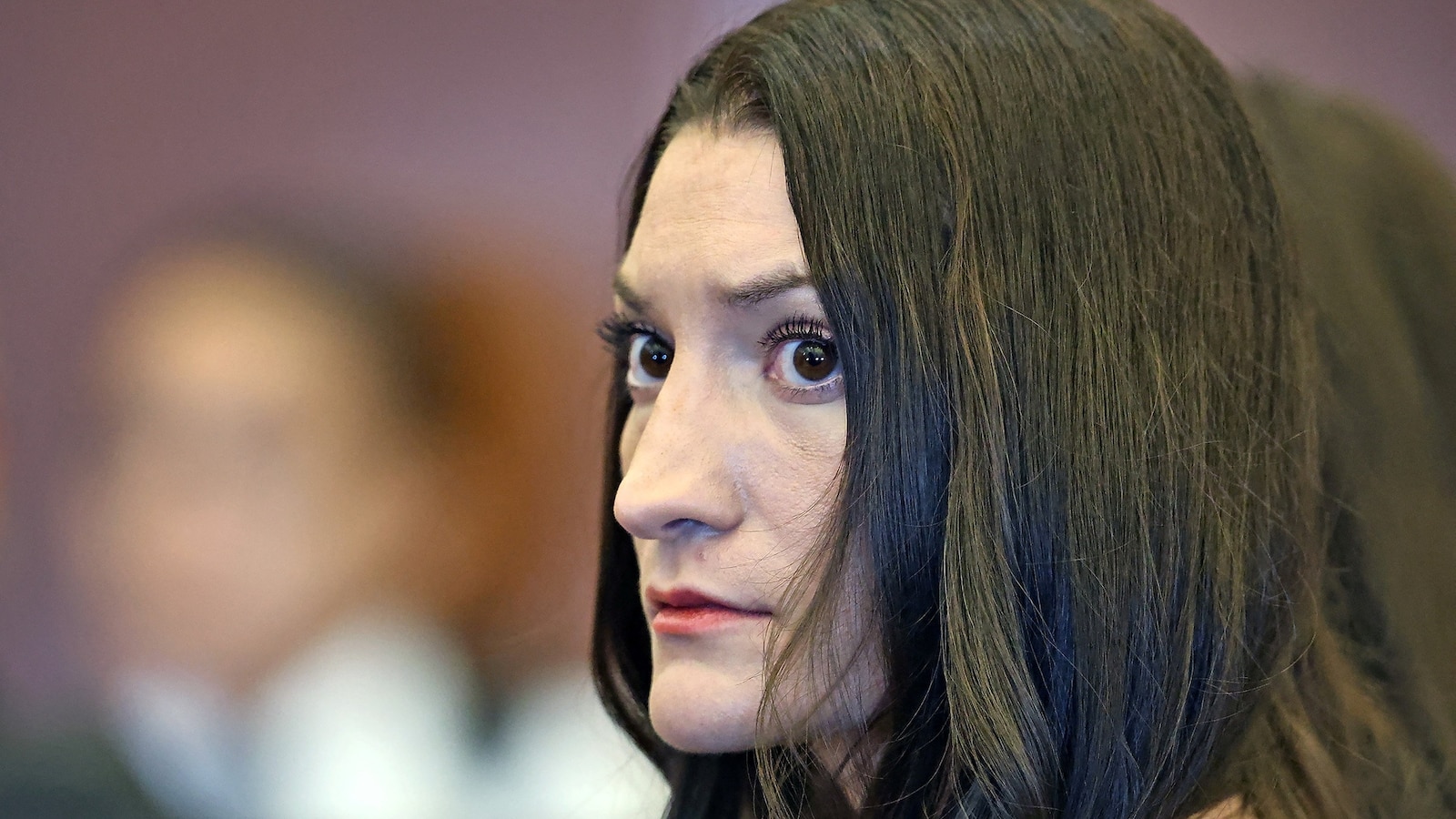
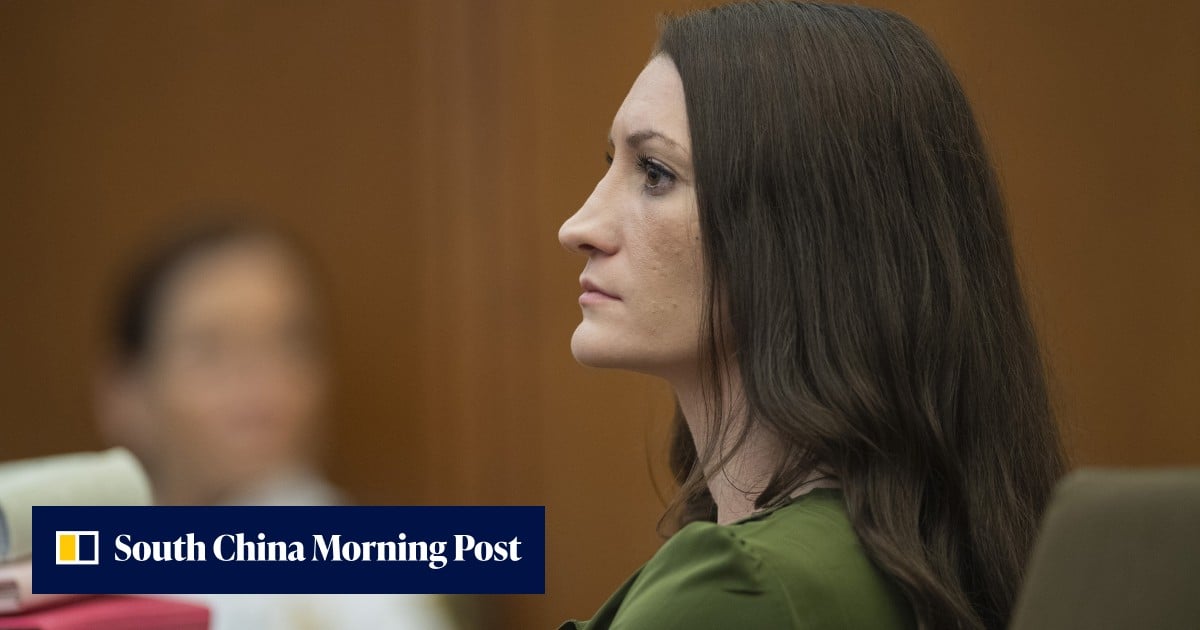
The Massachusetts judge overseeing the murder case against Lindsay Clancy has denied her motion to dismiss the case on double jeopardy claims, clearing the way for a retrial in the strangling deaths of her three young children that some experts believe could have a better chance at a guilty verdict.
uncertain
experts → oversee → verdict
"Because the Court concludes that there was a manifest necessity for a mistrial based on the jury’s deadlock, a retrial on the murder indictments does not violate Clancy’s right not to be placed in double jeopardy," Judge William Sullivan wrote in a 17-page order and memorandum made public Monday.
asserted
Sullivan → conclude → order
Clancy's 26-day trial ended with a deadlocked jury on Sept. 4, with jurors later saying publicly that 11 of them accepted her insanity defense and one wanted to find her guilty of first-degree murder for what the holdout called the "methodical" slayings of Cora, 5, Dawson, 3, and Callan, 8 months.
asserted
holdout → end → Cora
Had the motion been granted, Clancy would not face a potential second trial, said Randolph Rice, a trial attorney and former prosecutor who is not connected to the case.
asserted
who → grant → case
Now, he says, the order gives prosecutors a chance to address what went wrong with their case in the first trial.
asserted
what → say → trial
"I think there's real possibility that DA [Tim] Cruz says, 'We're going back to trial ... and we have learned from our mistakes,'" Rice said.
asserted
Rice → think → mistakes
Among the lessons learned, Rice said, may be that Plymouth County prosecutors did not show jurors enough empathy when presenting their case after 11 of the 12 jurors voted against them.
uncertain
11 → learn → them
What a second trial may look like remains unclear as prosecutors have so far declined to publicly commit to bringing the same or different charges.
uncertain
prosecutors → look → charges
Deliberations began on Aug. 27.
asserted
Deliberations → begin → Aug.
On Sept. 1, they sent the first of several notes explaining their deadlocked situation.
asserted
they → send → situation
"After many hours of deliberation, we are unable to come to a unanimous verdict," that first note said, according to Sullivan, who instructed them to keep trying.
uncertain
who → come → them
They sent a similar note on Sept. 2, and Sullivan, without objection from lawyers on either side, read them what's known as a Tuey-Rodriguez charge — an instruction given to hung jurors encouraging them to reexamine their views with an open mind while reminding jurors they should not abandon honestly held beliefs to reach their verdict.
asserted
they → send → verdict
On Sept. 3, Sullivan received another note reading, "A member of the jury is unable to follow the instructions regarding reasonable doubt.
asserted
member → receive → doubt
How should we proceed?"
asserted
we → proceed → ?
In his order, Sullivan wrote that he was skeptical of the allegation that the holdout was "genuinely" unable to follow instructions regarding reasonable doubt and decided to hold a "limited inquiry" into each juror's ability to follow the law.
asserted
holdout → write → law
Prosecutors had opposed voir dire, and the defense asked for the holdout to be replaced with an alternate.
asserted
holdout → oppose → alternate
The defense then asked for the judge to ask the foreperson to expand on what she meant in her latest note, and prosecutors objected, arguing that a question like that would improperly intrude into the deliberation process.
asserted
question → ask → process
Sullivan agreed with the commonwealth and asked each juror, "Are you able to follow my instructions on the law that were given to you earlier in the trial?"
Each juror answered "affirmatively and credibly," Sullivan wrote.
asserted
Sullivan → agree → trial
Prosecutors and the defense agreed that the court should also reinstruct the jury, as a whole, about reasonable doubt, and Sullivan did so.
asserted
Sullivan → agree → doubt
Afterward, however, Clancy's defense attorney, Kevin Reddington, again asked for the holdout to be replaced with an alternate, and Sullivan denied his motion.
asserted
Sullivan → ask → motion
Later on Sept. 3, the foreperson sent another note, directly accusing the holdout of ignoring reasonable doubts about the case, according to Sullivan.
"
uncertain
foreperson → send → Sullivan
[Juror Doe] has made statements acknowledging doubt but refuses to apply it to the verdict as the law states," she wrote.
asserted
she → make → verdict
"This is why we cannot come to a unanimous decision."
asserted
we → come → decision
Jurors were sent home for the day.
asserted
Jurors → send → day
Before deliberations resumed on Sept. 4, Sullivan and counsel on both sides discussed the latest note.
asserted
Sullivan → resume → note
Sullivan gave jurors another instruction on reasonable doubt and following the law and told them that future notes should not identify anyone's vote based on their juror number.
asserted
notes → give → number
Two hours later, with no movement in the deliberation room, Sullivan said he planned to declare a mistrial, over Reddington's objection.
asserted
he → say → objection
He granted a one-hour stay as the defense appealed to the state's Supreme Judicial Court.
asserted
defense → grant → Court
A single justice summarily denied the defense’s emergency request, then Sullivan declared a mistrial.
asserted
Sullivan → deny → mistrial
Clancy's defense later filed a motion to dismiss on double jeopardy grounds, arguing that there was no "manifest necessity" for the court to declare a mistrial and that as a result, a new trial would violate Clancy's Fifth Amendment rights.
asserted
trial → file → rights
"Clancy contends that there was no manifest necessity for a mistrial because the Court failed to consider the alternative of inquiring into the meaning of the foreperson's notes and questioning Juror Doe to determine whether there was good cause to discharge Juror Doe," Sullivan wrote.
asserted
Sullivan → contend → Doe
That's the motion he denied Monday.
asserted
he → deny → ?
Juror Doe is Michael Desronvil, who came forward publicly in an interview with Fox News and said that he never had doubts about his view on Clancy's guilt.
asserted
he → come → guilt
 The Aporia