Claims extracted
20
sentences that state something as happening or true
Uncertain
10%
2 of 20 hedged
("reportedly", "may", "according to")
Leaning
not political
takes no side on a contested political question
Publisher signals
65/100
The Guardian's corrections and
hedging, across everything collected from it. Not a measure of accuracy.
Outlets on this story
10
Health
Same framing elsewhere
1
articles that frame the event the way this one does
The US Food and Drug Administration (FDA) has issued a new warning on GLP-1 medications – which can facilitate weight loss – over a rare eye condition that could lead to sudden and permanent blindness.
uncertain
that → issue → blindness
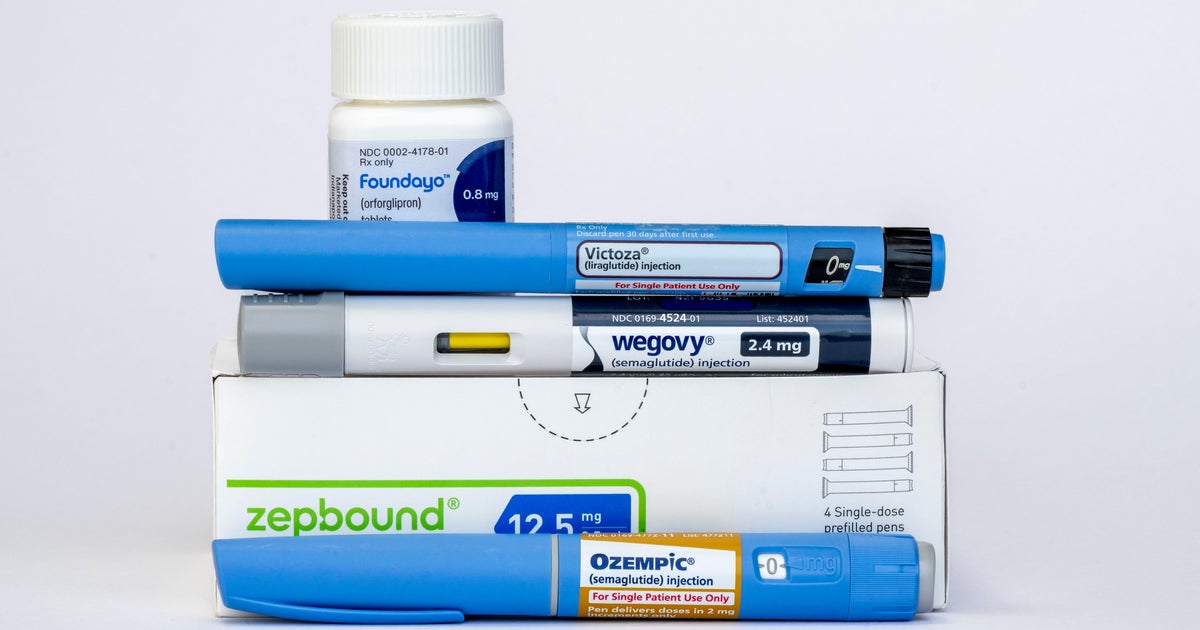
On Monday, the FDA announced that it is requiring all GLP-1 medications – including Novo Nordisk’s Ozempic and Wegovy, Eli Lilly’s Mounjaro and Zepbound, as well as Sanofi’s Soliqua – to include information about the potential risk of nonarteritic anterior ischemic optic neuropathy, also known as NAION, on warning labels.
asserted
it → announce → labels
NAION is a rare condition involving sudden reduction of blood flow to the optic nerve, in turn resulting in acute, painless, decreased vision in one eye, including permanent vision loss, the FDA warned.
asserted
FDA → involve → loss
Common risk factors of NAION include diabetes, smoking, hypertension, as well as hypercholesterolemia.
asserted
factors → include → diabetes
According to the FDA, the agency began looking at potential links between GLP-1s and NAION after a 2024 study published in the journal JAMA Ophthalmology.
uncertain
agency → accord → journal
The study found an increased risk of NAION among patients using GLP-1 medications.
asserted
study → find → medications
Despite identifying several limitations of the study, the FDA said it “determined that further assessment of the potential increased risk for NAION was warranted”.
asserted
assessment → identify → NAION
The agency proceeded to review 126 clinical trials involving over 134,200 patients and identified 15 probable NAION cases, including 10 among GLP-1 patients; five in patients receiving placebo; and none in patients who were on glucose-lowering medications that were not GLP-1.
asserted
that → proceed → medications
The FDA found a NAION incidence rate of 6.4 cases per 100,000 person-years among GLP-1 patients, compared to 3.8 cases among patients on placebo or alternative glucose-lowering medications.
asserted
FDA → find → placebo
“NAION cases have been reported for all currently marketed GLP-1 RA products,” the FDA said.
asserted
FDA → report → products
“FDA concluded that there is a potential increased risk of rare NAION events in patients taking GLP-1 RAs.
asserted
FDA → conclude → RAs
“Based on these findings, FDA is requiring that application holders add information about the risk for NAION to the Warnings and Precautions section of labeling of all GLP-1 RAs.”
asserted
holders → base → RAs
In response to the FDA announcement, a Novo Nordisk spokesperson told the Guardian that the pharmaceutical company “continues to believe the data do not establish a cause-and-effect relationship and we remain confident in the benefit-risk profile of our GLP-1 medicines.”
asserted
we → tell → medicines
The statement also said: “Patient safety is a top priority for Novo, and we continue to monitor the safety of our medicines, review new research and work with health authorities around the world.”
asserted
we → say → world
The Guardian has reached out to Eli Lilly and Sanofi for additional comment.
asserted
Guardian → reach → comment
Eli Lilly had previously said it is aware of publications on the risk of NAION among GLP-1 patients.
asserted
it → say → patients
GLP-1 medications are mainly used by people with type 2 diabetes managing their blood sugar – or glucose – levels.
asserted
medications → use → levels
Some of the medications are also used to help treat obesity.
asserted
Some → use → obesity
And some have been known to seek access to such drugs for cosmetic reasons rather than legitimate medical ones.
asserted
some → know → ones
The FDA’s announcement comes amid warnings from the Netherlands-based non-profit Access to Medicine Foundation that the pharmaceutical focus on GLP-1 weight-loss drugs risks putting global insulin supply at risk.
asserted
focus → come → risk
 The Aporia