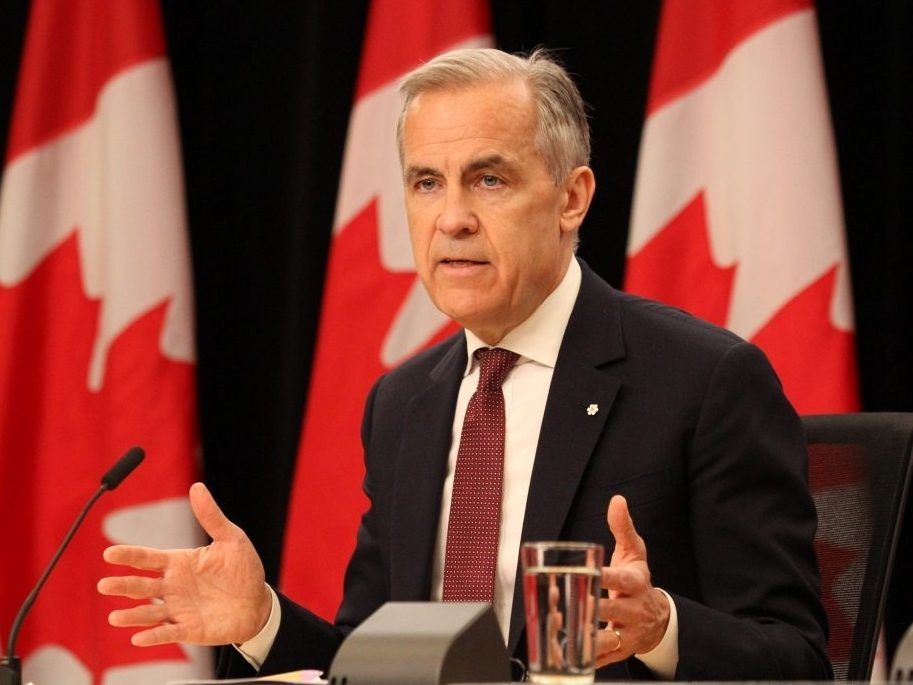
Canada’s auto sector is at risk, and the Carney government is helping to increase that risk rather than lower it.
asserted
government → help → it
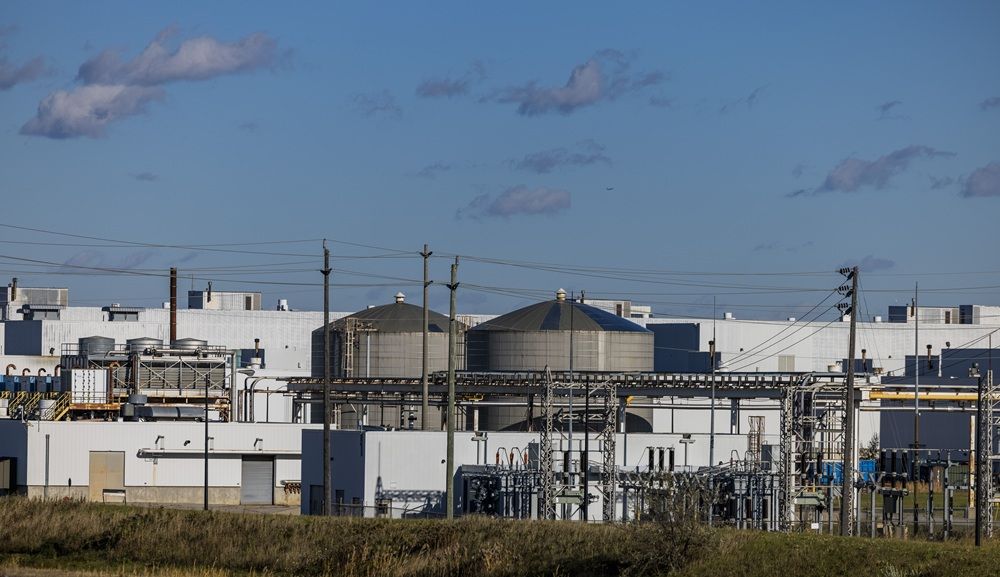
While the prime minister and his team have denounced the decision by Stellantis to sell its Brampton assembly plant, it turns out they were in on the talks all along.
asserted
they → denounce → talks
They have also been actively recruiting Chinese vehicle-makers to come set up shop in Canada.
asserted
They → recruit → Canada
Publicly opposed, privately involved
With the Stellantis sale, that may happen sooner rather than later.
uncertain
that → oppose → sale
According to reporting by CTV, Stellantis will lease back part of its plant from defence firm Roshel to build Chinese electric vehicles from knock-down kits.
uncertain
Stellantis → accord → kits
A knock-down kit is essentially a vehicle that would be assembled in Canada with parts shipped over from China.
asserted
that → knock → China
None of the parts would be sourced in Canada and only the final assembly would happen here.
asserted
assembly → source → Canada
That means fewer jobs in Canada, a major reason why Ontario Premier Doug Ford is so opposed to them.
asserted
Ford → mean → them
“We cannot undermine the future of Canada and Ontario’s automotive sector by allowing the introduction of Chinese-made knock-down kits at the Stellantis Brampton facility,” Ford wrote in a letter to Prime Minister Mark Carney earlier this week.
asserted
Ford → undermine → Carney
Except, as reported by CTV, Carney and his team were part of the negotiations that resulted in the sale of the Stellantis plant and the plans to build EVs from kits at the facility.
asserted
that → report → facility
In his letter, Ford said that allowing Chinese EV kits to be assembled here would put more than 75,000 jobs at risk and that it puts Canada’s position as a global manufacturing hub for autos in jeopardy.
asserted
it → say → jeopardy
Lessons from Europe and South America
Ford has reason to be concerned based on the impact of Chinese EVs on auto manufacturing in South America and Europe.
asserted
Ford → have → America
Stellantis had to cut a shift at its El Palomar plant in Argentina after Chinese EV competition dried up exports to Brazil.
asserted
competition → have → Brazil
Meanwhile, BYD, Chery, GWM and other Chinese manufacturers have set up assembly plants in Brazil, once an auto manufacturing powerhouse.
asserted
BYD → set → Brazil
The industry there claims 69,000 jobs are on the line.
uncertain
jobs → claim → line
In Germany, thousands of layoffs have already happened, with more coming, in part due to the rise of Chinese auto sales.
asserted
more → happen → sales
In 2021, Chinese-made autos accounted for less than 1% of European auto sales.
asserted
autos → make → sales
It now stands at just shy of 10%.
asserted
It → stand → %
In Brazil, China went from 2% of the market in 2021 to 20% today.
asserted
China → go → %
Those are massive increases in market share, but they come at a price, one that Canadian workers might be paying soon.
uncertain
workers → come → that
Ministers like Melanie Joly and Maninder Sidhu have toured EV makers’ plants in China while singing their praises.
asserted
Ministers → tour → praises
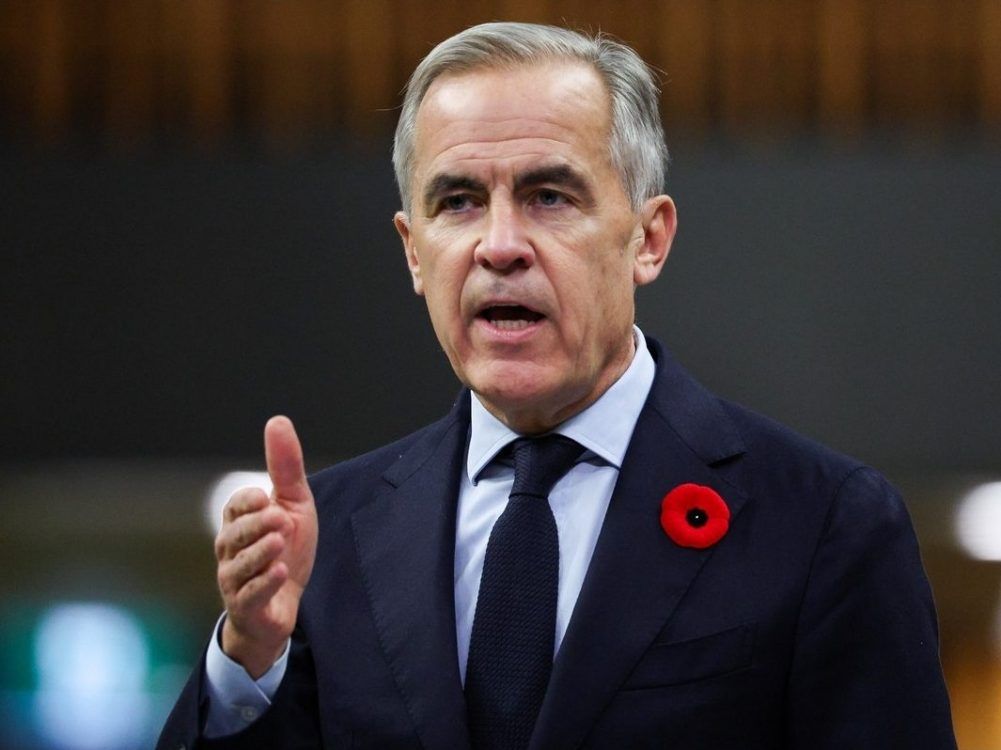
Carney himself was praising Chinese EVs during his trip to China earlier this year.
asserted
Carney → praise → China
“These are the most affordable and energy efficient and innovative vehicles in the world,” Carney said during a speech in Beijing in January.
asserted
Carney → say → January
Having driven a Chinese EV, I’d disagree.
asserted
I → drive → EV
Carney is off to China again next week, all part of his plan to get closer to Beijing and further away from Washington.
asserted
Carney → get → Washington
Politically, that might work for Carney and the Liberals, but for Canadian workers, this will be a bad deal.
uncertain
this → work → workers
Building cars from Chinese knock-down kits won’t sustain the jobs at Canadian auto parts plants.
asserted
Building → build → plants
It won’t even replace the lost assembly jobs we’ve already lost.
asserted
we → replace → jobs
China doesn’t trade like other nations, and history shows that when Beijing wins market share, somebody else’s workers pay the price.
asserted
workers → trade → price
 The Aporia