Volodymyr Zelensky has revealed new 'systematic' restrictions on Ukrainian soldiers' use of Elon Musk's crucial Starshield satellite internet.
asserted
Zelensky → reveal → internet
Ukraine first reported problems using Starshield last month following a row between Mr Zelensky and Donald Trump over a US-Russia diesel deal.
asserted
Ukraine → report → deal
The Ukrainian president said the latest issues were not 'random errors'.
asserted
issues → say → ?
Mr Trump and Mr Musk denied responsibility for the last outages, although the SpaceX owner later accused Ukraine of misusing his company's Starlink internet service for military purposes before all sides said full access had been restored.
asserted
access → deny → purposes
Mr Zelensky said: 'Our units have been recording significant disruptions to Starshield's operations over the territory of Ukraine for several days now.'
He added that 'systematic speed restrictions are being imposed,' but they were 'not random errors'.
asserted
they → say → days
The Ukrainian president said: 'This is helping the Russians kill more Ukrainians and carry out more accurate strikes.'
asserted
Russians → say → strikes
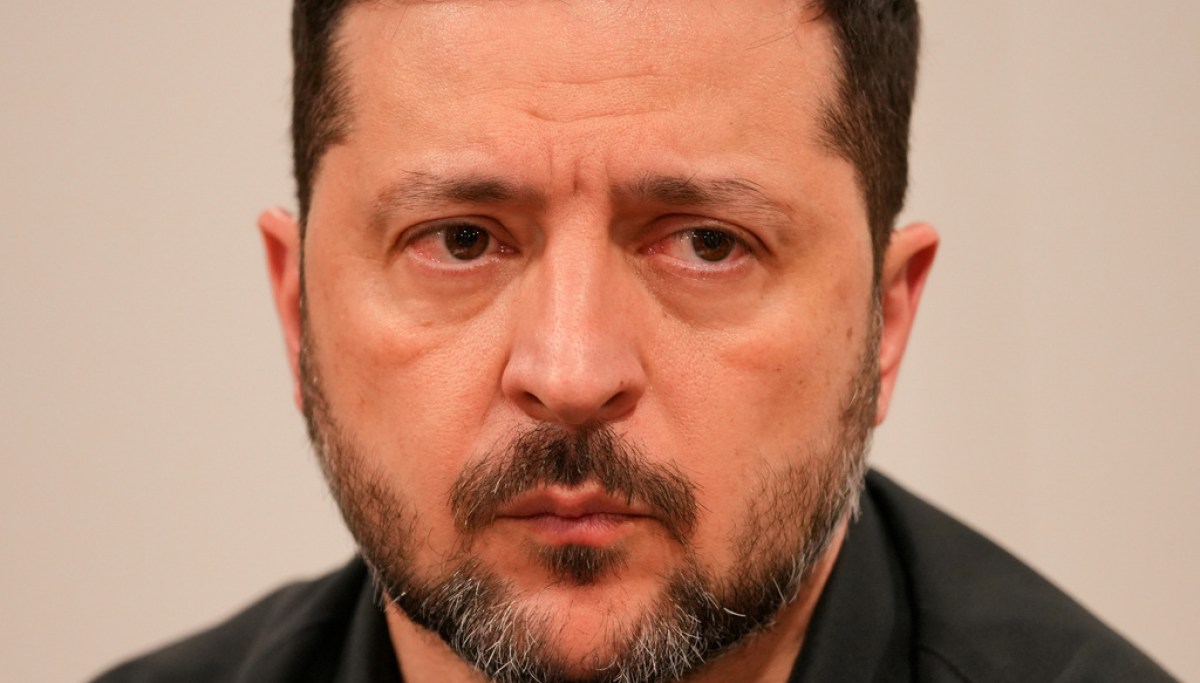
President Zelensky has revealed new 'systematic' restrictions on Ukrainian troops using Starshield satellite internet
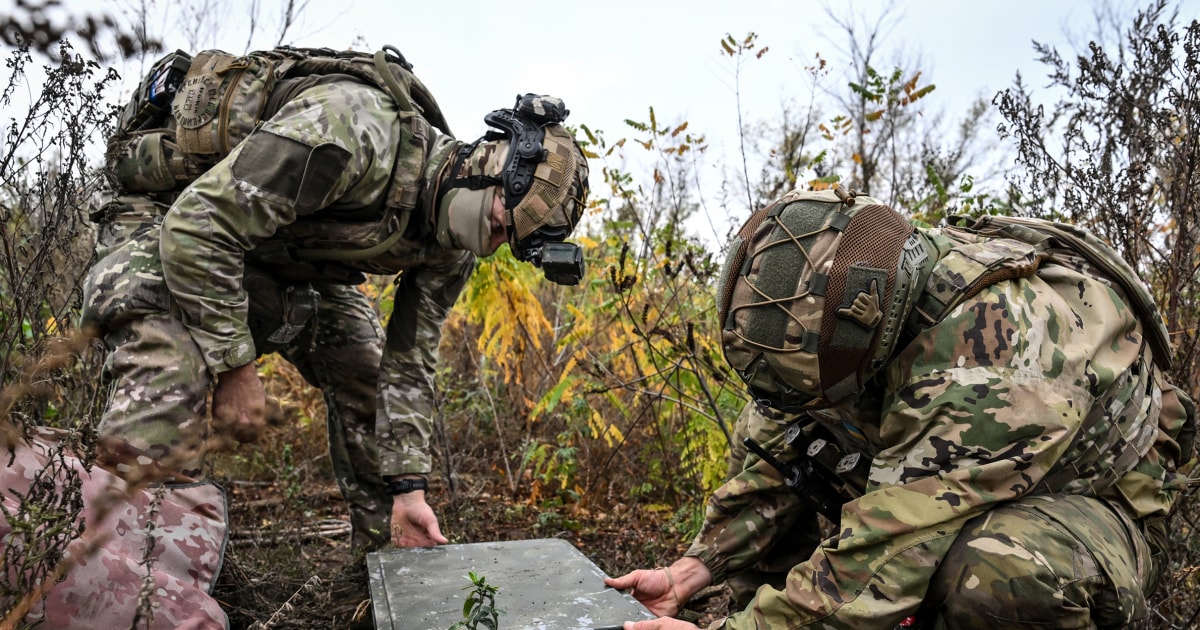
Ukrainian soldiers of the 68th Oleksa Dovbush Separate Jaeger Brigadeset up Starlink satellite internet system near the frontline town of Pokrovsk in Donetsk region
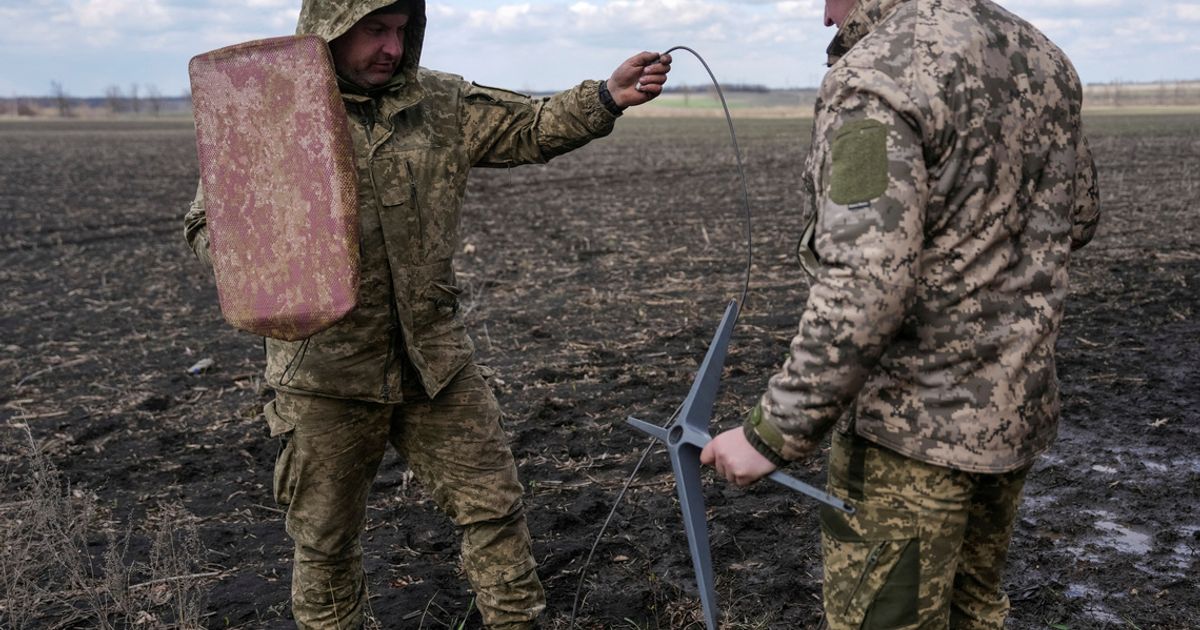
Both Donald Trump and Elon Musk have denied responsibility for the issues Ukraine are facing with Starshield (File image)
Starshield systems were not working above 100 miles per hour (161 kilometres per hour), Zelensky said.
The speed limits were proving a 'significant complication in intercepting Russian jet-powered drones', which move much faster than that.
'
asserted
which → reveal → that
We are trying to establish all the circumstances with the American side,' Mr Zelensky said.
asserted
Zelensky → try → side
The apparent restrictions come as US envoys Steve Witkoff and Jared Kushner meet Russian president Vladimir Putin in Moscow following two days of talks in Abu Dhabi searching for a deal to end the almost five-year war.
asserted
envoys → come → war
Mr Witkoff and Mr Kushner, who is also Mr Trump's son-in-law, attended the two days of negotiations in Abu Dhabi, the United Arab Emirates, which wrapped up Wednesday with an agreement on a large exchange of prisoners of war but no visible breakthrough on ending the nearly five-year hostilities.
And Russia has continued to sideline Europe in the negotiations, with the Kremlin remaining resentful of European countries' financial and military support for Ukraine.
asserted
Kremlin → attend → Ukraine
After meeting with Putin, Mr Kushner said that he and Mr Witkoff will fly to Dublin, Ireland, to meet Ukrainian president Volodymyr Zelensky.
asserted
he → meet → Zelensky
The Ukrainian leader gave a muted welcome to the outcome of the talks, saying the proposed prisoner exchange was a positive step.
asserted
exchange → give → talks
Kirill Dmitriev, Putin's envoy, greeted Kushner and Witkoff at a Moscow airport on Thursday
Kushner and Witkoff are set to meet with Vladimir Putin later today
Negotiations in Abu Dhabi wrapped up Wednesday, with an agreement on a large exchange of prisoners of war but no visible breakthrough
At the same time, he insisted that Ukraine will not give in to demands that it cede its territory that has been occupied by Russia in exchange for peace.
Hopes had been low for any significant breakthrough in the first meeting in nine months between the delegations.
asserted
Hopes → greet → delegations
Russia and Ukraine have from time to time swapped POWs but have remained far apart in their demands for accepting a peace settlement.
asserted
Russia → swap → settlement
Along with post-war security guarantees for both countries, other key hurdles are the fate of Russian-occupied Ukrainian territory and what role European countries will play in an eventual settlement.
asserted
countries → occupy → settlement
Moscow doesn't want European countries, which are concerned about Russia's conduct and broader intentions on the continent, involved in the direct negotiations.
asserted
which → want → negotiations
Mr Kushner said one of the goals of the Moscow meeting is to try to get Europeans added to the talks.
asserted
Europeans → say → talks
Mr Kushner noted that both Ukraine and Russia needed clarity on post-war security arrangements, and European countries, the EU and Nato have to be involved in those discussions to build consensus on next steps.
asserted
countries → note → steps
Kremlin spokesman Dmitry Peskov said Wednesday that European representatives could eventually join peace talks but added their current statements 'don't indicate any desire on their part to contribute to movement along the path toward peace'.
uncertain
statements → say → peace
Moscow complains that Europe is financing and supplying weaponry to Ukraine.
asserted
Europe → complain → Ukraine
Ukraine wants to ensure that Moscow doesn't attack again, and EU officials say any discussions on Europe's security arrangements could only start after a ceasefire.
uncertain
discussions → want → ceasefire
Many in Europe see the inclusion of Russia in those plans as a concession to Putin, who has described Nato's eastward expansion as a top security threat to his country.
asserted
who → see → country
Moscow has demanded that the alliance withdraw its troops from Russia's borders.
asserted
alliance → demand → borders
Kirill Dmitriev, Putin's envoy, greeted Mr Kushner and Mr Witkoff at a Moscow airport on Thursday, ahead of their meeting with the Kremlin chief later in the day.
asserted
Dmitriev → greet → day
'Welcoming Steve and Jared to Moscow,' Dmitriev said on X, posting a picture of himself shaking hands with Mr Witkoff near a plane on a grey wintry morning, Mr Kushner standing alongside.
asserted
Kushner → welcome → morning

 The Aporia