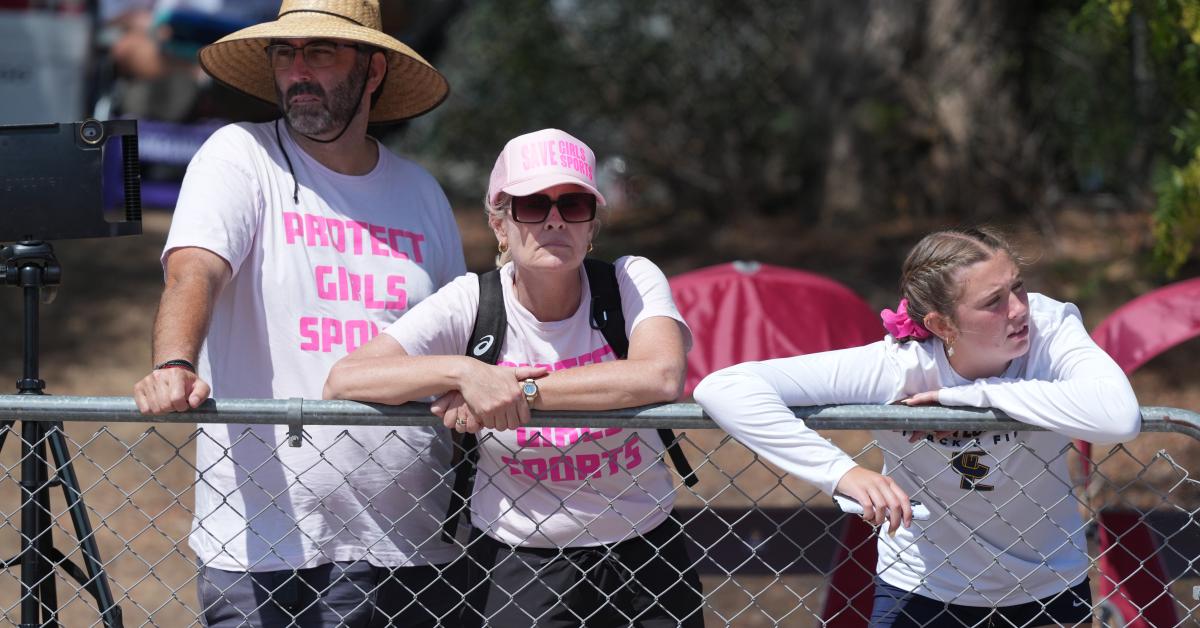
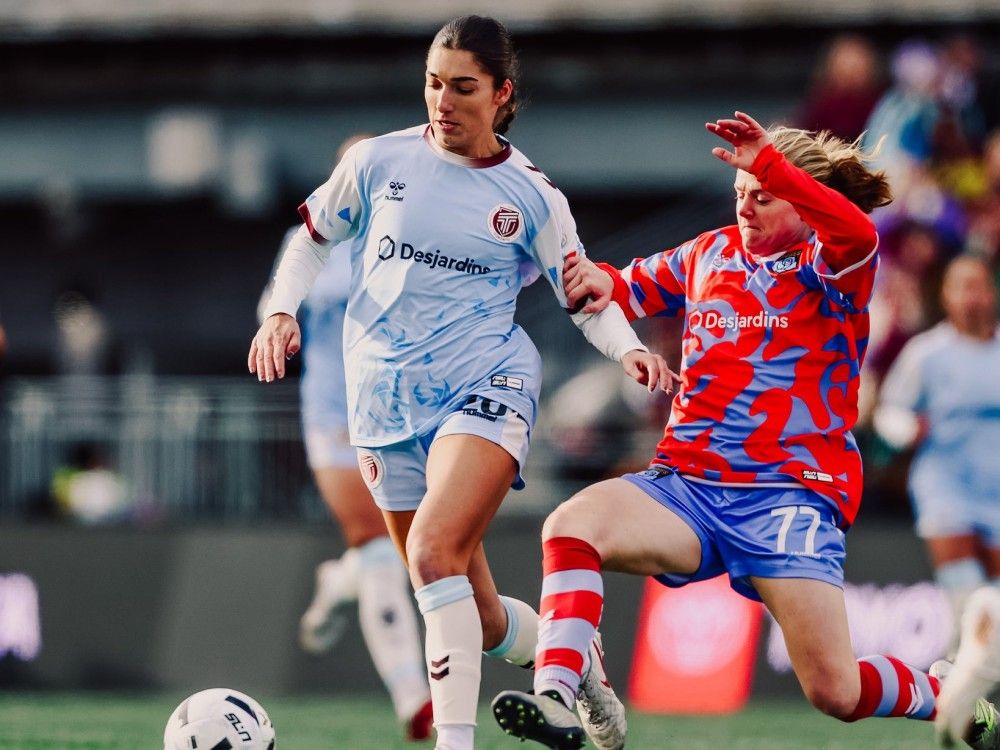
Canadian girls are playing organized sport at higher rates than in 2020, as unprecedented momentum in women’s professional sport creates new possibilities for the next generation.
asserted
momentum → play → generation
But progress is not reaching all girls equally.
asserted
progress → reach → girls
Rally Report 2026: Turning Progress into Lasting Change for All Girls in Sport, Canadian Women & Sport’s flagship research, launches today in partnership with Canadian Tire Jumpstart Charities.
asserted
Report → turn → Charities
The report finds that 61% of girls play organized sport at least weekly, compared to 71% of boys.
asserted
% → find → boys
While girls’ participation remains above 2020 levels (50%), the gap between boys and girls has widened from 5 to 10 percentage points since 2024.
asserted
gap → remain → 2024
This reflects modest shifts in both groups: a slight decrease in girls’ participation alongside a slight increase for boys.
asserted
This → reflect → boys
Since 2024, participation among girls from lower-income households has fallen from 52% to 47%, while participation among girls aged 6 to 8
asserted
participation → fall → 8
“There is more momentum around girls’ and women’s sport than we have seen in generations, and that creates an incredible opportunity,” said Allison Sandmeyer-Graves, CEO, Canadian Women & Sport.
asserted
Graves → be → opportunity
“Sport can shape confidence, connection and belonging, and every girl deserves access to those benefits.
asserted
girl → shape → benefits
Now is the time to turn this momentum into lasting change so more girls can get into sport, stay in it and thrive through it.”
asserted
girls → turn → it
Getting girls into sport matters.
asserted
Getting → get → sport
Keeping them there means paying attention to the experience they have once they arrive.
asserted
they → keep → experience
Nearly 4 in 5 girls describe their overall sport experience as positive, yet among girls who have stopped playing, nearly half say they don’t feel confident, supported or safe to participate.
asserted
they → describe → girls
Body image concerns affect 1 in 2 girls aged 13 to 18, and more than 2 in 5 girls say they have experienced bullying, unfair treatment or exclusion in sport.
asserted
they → affect → sport
“Every girl deserves to feel like she belongs in sport,” said Zoe Boyd, PWHL Hamilton defender.
asserted
Boyd → deserve → sport
“The people around girls make the difference: coaches who get to know them as people and teammates who make room for them.
asserted
who → make → them
I had coaches and teammates like that growing up, and they’re a big part of why I’m still playing today.
asserted
I → have → that
Today, girls can watch women compete professionally here at home, and they’re paying attention.
asserted
they → watch → attention
Seven in 10 girls are fans of pro women’s sport, and half say the growth of professional women’s teams and leagues in Canada, including the PWHL, NSL and WNBA’s Toronto Tempo, has increased their interest in playing.
asserted
growth → say → interest
Girls need places to play, ways to afford it and environments where they feel welcome.
asserted
they → need → it
“When we remove the cost of sport, we see kids show up, build confidence and keep coming back,” said Marco Di Buono, President, Canadian Tire Jumpstart Charities.
asserted
Buono → remove → confidence
“This report shows that cost remains the biggest barrier for girls, especially those from lower-income families.
asserted
cost → show → families
Helping families overcome that barrier is what Jumpstart is here to do, and research like this guides us in investing where it can make the biggest difference, so every girl has the chance to play.”
asserted
girl → help → chance
Key findings
- 61% of girls play organized sport at least weekly, up from 50% in 2020, compared to 71% of boys.
asserted
% → play → boys
The participation gap has widened from 5 to 10 percentage points since 2024, reflecting modest shifts in both groups.
- Girls’ participation in organized team sports grew from 4 in 10 to nearly 5 in 10 since 2024.
- From age 16, girls’ dropout accelerates, while participation among boys and young men holds steady throughout their late teens and early twenties.
asserted
participation → widen → teens
- Cost is reported as a barrier by 68% of girls aged 6 to 12 and 69% of girls aged 13 to 18.
asserted
Cost → report → girls
- Half of girls identify other players as a source of negative experiences in sport, rising to nearly 7 in 10 for girls with a disability.
- 1 in 3 girls say their interest in playing basketball, soccer or hockey is stronger due to the growth of the WNBA, NSL and PWHL, respectively, rising to 2 in 5 racialized girls for basketball and soccer.
asserted
interest → identify → basketball
- Among parents, nearly 4 in 5 are more interested in their child playing basketball, more than 1 in 2 in soccer and 2 in 5 in hockey due to the growth of professional leagues in Canada.
asserted
child → play → Canada
What the report calls for
The findings point to a clear opportunity: turn today’s momentum into lasting change by making sport more accessible, welcoming and designed with girls in mind.
asserted
sport → call → mind
Rally Report 2026 names four priorities for the sport system:
- Design for girls who aren’t yet playing, with affordable, beginner-friendly options in their communities.
- Build a pipeline that doesn’t run out, so young women have somewhere to play after high school.
- Make quality of experience the standard, measuring whether girls feel safe, welcome and supported, not just registration numbers.
asserted
girls → name → experience
The report notes that much of this work is already happening, but unevenly, and mostly where motivated individuals have the capacity to lead it.
asserted
individuals → note → it
Making it consistent will take greater alignment across the sport system and sustained investment in community sport, where most girls start playing.
asserted
girls → make → sport
In July 2026, Canadian Women & Sport and IMI Consulting surveyed more than 4,500 Canadians aged 6 and older.
asserted
Women → survey → Canadians
The sample included 1,960 girls aged 6 to 18, with racialized girls, girls with disabilities and girls from lower-income households oversampled to allow for intersectional analysis.
asserted
sample → include → analysis
Girls aged 6 to 12 answered the survey with support from a parent.
asserted
Girls → age → parent
New this year, four focus groups with 18 girls aged 13 to 18 explored what keeps girls playing and what pushes them out.
asserted
what → age → them
Rally Report 2026 was produced in partnership with Canadian Tire Jumpstart Charities, with additional support from Bauer.
asserted
Report → produce → Bauer
About Canadian Tire Jumpstart Charities
Canadian Tire Jumpstart Charities (Jumpstart) is a national charity committed to enabling lifelong success through access to sport and play for children and youth across Canada by addressing financial, physical, and systemic barriers.
asserted
Charities → commit → barriers
With an extensive national network comprising more than 1,000 grantees and 289 local chapters, Jumpstart is dedicated to empowering community partners in the development of inclusive programming and infrastructure for Canadian kids of all abilities.
asserted
Jumpstart → comprise → abilities
Supported by Canadian Tire Corporation, Jumpstart has provided more than 5 million opportunities for Canadian kids to get into the game since 2005.
asserted
kids → support → 2005
…and 4 more, not listed.
 The Aporia