Photo via Semafor

Measures restricting clean tech exports slowing down energy transition

Read the original at Semafor ↗
Cite

Farand, C. (2026, November 12). Measures restricting clean tech exports slowing down energy transition. Semafor. https://www.semafor.com/article/11/12/2026/measures-restricting-clean-tech-exports-slowing-down-energy-transition

Dated from the outlet's own feed. Check the original for its byline.

Semafor · collected 2026-11-12 · by Chloé Farand

Quick Summary

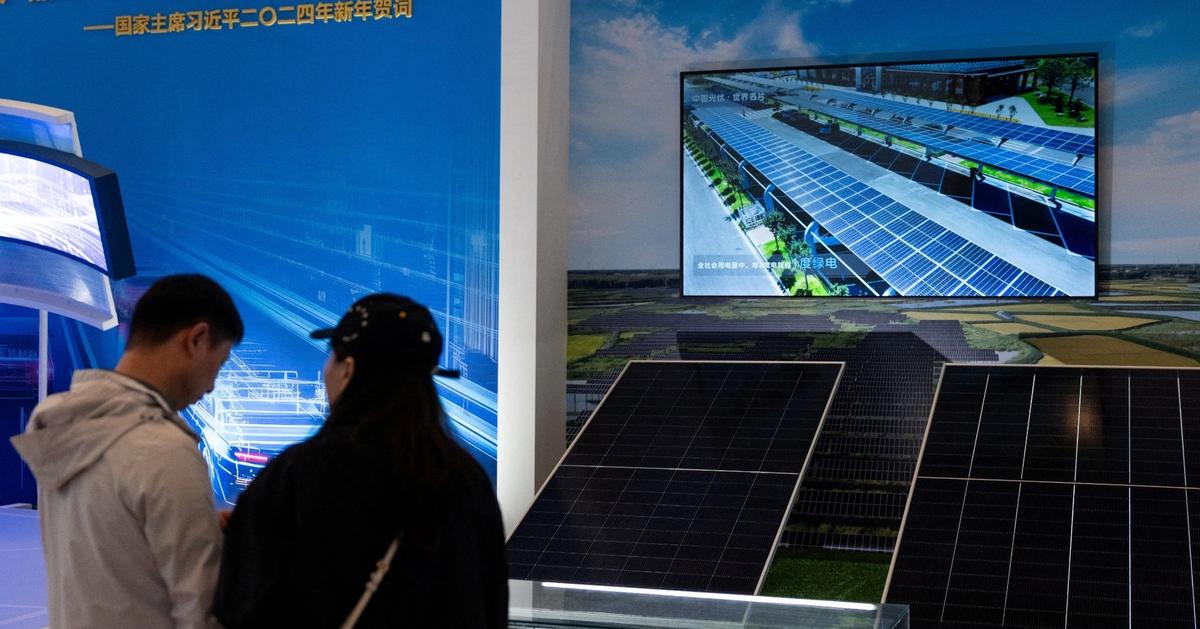
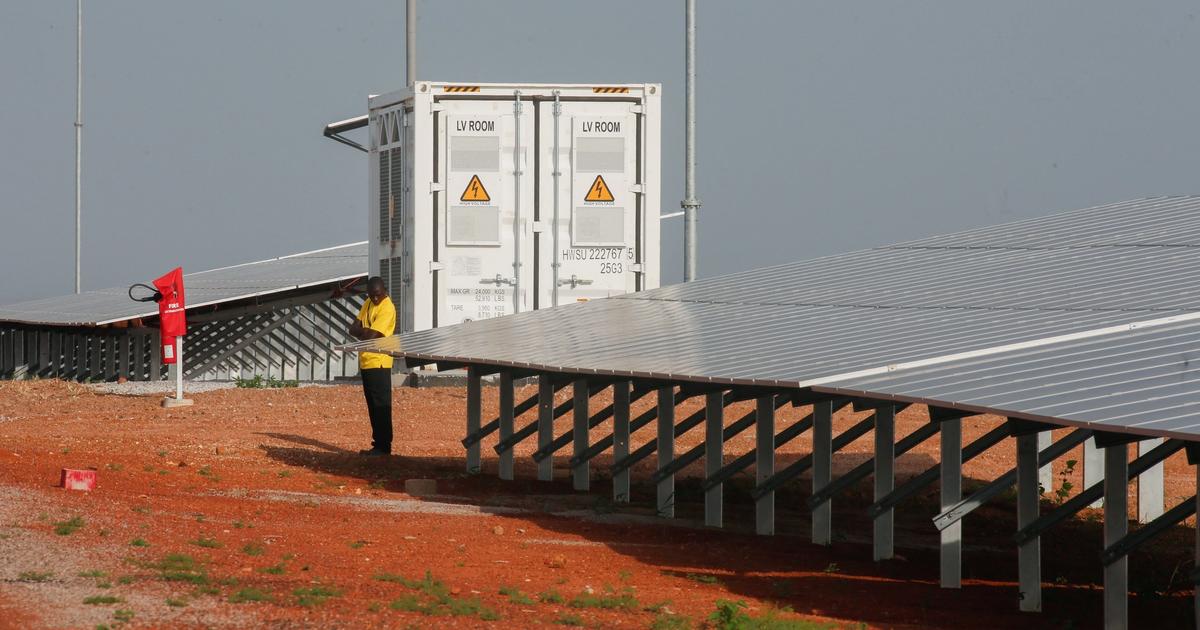
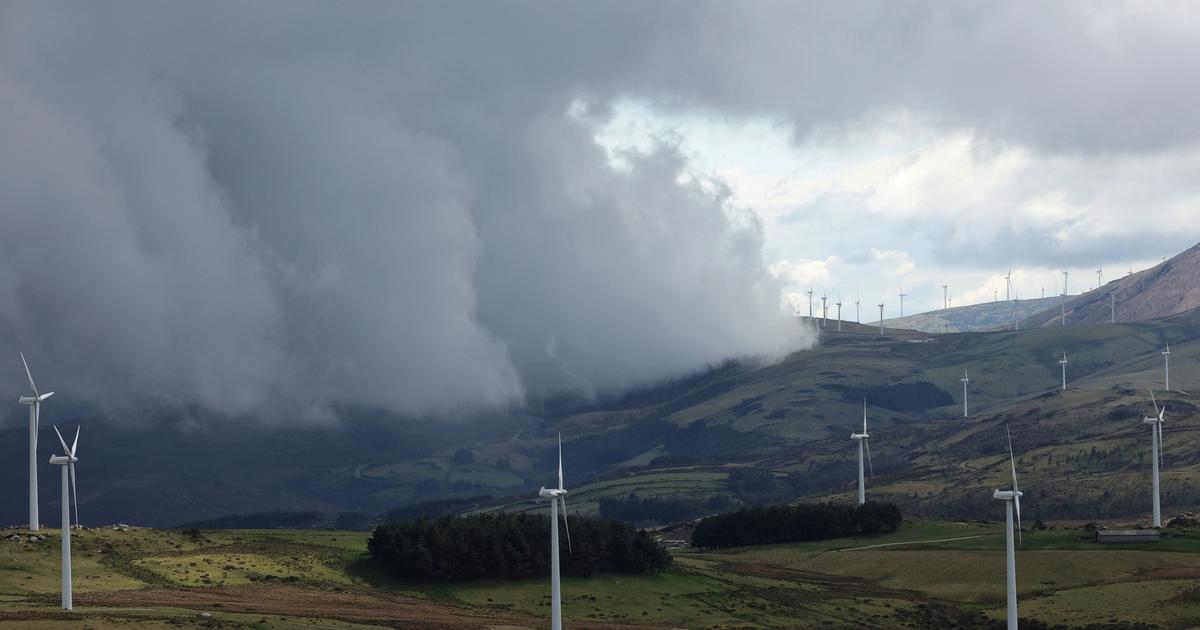
The Oxford Climate Policy Monitor reports that major economies accounting for 58% of global GDP have implemented measures to restrict clean energy technology imports, often targeting Chinese products. Meanwhile, smaller economies representing 8% of global GDP are liberalizing imports of electric vehicles, batteries, and renewable energy equipment, fostering a free trade area for clean tech. According to analysis by the Blavatnik School of Government, while these restrictions are slowing down and increasing the cost of the energy transition, they could serve industrial development and economic security needs if managed selectively.
Written by AI on 2026-11-12, from this article's own text only (the story summary below draws on all the coverage).

AI analysis

Story summary

As of November 12, 2026, major economies representing 58% of the world’s GDP have adopted at least one measure to restrict the import of clean energy technologies, primarily targeting Chinese goods, according to the Oxford Climate Policy Monitor. In contrast, a significant number of smaller economies outside China, accounting for about 8% of global GDP, are liberalizing imports of electric vehicles, batteries, wind turbines, and solar equipment, effectively creating a free trade area for clean technology. Analysis by the Blavatnik School of Government at the University of Oxford indicates that these restrictions are slowing down the transition to clean energy and increasing costs. However, the same analysis suggests that such measures may also be necessary to balance effective climate policies with industrial development and economic security. Claas Mertens, a co-author of the study, noted that many countries are implementing a strategy that combines openness and protection through selective trade restrictions rather than pursuing entirely self-sufficient industries.


Written for “Measures Restricting Clean Tech Exports” on 2026-11-13, grounded in this article and the 0 other(s) covering the same event.
Why this leaning score
The model judged this article politically coded and scored it +0.15, but every quote it verified points left, so the score is not published.
Written under an earlier scoring contract, which gave a paragraph rather than checkable quotes. Re-analysing this article replaces it.
Leaning score withheld for article 148601: score contradicts its own evidence · logged 2026-11-12

Compared with similar articles

This article reads unscored and hedges 50% of its claims. Each row says how that neighbour differs.
The Guardian
Hedges 8 of 38 claims Outlet record 65/100
“The articles discuss different topics within the broader context of economic competition between Europe and China, with Article A focusing on warnings about European manufacturers' future in China and Article B on measures restricting clean tech exports.”

Story

Measures Restricting Clean Tech Exports
Economy/Business · 1 article(s) covering the same event.
How this article was measured signals, leaning charts, publisher record, byline, topics and claims

Signals How these are calculated →

Claims extracted
6
sentences that state something as happening or true
Uncertain
50%
3 of 6 hedged ("reportedly", "may", "according to")
Leaning
withheld
no quote in the article backed the model's score
Publisher signals
66/100
Semafor's corrections and hedging, across everything collected from it. Not a measure of accuracy.
Outlets on this story
1
Economy/Business
Same framing elsewhere
1
articles that frame the event the way this one does
Analyzed 2026-11-12 · how these are computed

How this is being covered How these are calculated →

Article leaning vs. publisher reliability
Source leaning vs. consistency

Publisher

Semafor · 1712 article(s) · 5 correction(s) detected
Running correction rate · 5 correction(s)

Who wrote this

Chloé Farand
6 article(s) here · 1 carrying a prediction
Japanese investor SoftBank reported $3.7 billion hit to its earnings on Tuesday, after cancelling a glut of orders for gas-producing equipment to power the AI hardware buildout that it couldn’t use.
African countries want the COP31 climate talks, now underway in Türkiye, to set out how the world will deliver on last year’s pledge to triple adaptation finance designed to help cope with the growing impact of extreme weather events.
2026-11-12 · assertive framing · Africa to press for more adaptation finance at COP31
Analysis by the Blavatnik School of Government at the University of Oxford found that restrictions are making the transition slower and more expensive, but they may also be needed to balance effective climate policy with industrial development and economic security.
African countries want the COP31 climate talks, now underway in Türkiye, to set out how the world will deliver on last year’s pledge to triple adaptation finance designed to help cope with the growing impact of extreme weather events.
2026-11-11 · assertive framing · Africa calls on COP31 to boost adaptation finance
But Democrats and environmental groups remain divided over the long-awaited bill, which would overhaul major environmental laws to streamline the permitting process for building power projects, AI data centers, and distribution grids.
Global fossil fuel emissions are projected to fall by 0.4% in 2026, driven by the rapid expansion of solar and wind power and the energy supply shock caused by the Iran war, according to research by the Global Carbon Project.
Also by Chloé Farand
Nothing else under this byline is closely related to this article, so these are simply their most recent.
All 6 articles by Chloé Farand →

Topics

China Chinese the Blavatnik School of Government the Oxford Climate Policy Monitor the University of Oxford

Subjects

China GPE · 1× Chinese NORP · 1× Claas Mertens PERSON · 1× the Blavatnik School of Government ORG · 1× the Oxford Climate Policy Monitor ORG · 1× the University of Oxford ORG · 1×

Narrative

In contrast, a large number of small economies outside China, accounting for about 8% of world GDP, are liberalising imports of EVs, batteries, along with wind and solar equipment, creating a de facto free trade area for clean tech.
framing: mixed · carried by 1 article(s) · first seen 2026-11-12
Analysis by the Blavatnik School of Government at the University of Oxford found that restrictions are making the transition slower and more expensive, but they may also be needed to balance effective climate policy with industrial development and economic security.

Claims (6 extracted, 3 hedged)

Major economies representing 58% of the world’s GDP have adopted at least one measure to restrict the import of clean energy technologies, many targeting Chinese goods, according to data published by the Oxford Climate Policy Monitor. uncertain
many → represent → Monitor
In contrast, a large number of small economies outside China, accounting for about 8% of world GDP, are liberalising imports of EVs, batteries, along with wind and solar equipment, creating a de facto free trade area for clean tech. asserted
number → account → tech
Analysis by the Blavatnik School of Government at the University of Oxford found that restrictions are making the transition slower and more expensive, but they may also be needed to balance effective climate policy with industrial development and economic security. uncertain
they → find → development
“Openness and protection can be combined, rather than traded off wholesale,” it said. asserted
it → combine → ?
Large economies could pursue more selective trade restrictions instead of trying to build entirely self-sufficient industries, while smaller countries could specialise in particular stages of manufacturing. uncertain
countries → pursue → manufacturing
“Our findings show that many countries have begun to implement this strategy,” said Claas Mertens, the brief’s co-author. asserted
Mertens → show → strategy
Give feedback · no sign-in needed

No sign-in needed for now. Your note is sent without a name, so it cannot be answered.

History Support