You’re reading Dispatch Markets, a weekly dive into the forces driving economic growth—and those holding it back—featuring Scott Lincicome, Kyla Scanlon, Karl Smith, Marian Tupy, and Adam Ozimek.
asserted
You → read → Lincicome
In the weeks between Donald Trump’s 2024 election victory and his 2025 inauguration, several journalists asked me to predict U.S. trade policy during Trump 2.0.
asserted
journalists → ask → Trump
The first thing I’d always say was some variation of what I told Dispatch readers around the same time: Yes, we should expect more tariffs (and more chaos), but it wouldn’t make political or economic sense for an administration propelled into power by inflation-weary voters to immediately start taxing coffee, bananas, energy, and other not-made-here necessities.
asserted
administration → say → coffee
I admit: I was wrong.
asserted
I → admit → ?
Last week’s election earthquake set off an inevitable scramble on the right to identify the cause.
asserted
earthquake → set → cause
Most notable was Vice President J.D. Vance, who took to Twitter to declare that “the real reason we lost” was the Iran war, conveniently omitting any possible blame for the populist economic policies (tariffs, especially) that he champions.
asserted
he → take → that
Others on the right did the exact opposite, blaming everything on tariffs while ignoring a war that many of them supported (at least initially).
asserted
many → do → them
Exit polling data confirm that both tariffs and Iran—along with several other issues—drove last week’s election results.
asserted
tariffs → confirm → results
Determining each factor’s precise weight is a fool’s errand, especially at this early stage.
asserted
Determining → determine → stage
Yet one thing is already clear: American voters again rejected the economic populism that’s been championed, in different flavors, by both the right and the left over the last decade.
asserted
that → reject → decade
A “populist” economic agenda, it turns out, isn’t very popular at all—at least once voters get a real-world taste of it.
asserted
voters → turn → it
Several concerns drove voters to reject Trump’s GOP in historic fashion: the economy (centered on prices and affordability), Iran, corruption, aggressive deportations, and Trump himself.
asserted
concerns → drive → prices
We know this because voters told us—before and after the election.
asserted
voters → know → election
The main exit poll this year, the Voter Poll that SSRS conducted for the Associated Press and other big media outlets, surveyed roughly 100,000 voters before and on Election Day.
asserted
SSRS → conduct → Day
As shown in the charts below, these issues dominated voters’ priorities:
asserted
issues → show → priorities
As readers know, I’ve been skeptical of the Iran war, in both design and execution, since the beginning.
asserted
I → know → beginning
As National Review’s Jim Geraghty notes, the exit polls show it did indeed hurt Republicans: 74 percent of voters called the war a “crucial” or “major” factor in their vote, and 63 percent said attacking Iran was the wrong decision.
asserted
attacking → note → Iran
Even more important, the war’s effect on fuel, fertilizer, and other prices was a major economic irritant, as was the general Trumpian chaos surrounding it.
asserted
chaos → surround → it
But the data also show that the war was an accelerant, not what got voters’ economic fire roaring in the first place.
asserted
fire → show → place
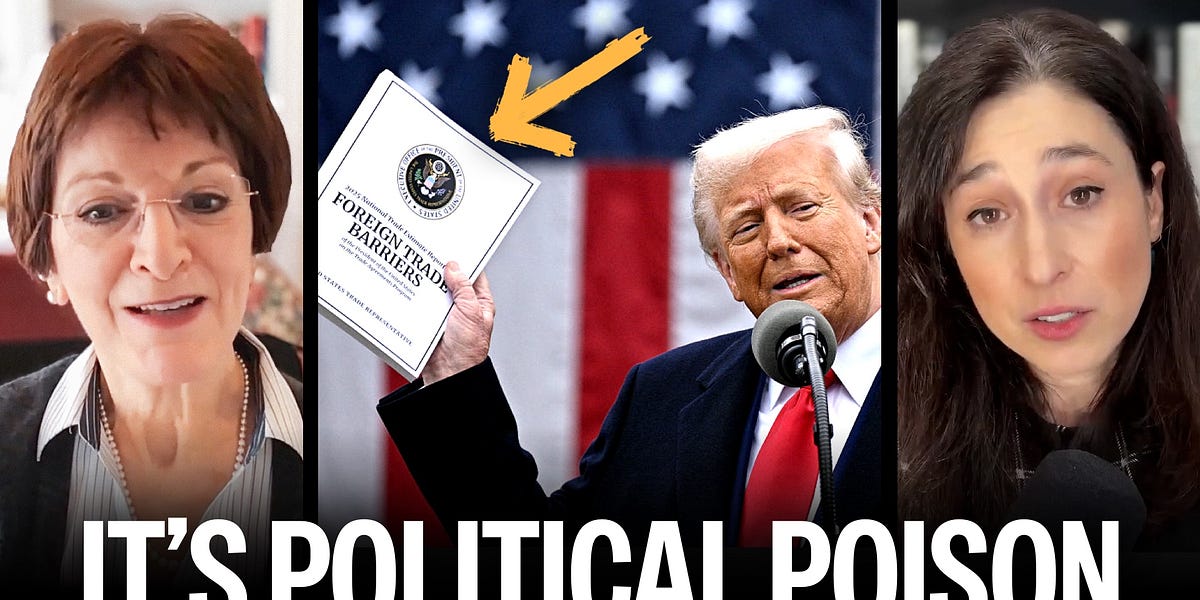
As Phil Magness already detailed for The Dispatch, the administration’s weakness on the economy started with Trump’s tariffs, with voter disapproval evident in both last week’s exit polls and numerous surveys dating back to last spring:
asserted
disapproval → detail → spring
The tariff issue has steadily eroded Trump’s economic performance rating since he launched a trade war against the rest of the globe on “Liberation Day” in April 2025.
asserted
he → erode → April
The Economist/YouGov tracker tells the story.
asserted
tracker → tell → story
In Trump’s first term from 2017 to 2021, his economic ratings remained generally high.
asserted
ratings → remain → 2021
In the second, his economic approval began at the same level as his first term, then plummeted as the tariffs rolled out—and it never recovered.
asserted
it → begin → term
It sank to a net minus-36 by October 2026.
asserted
It → sink → October
The unpopular war in Iran and its accompanying strains on gasoline prices accelerated the decline, certainly, but the data show it was already well underway because of the tariffs.
asserted
it → accompany → tariffs
National Review’s Dan McLaughlin, as well as pollster Mark Penn and former NYC council president Andrew Stein find similar things, with Trump losing voters’ trust on the economy and affordability long before the Iran war began.
asserted
war → find → economy
My Cato Institute colleague Alfredo Carrillo Obregon went even deeper right before the election, documenting dozens of polls since early 2025 showing broad and rising opposition to tariffs, even among blue-collar workers, mainly for cost-of-living reasons.
asserted
colleague → go → reasons
Even American farmers—typically loyal to Trump—eventually soured on the import taxes and their ostensible goals: Per Purdue’s latest Ag Economy Barometer, only 35 percent of farmers surveyed in mid-October thought tariffs would strengthen the U.S. agricultural economy (down from 70 percent in spring 2025), while 51 percent said tariffs would weaken it.
asserted
tariffs → sour → it
And, as I wrote in the Washington Post in September, a surprising 75 percent of registered voters said tariffs would be important to their midterm vote, including 64 percent of independents.
asserted
tariffs → write → independents
They told us they’d vote on tariffs.
asserted
they → tell → tariffs
Then they did.
asserted
they → do → ?
As Magness notes, the exit polls make all this abundantly clear: “66 percent of voters said Trump’s tariff policies hurt the national economy, and 64 percent said they hurt the economy in their own area.
asserted
they → note → area
Just 21 percent said tariffs helped.”
asserted
tariffs → say → ?
State-level exit polling on tariffs was similarly brutal—including in key Senate battleground states like Texas, Michigan, Ohio, and North Carolina:
asserted
polling → include → Texas
Tariffs were, in Magness’ words, a “millstone” around Republicans’ necks—largely because they so aggravated voters’ top economic concern: the cost of living.
asserted
they → aggravate → living
They are intended to raise prices—that’s how they protect domestic manufacturers, duh—and that’s precisely what they did: Several studies have found that Americans bore most of the tariffs’ economic burden in 2025; other studies show they had a meaningful effect on the overall price level last year; and numerous media reports detailed how tariffs motivated large importers and retailers, small businesses, and domestic manufacturers (e.g., Whirlpool) to raise their prices.
asserted
tariffs → intend → prices
Tariffs also motivated the president and his team to spend much of the last year and a half insulting the very voters they needed.
asserted
they → motivate → voters
Trump first said that tariffs wouldn’t raise prices, then later defended those higher prices by telling Americans they didn’t need so many dolls and pencils.
asserted
they → say → dolls
(He also called the word affordability “a con job by the Democrats” and “a hoax” last December.)
asserted
He → call → Democrats
…and 69 more, not listed.
 The Aporia