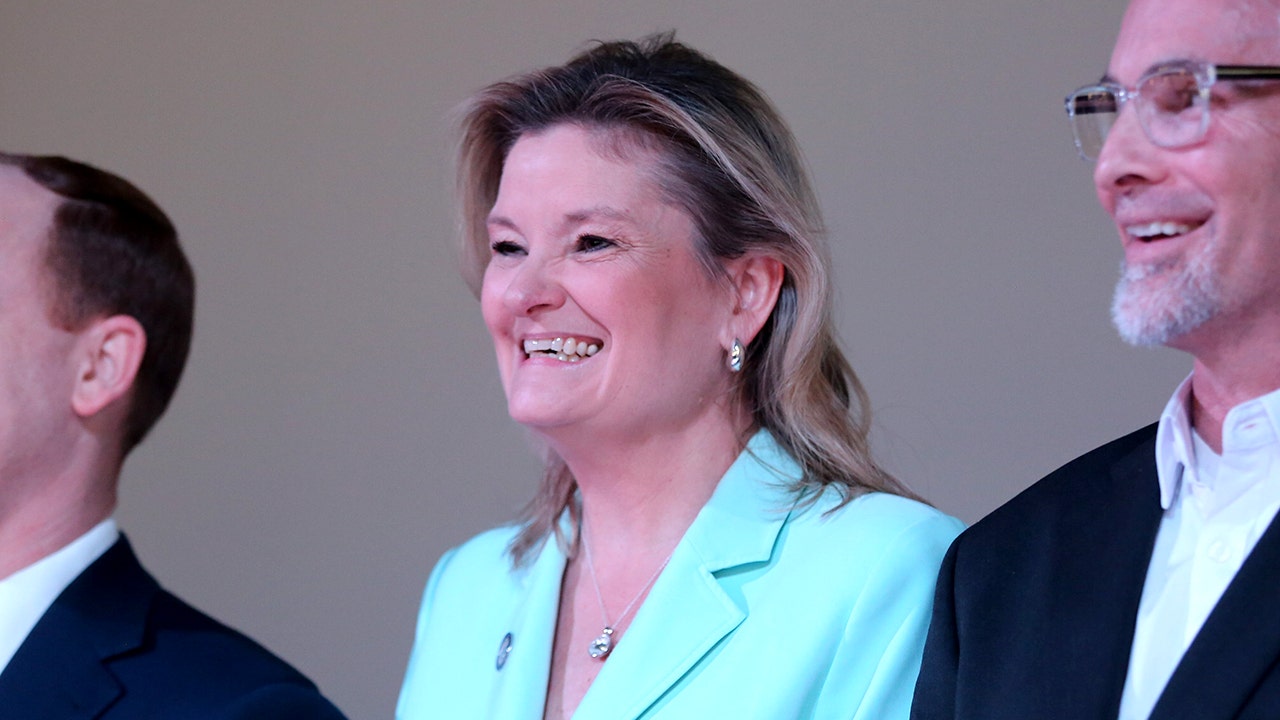
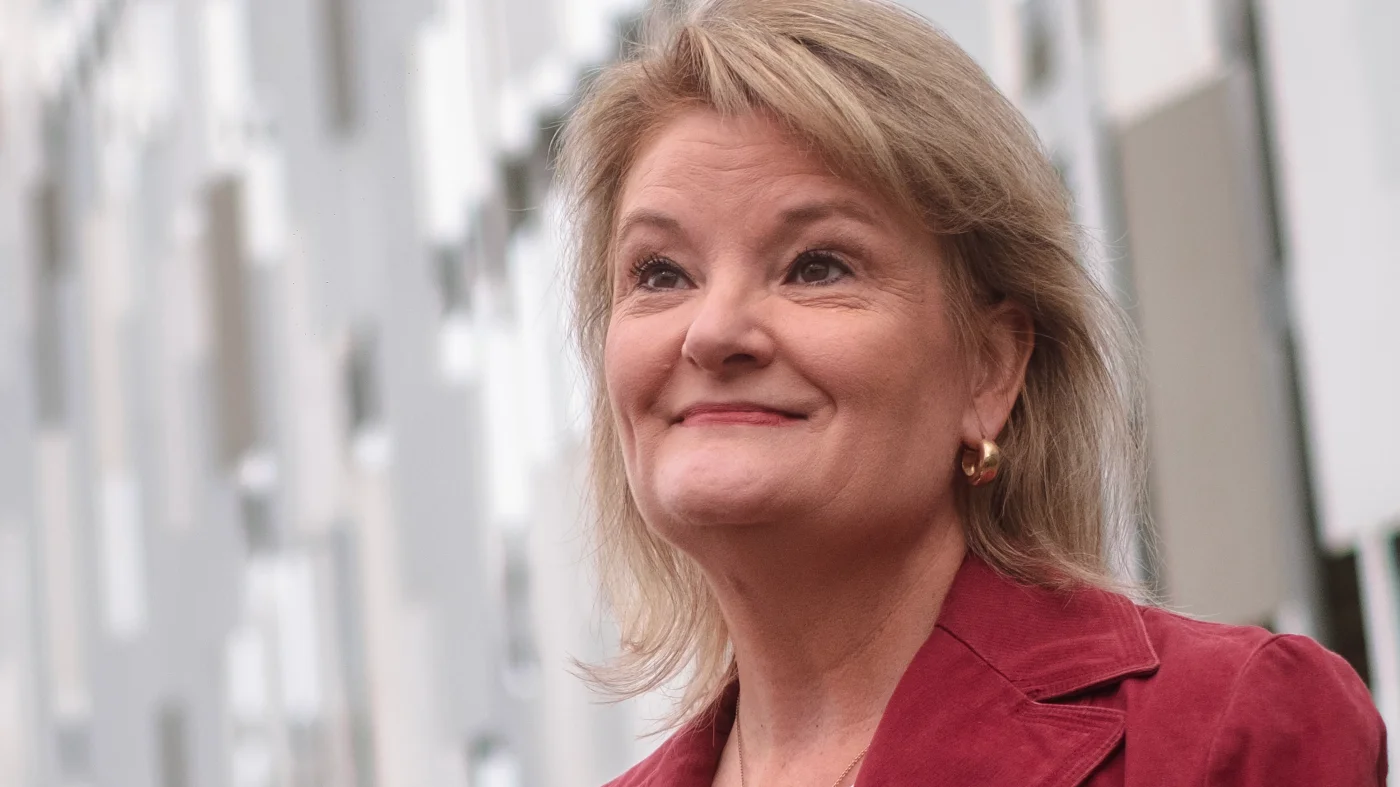
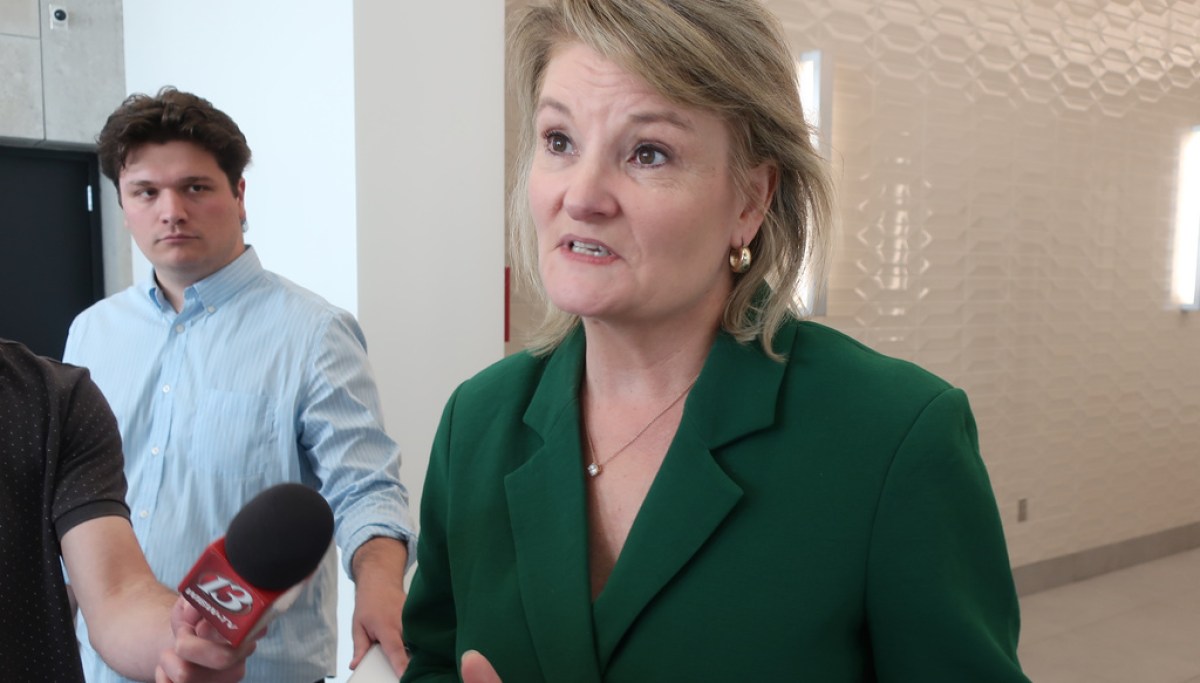
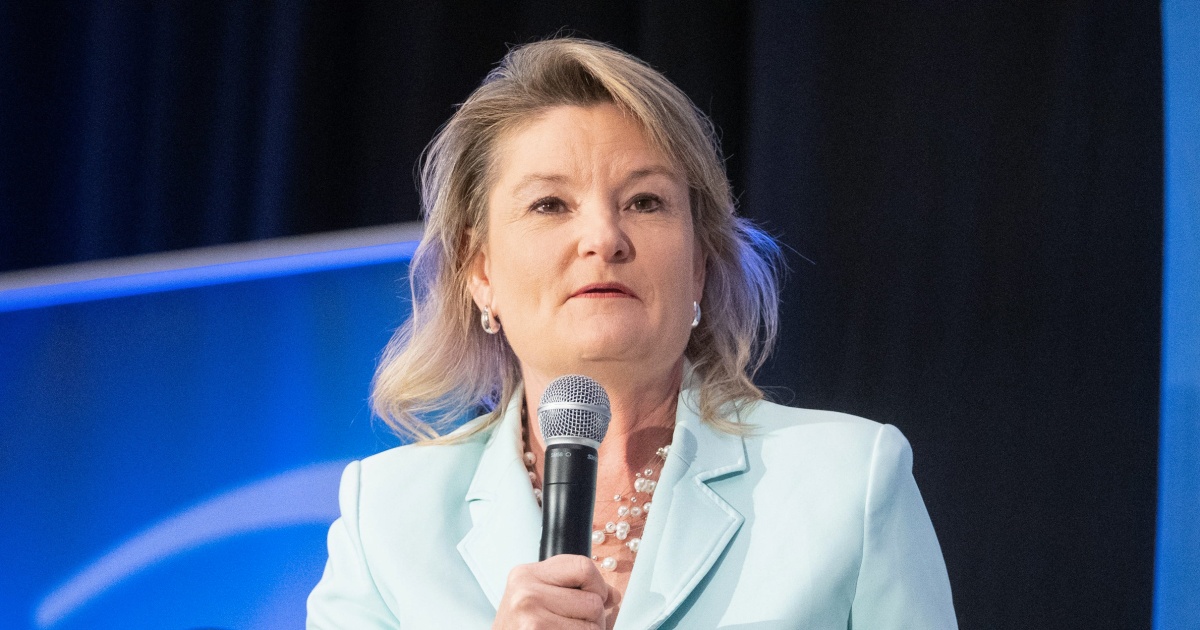
Democratic state Sen. Cindy Holscher has narrowly won Kansas’ race for governor, NBC News projected Thursday, extending the party’s hold on the office in the red state.
asserted
News → win → state
Holscher defeated Republican state Senate President Ty Masterson, who was backed by President Donald Trump, to succeed two-term Democratic Gov. Laura Kelly.
asserted
who → defeat → Kelly
While Trump carried Kansas — a state where registered Republicans outnumber registered Democrats nearly 2 to 1 — by double digits in the latest three presidential elections, polling had shown a close race down the stretch due mostly to voter frustrations with Trump and his handling of the economy.
asserted
polling → carry → economy
Democrats also benefited from increased attention on the traditionally conservative state as its Senate race tightened.
asserted
race → benefit → state
Holscher’s victory came despite a nearly 3-to-1 Republican ad spending advantage in the general election, according to ad-tracking firm AdImpact.
uncertain
victory → come → AdImpact
In the general election, Holscher aggressively tied Masterson to Trump, while also maintaining that she’d find areas to work with the administration.
asserted
she → tie → administration
“I think that’s a concern that [Masterson] has the ear of the administration, because the administration also has a hold on him.
asserted
administration → think → him
You won’t see Ty Masterson pushing back against bad policy, like tariffs that are hurting our farmers or the importing of beef that are hurting our ranchers,” she told local news station KMBC in October.
asserted
she → see → October
She added that will also “work with folks” in the administration “to make sure we bring good things to Kansas.”
asserted
we → add → Kansas
Masterson, who was endorsed by Trump, attempted to distance himself from the president on his website and in campaign materials.
asserted
who → endorse → materials
But his connection to Trump, who faced increasingly lower approval ratings in the traditionally red state, was unmistakable: the president came to Kansas over the last weekend before Election Day to campaign alongside Masterson and the Republican candidate in the state’s Senate race, Sen. Roger Marshall, who lost his re-election bid to Democrat Adam Hamilton.
asserted
who → face → Hamilton
Meanwhile, Holscher also prominently highlighted her opposition to new data center construction throughout her campaign.
asserted
Holscher → highlight → campaign
“This field of Kansas sunflowers is under threat because big tech wants to build a day out of center.
asserted
tech → want → center
As governor, I’ll hit pause on data centers until we can set up firm guardrails to protect our communities and our budgets,” she said in one spot featuring her standing in a field.
asserted
she → hit → field
Masterson has opposed a moratorium on data centers and has defended a 2025 law he voted for giving a sales tax exemption for data center investments.
asserted
he → oppose → investments
Holscher has called for a statewide moratorium on the new data center construction.
asserted
Holscher → call → construction
Building the Future, a pro-data center super PAC, jumped into the race last month to boost Masterson.
asserted
Building → jump → Masterson
Holscher’s win followed a primary that featured Democratic infighting.
asserted
that → follow → infighting
Kelly, who has maintained strong job approval ratings in the state, had endorsed Holscher’s Democratic primary opponent, state Sen. Ethan Corson, and issued stark warnings to voters about being “very concerned about the direction Kansas will go in” if Holscher were to win.
asserted
Holscher → maintain → direction
Holscher had run a more progressive-styled campaign, while Corson ran as a moderate.
asserted
Corson → run → moderate
Kelly endorsed Holscher following the primary.
asserted
Kelly → endorse → primary
 The Aporia