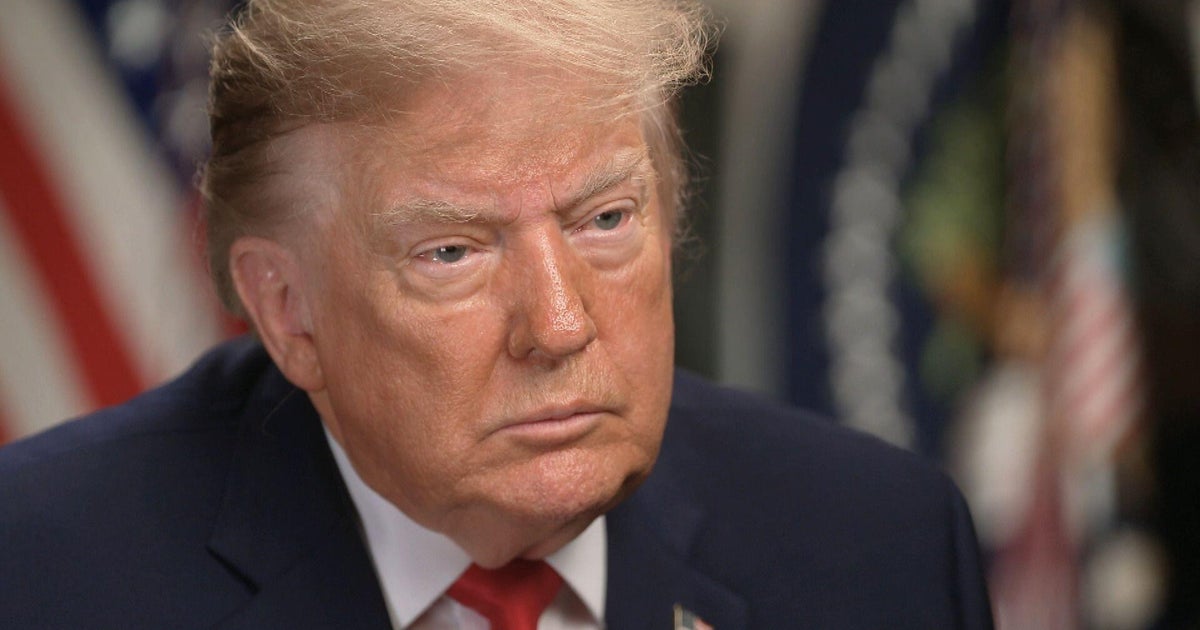
President Donald Trump has attempted to distance himself from the Republican Party’s disastrous performance in last week’s midterms elections, insisting his approval rating remains high and throwing the GOP candidates he endorsed under the bus.
asserted
he → attempt → bus
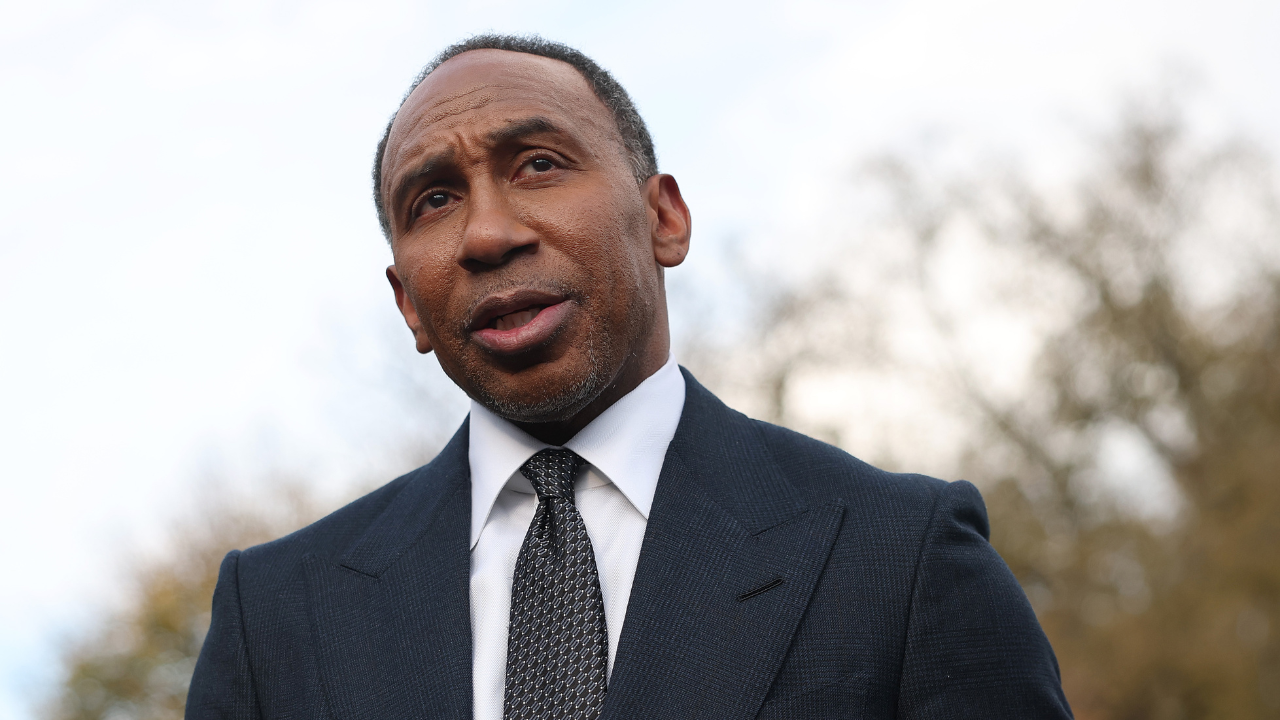
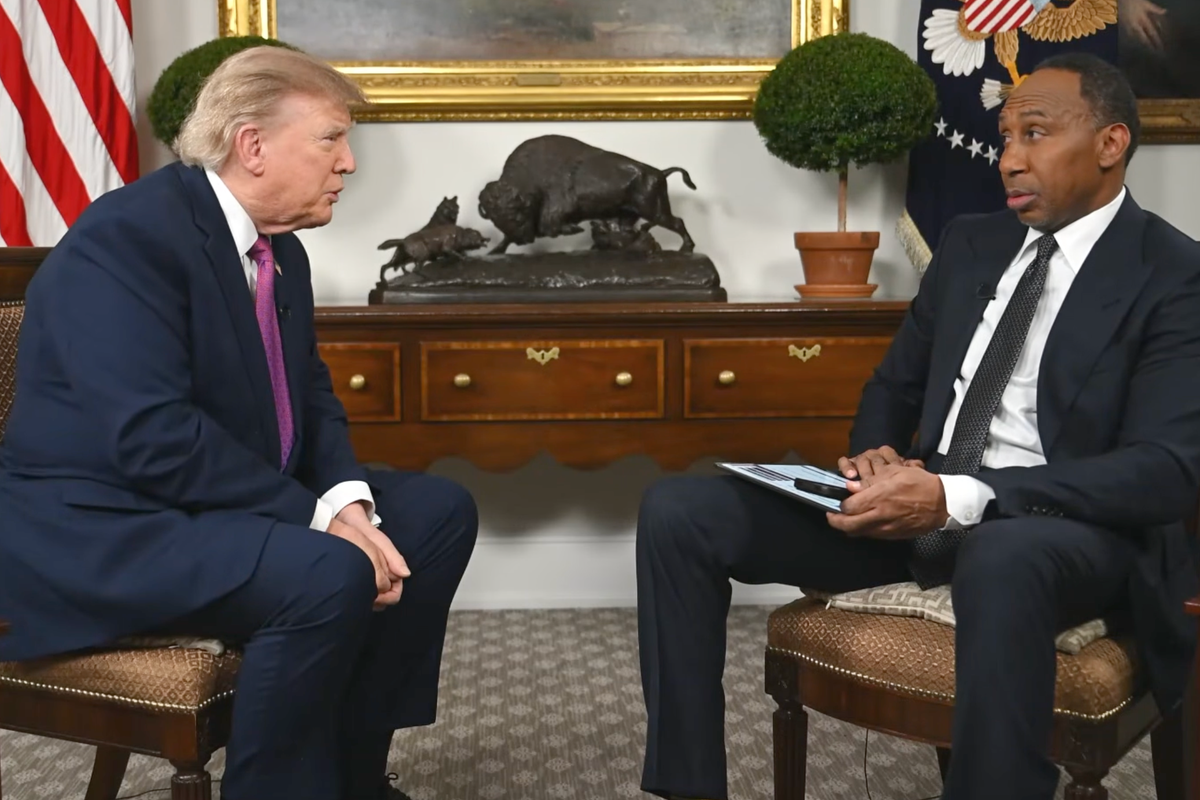
The president was interviewed by Stephen A. Smith for his Straight Shooter with Stephen A podcast Thursday about his side losing control of the House of Representatives and Senate and suffering crushing defeats in typically Republican states such as Michigan, Kansas, Texas and Mississippi.
asserted
side → interview → Michigan
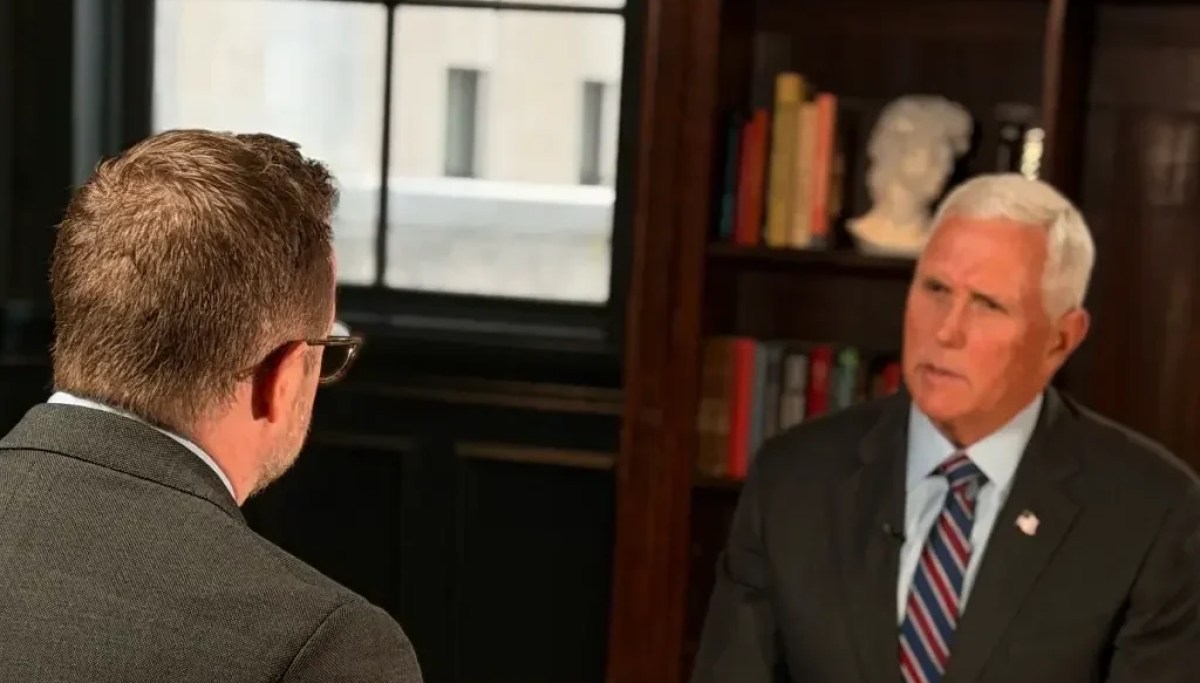
Sitting together in the White House’s Roosevelt Room, Smith got straight to the point: “What happened, Mr. President?”
asserted
What → sit → point
Trump gave a meandering answer, pointing out that he had not been on the ballot himself, complaining about the two Dan Sullivans running in the Alaska Senate race (which has still not been called) and finally spoke on the Iran war.
“Maybe the war was not unpopular as a war but unpopular because of the fact that the gasoline prices were higher, oil prices, and I actually thought that was something that people would be able to handle pretty well,” he said.
asserted
he → give → that
The president insisted the electorate needed to understand that paying more for gas in the short-term was worth it to ensure Tehran never obtained a nuclear weapon, blaming his own candidates for failing to sell the message.
asserted
Tehran → insist → message
“But that doesn’t seem to be what your own party is saying,” Smith interrupted, reminding Trump of the extent of the damage by reeling off the cold, hard facts – his party lost more than 40 House seats, at least eight Senate seats and five governorships.
asserted
party → seem → seats
“You said going into the midterms, ‘Put you on the ballot,’ so how can it not be that you were on the ballot?” Smith asked.
asserted
Smith → say → ballot
“Well, they didn’t do it,” Trump replied.
asserted
Trump → do → it
“They didn’t put me on the ballot.
asserted
They → put → ballot
People didn’t believe in the candidates.”
asserted
People → believe → candidates
From there, the president pointed to his electoral successes in 2024 as proof that the GOP’s candidates were at fault, not him, refusing to see the results as a damning verdict on his own record in office.
asserted
candidates → point → office
Smith challenged the president on whether the outcome was really a matter of voters not liking the conservatives he put up or because they were frustrated by the high price of groceries.
asserted
they → challenge → groceries
“I think it’s both,” Trump said, going on to insist the war was necessary and that he knew he would pay a price for it politically, before lamenting the impact on the stock market, which he said signaled that “people aren’t in love with the Democrats.”
asserted
people → think → Democrats
“But your approval rating is lower than theirs,” Smith interjected.
asserted
Smith → interject → theirs
Trump responded by citing an Elon University poll he had seen Harry Enten cover on CNN in August that had given him a 99 percent approval rating within the GOP, putting him ahead of Abraham Lincoln and Ronald Reagan at the equivalent points in their presidential careers.
asserted
that → respond → careers
The president usually disparages the network and ignored the many other polls that put his approval rating closer to 32 percent.
asserted
that → disparage → percent
Returning to his earlier point, Smith persisted: “Mr President, you said to put you on the ballot, and now you’re saying they didn’t.
asserted
they → return → ballot
That means they didn’t listen to President Donald Trump.
asserted
they → mean → Trump
“Well, I say that they maybe didn’t like the candidates,” the president came back with.
asserted
president → say → candidates
“Did you like them?” Smith asked.
asserted
Smith → like → them
“Some of them I liked, some of them I liked less, but I thought every one of them was better than the Democrats in terms of policy
asserted
one → like → policy
,” Trump answered, going on to insist Sen. John Cornyn would have performed just as poorly in Texas as his nominee Ken Paxton, who was trashed by Democrat James Talarico.
asserted
who → answer → Talarico
The president’s answers were not dissimilar to those he gave to Fox News on Election Night when he also blamed anyone but himself.
asserted
he → give → himself
Interestingly, neither in that interview nor in his session with Smith did Trump question the validity of the results – as many had expected him to do beforehand – and which he belatedly attempted to do earlier this week.
asserted
he → question → which
Elsewhere in their sitdown, Trump and Smith discussed his tariffs strategy’s impact on the economy, the media allegedly underselling his achievements, whether Black Americans had benefited from his policies and his contention that he could beat the “highly overrated” Barack Obama “easily” were they to face each other in an election.
uncertain
they → discuss → election
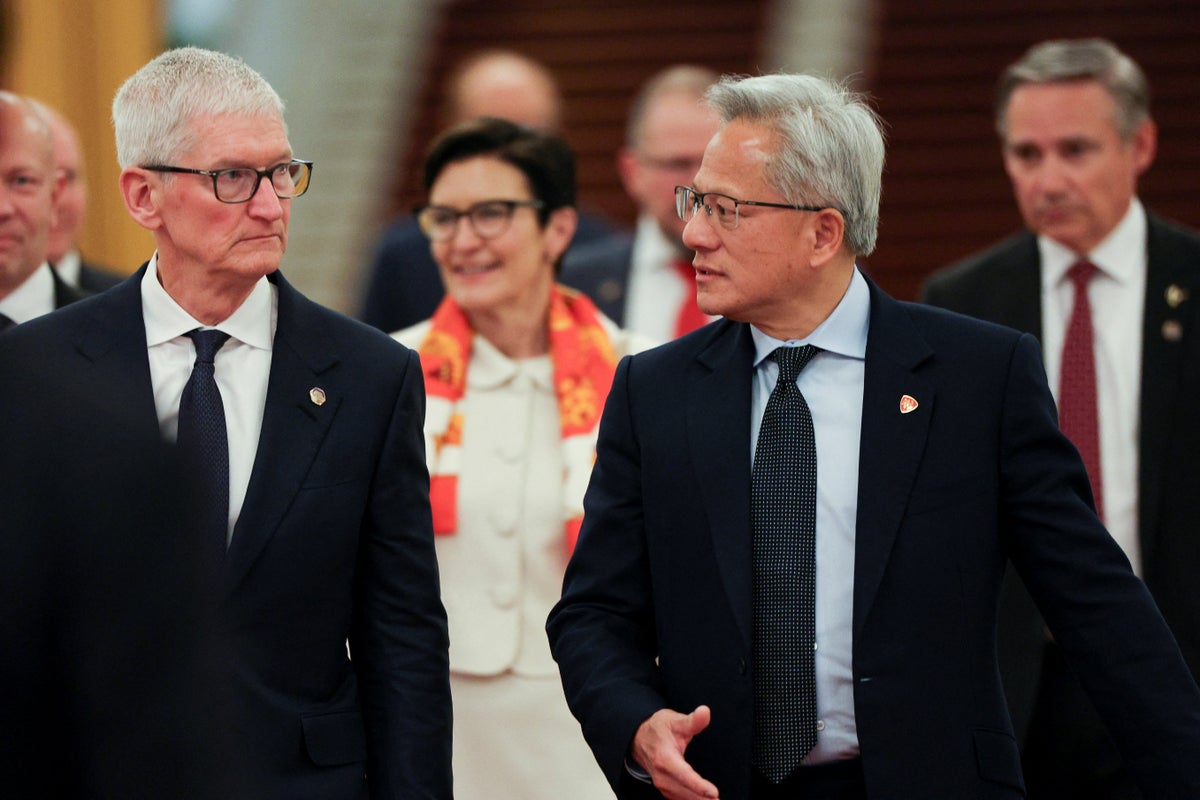
Trump also expressed sympathy for former Nvidia boss Jensen Haung, who he said was “going through hell” after he was forced to resign Thursday after a string of extramarital affairs came to light.
asserted
string → express → light
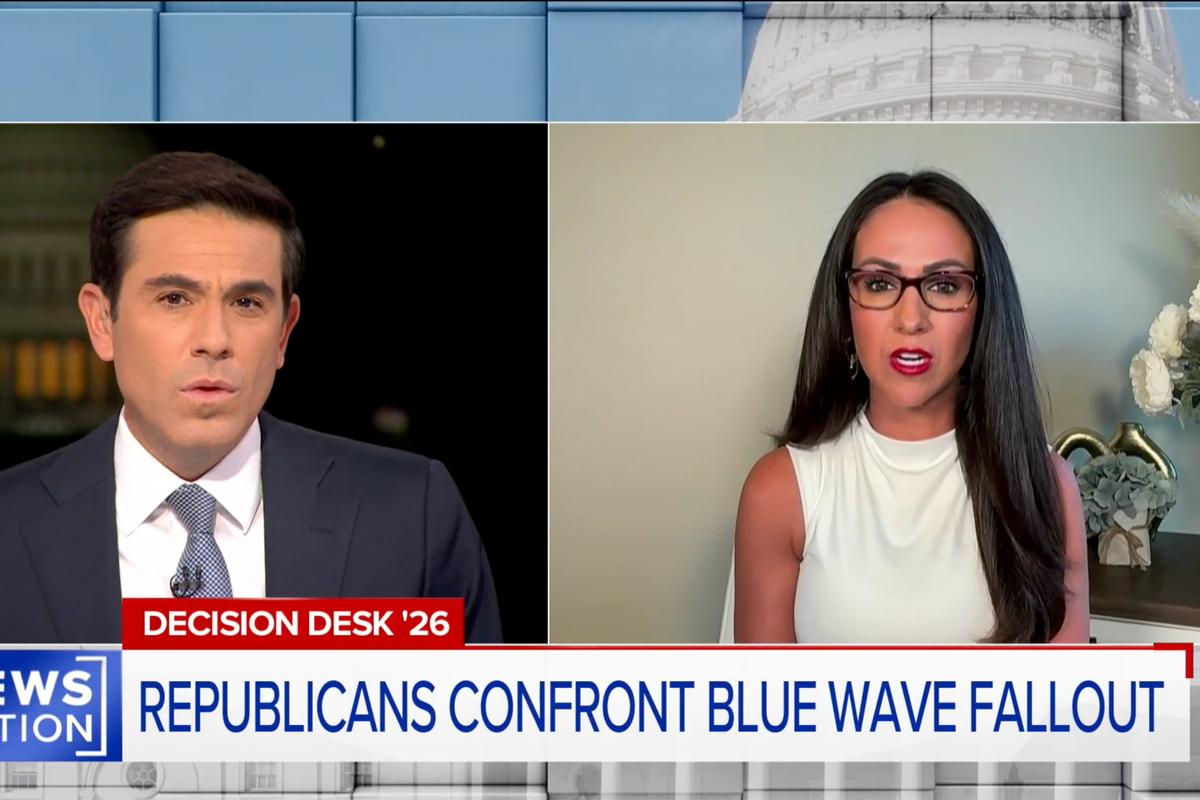
Reflecting on his interview subsequently with Laura Coates on CNN, Smith said Trump was taking “zero” responsibility for the midterms and did not believe he was in any way accountable for his party’s shellacking.
asserted
he → reflect → shellacking
 The Aporia