European leaders have so far found compromises in response to many of US President Donald Trump's demands.
asserted
leaders → find → demands
But they were surprised to hear Trump say that he raised Europe's security framework with Russian officials.
asserted
he → hear → officials
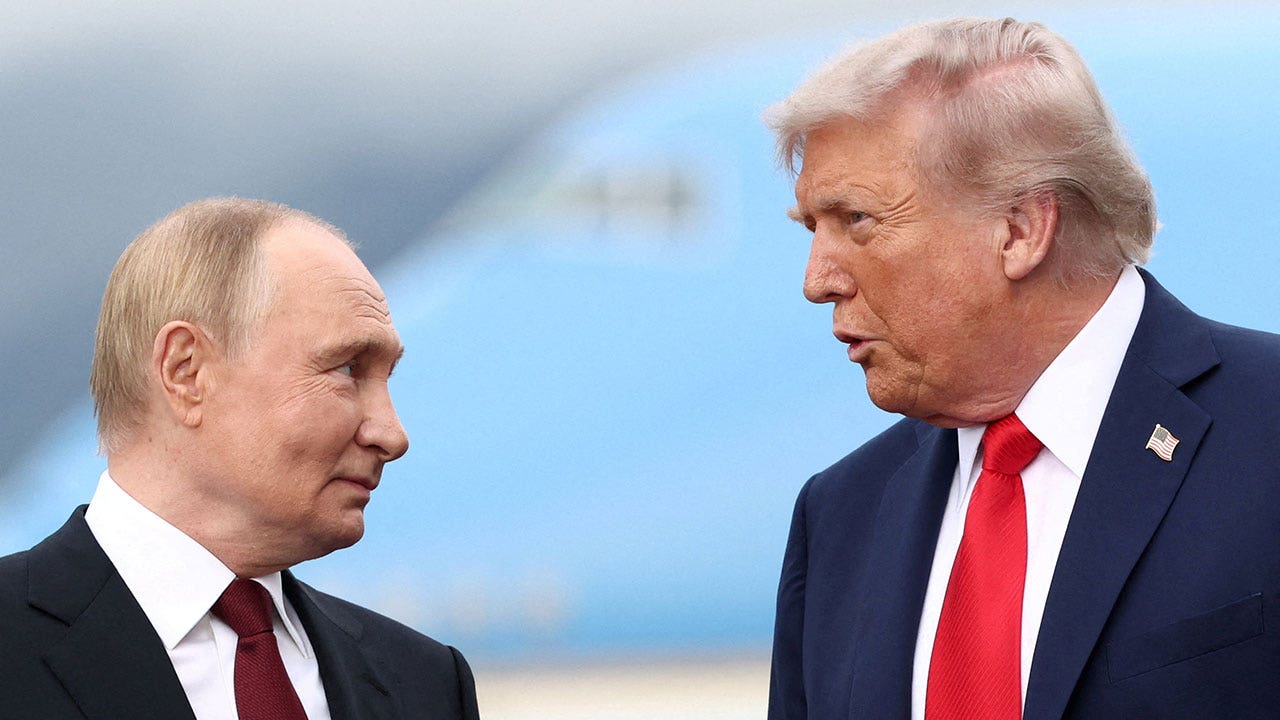
"It's going to be a big agreement and it's going to involve more than Ukraine," Trump said after meeting Russian presidential envoy Kirill Dmitriev at the White House last week.
asserted
Trump → go → House
He said that deal might include all of Europe.
uncertain
deal → say → Europe
But what he meant by "all of Europe" was not clear.
asserted
meant → mean → Europe
US envoy Jared Kushner also wrote that Europe and Russia had struggled to establish a sustainable security framework for more than 30 years.
asserted
Europe → write → years
Kushner said he was looking at a "broader" European architecture before he flew to meet with Russian and Ukrainian representatives in Abu Dhabi.
asserted
he → say → Dhabi
European diplomats immediately pushed back on Washington's approach to secure a peace deal in Ukraine because they feared that a peace settlement could restore Russia's sphere of influence and undermine NATO.
"We already have European security architecture in place.
uncertain
We → push → place
NATO and the European Union both have their respective roles.
asserted
NATO → have → roles
We must make sure Ukraine is integrated into this architecture," said Kaja Kallas, the European Union's foreign policy chief.
asserted
Kallas → make → architecture
The issue with revising Europe's postwar security framework
Russia made clear during talks in Abu Dhabi earlier this week that they were keen to discuss a broader European security framework before tackling the specifics of the war.
asserted
were → revise → war
"Phrases about the European security architecture are certainly Russian talking points and not only talking points but, to a degree, part of a media propaganda effort that Russia makes to frame the war as it wishes to frame the war," said Michael Kimmage, a historian of the Cold War.
asserted
Kimmage → make → War
Russian leaders, including Vladimir Putin, have long alleged that the US and NATO repeatedly violated pledges they made in the early 1990s not to expand the alliance into the former Soviet bloc.
asserted
they → include → bloc
They have seen NATO's enlargement during this period as having put them in a humiliating position in which they could do very little.
uncertain
they → see → little
At the same time, in the 1990s, the European project saw the birth of the European Union, the single market that ensured the free movement of goods and people across member states, the Schengen agreement for border-free travel, and the euro.
asserted
that → see → travel
The core idea was to extend peace across the continent.
asserted
idea → extend → continent
"Europe can mean so many things, but the European project was not designed for war.
asserted
project → mean → war
It was designed for peace," said Kimmage.
asserted
Kimmage → design → peace
During this period, there were even suggestions of Russia becoming a NATO member.
asserted
Russia → be → member
But that relative period of stability changed after Russia invaded Georgia in 2008, annexed Crimea in 2014 and launched its full-scale invasion of Ukraine in 2022.
asserted
Russia → change → 2022
"Russia wants to redraw all of this by force.
asserted
Russia → want → force
And I think that that's fundamentally unacceptable to Europe with all the diversity and variations that you get within the European landscape on what's acceptable and not acceptable.
asserted
what → think → landscape
I think the large-scale redrawing of borders by force is just not the European project," said Kimmage.
asserted
Kimmage → think → force
"So to the extent that the redrawing of borders by force is the lifeblood of Russian foreign policy, and I think that's a pretty easy case to make, Russia and Europe are at an impasse," he said.
asserted
he → think → impasse
What was to happen to Ukraine's security?
asserted
What → happen → security
The Trump administration very quickly turned to making sure that "existing European security institutions" would be intact, with Jared Kushner having said late Thursday that the next round of negotiations would include "our European partners."
Kushner, along with Steve Witkoff, flew to Moscow to talk to Putin after talks in Abu Dhabi.
asserted
Kushner → turn → Dhabi
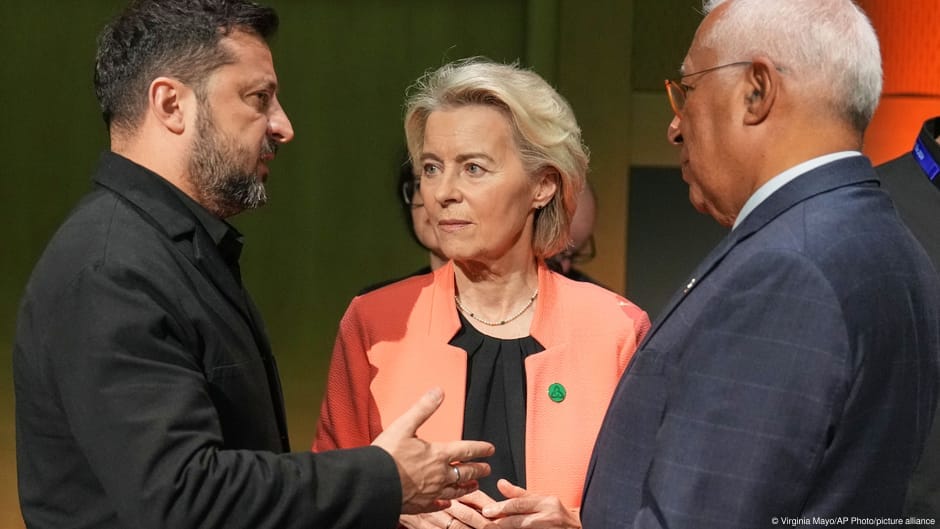
Then they flew to Dublin, Ireland, to meet with Ukrainian President Volodymyr Zelenskyy.
asserted
they → fly → Zelenskyy
Kushner had earlier Thursday signaled some "really incredible" postwar plans for Ukraine, saying that it could not be concluded without Europeans at the table.
"We should not allow a diktat from Russia that would result in some kind of neutralization or significant reduction in the military forces of Ukraine going forward, because that would make Ukraine very, very vulnerable to future aggression and pressure coming from Russia," said Hiski Haukkala, the director of the Finnish Institute of International Affairs.
uncertain
Haukkala → signal → Affairs
That would mean that Ukraine would also be completely dependent on the security guarantees that the US or Europeans are able and willing to provide.
asserted
US → mean → that
"We are supporting Ukraine because we are supporting international law and the basic norms of decency and international security when it comes to European security architecture.
asserted
it → support → architecture
And this is the vantage point from which we are operating," he said.
asserted
he → operate → which
The European Union has repeatedly pointed to some of the basic treaties that Russia broke, including:
- The UN Charter
- The Helsinki Act of 1975, which established the ten core principles of European security, including the non-use of force or threat against territorial integrity.
- The Charter of Paris for a New Europe that built on Helsinki commitments
- The Organization for Security and Co-operation in Europe (OSCE), which was one of the few multilateral security forums where the West and Russia engaged.
- The Budapest Memorandum of 1994 in which Russia, the US and the UK provided security assurances to Ukraine and others in exchange for them giving up their nuclear weapons.
"
asserted
them → point → weapons
Russia walked away from these principles and smashed them to pieces in the process.
asserted
Russia → walk → process
And they are not interested in reinstating the previous security architecture order.
asserted
they → reinstate → order
They want something different in its stead.
asserted
They → want → stead
And as long as this is not on the table, the Russian form of negotiation is to wage war.
asserted
form → wage → war
War is a form of bargaining," Haukkala said.
asserted
Haukkala → say → bargaining
"And they are signaling strategic intent to change the makeup of European security, to subdue Ukraine and to change the very essence of European security," he added.
asserted
he → signal → security
Daniel Fried, a former assistant secretary of state for European Affairs in the George W. Bush administration, said Russia is very good at sticking to its demands.
asserted
Russia → say → demands
He said Russians know how to negotiate and "right now, they are not negotiating," referring to talks in Abu Dhabi.
asserted
they → say → Dhabi
…and 6 more, not listed.
 The Aporia