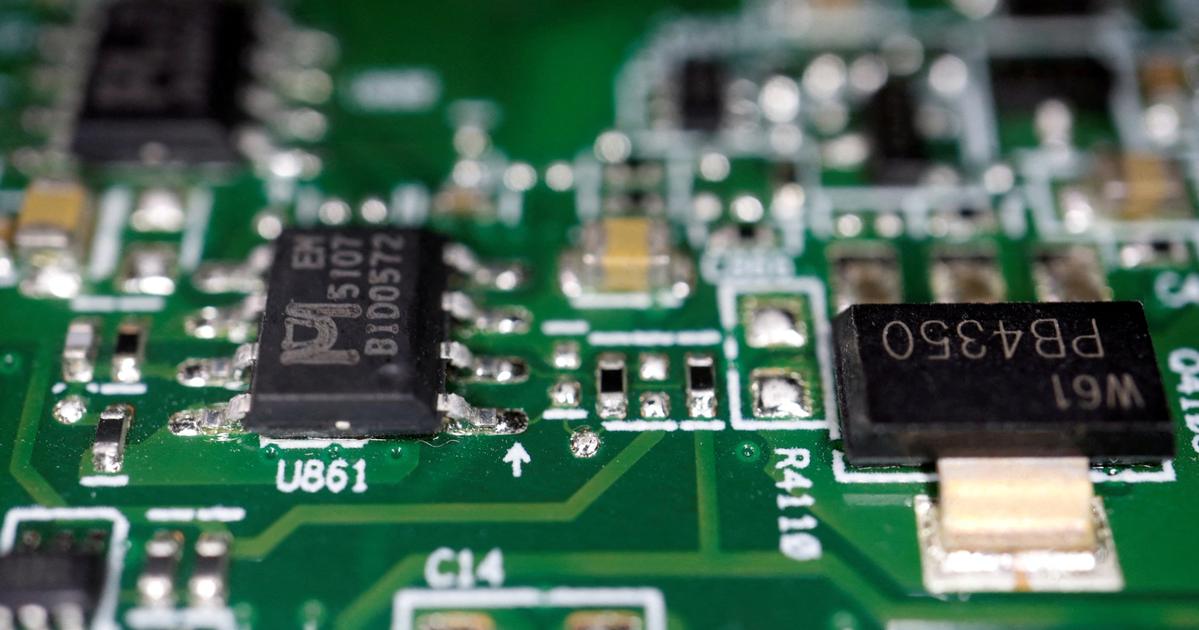
China may have discovered a remarkably effective way around America’s restrictions on advanced artificial intelligence chips: obtain the processors through ostensibly legitimate companies in Singapore and Malaysia, exploit weaknesses in American export enforcement, and use personal relationships to influence the leadership of the world’s most important AI chipmaker.
uncertain
China → discover → chipmaker
The unfolding Nvidia scandal raises the possibility that an elaborate Chinese intelligence operation came dangerously close to succeeding.
asserted
operation → unfold → possibility
Indeed, some of the technology may already have reached Chinese customers.
uncertain
some → reach → customers
Congress and the CIA will have to establish how much China got away with and who helped them defeat America.
asserted
them → have → America
The most troubling unanswered question concerns approximately 50,000 Nvidia processors whose locations could not be reconciled with the company’s reported inventory records.
uncertain
locations → concern → records
Nvidia later said it located hardware in additional warehouses, but full public reconciliation and independent verification of final locations remained unknown.
asserted
reconciliation → say → locations
Nvidia’s H100, H200, and newer Blackwell-family processors are among the most strategically important technologies underlying modern artificial intelligence.
asserted
processors → underlie → intelligence
They help train the advanced models that can transform military intelligence, cyberwarfare, scientific research, autonomous weapons, and economic competition.
asserted
that → help → intelligence
President Trump has spent years restricting Chinese access to the most advanced versions of these technologies.
asserted
Trump → spend → technologies
Yet China’s intelligence services and commercial intermediaries may have identified weaknesses in precisely the system designed to keep them out.
uncertain
services → identify → them
At the center of the controversy is Alice Huang, also known as Huang Le, a Chinese businesswoman associated with Megaspeed International, a Singapore-based company acquiring Nvidia processors for cloud-computing operations.
asserted
Huang → know → operations
According to reporting by The New York Times, American intelligence concluded that Alice Huang had been recruited by China’s Ministry of State Security, the powerful civilian intelligence organization responsible for foreign espionage and counterintelligence and advanced technology theft.
uncertain
Huang → accord → espionage
That assessment deserves serious attention.
asserted
assessment → deserve → attention
The MSS has a long history of seeking valuable foreign technology, political intelligence, and relationships with influential individuals.
asserted
MSS → have → individuals
American intelligence officers reportedly identified concerns about Huang’s activities and her relationship with Nvidia’s founder, Jensen Huang.
uncertain
officers → identify → founder
This American intelligence work may ultimately prove more consequential than the surrounding corporate scandal.
uncertain
work → prove → scandal
The individuals who uncovered the suspected operation have not been publicly identified.
asserted
who → uncover → operation
Their discovery nevertheless illustrates the importance of counterintelligence: detecting foreign activities that may be deliberately concealed behind ordinary commercial relationships.
uncertain
that → illustrate → relationships
The public record does not yet establish whether Alice Huang actually transferred Nvidia secrets to Chinese intelligence, whether Jensen Huang knowingly assisted any intelligence activity, or whether their romantic relationship directly influenced illegal chip shipments to China.
asserted
relationship → establish → China
How the Export-Control Loophole Worked
The apparent weakness involved the distinction between selling advanced processors directly to China and selling them to companies operating data centers elsewhere in Asia.
asserted
weakness → work → Asia
Singapore and Malaysia have developed substantial cloud-computing industries.
asserted
Singapore → develop → industries
Companies in these countries can legitimately purchase American technology, install processors in data centers, and rent computing capacity to customers worldwide.
asserted
Companies → purchase → customers
For China, that arrangement potentially presents two opportunities.
asserted
arrangement → present → opportunities
First, processors ostensibly destined for facilities outside China might subsequently be physically diverted to Chinese customers.
uncertain
processors → destine → customers
Such unauthorized reexports could violate American export restrictions.
uncertain
reexports → violate → restrictions
Second, Chinese companies might obtain access to advanced American processors without importing the physical chips at all.
uncertain
companies → obtain → chips
They could instead rent computing capacity in overseas data centers.
uncertain
They → rent → centers
Reuters reported on November 12 that Chinese AI companies were seeking additional overseas Nvidia computing capacity amid fears that Washington might close this regulatory gap.
uncertain
Washington → report → gap
This loophole is strategically significant: China might gain access to restricted American computing power while leaving the processors physically outside Chinese territory.
uncertain
China → gain → territory
This second method is not necessarily illegal under existing regulations.
asserted
method → exist → regulations
It exposes a distinction between controlling the shipment of advanced processors and controlling who ultimately benefits from their computing power.
asserted
who → expose → power
Perhaps the most disturbing disclosure concerns the discrepancy between Nvidia’s reported sales to Megaspeed through hardware partners and the inventory identified during subsequent examinations.
asserted
disclosure → concern → examinations
Bloomberg reported a discrepancy of roughly 50,000 processors between Nvidia’s initial government tally and shipments made through hardware partners.
asserted
Bloomberg → report → partners
While Nvidia subsequently said it found hardware during inspections of additional Megaspeed warehouses, the company has not publicly disclosed exact counts—leaving open whether every processor can be accounted for and verified against unauthorized diversion to China.
asserted
processor → say → China
The question Congress must resolve is not simply whether an accounting discrepancy occurred, but whether the processors can be physically identified, their serial numbers verified, and their locations traced.
asserted
locations → resolve → ?
A November 11 letter from Senators Elizabeth Warren and Christopher Coons stated that Megaspeed had purchased more than $4.8 billion in advanced Nvidia AI chips since June 2024.
asserted
Megaspeed → state → June
Did American Authorities Fail to Act?
asserted
Authorities → fail → ?
An especially troubling aspect of the scandal concerns the American government’s handling of the investigation.
asserted
aspect → concern → investigation
Bloomberg and The New York Times reported that Nvidia representatives communicated with senior Commerce Department officials while investigators examined Megaspeed’s activities.
asserted
investigators → report → activities
Questions have subsequently emerged about whether enforcement inquiries were delayed, restricted, or transferred between government agencies.
asserted
inquiries → emerge → agencies
…and 18 more, not listed.
 The Aporia