UN hails progress in Ebola response, cites insecurity as biggest challenge
Six months since the outbreak was declared in Congo, response teams are struggling to get ahead
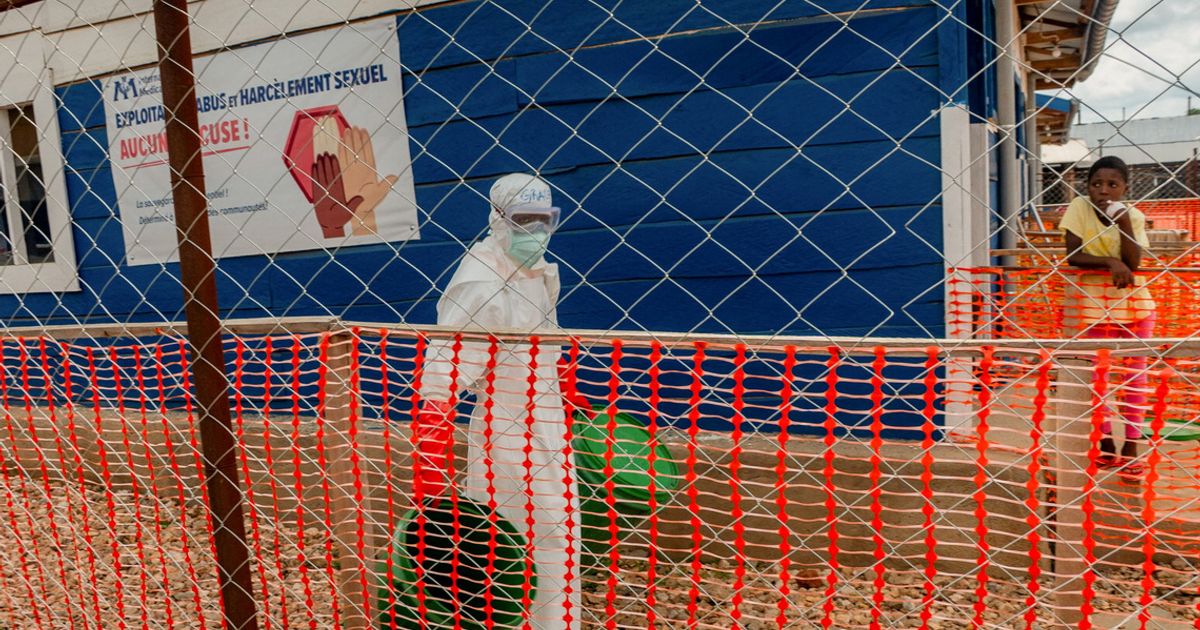
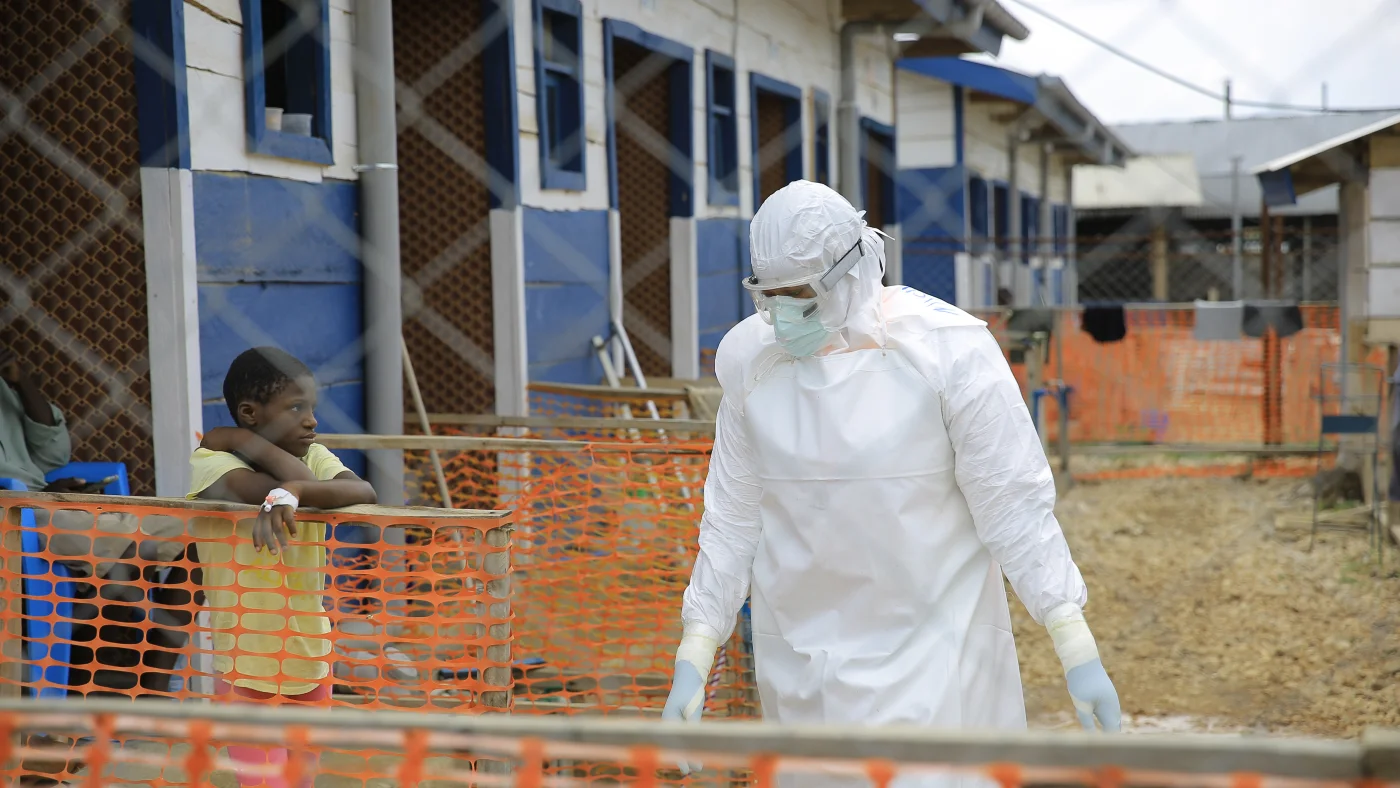
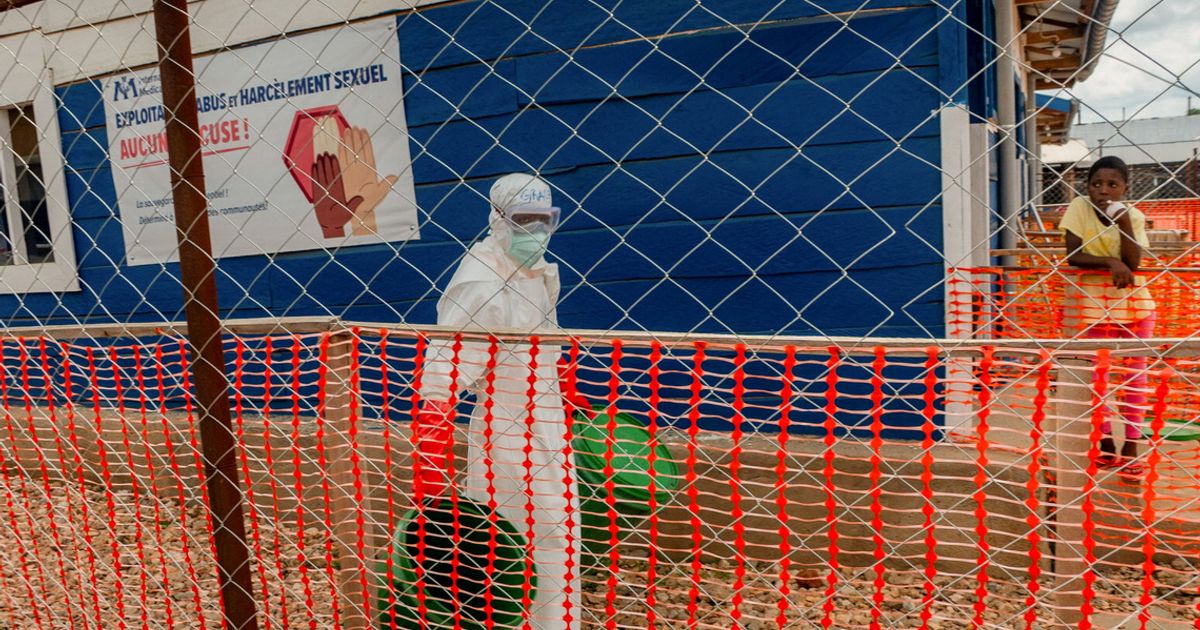
United Nations health officials on Friday hailed progress in the Ebola response six months after the outbreak first prompted global concerns, but cautioned that the disease continues to spread to more remote and dangerous parts of Congo.
asserted
disease → hail → Congo
With the number of confirmed cases now surpassing 11,100, the outbreak is the second-worst for Ebola on record and has spread to parts of east, central and west Africa.
asserted
outbreak → confirm → Africa
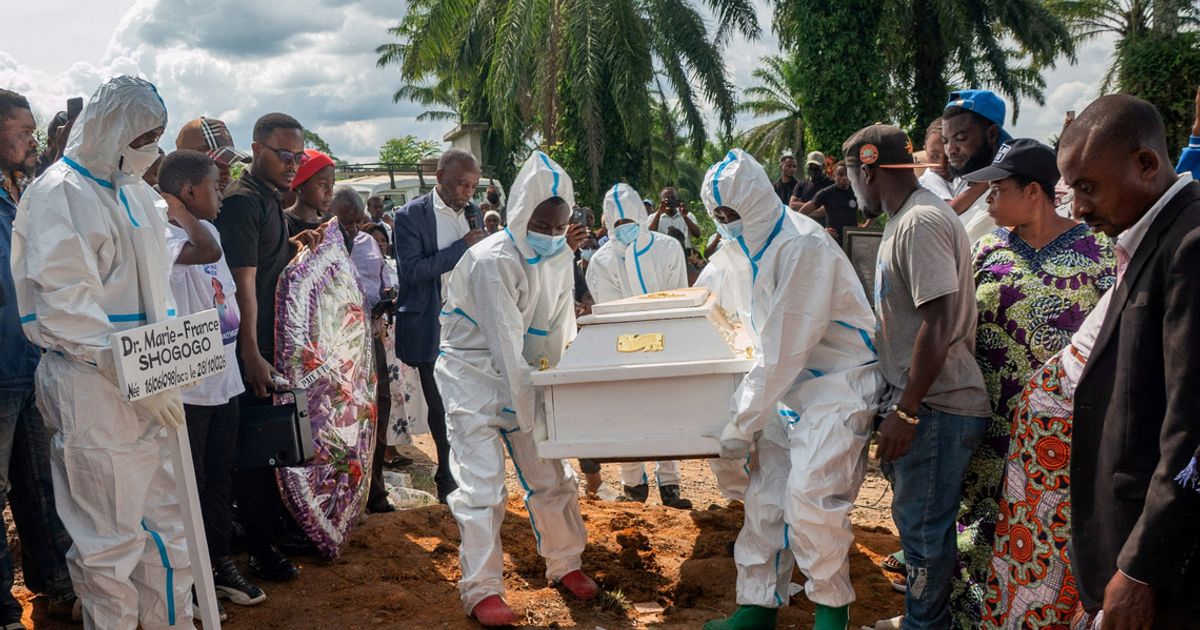
More than 5,400 people have died so far, according to the Africa Centres for Disease Control and Prevention (Africa CDC).
uncertain
people → die → Control
Flagged by health authorities in mid-May, the outbreak is driven by the rare Bundibugyo species of the virus, for which there are no approved treatments or vaccines.
uncertain
outbreak → flag → which
"We do see encouraging signs," said Chikwe Ihekweazu, head of the World Health Organization's Health Emergencies Programme, citing falling cases in former hotspots like Bunia in eastern Democratic Republic of Congo.
"
asserted
Ihekweazu → see → Congo
But what we have seen now is the emergence of cases in more rural and more difficult-to-reach areas."
asserted
seen → see → areas
Congo's Ebola outbreak tops 11,000 cases as disease keeps spreading
1 in 4 Ebola deaths are children in Democratic Republic of Congo's worst outbreak
- Exclusive
'No one is safe' as Ebola outbreak surges to more than 10,000 cases, Africa's top doctor warns Canada
He added that children account for more than one third of deaths while transmission continues with up to 500 cases reported every week.
"The biggest challenge the response faces right now is the rising insecurity," he said, citing WHO data showing 80 attacks on health sites and workers so far.
asserted
he → top → sites
"Violence restricts our access to people in need of help.
asserted
Violence → restrict → help
It disrupts surveillance, it disrupts treatment and forces people to move, disrupting their access to care," said Ihekweazu.
asserted
Ihekweazu → disrupt → care
An attack last week by a rebel armed group in North Kivu killed 66 civilians including three health workers.
asserted
attack → kill → workers
Three health facilities were also looted and burned and more than 1,000 contacts that were being monitored were lost to followup after the violence.
asserted
that → loot → violence
Three patients confirmed to have Ebola are also unaccounted for.
asserted
patients → confirm → Ebola
Congolese civilians carry their belongings as they flee following an attack by Islamic State-linked militants, who burned homes, a health post and other buildings, in Cantine-Aloya, Democratic Republic of Congo, on Nov. 6.
asserted
who → carry → Nov.
"We need an urgent halt in hostilities and violence," said Dr. Marie Belizaire, an emergency director with the WHO during a briefing.
asserted
Belizaire → need → briefing
Belizaire says the ongoing violence puts any progress made over the past six months at risk.
asserted
violence → say → risk
"Health workers and humanitarian teams need to be able to reach affected communities safely and patients will be able to seek care without fear," she said.
asserted
she → need → fear
Since the outbreak was declared on May 15, Ebola has spread across eight provinces.
uncertain
Ebola → declare → provinces
Africa CDC says there has been some progress.
asserted
CDC → say → ?
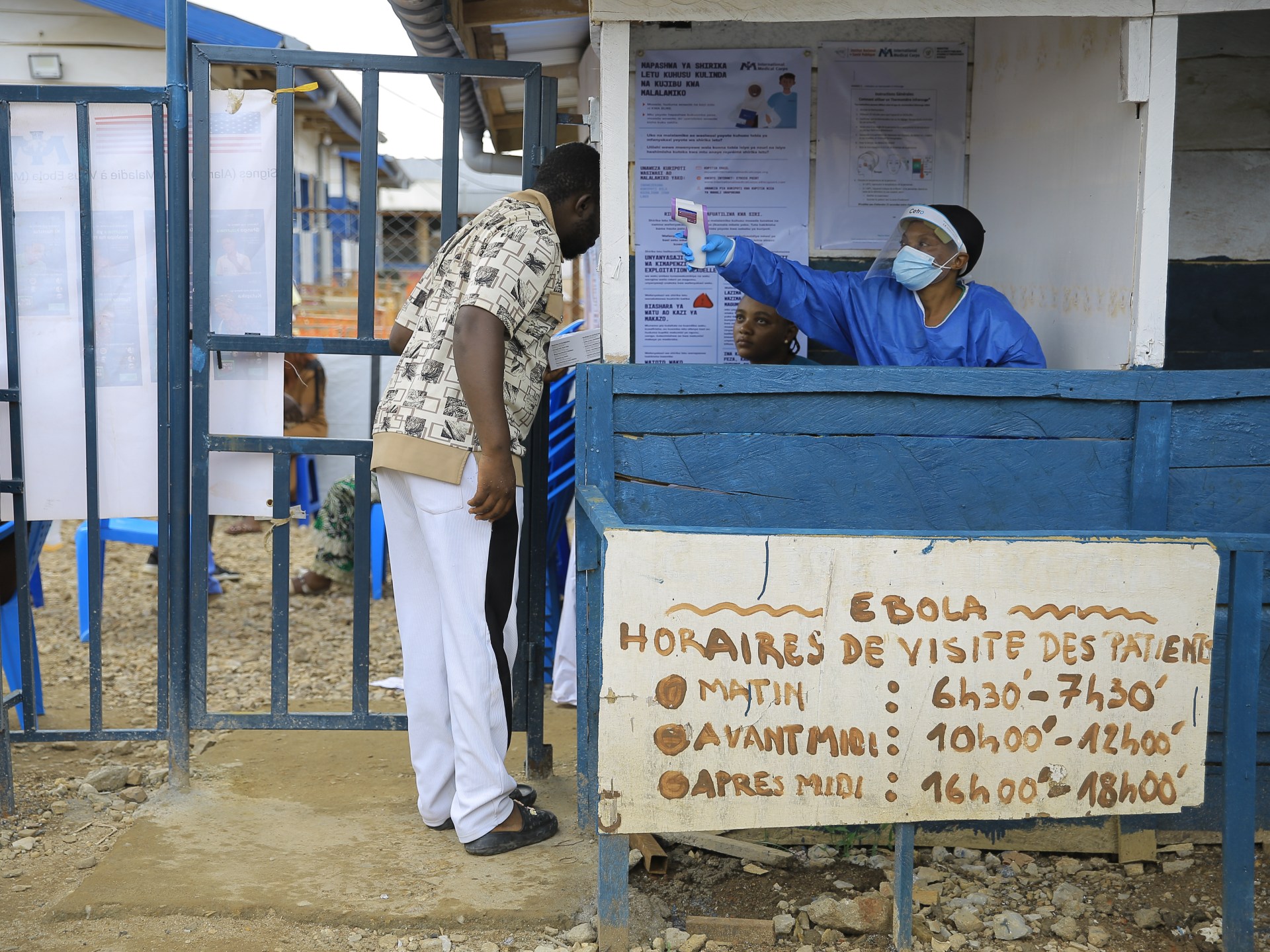
Laboratory testing capacity and patient beds have significantly scaled up.
asserted
capacity → scale → ?
Initially there were only two labs available and now 30 testing labs are up and running across the affected health zones.
asserted
labs → be → zones
"At the beginning of this response, we were only able to do testing for dozens of cases — with the capacity now for more than 4,300 samples per day," said Dr. Wessam Mankoula, a medical epidemiologist with the Africa CDC.
asserted
Mankoula → do → CDC
There are also 2,000 beds for patient admission and more than 3,000 people have recovered from Ebola.
asserted
people → be → Ebola
However, in a briefing, Mankoula said having more beds and testing will not control the outbreak.
asserted
having → say → outbreak
Dr. Toussaint Selemani, head of medical activities at the Ebola Treatment Center of the Kitatumba Reference Hospital, talks to his medical colleagues in Butembo in October.
asserted
Selemani → talk → October
"Surveillance is a big challenge — identifying all possible contacts," he said.
asserted
he → identify → contacts
Only 11 per cent of new cases are coming from contact lists and nearly two thirds of deaths are still occurring outside of health centres.
asserted
thirds → come → centres
In a briefing, Africa CDC says according to its tracking, $3 billion US has been pledged to help with the crisis but only 45 per cent has been disbursed.
uncertain
cent → say → crisis
Help is not reaching those who need it most, according to French medical charity Doctors Without Borders, pointing to untrained and unpaid staff, ambulances without fuel and a lack of surveillance teams and supplies to safely manage suspected cases.
uncertain
who → reach → cases
"Despite the vast amounts of money provided for the response, many front-line responders are left trying to contain the outbreak with empty hands and empty pockets," Dr. Javid Abdelmoneim, international president for Doctors Without Borders, said on Thursday.
asserted
Abdelmoneim → provide → Thursday
"Our teams are often left speechless by the dysfunctions they witness in many areas.
asserted
they → leave → areas
Doctors Without Borders called on the Congolese government and UN agencies, which include the World Health Organization, to ensure the resources that have been mobilized translate into support on the ground.
asserted
that → call → ground

 The Aporia