While the results of the recent Toronto election determined who won and lost, they may also reveal early signs of a tectonic power shift happening in the city.
uncertain
they → determine → city
It’s one that could upset the status quo and even ruffle some feathers long accustomed to being the centre of attention.
uncertain
that → ’ → attention
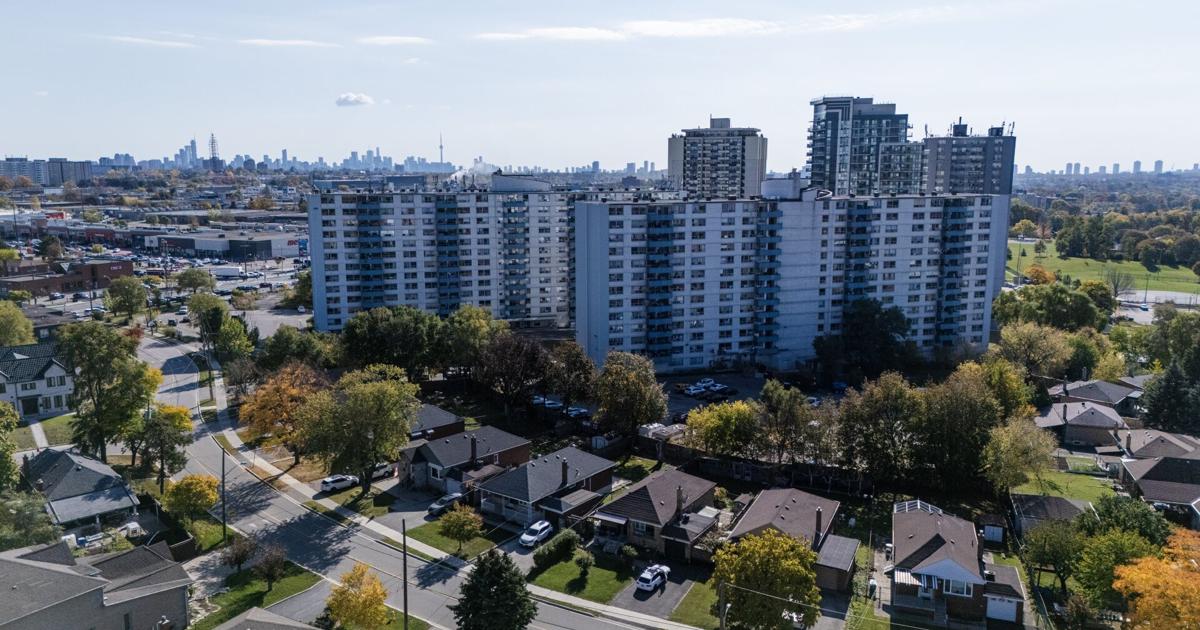
Apartment dwellers have some power.
asserted
dwellers → have → power
It’s a change present and would-be leaders should pay attention to.
asserted
leaders → ’ → attention
Historically, political power in Toronto has been held by house owners.
asserted
power → hold → owners
Whether a detached, semi-detached or townhouse, people who live in them have had the ear and attention of politicians.
asserted
who → detach → politicians
Whether rental or condominium ownership (in Europe they just call them “flats” regardless of tenure), they have long been ignored and overlooked politically.
asserted
they → call → tenure
Transcripts from council meetings a century ago show routine bias against people who lived in apartments.
asserted
who → show → apartments
It’s why, relative to other places, Toronto doesn’t have a lot of pre-war walk-ups.
asserted
Toronto → ’ → ups
Today, hostility toward adding apartments in neighbourhoods, even in the form of harmless sixplexes, is an evolution of that sentiment.
asserted
hostility → add → sentiment
As is the familiar, snobby disdain toward people who live in condos: cultureless people without community (“nobody knows their neighbours” and other myths).
asserted
nobody → live → neighbours
In 2014, I went for long walks with candidates running for city council while researching my book on local politics, ”Frontier City: Toronto on the Verge of Greatness.”
asserted
I → go → Greatness
One young candidate getting assistance from seasoned political operators was told not to bother canvassing lower-income buildings because “those people don’t vote.”
asserted
people → get → buildings
It was shocking to hear, but revealed how Toronto works.
asserted
Toronto → hear → ?
There are people of all kinds who don’t vote, regardless of where they live, of course.
asserted
they → be → course
That a lot of newcomers who’ve not yet attained Canadian citizenship, prevented from voting locally, live in apartments certainly contributes to lower voting rates there, but disenfranchisement comes in many forms.
asserted
disenfranchisement → attain → forms
The term “landed gentry” is hundreds of years old but something that has never really left us and isn’t new: people owning property have local power.
asserted
people → leave → power
Resident associations have sometimes called themselves “ratepayers,” a not-so-subtle emphasis of property owners who get tax bills, never mind that renters pay the same tax (sometimes even higher) — it’s just built into their rent and invisible.
asserted
it → call → rent
However, as the Star reported after the election, half of Toronto rents and the new crop of councillors reflects that more than previous house-owning ones.
asserted
rents → report → ones
It’s rare to have renter issues so front and centre, and it likely contributed to her commanding win.
asserted
it → ’ → win
Unlike that political operative in 2014, a politician speaking directly to a neglected portion of the electorate can engage them and spark real if latent support.
asserted
politician → speak → support
Drilling down into the poll-by-poll data, Chow was strong in areas with heavy concentrations of multi-unit residential buildings.
asserted
Chow → drill → buildings
Liberty Village, the downtown core, Yonge and Eglinton and along Yonge Street in North York are just some of the apartment-heavy clusters she won.
asserted
she → win → clusters
Isolated in a dense pocket grossly underserved by transit, it was here perhaps that Bradford’s disgruntled message resonated (a wise politician will get these folks a GO Station at Park Lawn — stat).
asserted
politician → isolate → Lawn
In Etobicoke-Lakeshore, incumbent councillor Amber Morley won polls in the apartment clusters along Bloor Street between Islington and Kipling as well as Humber Bay shores — doing better than Chow did in that area.
asserted
Chow → win → area
In York South—Weston, Chiara Padovani ousted longtime incumbent Francis Nunziata, winning apartment-heavy polls along Weston Road and around the Eglinton Flats.
asserted
Padovani → oust → Flats
That’s not to say there wasn’t support throughout their wards — it’s hard to win without some broad-based support — but such areas helped put these candidates over the top.
asserted
areas → ’ → top
Still, house owners continue to wield a lot of power across the city.
asserted
owners → continue → city
This was especially true in Scarborough North where Shaun Chen defeated incumbent Jamaal Myers on a NIMBY platform opposing sixplex apartment buildings.
asserted
Chen → defeat → buildings
Despite the resistance, we are becoming a city of flat dwellers, where more people are living in apartments, rental or otherwise.
asserted
people → become → apartments
Very few new houses can fit in Toronto, so the only way the city grows and maintains affordability is by adding multi-unit residential buildings.
asserted
city → fit → buildings
All-powerful resident associations will have to court these folks more than they have, and start to represent their concerns.
asserted
they → have → concerns
A smart politician will also heed this.
asserted
politician → heed → this
Some elections may still be won by ignoring or even being anti-apartment, but they’ll likely become the exception.
uncertain
they → win → ?
 The Aporia