The National Cyber Crime Investigation Agency (NCCIA) on Saturday warned that loopholes in the existing system are being exploited by illegal call centres, online betting operators and international fraud networks to launder money and trap victims.
asserted
loopholes → warn → victims
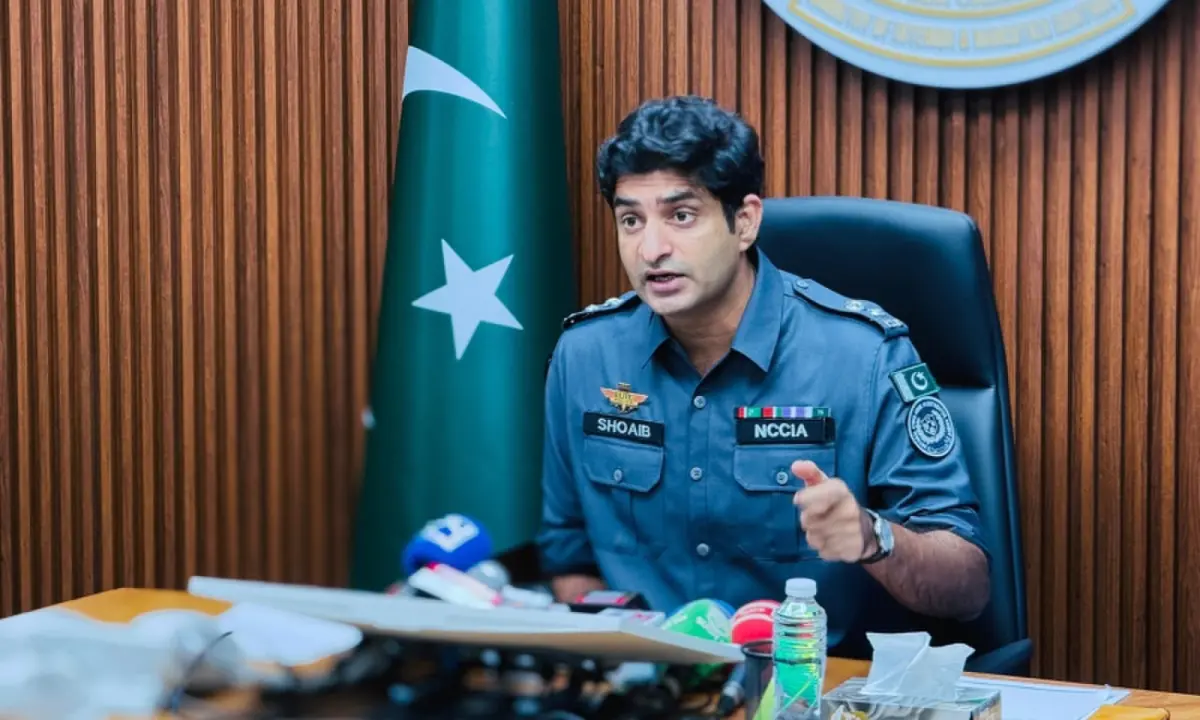
Addressing a press conference, NCCIA (Islamabad/Rawalpindi) Additional Director Muhammad Shoaib Khan said fake companies were being registered with weak verification, after which bank accounts opened in their names were integrated with loan apps, betting and gaming portals to receive and transfer illicit funds.
asserted
accounts → address → funds
Therefore, he called for stricter rules on company registration and bank account verification.
asserted
he → call → registration
The press conference was primarily called to warn educated youths against becoming involved in cybercrime by joining illegal call centres in pursuit of lucrative salaries, urging those seeking jobs with call centres to ask their employers where they are registered and appealing to parents to check whether their children were working at an illegal call centre carrying out scams, fraud or other illicit activities.
“Ask them what documents the company has, what registration it operates under, which company they work for, which company is providing the loans, where the money is coming from and who is putting money into these applications,” Khan said.
asserted
Khan → call → applications
Acknowledging that young people and university students were engaging in such jobs because the salaries were higher than average, he noted that they risked ending up becoming part of the entire trap and operation.
asserted
they → acknowledge → trap
“If your son or daughter is arrested in such an operation, the FIR (first information report) becomes part of their record.
asserted
FIR → arrest → record
Tomorrow, when they need a character certificate or apply for a government job, that record can affect them,” the NCCIA officer warned.
asserted
officer → need → them
He said the issue concerns merchant accounts provided by banks and the accounts into which money is deposited.
asserted
money → say → which
A bank account is linked to a company that may already have been registered despite weaknesses in proper verification, standard operating procedures or the Know Your Customer (KYC) process.
uncertain
that → link → verification
“After the company has been registered, the bank opens an account for it.
asserted
bank → register → it
The operators then take that company’s bank account and integrate it with their online betting or gaming portal,” Khan said, adding that the NCCIA team is working on recommendations to these institutions so that they improve their checking systems.
asserted
they → take → systems
The additional director said the agency already raised the issue with senior officials at the policy level, and loopholes identified during investigations and interrogations are brought to light so they can be addressed.
asserted
they → say → light
He said the NCCIA wants to address cases where one-person companies or similar companies were registered and their bank accounts were subsequently used in this way.
asserted
accounts → say → way
Meanwhile, Khan said that the NCCIA identified the role and other details of each individual involved: who used which computer, what their role was, the extent of their involvement, who trapped victims, made the calls and edited the material.
“We do not treat everyone as having played the same role.
asserted
We → say → role
After establishing those roles, we prepare the proper FIR and proceed accordingly,” he explained.
asserted
he → establish → FIR
The NCCIA additional director noted the agency raided two call centres in the Islamabad-Rawalpindi Zone over the past three days.
asserted
agency → note → days
In the Rawalpindi raid, 11 people, including 10 women, were arrested, while in the Islamabad raid, 143 people were arrested, including 43 women.
asserted
people → include → women
He said the centres were carrying out transnational scams and fraud, targeting countries in South Asia.
asserted
centres → say → Asia
Explaining the modus operandi, he said the two centres in the latest raids worked differently.
asserted
centres → explain → raids
At the Rawalpindi centre, an elaborate setup posing as the police had been created.
asserted
setup → pose → police
The operators would offer loans, and when it was time to recover the loans — or when they had trapped someone and wanted to extract money — they would call and scam that victim.
asserted
they → offer → victim
The suspects would tell a person that they were either being surveilled or on a hit list.
asserted
they → tell → list
Once someone fell into their trap, they would transfer the person to a setup made to look like the police in Bangladesh, put the victim in contact with someone posing as a police officer and then extort money.
asserted
they → fall → money
At the Islamabad centre, they worked in layers; first, they trapped the victim and convinced them to install an application on their mobile phone.
asserted
they → work → phone
Once it was installed, they obtained access to the person’s photo gallery.
asserted
they → instal → gallery
After accessing the gallery and obtaining a selfie, they would issue a loan for a minimal amount.
asserted
they → access → amount
But their real target was to collect the person’s credentials: mobile number, personal information and other data.
asserted
target → collect → credentials
They also obtained information about close family members whom the borrower had identified as guarantors, such as a wife, father, brother, cousin or other family members named as next of kin.
asserted
borrower → obtain → kin
Once they had collected all these credentials, the case would be passed to senior members.
asserted
case → collect → members
When they had extracted all of the money they could from someone, they would wipe out that person’s account and close the case.
uncertain
they → extract → case
The second method was to take a person’s selfie and other pictures from their phone gallery and edit them into pornographic material, using the person’s face in what appeared to be a professional manner.
asserted
what → take → face
They would then start threatening, harassing and blackmailing the victim.
asserted
They → start → victim
“Even though the resulting pictures might have been fabricated, the threats were still effective.
uncertain
threats → result → ?
The victim would be under tremendous pressure, fearing that the images would reach their community or family.
asserted
images → fear → community
Under that pressure, the person would start paying money,” Khan said.
asserted
Khan → start → money
He said the scammers extracted personal information in the name of loans, manipulated it and used it against the victims, or created sexual content depicting the victim and extracted money through harassment and blackmail.
asserted
scammers → say → harassment
Responding to a question about alleged masterminds, Khan said they were present at every call centre and also arrested.
asserted
they → respond → centre
After that, the agency would investigate local facilitators, including whoever rented out the building, those who made the arrangements and connections and those who set up the operation through a fake company.
asserted
who → investigate → company
“We also trace the people who pay the bills and pursue those involved.
asserted
who → trace → those
Then we work at the transnational and international level.
asserted
we → work → level
…and 32 more, not listed.
 The Aporia