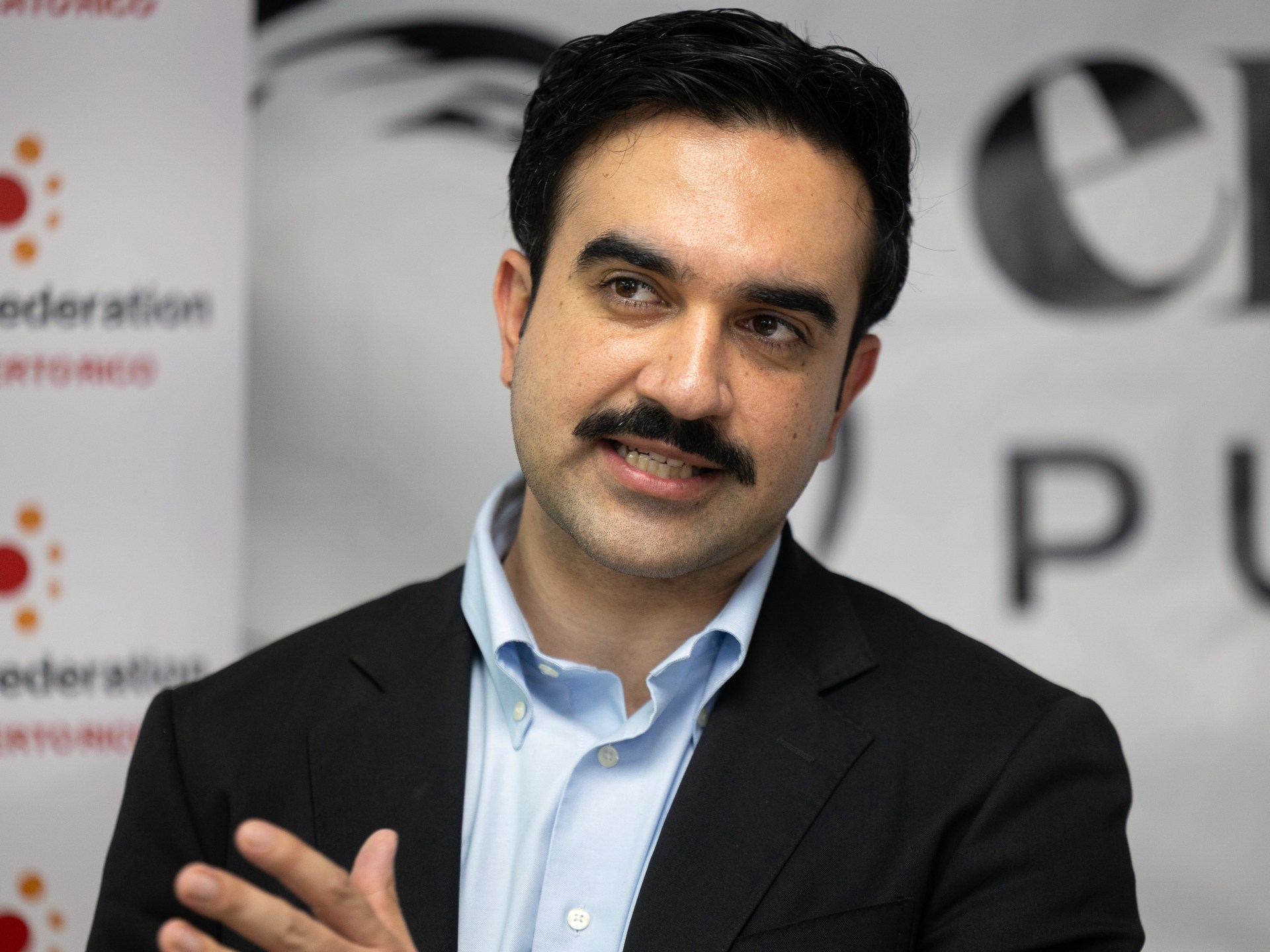
In the wake of Jensen Huang’s resignation as CEO of the artificial intelligence giant Nvidia, the company has brought in a new interim chief, Colette Kress, who has been with the company since 2013.
asserted
who → bring → 2013
Along with Kress, the AI bellwether appointed its first-ever board chair, Harvey Jones, a venture investor with three decades of tech industry experience.
asserted
bellwether → appoint → experience
Recommended Stories
list of 3 items- list 1 of 3Why did Nvidia CEO Jensen Huang resign, and who is Colette Kress?
- list 2 of 3Nvidia scandal: What’s next for the US tech company?
- list 3 of 3Microsoft says affected services fully recovered following worldwide outage
The changes mark a major overhaul of Nvidia’s corporate structure and leadership, which Huang has dominated since cofounding the AI chipmaker in 1993.
asserted
Huang → resign → 1993
A powerful figure in Silicon Valley, he stepped down on Thursday following reports of his affairs with a suspected Chinese intelligence operative and two employees that have drawn scrutiny from United States lawmakers, the company’s board and shareholders.
asserted
that → step → lawmakers
Despite the shakeup, the question remains how much of Nvidia’s nearly $4 trillion value was pegged to its longtime leader, who is synonymous with the company’s exponential growth.
asserted
who → remain → growth
Dan Ives, an analyst at Yorkville Ives, predicted that Nvidia’s value could decline 25 to 30 percent without Huang at the helm.
uncertain
value → predict → helm
Historically, executives across corporate America have been beholden to shareholders, who hold executives accountable.
asserted
executives → hold → shareholders
In Silicon Valley, however, companies have often been built around a founder’s vision – as was the case for Nvidia.
asserted
case → build → Nvidia
Why do tech companies put so much faith in their founders?
asserted
companies → put → founders
Analysts have long maintained that the success of companies like Nvidia hinges on the success and vision of their founder.
asserted
success → maintain → founder
A report from Bain and Company found that founder-led companies perform 2.1 times better than companies that are not led by their founders between 2015 and 2025, and when it comes to tech, that jumps to 2.6 times.
“When it comes to succession, the data shows that, as great as these founders are, it’s incredibly rare for their successors to do as well as the original founder.
asserted
successors → find → founder
So I wouldn’t necessarily call it a risk.
asserted
I → call → it
It’s simply the evolutionary life cycle of building a company,” Michael Monaghan, portfolio manager of Founders 100 ETF, told Al Jazeera.
asserted
Monaghan → ’ → Jazeera
Silicon Valley has long embraced this model, with companies such as Meta – Facebook and Instagram’s parent company – and Tesla built around the vision and personalities of their founders.
asserted
companies → embrace → founders
“It’s a common challenge among tech giants.
asserted
It → ’ → giants
You can ask: What does SpaceX look like without Elon Musk? What does Meta look like without Mark Zuckerberg?
asserted
Meta → ask → Zuckerberg
I think the same principle applies here, particularly in an emergency situation like this,” Xiaomeng Lu, director of geo-technology at the Eurasia Group, told Al Jazeera.
asserted
Lu → think → Jazeera
Musk came under scrutiny from the board at the electric vehicle maker as his attention was divided among a growing portfolio of businesses, which was a distraction from the company.
asserted
which → come → company
Musk’s increasingly public political activities with the administration of US President Donald Trump became a source of controversy for Tesla, with the company facing protests at its showrooms amid damage to its brand image and declining vehicle sales.
asserted
company → become → image
In the first quarter of 2025, Tesla deliveries fell 13 percent year over year to their lowest level in nearly three years.
asserted
deliveries → fall → years
Ultimately, Tesla’s board opted not to remove him.
asserted
board → opt → him
However, his other company made changes to its governance structure that made it essentially impossible for the board to fire him when SpaceX prepared to go public earlier this year.
asserted
SpaceX → make → him
Musk was expected to retain approximately 82 percent of SpaceX’s total voting power after the IPO, despite selling shares to outside investors, a move that gave him control of who sits on the board, a role that is supposed to oversee the CEO.
asserted
that → expect → CEO
The Texas-based aerospace giant wrote into its charter that removal requires approval from holders of its special class of shares, and because Musk owns the majority of those shares, he can veto his own firing.
asserted
he → base → firing
For Nvidia, Huang’s leadership often paid off.
asserted
leadership → pay → Nvidia
Nvidia invested heavily in graphics processing and helping build out data centre infrastructure amid a rapid expansion in the AI sector.
asserted
Nvidia → invest → sector
Nvidia has continued to make those kinds of investments.
asserted
Nvidia → continue → investments
Just this week, the company agreed to purchase $10bn worth of shares in a private placement ahead of Anthropic’s blockbuster IPO next week.
asserted
company → agree → IPO
Nvidia’s management structure was heavily centred around Huang.
asserted
structure → centre → Huang
He had dozens of executives reporting to him directly rather than operating within a more traditional hierarchical chain of command.
asserted
He → have → command
Under Nvidia’s bylaws, Huang could be removed by the 11-person board of directors “with or without cause”, as they hold a majority of votes.
uncertain
they → remove → votes
Unlike other tech giants, Huang does not have outsized control.
asserted
Huang → have → control
Huang owns about 3.6 percent of the company and does not have majority voting power.
asserted
Huang → own → power
Meta and Alphabet, for example, have special stock arrangements that give their founders more voting power than their actual ownership stakes would normally provide.
asserted
stakes → have → power
As a result, founders like Zuckerberg can maintain control over who sits on the board, which can make it more difficult for shareholders to challenge leadership decisions.
asserted
shareholders → maintain → decisions
This means that while Huang had enormous influence over Nvidia’s direction, he did not have the same formal voting control wielded by other major tech founders.
asserted
he → mean → founders
The company appointed Kress as its interim CEO.
asserted
company → appoint → CEO
She previously served as Nvidia’s chief financial officer.
asserted
She → serve → officer
What happens when a founder leaves?
asserted
founder → happen → ?
Historically, when a founder leaves, it hurts the direction of the company and can sway its competitive advantage in the market, and it has happened several times in corporate history.
asserted
it → leave → history
…and 15 more, not listed.
 The Aporia