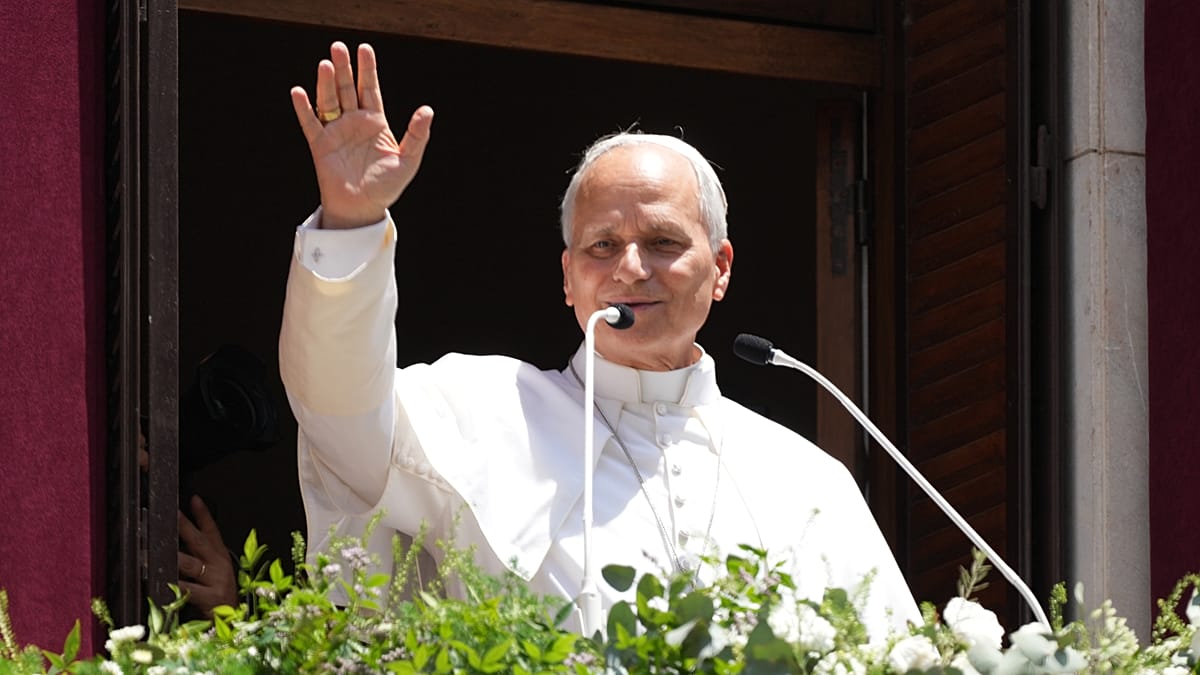
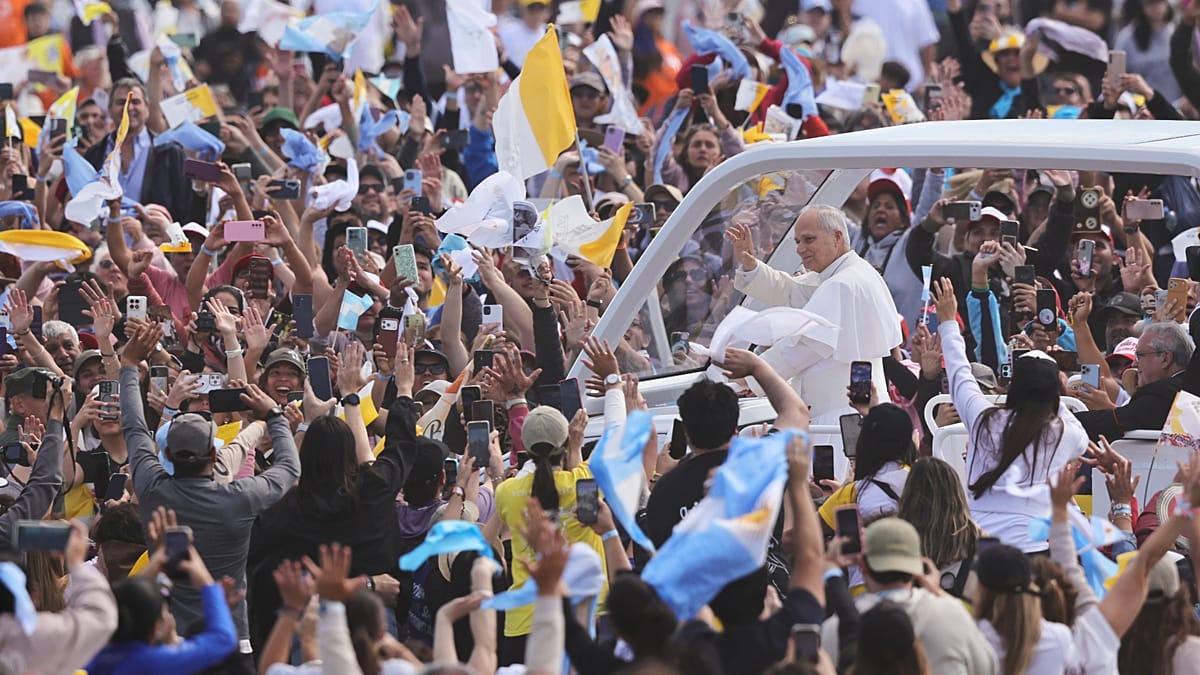
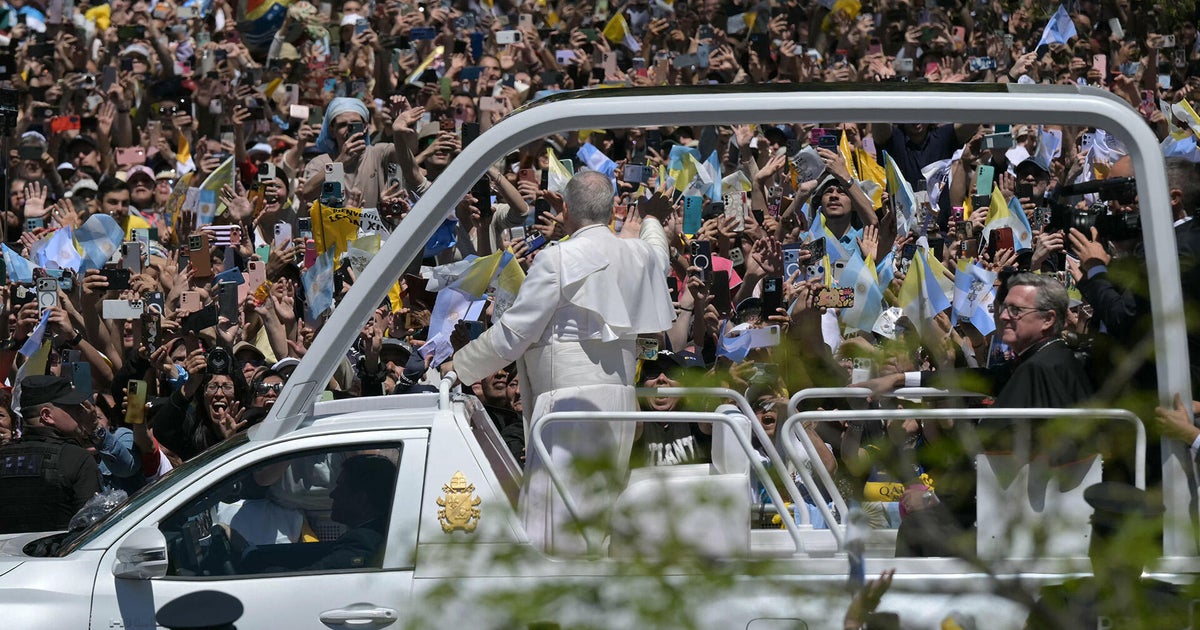
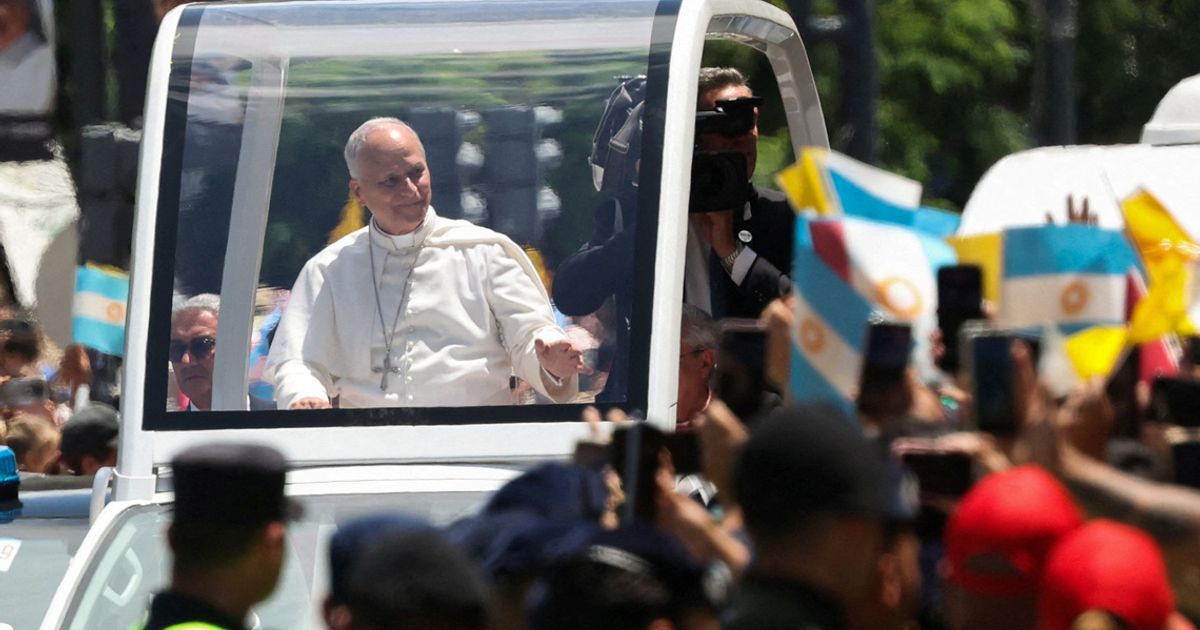
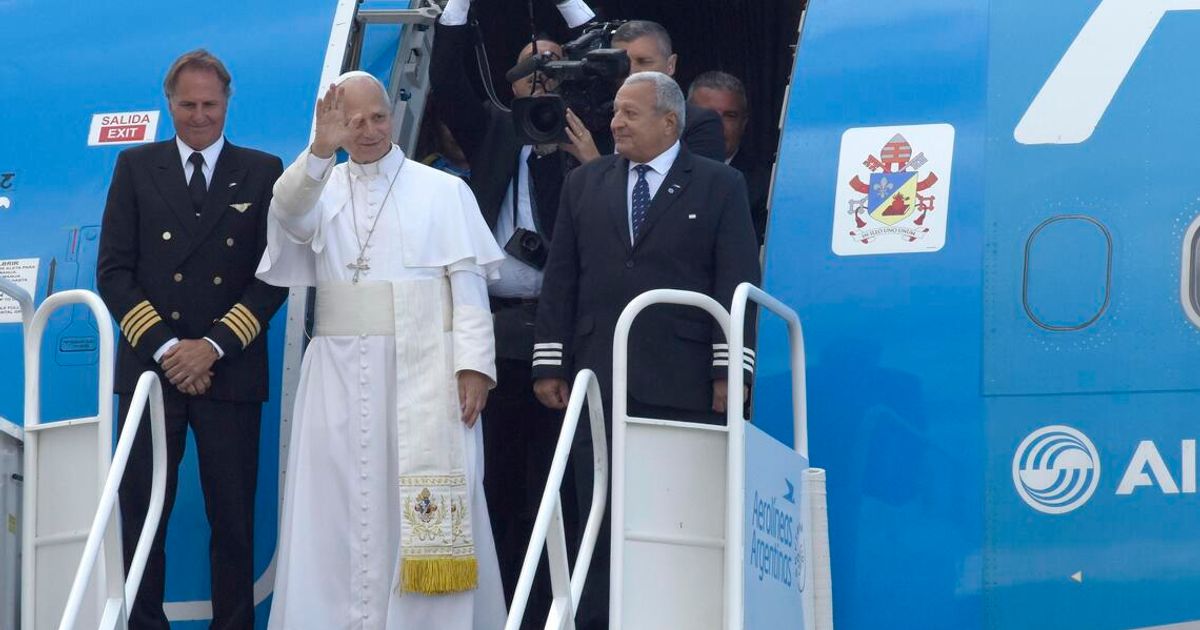
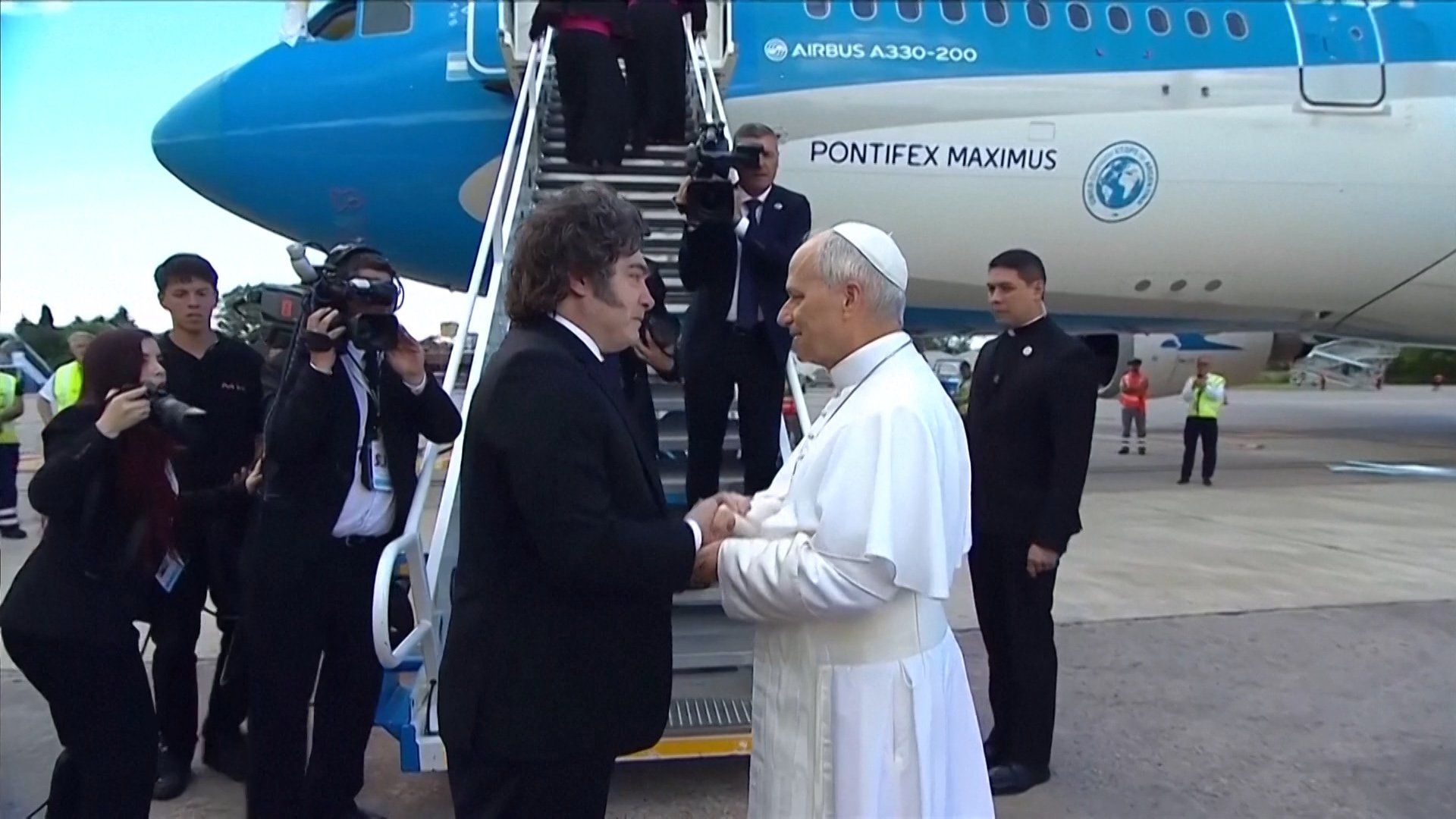
Vast crowds of young Argentines, a generation that Catholic leaders had feared was abandoning the pews, packed the parks of Buenos Aires and cheered as if at a concert when Pope Leo XIV promised a church open to “todos, todos, todos” — everyone, everyone, everyone.
asserted
XIV → fear → everyone
Those words, like all of Leo’s surest applause lines during the visit, belonged to his Argentine predecessor, Pope Francis.
asserted
words → belong → predecessor
So did much of the week’s adulation.
asserted
much → do → adulation
Francis’ fierce defense of the downtrodden made him a moral voice abroad but long embroiled him in political fights at home — controversy that many believe deterred him from returning as pope.
asserted
many → make → pope
More than a year after his death, the more measured Leo made the homecoming Francis never could, carrying on his legacy and helping Argentines embrace their once-polarizing pope as a unifying national figure.
uncertain
Argentines → make → figure
“It’s as though it has finally become clear that Francis left a very important legacy, not just for Argentina but for the universal church,” said Pablo Forni, a sociologist at Argentina’s national research council, Conicet.
asserted
Forni → ’ → council
“Leo is reaping what Francis sowed.”
asserted
Francis → reap → what
Billboards welcoming Leo bore Francis’ face.
asserted
Billboards → welcome → face
Pilgrims waved signs declaring “Francisco y León, un solo corazón” — Francis and Leo, one heart.
asserted
Pilgrims → wave → Francisco
Even libertarian President Javier Milei, who once insulted Francis as “the representative of evil on earth,” declared Francis “the most important Argentine in history” at Leo’s welcome ceremony, bringing a packed hall of his political allies and foes to its feet.
asserted
Francis → insult → feet
A pope caught in the divide
As archbishop of Buenos Aires, Francis — then Jorge Mario Bergoglio — mobilized the church during Argentina’s 2001 economic crisis, sending priests into the slums and opening soup kitchens, schools and drug rehab centers as state services receded.
asserted
services → catch → kitchens
But his concern for the poor did not make him a natural ally of Peronism, the long-dominant populist movement emphasizing social justice.
asserted
him → make → justice
He accused its leaders of arrogance and clashed with them over same-sex marriage.
asserted
He → accuse → marriage
Yet once Francis moved to Rome as pontiff, Peronists became some of his biggest fans, seeing their priorities reflected in his criticism of unbridled capitalism and his outreach to the marginalized.
asserted
priorities → move → marginalized
That affinity infuriated conservatives, who blame Peronism for ruining Argentina’s economy and presiding over rampant corruption.
asserted
who → infuriate → corruption
However hard Francis tried to stay above the fray, even his smallest gestures — a dour expression beside right-leaning President Mauricio Macri, a relaxed lunch with left-leaning President Cristina Fernández de Kirchner — were read as proof of his political sympathies.
asserted
gestures → try → sympathies
A homecoming would have meant treading a minefield.
asserted
homecoming → mean → minefield
Francis visited more than 60 countries as pope, including four of Argentina’s five neighbors, but never returned home, despite invitations from four successive presidents.
asserted
Francis → visit → presidents
“At first many people were thrilled to see an Argentine elected pope.
asserted
people → thrill → Argentine
But once they heard his criticism, they stopped loving him quite so much,” said the Rev. Lorenzo de Vedia, known as Padre Toto, one of the so-called slum priests who worked under Bergoglio in the capital’s informal settlements.
asserted
who → hear → settlements
“He became seen as a partisan pope.”
asserted
He → see → pope
Argentines weren’t the only ones Francis provoked.
asserted
Francis → provoke → ?
His blunt, freewheeling papacy divided Catholics worldwide.
asserted
papacy → divide → Catholics
He accused Vatican officials of “spiritual Alzheimer’s” and called attacks from American conservatives “an honor.”
asserted
He → accuse → conservatives
He delighted progressives by opening long-taboo debates, then disappointed them by balking at doctrinal change.
asserted
He → delight → change
Now Leo — a Chicago-born former missionary in Peru whom Francis made a bishop and then a cardinal — is carrying the same causes forward with a gentleness that tempers his predecessor’s hard-charging style, church leaders say.
asserted
leaders → bear → style
“Francis opened the way.
asserted
Francis → open → way
He broke down walls.
asserted
He → break → walls
He was forceful and impetuous, firm in his principles and startling in his proposals,” said Cardinal Pedro Barreto, a Peruvian Jesuit and close ally of Francis.
asserted
Barreto → say → Francis
“Leo XIV is clearing the path Francis laid out so that it can be traveled by every baptized member of the church.”
asserted
it → clear → church
The same message, a subtler messenger
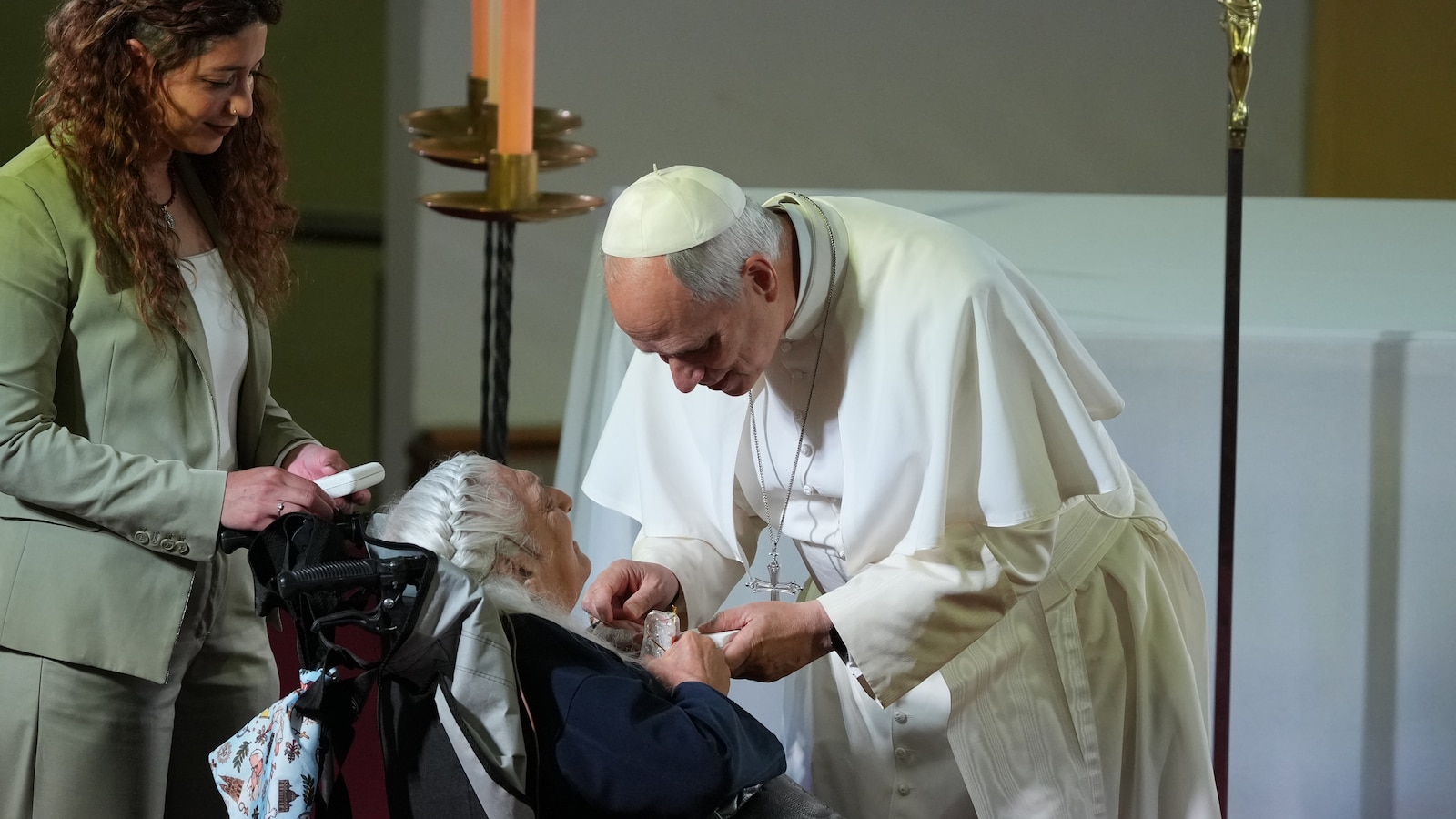
Leo called the trip “a homage” to Francis, and over four days he followed in his predecessor’s footsteps: praying in Francis’ old cathedral, dispensing blessings at the prison where Francis once washed inmates’ feet, embracing residents of a disability care home where he also preached and celebrating Mass at the Luján shrine he revered.
asserted
he → call → shrine
Leo invoked Francis at least 26 times.
asserted
Leo → invoke → Francis
“Leo is fulfilling the promise that Francis left unfinished,” said Carlos Custer, a former Argentine ambassador to the Vatican.
asserted
Custer → fulfil → Vatican
“Francis’ presence was felt at every turn.
asserted
presence → feel → turn
But Leo did more than honor Francis’ memory.
asserted
Leo → do → memory
In his own voice, and without the baggage of an Argentine passport, he revived the appeals that had made Francis at once beloved and divisive at home.
asserted
Francis → revive → home
In Córdoba, Leo urged Argentines to keep “making a mess,” echoing Francis’ famous call for young Catholics to shake things up in their dioceses.
asserted
Catholics → urge → dioceses
Before an audience of garbage pickers and business leaders, he invoked Francis’ “three Ts” — tierra, techo y trabajo, or land, housing and work — the rallying cry of Argentina’s popular movements.
asserted
he → invoke → movements
And in his opening address to political leaders last Sunday, standing beside a self-declared “anarcho-capitalist” president known for aggressive verbal outbursts and harsh austerity measures, he urged “careful use of words” and insisted that “the economy must be at the service of the person, not the person in the service of the economy.”
asserted
economy → stand → economy
“There is continuity between them in every respect — in their message of peace, their love for the poor, their choice to go places where people are suffering, in their emotional connection to the people,” said the Rev. Carlos María Galli, a prominent Argentine theologian who was close to Francis.
asserted
who → be → Francis
…and 10 more, not listed.

 The Aporia