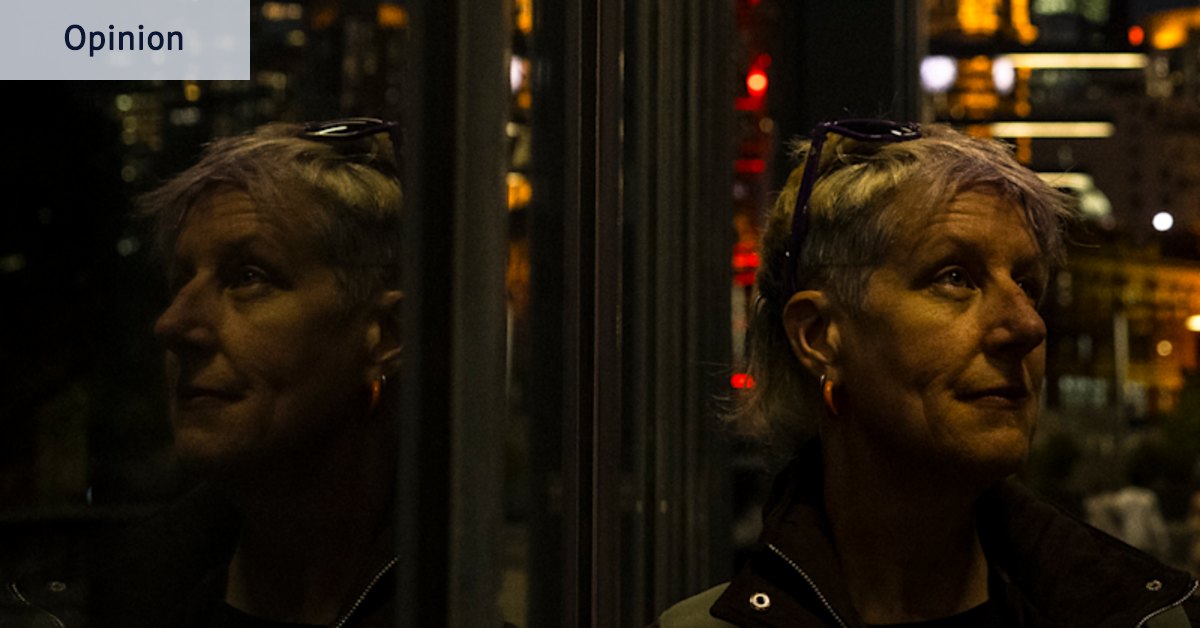
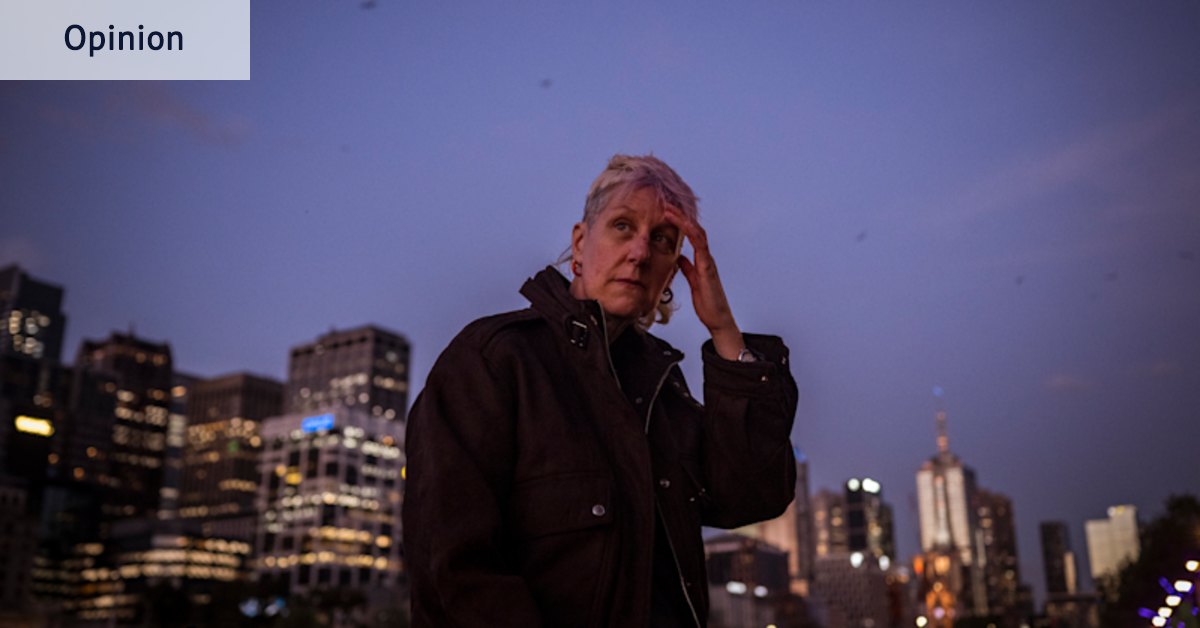
Every day I buy myself a coffee.
asserted
I → buy → coffee
It reminds me I am an adult, despite all the things convincing me, and perhaps society, otherwise.
asserted
I → remind → me
I work hard to remind myself I’m actually OK.
asserted
I → work → myself
The world is not falling apart because of my existence and there are no monsters under my bed.
asserted
world → fall → bed
Then out of nowhere, I get another reminder: I am bad.
asserted
I → get → reminder
As I’m waiting for my coffee, I glance down at the newspaper stand and there in big, bold shouty letters is my health condition linked to a shockingly violent crime.
asserted
condition → wait → crime
Instead of leaving the cafe sipping my freshly brewed coffee, I become a walking headline.
asserted
I → leave → coffee
I was diagnosed with schizophrenia at 23.
asserted
I → diagnose → 23
My version was schizoaffective, which usually involves hallucinations or delusions and mood changes.
asserted
which → involve → hallucinations
When I was young, I was bullied by classmates and teachers alike and the fictional world of Narnia became my happy place.
asserted
world → bully → Narnia
As I got older, magical friends were displaced by people more interested in how I’d believe anything I was told.
asserted
I → get → anything
My skills living in other worlds became a form of survival.
asserted
skills → live → survival
While I was still a teenager, the streets became a familiar place and that’s where I was later scraped up and put into a public psych ward full of human suffering.
asserted
I → become → suffering
The diagnosis I got for the rest of my life was based on a set of questions asked by a male psychiatrist I’d only just met (in a suit and bow tie no less).
asserted
I → get → suit
Did I hear voices?
asserted
I → hear → voices
Did I see things nobody else did?
asserted
nobody → see → things
Did I want to die?
asserted
I → want → ?
I answered yes to everything – I wanted to tell him my “voices” were jazz singers, opera sopranos and orchestras, but lacked the ability to respond beyond yes or no.
asserted
voices → answer → yes
There were no long conversations about the difficult times, places and people I’d already lived through.
asserted
I → be → times
Twenty minutes later, I became Schizophrenia.
asserted
I → become → ?
Its Greek and Latin etymology means “abnormal condition of the soul”.
asserted
etymology → mean → soul
But these days, anything with “psych” in the title equates to “mind” alone.
asserted
anything → equate → mind
I categorically condemn the actions of all people who hurt other people.
asserted
who → condemn → people
Sadly, when psychosis is a factor in someone doing something inconceivably awful, it’s me and my friends with schizophrenia who are implicated.
asserted
who → do → schizophrenia
My schizy community is enduring another round of shame because the latest research indicates we are to blame.
asserted
we → endure → shame
So we decide it’s better to not play tennis today, meet for coffee or go for that job interview.
asserted
it → decide → interview
Reading these headlines I can see why people might be fearful of psychosis.
uncertain
people → read → psychosis
Mental health is complex, yet a whole community of disabled people bear the shame.
asserted
community → bear → shame
The stigma does the driving, but we pay the toll.
asserted
we → do → toll
In the 20th century, the medical model sought to cure, treat or prevent health conditions.
asserted
model → seek → conditions
But in the early 2000s, the United Nations Convention on the Rights of Persons with Disabilities said, “You know what, let’s try improving the environments we all share to reduce the disabling element of health conditions.”
asserted
we → say → conditions
I learnt Auslan as part of the move towards a more inclusive society, and we’re all pretty good with guide dogs and ramps now.
asserted
we → learn → dogs
But this social model doesn’t seem to extend to accommodating people with psychosocial conditions such as schizophrenia.
asserted
model → seem → schizophrenia
The mental health system, led by psychiatry, still reigns supreme and psychosis is the problem; not social attitudes, practices or infrastructure that cause or enhance it.
asserted
that → lead → it
The social model of disability has moved on from deficit language and attitudes.
asserted
model → move → language
So, I refer to my disability as “complex mental health” rather than using my clinical diagnosis.
asserted
I → refer → diagnosis
For me, a flare-up happens when the stresses of life become too much.
asserted
stresses → happen → life
These can be both mundane – starting a job, too much admin, lack of accessible public transport – and extraordinary things like homelessness or grief.
asserted
These → start → homelessness
Psychosis can happen when both categories get lots of ticks.
asserted
categories → happen → ticks
I have a posse of familiar people I trust and I talk to them regularly.
asserted
I → have → them
…and 12 more, not listed.
 The Aporia