In an alternate world, Brad Bradford would have spent the past two weeks preparing to take office as Toronto’s new mayor.
asserted
Bradford → spend → mayor
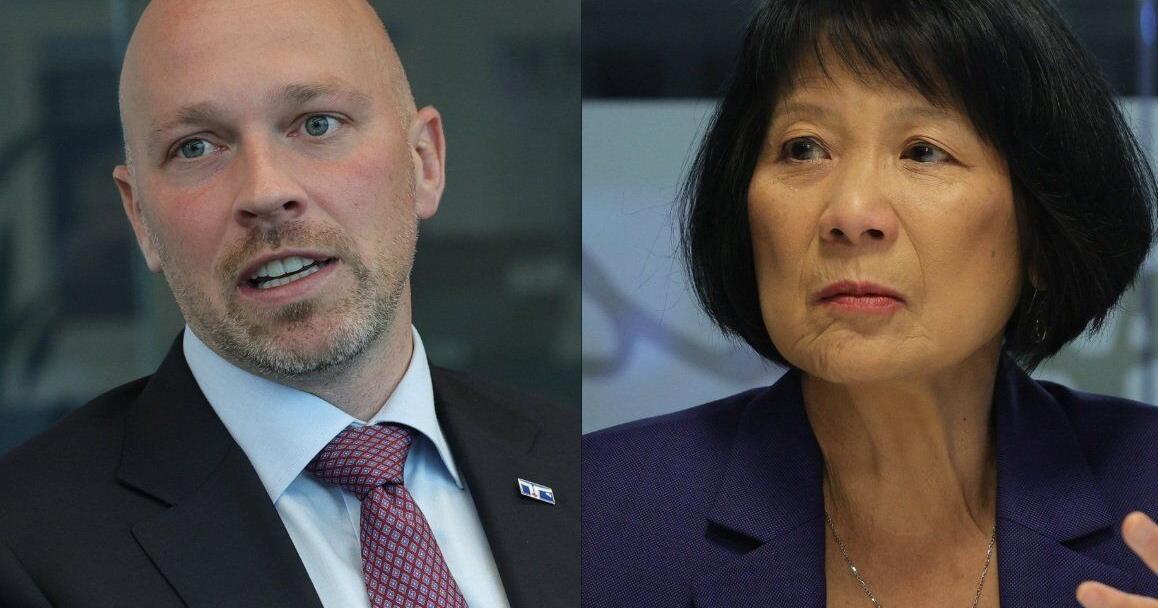
Instead, after falling short against Olivia Chow in the Oct. 26 election, he’s been winding down his campaign and closing out his council office.
asserted
he → fall → office
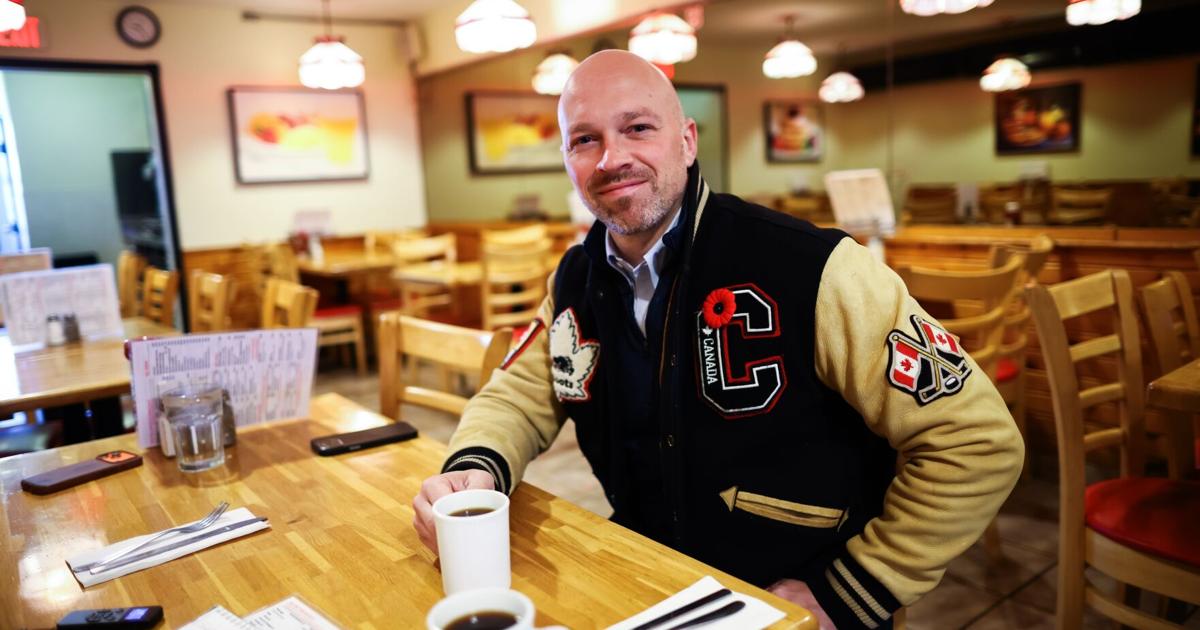
In an interview 15 days after that defeat, Bradford sat down at a diner in the Beaches—East York ward he’s spent the past eight years representing and reflected on the election, the internal debates his team had over strategy, and what he told Olivia Chow on election night.
asserted
he → sit → night
Brad Bradford reflects on his election loss
Bradford said his team had yet to do a formal analysis, but he didn’t believe there was any one thing he could have done differently that would have changed the race’s outcome.
Chow ended up winning with more than 54 per cent support, 13 points ahead of Bradford, and had the highest vote total of any Toronto mayor, with more than 532,000.
uncertain
Chow → reflect → 532,000
Still, Bradford noted that in every previous post-amalgamation Toronto election his haul of more than 404,000 votes would have been enough to win, and an incumbent has never lost a mayoral election.
asserted
incumbent → note → election
What his campaign was trying to do was “really hard,” he said.
asserted
he → try → What
“I don’t think that there was one extra street that we needed to hit or one extra transit stop that would have done it,” he said.
asserted
he → think → it
However, Bradford echoed statements his campaign staffers have previously made, and attributed his loss in large part to what he described as “vicious negative advertising” Chow put out during the final days.
asserted
Chow → echo → days
Her campaign raised alarm about Bradford’s proposal to create an arm’s length water utility and alleged that it would open the door to privatizing the water supply, a charge Bradford rejected.
asserted
Bradford → raise → supply
“We put a lot of, I think, thoughtful policy ideas in the window.
asserted
I → put → window
But that opened us up to unfounded misinformation and critiques.
asserted
that → open → misinformation
And I think in the end, coupled with all the money that they put into negative advertising in the last eight days of the election, our campaign was not able to withstand that,” Bradford said.
asserted
Bradford → think → that
Chow’s team has rejected the idea they won by going negative, and said concerns about privatization were well founded.
asserted
concerns → reject → privatization
Asked why his team didn’t have an answer to Chow’s tactics, the two-term councillor said that unlike the mayor he didn’t have an established political brand, and many voters didn’t have defined opinions about him.
asserted
voters → ask → him
That made him “much more vulnerable” to attacks, he said.
asserted
he → make → attacks
Bradford suggested he was aware his explanation for his defeat could sound self-serving, as though he believed he only lost because his team ran an ideas-based campaign and his opponent went negative.
uncertain
opponent → suggest → campaign
“I don’t think we can say we ran a better campaign — because we lost, and the objective is to win,” Bradford said.
asserted
Bradford → think → campaign
Pressed about what he might have done differently, he said it was worth reflecting on whether voters interpreted his central message about Toronto being “stuck” as overly negative.
uncertain
Toronto → press → message
Noting that Chow used her story about immigrating to Canada as a child to connect with voters, he said he also might have done more to highlight his experience as a father and homeowner trying to make ends meet.
uncertain
ends → note → father
Inside Bradford’s ‘blue team, red team’ campaign debate
Bradford’s campaign team was made up of a mix of Conservative and Liberal strategists, and he acknowledged there were “conversations between the blue team and the red team” about how much policy his campaign should put forward.
asserted
campaign → make → policy
While detailed policy ideas gave his opponent more fodder for attacks, he said Liberal staffers in particular “wanted to make sure that there were things that people could go and vote for, rather than just vote against.”
uncertain
people → give → that
He said it was the “red team” that proposed running on the corporate water utility idea that ended up being a lightning rod.
asserted
that → say → idea
His campaign predicted it would generate an annual dividend for the city of between $45 million to $125 million, and while some experts questioned those projections, Bradford said if he hadn’t put forward a method to pay for other promises such as his costly proposal to cut the municipal land transfer tax, his platform wouldn’t have appeared credible.
asserted
platform → predict → tax
He concluded that no proposal would have been immune from criticism.
asserted
proposal → conclude → criticism
“If it wasn’t water it would have been something else,” he said.
asserted
he → say → ?
Bradford says critics are ‘out of touch’ on safety
Bradford faced accusations he was running a fear-based campaign that depicted Toronto as a dangerous place where people were right to be afraid for their safety.
asserted
people → say → safety
Even as by some important measures crime is declining, on the campaign trail he argued residents’ perceptions of safety were as important as statistics, and promised to hire 1,000 new police officers.
asserted
perceptions → decline → officers
A month before announcing his intentions to run he arguably set the tone for his campaign’s focus on crime by posing for a September 2025 Toronto Sun article with a baseball bat, and suggesting he might use it to fight off a home invasion.
uncertain
he → announce → invasion
Bradford said critics who derided his approach as hyperbolic are “out of touch with how a lot of people feel.”
asserted
lot → say → people
He said after his bat comments he “probably got a hundred messages” from residents showing him the hockey sticks or golf clubs they kept at the door to ward off intruders.
asserted
they → say → intruders
Like other members of his campaign, Bradford said that late in the race he still believed he had a shot at winning.
asserted
he → say → shot
Although it’s now clear Chow had already established a lead in advance polls at the beginning of October, some public opinion surveys less than a week before election day showed him tied or even ahead of Chow.
asserted
him → ’ → Chow
“We saw that too” in internal polls, he said.
asserted
he → see → polls
While some of his staff have said that by the day before the election there was data coming in that indicated he was likely headed for a loss, Bradford said at that point he was too focused on campaigning to be “looking at spreadsheets.”
asserted
he → say → spreadsheets
“On election night I still felt like we could win it or we could lose it.
uncertain
we → feel → it
Which is different than in other elections where I’ve run,” said Bradford, who came eighth in the 2023 mayoral byelection.
asserted
who → run → byelection
Will Brad Bradford run for office again?
asserted
Bradford → run → office
Bradford said he has spent the weeks since the election connecting with his wife and two daughters.
asserted
he → say → wife
Asked whether he plans to run for office again, Bradford, an urban planner by training, said it’s “too soon to say.”
asserted
it → ask → training
But he said he was “keen to find ways” to work on challenges facing Toronto, such as housing, public safety and transportation.
asserted
he → say → housing
…and 3 more, not listed.
 The Aporia