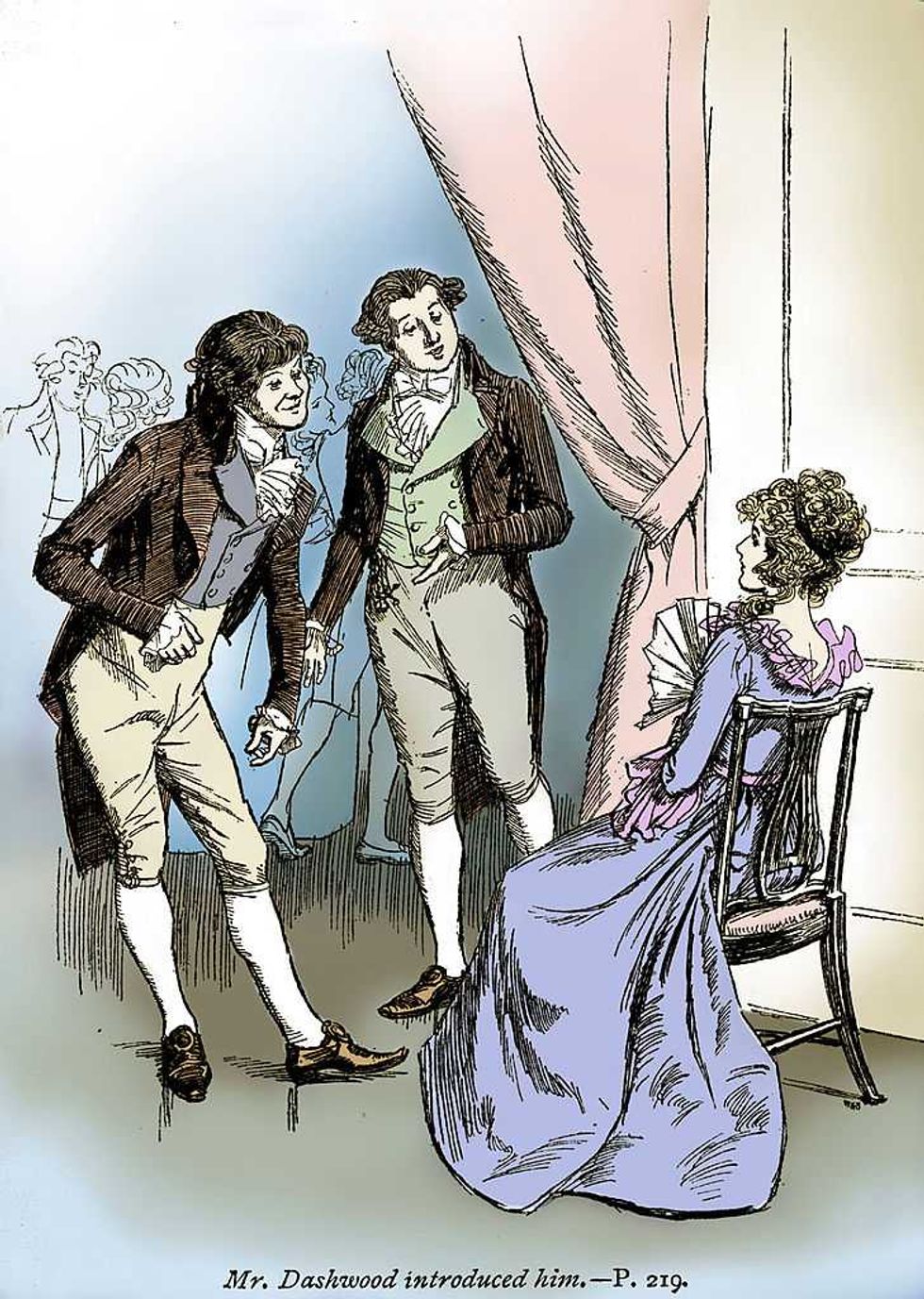
An unexpected duel gives cinema’s new adaptation of Jane Austin’s novel its moral center.
asserted
duel → give → center
True love reveals itself through courage and mercy, rather than seductive appearances, writes Owen Anderson.
asserted
Anderson → reveal → appearances
I must admit, I liked the new “Sense and Sensibility.”
asserted
I → admit → Sense
It received a 78% rating from critics and an 89% rating from audiences on Rotten Tomatoes.
asserted
It → receive → Tomatoes
But the reviews I read missed the very thing that drew me to the movie: a truth that tugs deeply at the human heart.
asserted
that → read → heart
Perhaps unintentionally, this adaptation points us toward it.
asserted
adaptation → point → it
Those familiar with the star-studded 1995 version, featuring Emma Thompson, Hugh Grant, Kate Winslet, and Alan Rickman, will find a different tone here.
asserted
Those → feature → tone
The film opens with Marianne watching a caterpillar crawl across her finger.
asserted
caterpillar → open → finger
The image foreshadows a question: How does a caterpillar become a butterfly?
asserted
caterpillar → foreshadow → question
It must cease to be what it was to become something more beautiful.
asserted
it → cease → ?
Many remain trapped in sensations and appearances, unable to find reality.
asserted
Many → remain → reality
The title describes the tension between sense and sensibility.
asserted
title → describe → sense
What happens when we follow our feelings without questioning appearances?
asserted
we → happen → appearances
And what do we miss if we are always sensible and careful?
asserted
we → miss → what
A few details of the story help make the point.
asserted
details → help → point
Elinor, the older sister, practices self-discipline and urges Marianne to do likewise.
asserted
Elinor → practice → Marianne
Marianne insists that sincerity requires following her passions wherever they lead.
asserted
they → insist → passions
That difference shapes how each sister seeks love.
asserted
sister → shape → love
After their father dies, the family estate passes to his son from an earlier marriage.
asserted
estate → die → marriage
His dying wish was that the son care for his stepmother and half-sisters.
asserted
son → die → stepmother
Instead, the son and his wife offer little help.
asserted
son → offer → help
Their greed leaves the women without the dowries that might help them marry and with few means of establishing an independent life.
uncertain
them → leave → life
As they prepare to leave their home, Elinor meets Edward, her sister-in-law’s brother.
asserted
Elinor → prepare → law
His moral character contrasts with his sister’s miserliness.
asserted
character → contrast → miserliness
Edward and Elinor are plainly compatible, yet something prevents him from proposing.
asserted
something → prevent → him
The family moves in with kind, if sometimes annoying, distant relatives.
asserted
family → move → relatives
Marianne meets two men: Colonel Brandon, reserved and controlled, and Willoughby, dashing and passionate.
asserted
Marianne → meet → men
She mistakes Brandon’s reserve for a lack of feeling and finds Willoughby irresistible.
asserted
Willoughby → mistake → feeling
But Willoughby, too, leaves without proposing.
asserted
Willoughby → leave → ?
In London, the truth emerges.
asserted
truth → emerge → London
Willoughby intends to marry a wealthy woman.
asserted
Willoughby → intend → woman
Edward, meanwhile, had been promised to Lucy Steele when they were young.
asserted
they → promise → Steele
Though Lucy has lost her fortune, Edward refuses to abandon his commitment.
asserted
Edward → lose → commitment
His mother disinherits him, giving his inheritance to his younger brother.
asserted
mother → disinherit → brother
Elinor bears the news with dutiful resolve.
asserted
Elinor → bear → resolve
RELATED: The most dangerous evil can look remarkably like good
Amanda Cassingham-Bardwell/Getty Images
Marianne’s broken heart, meanwhile, brings her to despair.
asserted
heart → look → despair
During a serious illness, she says she willed herself to die.
asserted
she → say → herself
Colonel Brandon reveals Willoughby’s earlier cruelty: He seduced Eliza, the widow of Brandon’s brother and a woman Brandon had once loved, impregnated her, and abandoned her.
asserted
Brandon → reveal → her
Both Eliza and her unborn child died.
asserted
Eliza → die → ?
Then comes the scene that made this movie an A+ for me — one the 1995 version omitted.
asserted
version → come → me
…and 38 more, not listed.
 The Aporia