Sydney Sweeney has great jeans.
asserted
Sweeney → have → jeans
Who made them?
asserted
Who → make → them
Who made them?
asserted
Who → make → them
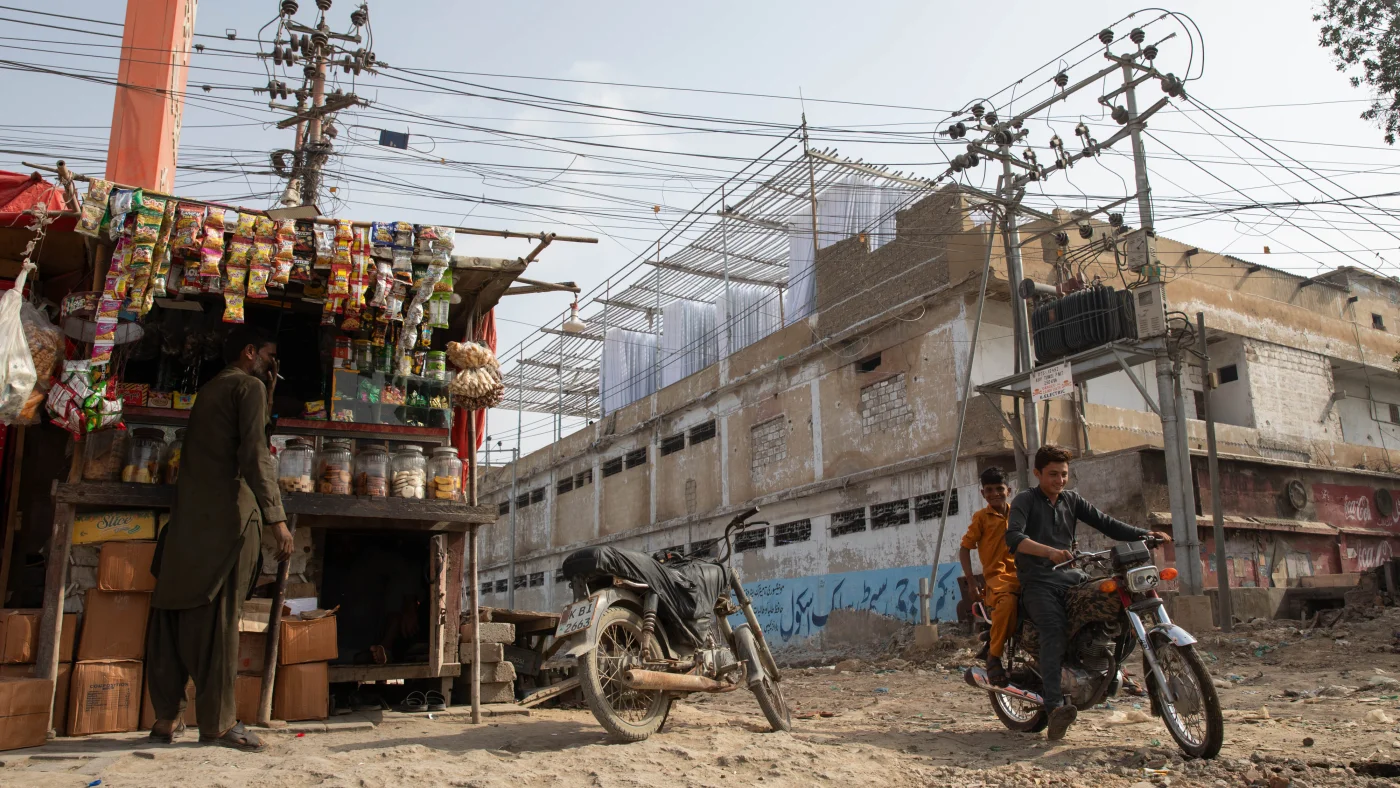
In a slum dotted with shimmering pools of sewage, a garment worker nods in recognition as Sydney Sweeney slowly zips up her jeans in an American Eagle Outfitters advertisement playing on a smartphone.
asserted
Sweeney → dot → smartphone
But it's not Sweeney she recognizes — it's the jeans and jacket.
asserted
it → recognize → ?
This woman, a single mother, has worked on American Eagle production lines and seen those denim styles and similar models.
asserted
woman → work → styles
"I know how all of them are made, because I have worked on them," she says.
asserted
she → know → them
When Sweeney's advertisement for American Eagle landed in July last year, with the tagline "Sydney Sweeney has great jeans," it triggered debate over whether it was a winking reference to eugenics because of Sweeney's va-va-voom beauty: thin, blonde, blue eyes, large breasts.
asserted
it → land → beauty
Following the controversy, American Eagle said in a September 2025 statement that "'Sydney Sweeney Has Great Jeans' is and always was about the jeans."
asserted
Sweeney → follow → jeans
(Sweeney did not respond to NPR's request for comment.)
asserted
Sweeney → respond → comment
Missing from the debate over whether the advertisement was about jeans or genes was any significant reflection on who actually made the American Eagle jeans that Sweeney was wearing — as in, the workers.
asserted
Sweeney → miss → that
The majority of garment factories operate out of Asia, so most Americans will never meet the workers making their clothes or see the conditions they're made under.
asserted
they → operate → conditions
The workers who make Sydney Sweeney's jeans
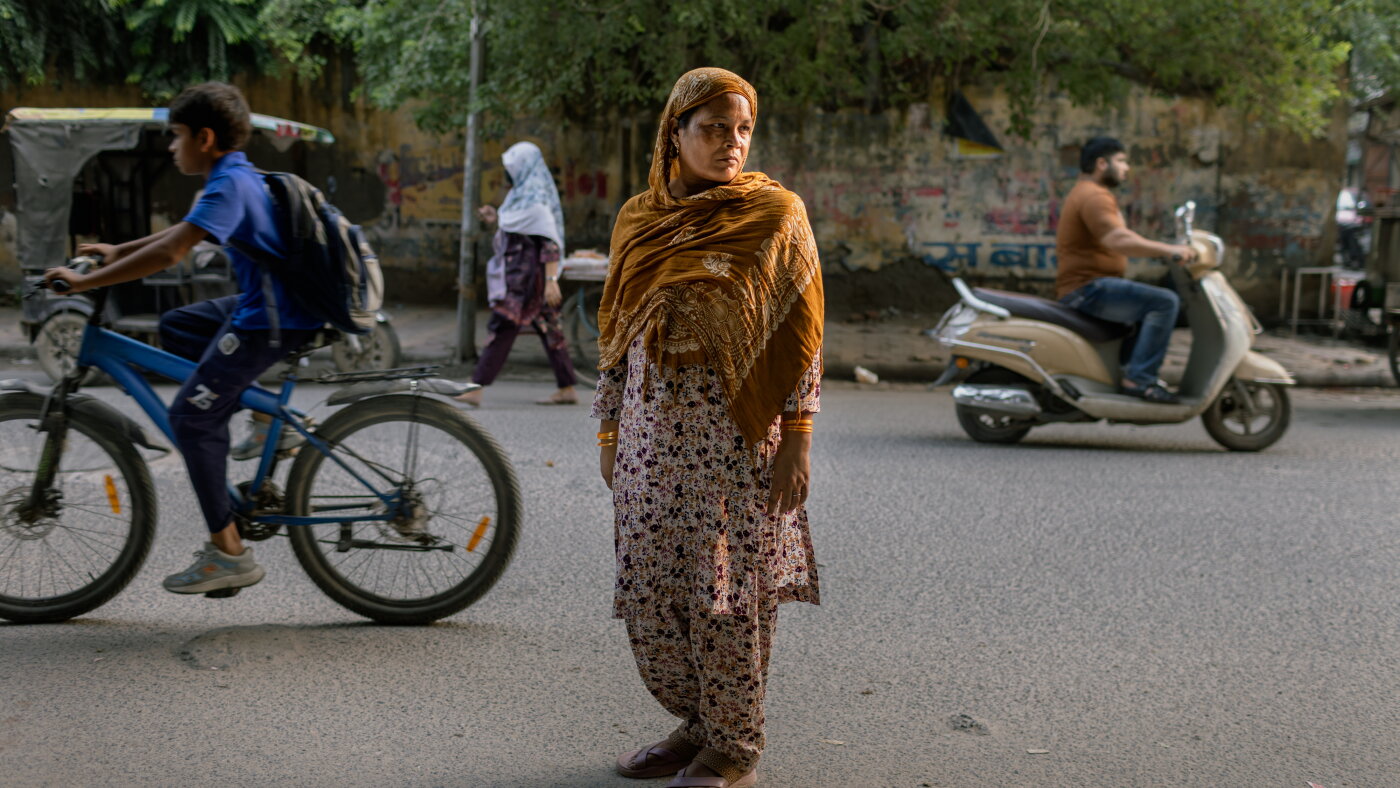
Workers like that single mother.
asserted
Workers → make → mother
She asks that we refer to her as S., the initial of her first name, because she fears her bosses at the garment factory where she works will fire her if she's identified.
asserted
she → ask → her
"If you raise your voice, they'll push you out," she says.
asserted
she → raise → you
S., a young woman, works at a factory run by a company called Artistic Garment Industries, where she says she's paid about $144 a month, a sum that supports her son and her mother.
asserted
that → work → son
She says the factory is "oppressively hot."
asserted
factory → say → ?
It was 106 F outside when we met her, and she says the factory inside is even hotter.
asserted
factory → meet → her
She says it's hard to leave her workstation to drink water because she has to meet her production targets.
asserted
she → say → targets
She says she has to check the quality of 1,000 to 1,600 pieces of clothing a day — and she's fainted three times this year.
asserted
she → say → clothing
"I feel faint, and I can barely stand.
asserted
I → feel → ?
I have no energy in my hands and feet," S. says.
asserted
S. → have → hands
"They don't even let us sit down."
asserted
us → let → ?
But S. says she has no other options.
asserted
she → say → options
Artistic Garment Industries confirmed it makes clothes for American Eagle but tells NPR that it does not push out workers who complain about their working conditions.
asserted
who → confirm → conditions
The company says it has a robust complaints system that workers can use and says it frequently checks on temperatures inside different parts of its factories.
asserted
it → say → factories
In response to questions NPR sent to American Eagle, the company says it's "committed to working directly with our suppliers to protect the health, safety, and rights of workers.
asserted
it → send → workers
We take the concerns raised by workers — and those whom NPR interviewed — very seriously.
asserted
NPR → take → whom
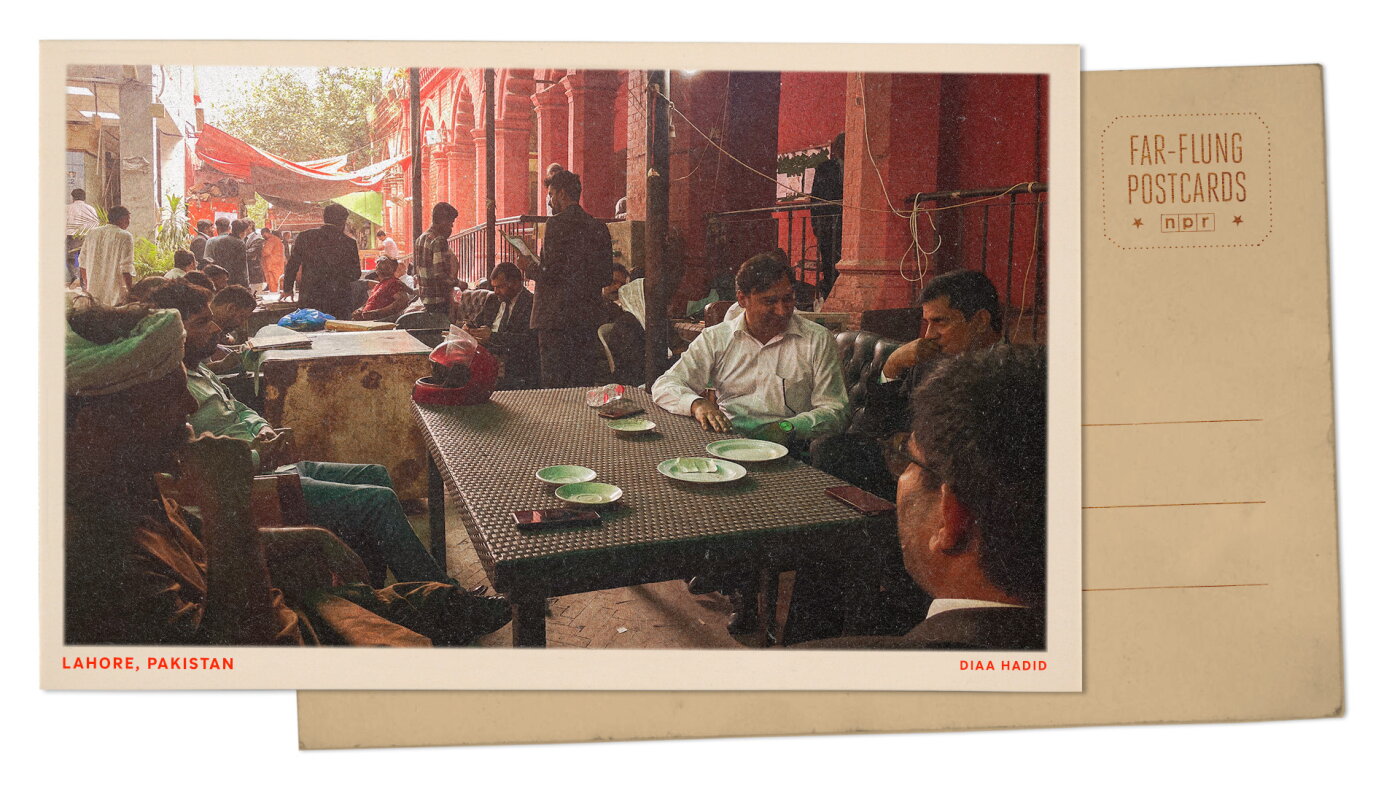
S. is one of around 20 workers we interviewed over the spring and summer in Bangladesh and Pakistan, two of the world's biggest global garment production hubs outside of China.
asserted
we → interview → China
Those men and women worked in five different factories.
asserted
men → work → factories
All of those workers asked NPR not to use their full names and to use only the initial of their first name, worried they'd lose their jobs or be blacklisted from future jobs if they were identified.
asserted
they → ask → jobs
Inside the world of fast fashion
Although we focused on the American Eagle jeans worn by Sweeney for the 2025 campaign, the reporting led to a bigger issue: how fast fashion is made, because garment factories make clothes for multiple brands at once.
asserted
factories → focus → brands
Workers we met told us they made clothes for Levi's, Massimo Dutti, The Gap, H&M and American Eagle.
asserted
they → meet → Levi
They said it's common knowledge at the factories which brands they are making clothes for, in part because some workers are stitching on the labels.
asserted
workers → say → labels
The garment workers we spoke to offered strikingly similar accounts.
asserted
we → speak → accounts
And they echoed worker testimonies in multiple reports by labor and climate rights groups.
asserted
they → echo → groups
The workers told us they're paid low wages, even as they're expected to reach what they say are unreasonably high production targets, often laboring in sweltering factories.
asserted
they → tell → factories
These are production targets like stitching 200 sleeves an hour or checking the quality of a thousand pieces of clothing a day.
asserted
These → stitch → clothing
The workers we interviewed say they are unable to hydrate or cool down properly, even as extreme heat caused by climate change makes their workplaces and homes even hotter.
asserted
workplaces → interview → change
It can be four to six degrees hotter inside a factory, says Jason Judd, executive director of the Global Labor Institute at Cornell University, which researched heat inside garment factories and worker homes.
asserted
which → say → factories
…and 88 more, not listed.
 The Aporia