SHENZHEN, China (AP) — The app showed one minute until the taxi’s arrival.
asserted
app → show → arrival
Not far from the pickup spot, the blue and white SUV with a small robot graphic on its sides approached through the light traffic.
asserted
SUV → approach → traffic
It looked like any other car, except that no one was behind the wheel.
asserted
one → look → wheel
Welcome to Shenzhen, a hub of technological development in China, where some of the latest advancements are taking shape, from artificial intelligence and robotics to electric and autonomous vehicles.
asserted
some → welcome → vehicles
While some of these innovations can now be seen in other Chinese cities, Shenzhen has long been considered one of the country’s leading technology centers and is home to some of its best-known companies, like the telecommunication firm Huawei, electric vehicle maker BYD and internet and gaming giant Tencent.
asserted
Shenzhen → see → firm
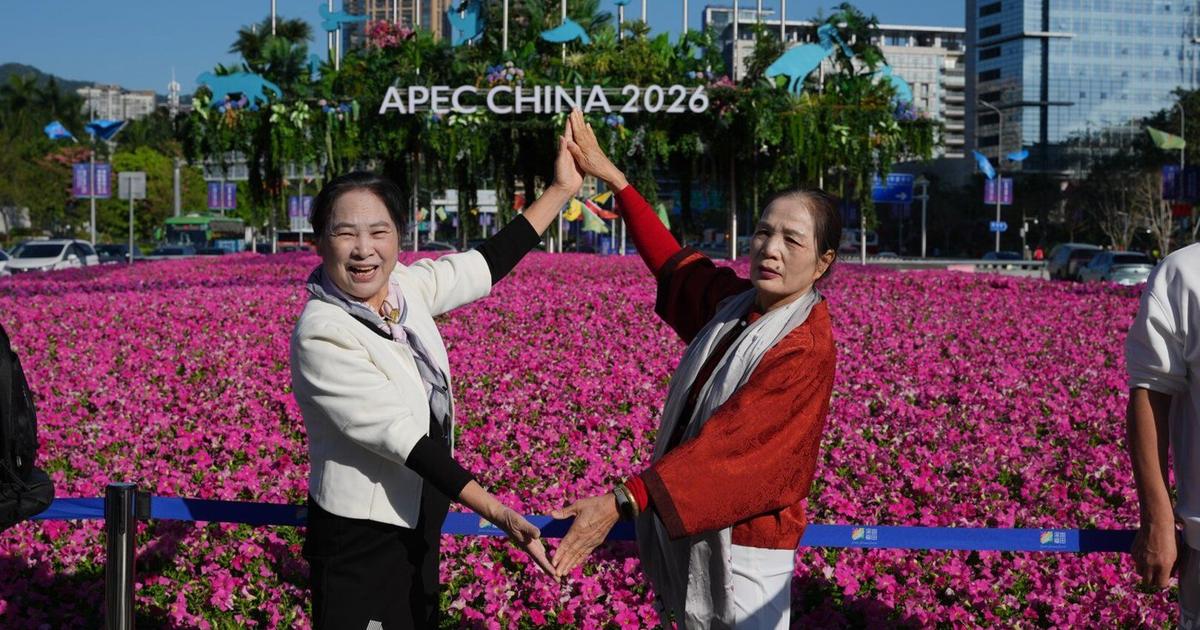
The city will draw more attention as it hosts this year’s Asia-Pacific Economic Cooperation summit.
asserted
it → draw → summit
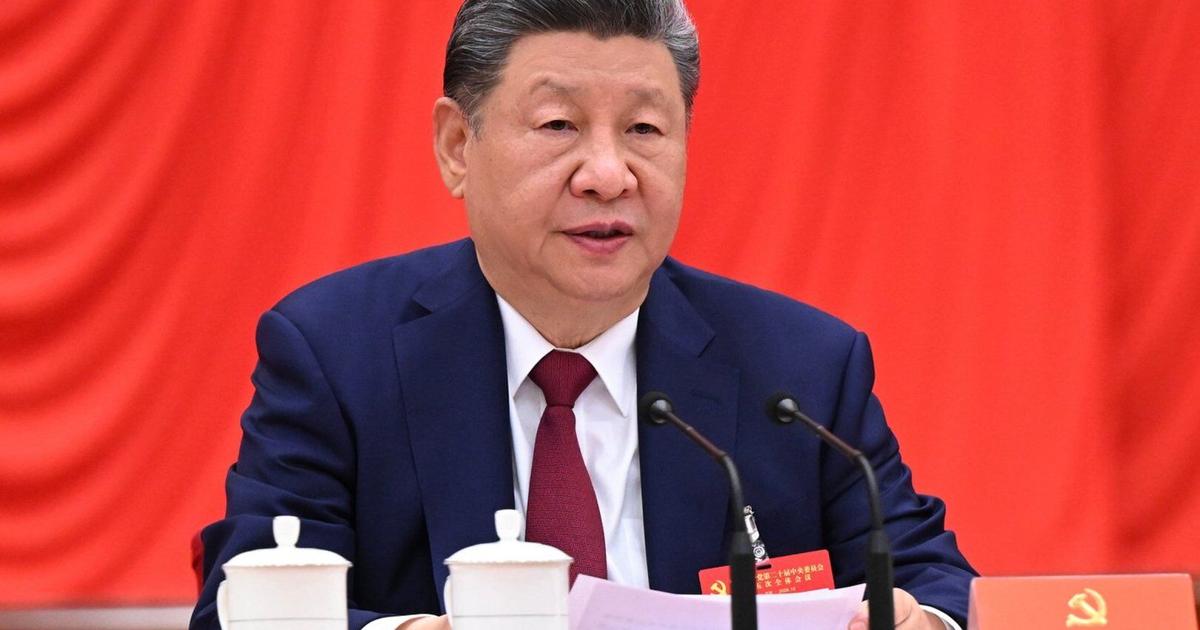
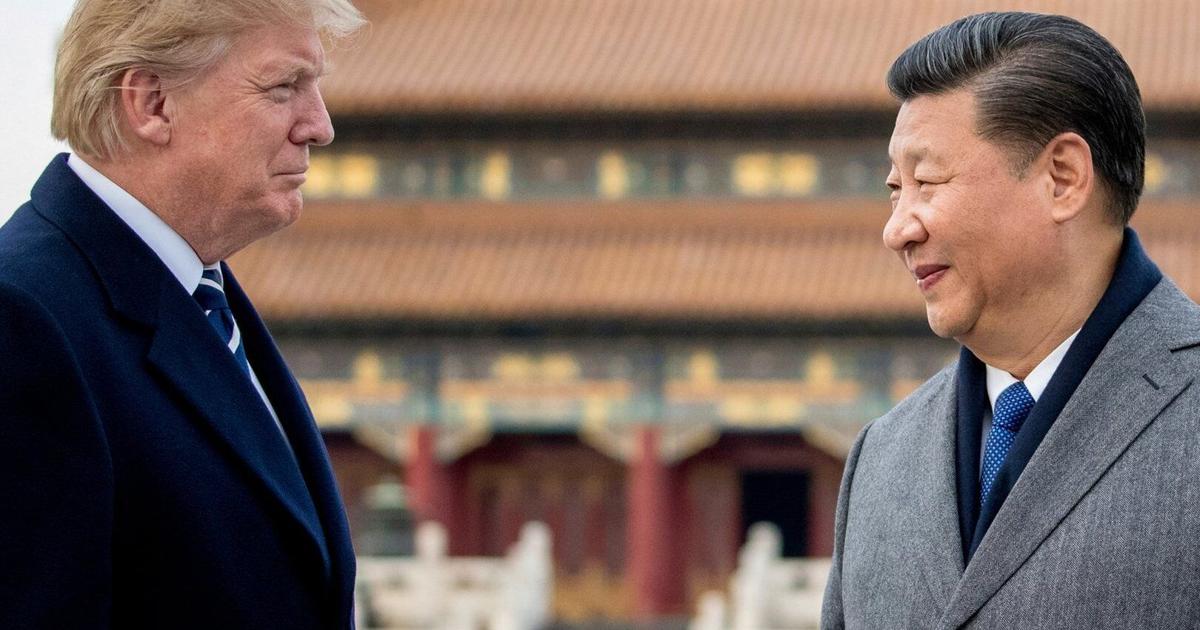
Chinese President Xi Jinping will welcome representatives from APEC’s 21 members, including U.S. President Donald Trump and Russia’s leader Vladimir Putin.
asserted
Jinping → welcome → leader
The gathering comes as China and the U.S. compete for leadership in technologies such as artificial intelligence in a rivalry intertwined with disputes over tariffs and access to critical minerals, and as a trade truce was recently extended until January.
asserted
truce → come → January
Shenzhen’s transformation from a testing ground for market-oriented reforms into a tech center reflects China’s rise as a global economic competitor.
“Shenzhen is one of the most important symbols of China’s reform and opening up through its strong global role in trade, manufacturing, and innovation,” said Gary Ng, senior economist for Asia Pacific at French bank Natixis.
asserted
Ng → orient → Natixis
From a fishing town to a special economic zone
The city’s transformation date to 1980, when China was opening up its economy.
asserted
China → open → economy
Then-leader Deng Xiaoping declared the former fishing village as one of China’s first special economic zones, where the Communist Party would allow free enterprise.
asserted
Party → declare → enterprise
That opened the door to foreign investment and manufacturing for export until it also became a place for companies to develop their own technologies.
asserted
companies → open → technologies
From the observation deck of China’s second-tallest building, the 600-meter (1,968-feet) Ping An tower, people can see a city of glass towers amid green spaces, with mountains rising through parts of it.
asserted
people → see → it
This is a city known as a place to see driverless taxis, robots and electric vehicles, though some of the technologies aren’t visible everywhere.
asserted
some → know → technologies
Drone deliveries only serve specific locations, while driverless taxis or robotaxis begin at designated pickup spots on the western side of the city.
asserted
taxis → serve → city
And some restrictions were imposed ahead of the APEC summit, being held Wednesday and Thursday.
asserted
restrictions → impose → summit
Drone deliveries were suspended, and robotaxi services were reduced.
asserted
services → suspend → ?
A ride without a driver
Pony.ai is one of the companies providing driverless taxis, with a fleet of almost 2,000 SUVs painted in blue and white, the image of a small robot named “Popo” on their sides.
asserted
Pony.ai → provide → sides
Founded in 2016, the company operates in Shenzhen and three other Chinese cities: Beijing, Shanghai and Guangzhou.
asserted
company → found → Shenzhen
But the robotaxis cannot go anywhere you want.
asserted
you → go → ?
Trips are limited to designated pickup and drop-off points within approved service areas.
asserted
Trips → limit → areas
One of the few places where passengers could take a robotaxi a week before the summit was in front of Tencent, the company behind the messaging and payment app WeChat.
uncertain
passengers → take → app
Three AP journalists took a trip to one of the available destinations, a hotel 7.6 kilometers (4.7 miles) away.
asserted
journalists → take → destinations
The app warned that passengers had less than 60 seconds to get in.
asserted
passengers → warn → seconds
Once inside the car, an Arcfox, a screen displayed “Popo” giving safety instructions and asking customers to fasten their seatbelts.
asserted
Popo → display → seatbelts
For 24 minutes, the car crossed several streets, slowing down at corners and stopping completely for people and red lights.
asserted
car → cross → people
Near a corner where it needed to turn left, it switched on its turn signal and waited.
asserted
it → need → signal
When the traffic light turned green and traffic began moving, another driver let it through.
asserted
driver → turn → it
Cong Lin, Pony.ai’s public affairs director, said the cars use 34 sensors and are able to perceive 360 degrees with a range of up to 615 meters (about 2,018 feet).
asserted
cars → say → feet
The robotaxis averaged about 23 and 25 trips each day in February, she said.
asserted
she → average → February
Does the company envision a day when all taxis in Shenzhen are driverless?
asserted
taxis → envision → Shenzhen
“We don’t see robot taxis as a replacement for regular cars or regular taxis,” Lin said.
asserted
Lin → see → cars
“We see ourselves as just one more option for the riders to choose from.”
asserted
riders → see → option
Companies say Shenzhen offers policy support and suppliers at hand
When China marked 40 years of Shenzhen as special economic zone, in 2020, Xi described the city as “a miracle in the world development history.”
asserted
Xi → say → history
Government support is among the factors that have helped shape its growth and attracted migrants and entrepreneurs from other cities.
“
asserted
that → help → cities
The more flexible and open government policies have enabled experimentation different from the rest of China.
asserted
policies → enable → China
At the same time, the proximity to Hong Kong is important for attracting capital, developing commercial expertise, and accessing world markets,” said Ng, from Natixis.
asserted
Ng → attract → Natixis
Cong, from Pony.ai, said Shenzhen offers “policy clarity (and) government support, so there’s a very clear pathway for autonomous driving companies like us to follow, from the testing with a safety operator on board to a commercial service with a safety operator on board to fully driverless.”
Shenzhen is also home to Pudu robotics, which makes service robots that deliver meals in restaurants, clean floors and guide shoppers to products.
asserted
that → say → products
The company, founded here in 2016, develops humanoid robots and wheeled robots with arms, focusing on specific tasks such as picking up and delivering items in office buildings and packing goods in warehouses.
asserted
company → found → warehouses
Guo Cong, chief technology officer and co-founder of Pudu, said the city provides what the company needs, from suppliers of hardware and mechanical parts to software and businesses putting their robots to work.
asserted
company → say → work
…and 9 more, not listed.
 The Aporia