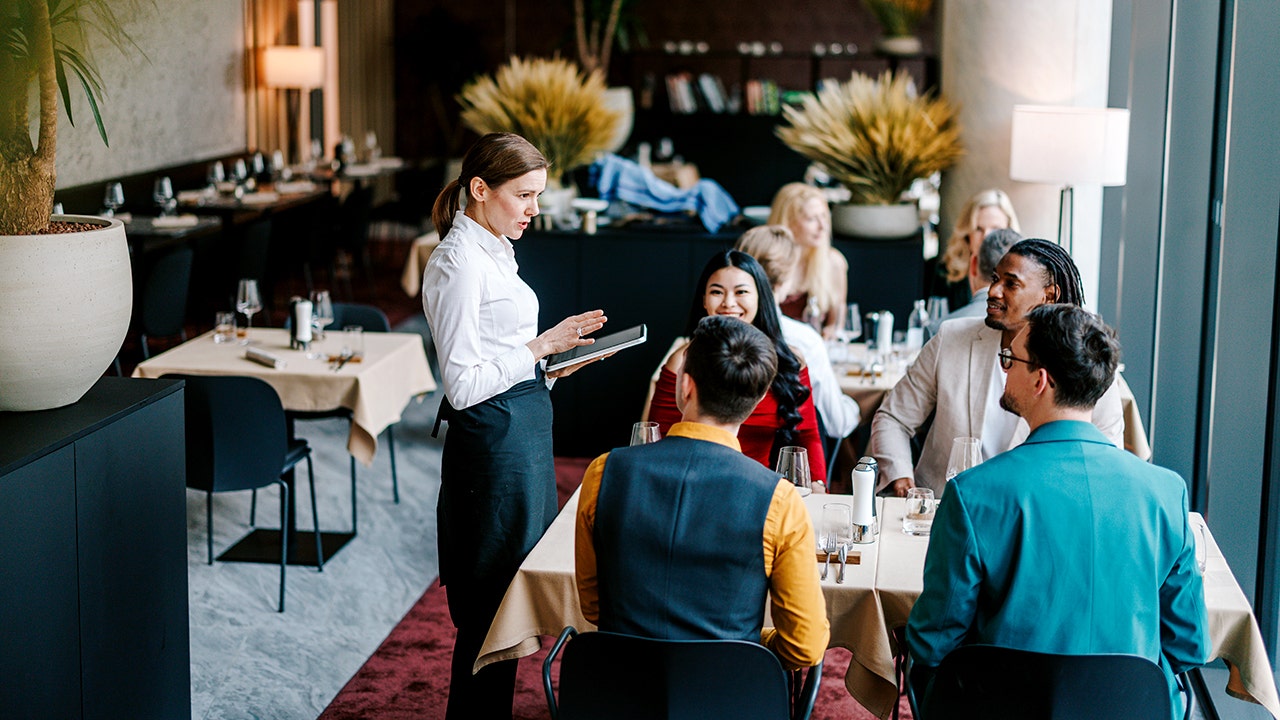
For many Americans, eating out at a restaurant is becoming more of an occasional treat than a weekly routine, according to a new poll.
uncertain
eating → eat → poll
The share of U.S. adults who say they eat at a restaurant at least once a week fell to 39% in 2026, according to a new Gallup poll, marking a record low in the organization's tracking.
That's down from 47% in 2022 and 53% in 2019, before the pandemic, according to the survey, which was conducted in early July.
People aren't abandoning dining out altogether, but the share who eat out only a few times a year has doubled from 10% to 20% since 2019.
uncertain
who → say → 2019
Only 4% of respondents said they never eat at restaurants.
asserted
they → say → restaurants
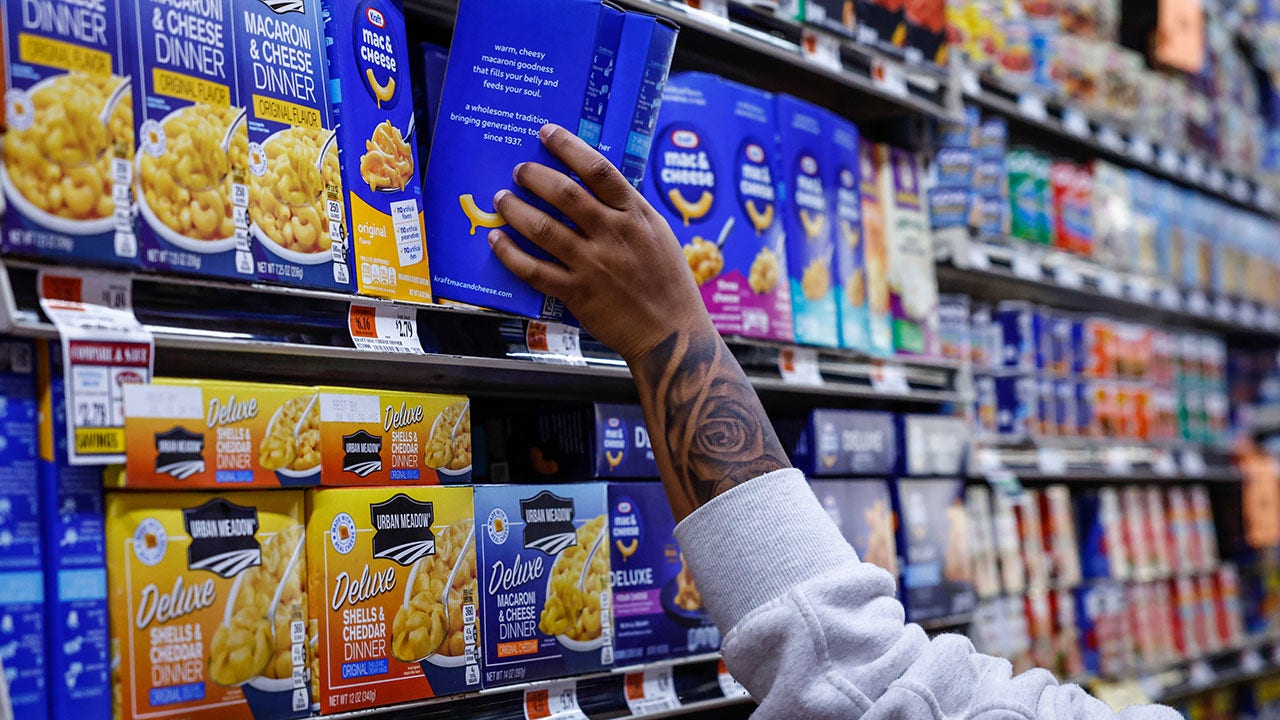
Online grocery ordering, meanwhile, is up 15% while weekly in-person grocery shopping has fallen to a record low of 74%.
asserted
shopping → fall → %
Takeout orders aren't filling the gap either, the poll found.
asserted
poll → fill → gap
Weekly takeout ordering, which peaked at 39% in 2021, has returned to 31%, the same as it was in 2018.
asserted
it → peak → 2018
Atlanta restaurateur Teneshia Murray Butler, owner of T’s Brunch Bar, has noticed business slow at her locations over the past four or five months.
asserted
business → notice → months
Dine-in and takeout traffic have both softened, she said, with weekdays especially slow.
asserted
weekdays → dine → ?
"It’s just [fewer] people coming in," Murray Butler told Fox News Digital.
asserted
Butler → come → Digital
While she finds that customers are still ordering popular dishes and spending about the same per plate, she has noticed fewer families with children dining out.
asserted
she → find → children
She said going out to eat once a week was common when she was growing up, but she now sees fewer families with children and more couples or double dates.
asserted
she → say → children
Brandy Rand, vice president of hospitality at Forge, which produces the Bar & Restaurant Expo in Las Vegas, said value and the occasion both shape customers' decisions.
asserted
value → produce → decisions
In a recent consumer habits survey by Forge, 42% of respondents said promotions or deals matter to them.
asserted
promotions → say → them
The top reason people gave for dining out was treating themselves — cited by 53%.
asserted
people → give → %
"I don't think people are giving up on restaurants — they’re being selective about when and where they go," Rand said.
asserted
Rand → think → restaurants
She said takeout can't fully recreate the restaurant experience, including the drinks and social time that often come with a meal out.
asserted
that → say → meal
Murray Butler said she offers specials to draw customers in on slow days, including $5 drinks and $10 meals, along with other deals.
asserted
she → say → deals
"I have lamb chops for $5 for one.
asserted
I → have → one
They might order four lamb chops and a side order, and it's cheaper than ordering the whole meal."
uncertain
it → order → meal
Gallup found the latest decline was concentrated among middle- and upper-income adults.
asserted
decline → find → adults
Weekly dining fell to 38% among middle-income adults and 48% among upper-income adults.
asserted
dining → fall → adults
Among lower-income adults, it held at 32%, the lowest of the three groups.
asserted
it → hold → groups
Murray Butler noted costs have risen, too, including for beef, frying batter and takeout supplies.
asserted
costs → note → beef
Higher prices may be one factor, Gallup said, but may not explain everything.
uncertain
Gallup → say → everything
The poll was conducted during a major cyclospora outbreak linked to produce served at some restaurants, and Gallup noted that food-safety concerns could have influenced responses.
uncertain
concerns → conduct → responses
Customers were worried about contaminated lettuce, and so was Murray Butler.
asserted
Butler → worry → lettuce
"I didn't even want to serve it on a cheeseburger. ...
asserted
I → want → cheeseburger
I was so scared because it was on the news and everywhere," she added, explaining that she had to check labels on incoming lettuce and ask her vendor to ensure it had been properly inspected.
"You [have to] make people remember your restaurant."
asserted
people → add → restaurant
Americans' confidence in food safety has hit a new low, a separate Gallup survey from September found, with 73% of people saying they have avoided certain foods in the past year because of a recall or advisory.
asserted
they → hit → recall
For restaurants, the challenge may be persuading customers that a visit is worth the expense, experts say.
uncertain
experts → persuade → customers
Rand said deals, special menus and reliable service all help give diners a reason to return.
asserted
deals → say → reason
"I think you're [going to have] to tell people why they should come to my restaurant," Murray Butler agreed.
asserted
Butler → think → restaurant
"'I have this happy hour special.
asserted
I → have → special
I have this item.
asserted
I → have → item
I have new menu items.'
asserted
I → have → items
"
She advertises T's Brunch Bar on billboards throughout Atlanta and said she is pursuing additional placements at the airport to keep the restaurant top of mind when people decide where to eat.
asserted
people → advertise → mind
"You just got to market in people's face everywhere," she said.
asserted
she → got → face
"You [have to] make people remember your restaurant."
asserted
people → have → restaurant
 The Aporia