Barack Obama famously called the elections a “shellacking” for the Democratic party and he was right.
asserted
he → call → party
Thanks to a sluggish economic recovery from the Great Recession and backlash to the passage of the Affordable Care Act, Republicans took control of the House with a 63-seat gain – the largest House sweep since the 1940s – and won six seats in the Senate.
asserted
Republicans → take → Senate
It was the first election shaped by the rise of the Tea Party and its blend of rightwing economic populism and xenophobia.
asserted
It → shape → populism
Those aligned with the movement lost nearly twice the number of races they won, but the presence of an energized hard-right contingent among Republicans in Congress shaped legislative outcomes for the remainder of Obama’s term and beyond.
asserted
presence → align → term
And a cadre of figures the Tea Party successfully backed that year — Marco Rubio, Rand Paul, Mike Lee, Ron Johnson, Mick Mulvaney and Kristi Noem – have become key or leading figures in the Republican party in the time since.
asserted
Party → back → time
Just over a month after the new Congress was sworn in, Donald Trump delivered an address to conservative activists and operatives at the Conservative Political Action Conference, where he aligned himself with the stances of Tea Party voters on taxes, trade and Obamacare, and voiced agreement with rightwing conspiracy theories about Obama’s origins that had gained currency within the movement.
asserted
that → swear → movement
It was a brief speech from a shameless opportunist, one publicly mulling a vanity run for the presidency he’d decide against within months.
asserted
he → mull → months
But if we’d been paying closer attention, it would have portended much more.
asserted
it → pay → more
A midterm election can alter the trajectory of the parties and the country, sometimes in ways few can predict when the results come in.
asserted
results → alter → ways
The larger the swings, the larger and more diffuse the reverberations tend to be.
asserted
reverberations → tend → ?
And that makes the work of political prognostication difficult.
asserted
work → make → prognostication
We will, in all probability, be sussing out the impact of what happened in the 2026 midterms for the rest of our lives – this is as likely if Democrats squander the stunning victories they’ve achieved and offer Republicans a path back to power as it is if the election winds up marking the beginning of the end of the modern Republican party.
asserted
election → susse → party
Both outcomes, and many in between them, seem plausible.
asserted
outcomes → seem → them
What is certain is that the American political landscape, for the next few years at an absolute minimum, has fundamentally changed.
asserted
landscape → change → minimum
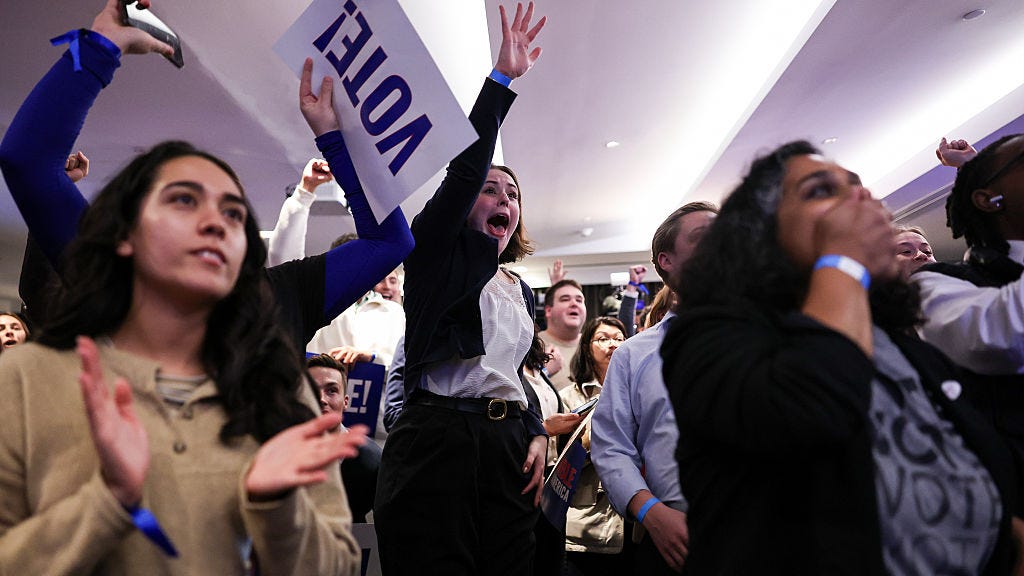
For starters, like Republicans after 2010, Democrats have won themselves an infusion of talent and energy atop the raw number of seats they’ve gained.
asserted
they → win → seats
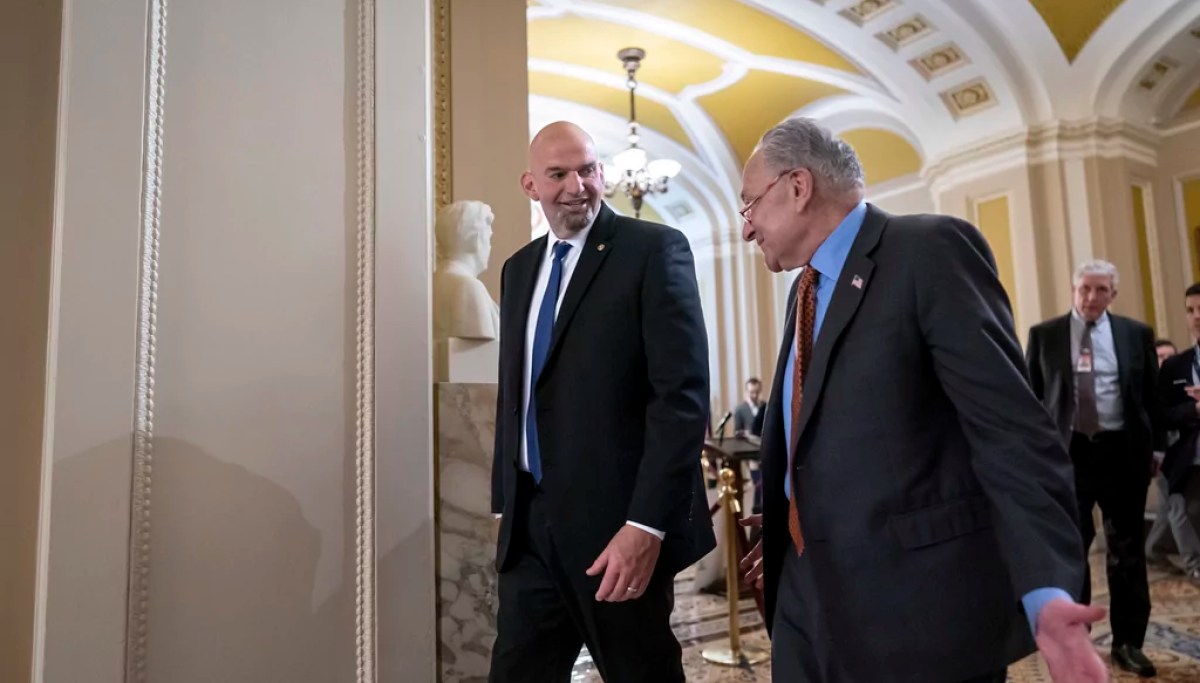
In the Senate alone, a slew of freshmen, from Iowa moderate Josh Turek to Michigan’s progressive rising star Abdul El-Sayed, will be well positioned to help the party shed its gerontocratic image.
asserted
party → rise → image
And some of the election’s largest victories indicate that Democrats have improved and built out the party’s infrastructure in ways that may pay dividends in the years to come.
uncertain
that → indicate → years
In Mississippi, for instance, quixotic-seeming investments aimed at harnessing angst and anger over the last decade’s regression in voting rights finally paid off with the election of Scott Colom, who will be the first Democratic senator to serve in that state since the 1980s.
asserted
who → seem → 1980s
In Texas, where Democrats have long hoped that demographic shifts would gradually swing elections in their favor, they finally captured not only a long-sought-after Senate seat, but every statewide position on the ballot, including the governorship.
asserted
they → hop → governorship
“As we sit here today,” Ted Cruz told followers in a solemn post-election video, “I am the only statewide elected Republican who remains in Texas.
asserted
who → sit → Texas
That’s not something I ever thought I would say.
asserted
I → ’ → ?
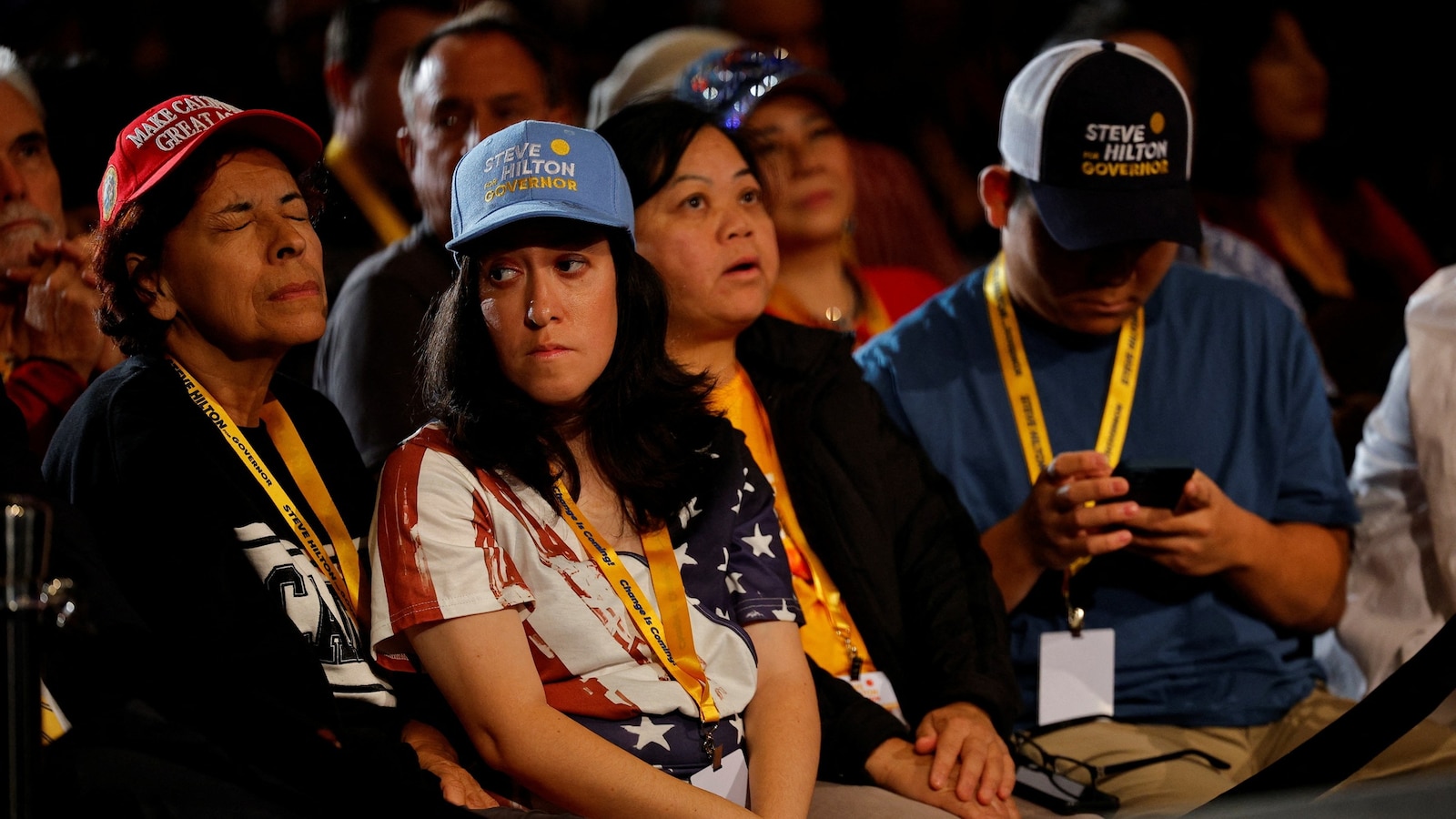
But, critically, those and Democrats’ other victories were the products less of a confidence in the Democratic party and its vision for the country than – quite similarly to the Republican’s 2010 midterm sweep – of the electorate’s pique towards the present administration and its policies, particularly a war with Iran that has, like the president’s inane tariff regime before it, elevated prices to no good end.
asserted
that → elevate → end
In spite of all that, Republicans were barely more unpopular than the Democrats were going into election day, though just about every move the president has made in the time since seems perfectly calibrated to widen the gap.
asserted
president → go → gap
Stephen Miller will now be running the White House as chief of staff; the ideas the administration has floated since that announcement have included going after non-profit groups for supposed terrorist ties, banning pregnant women from entering the country and naming the UFC’s Dana White as press secretary – a joke, Trump claimed, but at whose expense?
asserted
Trump → run → expense
Those developments have rendered the initial rhetoric Democrats adopted with a remarkable amount of unity immediately after the election a bit awkward.
asserted
Democrats → render → election
Establishment leaders and progressive stalwarts such as Bernie Sanders signaled a sincere willingness to work with the administration on affordability legislation – atop, of course, the messaging bills Democrats will send the president’s way for an expected veto.
asserted
Democrats → signal → veto
But if Miller’s promotion means we can expect more of the same, and worse, from the White House, Democrats will have to spend more time than most seem to want litigating the outrages to come – the impeachment of Pete Hegseth alone will not, and should not, satisfy the Democratic base.
asserted
impeachment → mean → base
The instincts of most Democrats that the party needs to keep a focus on material politics are right, however.
asserted
party → need → politics
Cory Booker said that the new Congress will have to draw out the “real connection between corruption and costs”.
asserted
Congress → say → corruption
Greg Casar, leader of the House’s progressives, has similarly promised to introduce a group of 10 bills “that focuses on costs and healthcare and corruption”.
asserted
that → promise → costs
But because Trump is unlikely to enact measures that meaningfully constrain him or hold him accountable for his own malfeasance, the Democrats’ task here is to finally advance an agenda that both indicts him and looks beyond him.
asserted
that → enact → him
They need to present an agenda with the message that Trump’s material and moral failures sit atop systemic failures and tendencies within Republican politics that will follow whoever Trump’s successor as leader of the party happens to be.
asserted
successor → need → party
That is, of course, if the American people dare to give the right another chance at power in the near future.
asserted
people → dare → future
That messaging hasn’t quite coalesced yet, but the factions vying for control of the Democratic party seem to have reached temporary agreement on a loose policy platform for the near to medium term.
asserted
factions → coalesce → term
A higher minimum wage and taxes on the very wealthy, more cracks at major healthcare reform and immigration reform, new regulations to rein in tech and AI, restrictions on foreign aid to rein in Israel – whether party centrists recognize it or not, the left’s organization and advocacy over the last decade brought Democrats to broad agreement on these priorities.
asserted
organization → rein → priorities
The party will have to lean into them all the harder now that Trump, the argument for Democratic governance they’ve come to rely upon, is finally shuffling off the political scene.
asserted
they → have → scene
While fears that Trump might seek out a third term now seem especially implausible, he will almost certainly remain a figure of influence on the right after he leaves office.
uncertain
he → seek → office
How much influence, exactly, will depend upon how much more damage he manages to do to the country over the next two years, along with the political calculus of Republican business interests, media executives and donors, who may well decide that rightwing populism has outlasted its usefulness.
uncertain
populism → depend → usefulness
For them, and for all the actors in American politics, including the American people, this is the real point of decision – not election day, even like the one we’ve just had, but this heady, uncertain moment after.
asserted
we → include → one
 The Aporia