Claims extracted
15
sentences that state something as happening or true
Uncertain
27%
4 of 15 hedged
("reportedly", "may", "according to")
Leaning
Leans left
of the writing, not the subject · beta estimate
Publisher signals
96/100
Toronto Sun's corrections and
hedging, across everything collected from it. Not a measure of accuracy.
Outlets on this story
7
Politics
Same framing elsewhere
1
articles that frame the event the way this one does
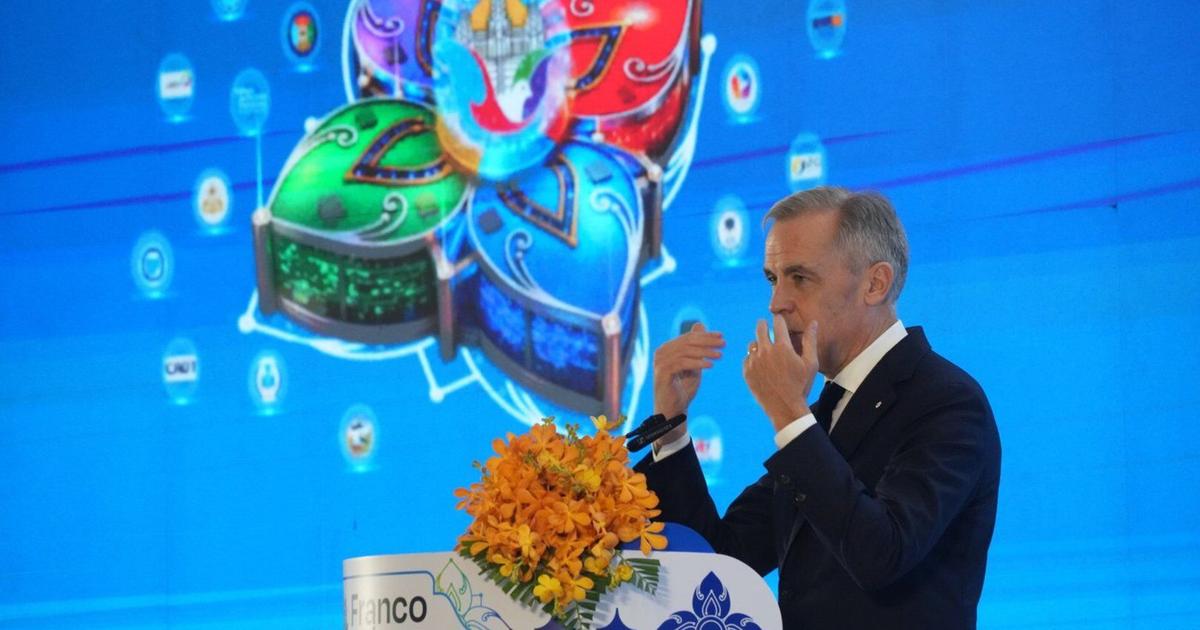
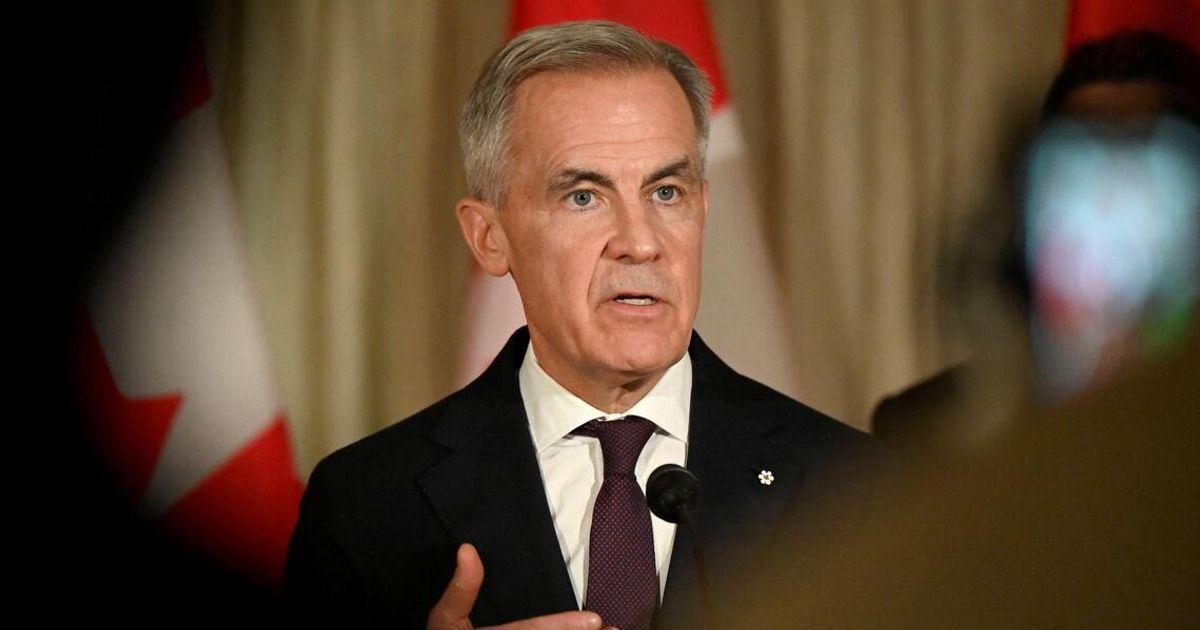
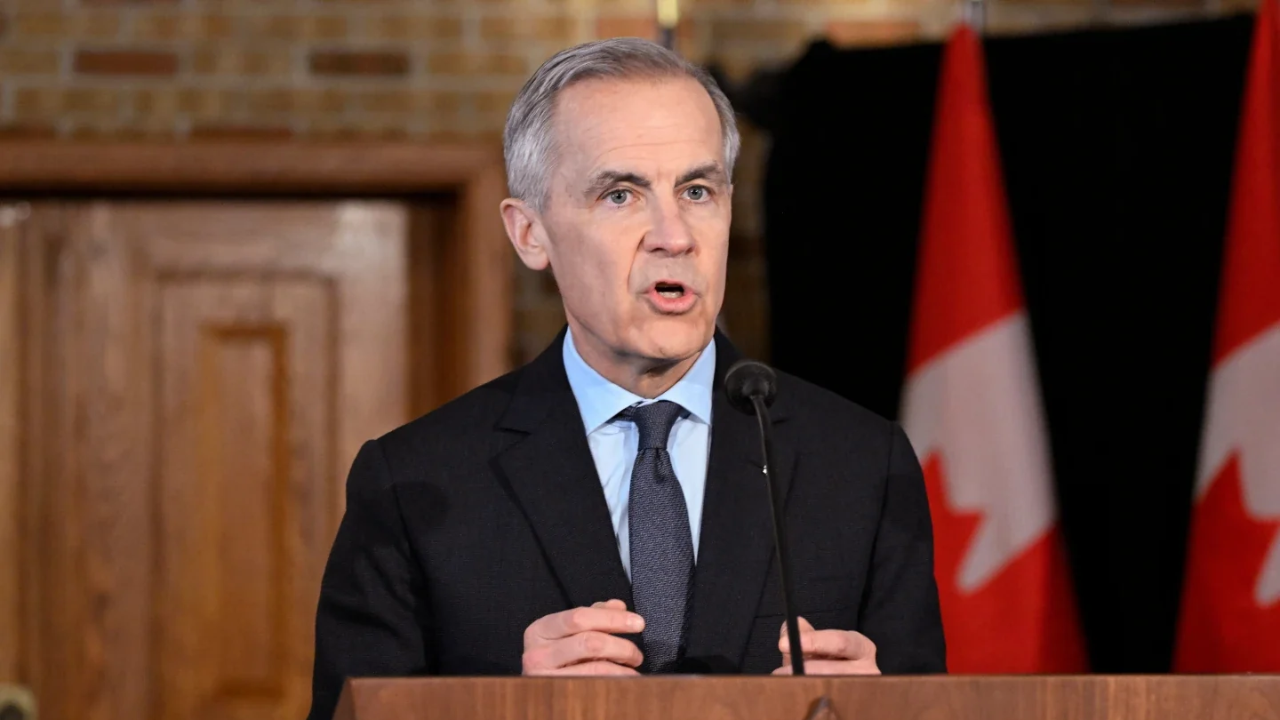
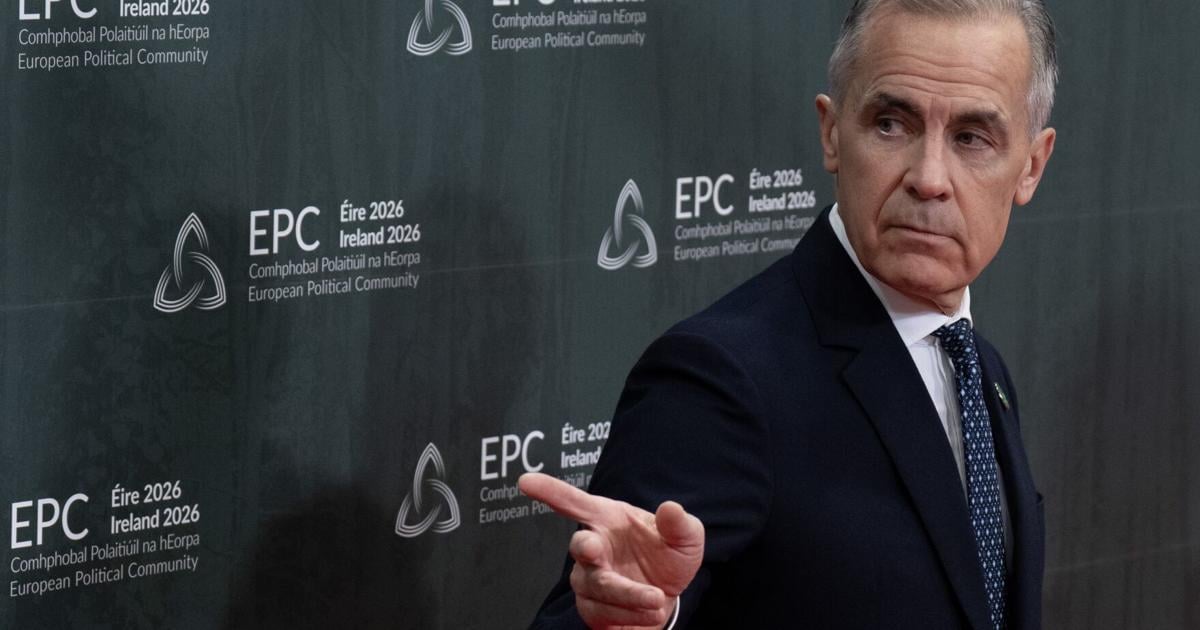
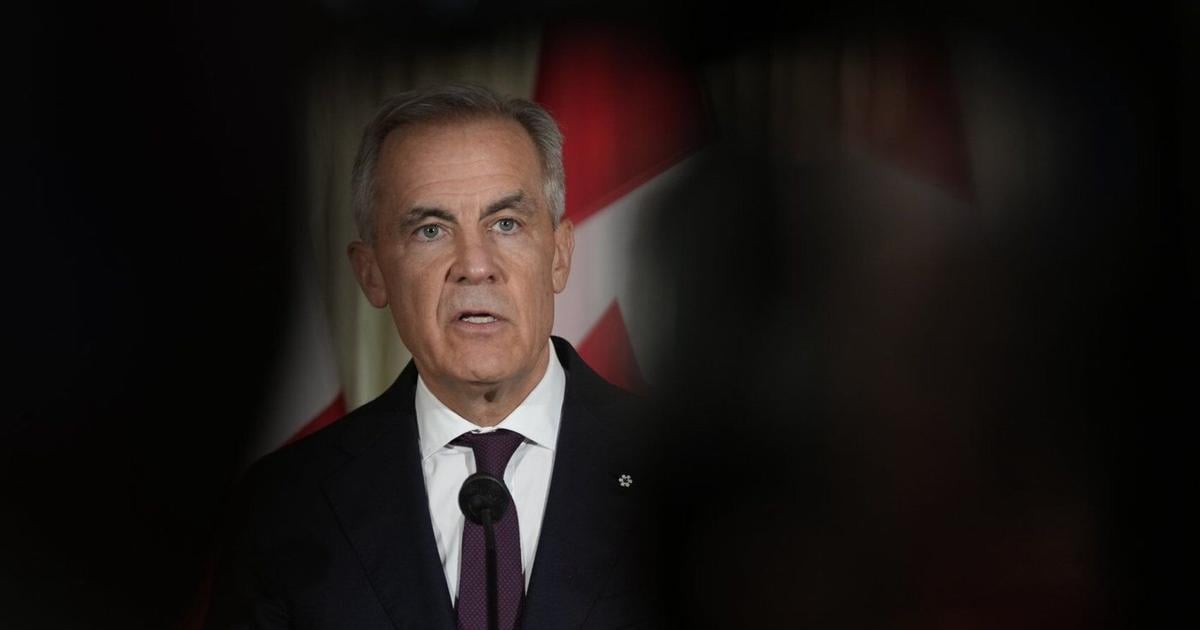
Prime Minister Mark Carney says U.S. President Donald Trump’s tariffs could compel Canada to increasingly reach out to Chinese automakers if North America’s auto industry becomes less integrated.
uncertain
industry → say → automakers
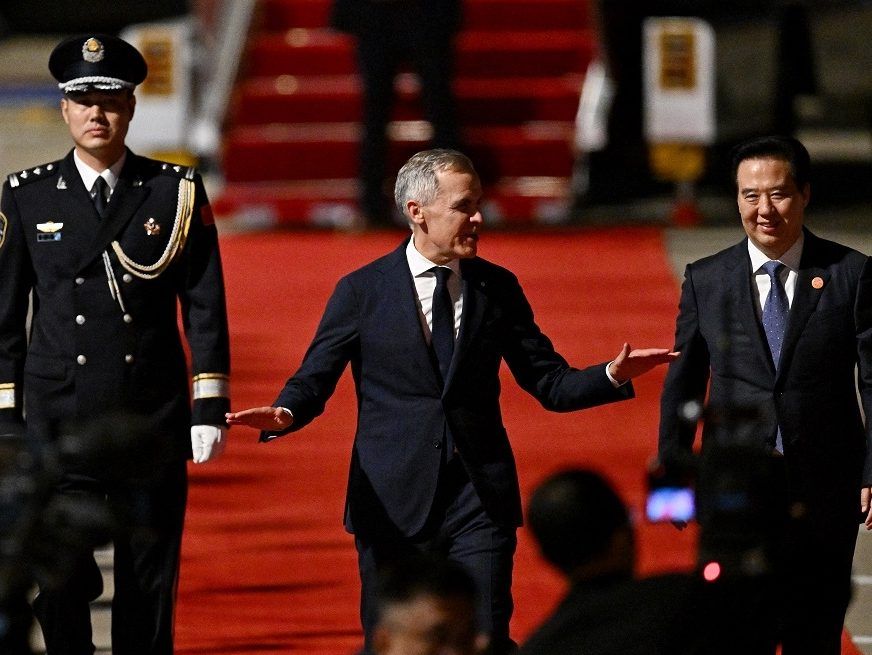
“We have the best auto workers in the world, and we want them fully deployed, full opportunity, in an integrated North American market,” Carney told media ahead of a meeting with Chinese President Xi Jinping at this week’s APEC summit in southern China, per Euronews.
asserted
Carney → have → Euronews
“That market has become less integrated because of U.S. trade actions.”
asserted
market → become → actions
Carney
Though Carney noted he doesn’t want to cut ties with the U.S., saying it was “the best result for Canadian workers, for Canadian business, and for U.S. consumers,” adding that negotiations with Washington remain his top priority.
asserted
negotiations → note → Washington
Carney said a lack of progress on those negotiations, however, could drive Canada to seek out other partners, such as European and Asian automakers.
uncertain
Canada → say → automakers
“It’s part of the trade negotiations, as you know — depending on where that settles, there’ll be other options, European options, Asian options, of course, Chinese, Japanese,” Carney said.
asserted
Carney → ’ → course
Trump’s tariffs
Trump imposed a 25% tariff on vehicle imports and certain auto parts with some exemptions according to the United States-Mexico-Canada Agreement (USMCA).
uncertain
Trump → impose → Agreement
After recent trade negotiations collapsed, Trump announced a 50% tariff on Canadian vehicles, automotive parts and steel starting on Jan. 1, 2027.
asserted
Trump → collapse → Jan.
Canada has threatened tariffs of its own if that happens.
asserted
that → threaten → own
This new tariff threat has rattled Detroit’s auto industry, with its “Big Three” — Ford, General Motors and Stellantis — operating factories on both sides of the border and in Mexico as well.
asserted
Three → rattle → Mexico
Carney says a potential China deal would have to include manufacturing in Canada instead of simple parts assembly, with labour standards, manufacturing facilities and especially electric vehicles that use Canadian critical minerals.
asserted
that → say → minerals
“It’s not just about kit cars,” he said.
asserted
he → ’ → cars
In January, Canada reduced its 100% on Chinese EVs to 6.1% and initially allowed 49,000 vehicles a year with a cap that will gradually increase.
asserted
that → reduce → cap
China, in exchange, agreed to relax tariffs on Canadian agricultural exports.
asserted
China → agree → exports
Premier Doug Ford criticized the deal, saying Chinese EVs could threaten Canadian jobs, particularly in Ontario, where most of Canada’s auto industry is located.
uncertain
most → criticize → industry
 The Aporia