Photo via Times of India

In 2023, a Kentucky farmer found an 1856 silver half dollar in his field; within an hour...

Read the original at Times of India ↗
Cite

TOI World Desk. (2026, September 17). In 2023, a Kentucky farmer found an 1856 silver half dollar in his field; within an hour... Times of India. https://timesofindia.indiatimes.com/world/us/in-2023-a-kentucky-farmer-found-an-1856-silver-half-dollar-in-his-field-within-an-hour-he-uncovered-800-coins-including-18-rare-1863-double-eagles-later-sold-for-more-than-3-million/articleshow/134317070.cms

Dated when The Aporia collected the article, usually within hours of publication. Check the original for its exact date and byline.

Times of India · collected 2026-09-17 · by TOI World Desk

Quick Summary

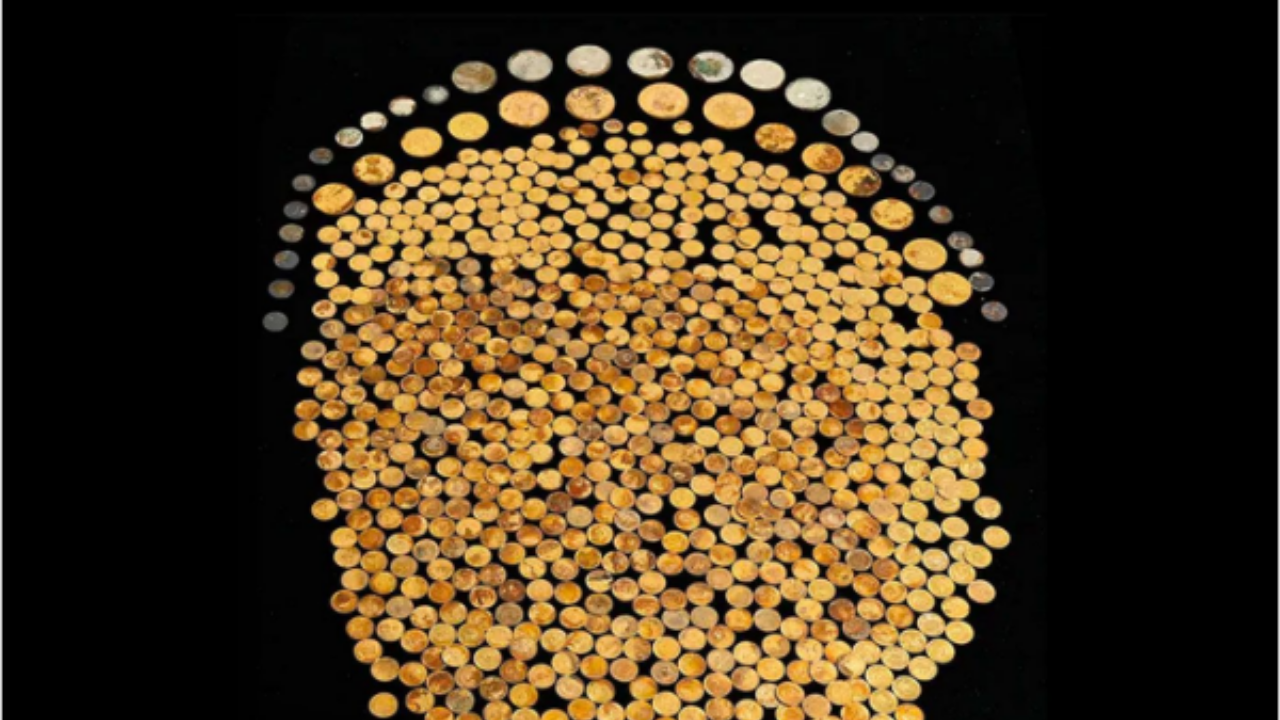
A Kentucky farmer discovered over 800 gold and silver coins from the Civil War era in his field, which later sold for more than $3 million. The find included a rare group of 18 1863-P $20 Gold Liberty Double Eagles, each valued at over $100,000 due to their exceptional condition. Coin expert Jeff Garrett described the discovery as one of the most significant moments in his career.
Written by AI on 2026-09-17, from this article's own text only (the story summary below draws on all the coverage).

AI analysis

Story summary

In 2023, a Kentucky farmer discovered an extraordinary collection of Civil War-era coins while working in his field. Initially, he found a single 1856 Seated Liberty silver half dollar, which led him to dig further, revealing more than 800 gold and silver coins over the next hour. This hoard, now known as the "Great Kentucky Hoard," was later sold for more than $3 million (£2.36 million) through private sales. The farmer told public television programme Kentucky Life that he never expected to find such a significant collection in his field, describing it as something that only happens in dreams.

Written for “Rare Coin Discovery” on 2026-11-01, grounded in this article and the 0 other(s) covering the same event.

Story

📰 Rare Coin Discovery
Other · 1 article(s) covering the same event.

Compared with similar articles

Nothing to compare against. No article is close enough to this one for the pipeline to have linked or judged the pair.
How this article was measured signals, leaning charts, publisher record, byline, topics and claims

Signals How these are calculated →

Claims extracted
35
sentences that state something as happening or true
Uncertain
6%
2 of 35 hedged ("reportedly", "may", "according to")
Leaning
not political
takes no side on a contested political question
Publisher signals
59/100
Times of India's corrections and hedging, across everything collected from it. Not a measure of accuracy.
Outlets on this story
1
Other
Same framing elsewhere
1
articles that frame the event the way this one does
Analyzed 2026-09-17 · how these are computed

How this is being covered How these are calculated →

Article leaning vs. publisher reliability
Source leaning vs. consistency

Publisher

Times of India · 3845 article(s) · 2 correction(s) detected
Running correction rate · 2 correction(s)

Who wrote this

TOI World Desk
1278 article(s) here · 1 carrying a prediction
🔮 For 39 years, Marilyn Hampton worked as a custodian at a school district in Texas, US, cleaning buildings and helping children whenever she could.
🔮 In September 2021, they signed a written agreement explaining how their money would be handled.
🔮 The neighbours sought court-ordered access to Bosco’s land so they could inspect it and gather evidence for their claims.
🔮 What might appear to be an extraordinary endurance challenge is also a personal statement about the possibilities that can emerge after a life-changing accident.
🔮 The investors were therefore not given important information that could have influenced their decisions about whether to invest.
🔮 A woman who won £1 million in a UK lottery draw decided to share her good fortune by giving £5,000 to her neighbours of 14 years so their family could take its first holiday abroad.
🔮 In making that judgment, officials may consider the humane treatment of wild horses and burros, along with other considerations required by the law.
🔮 The legal argument over property rights and a neighbouring falcon business Thomas challenged the ruling on the grounds that it placed an unreasonable restriction on how he could use his own property.
🔮 The court also rejected the argument that presenting the dispute as a contractual violation could take it outside that legal protection.
🔮 But a little boy would not do for traditional coffee.
Wire or desk byline, not an individual reporter.
Also by TOI World Desk
Nothing else under this byline is closely related to this article, so these are simply their most recent.
All 1278 articles by TOI World Desk →

Topics

Civil War Kentucky NGC Seated Liberty Seated Liberty Half Dollar

Subjects

Kentucky GPE · 3× NGC ORG · 3× Confederate NORP · 2× the Smithsonian Institution ORG · 2× American NORP · 1× Jeff Garrett PERSON · 1× Liberty ORG · 1× Mid-America Rare Coin Galleries ORG · 1× the Numismatic Guaranty Company ORG · 1× the US Treasury ORG · 1×

Narrative

"I initially found the 1856 Seated Liberty Half Dollar probably 20 to 30 feet from where the hoard was located," the farmer later said in an interview with the public television programme Kentucky Life.
framing: assertive · carried by 1 article(s) · first seen 2026-09-17
🔮 "I would have never believed what came next.

Claims (35 extracted, 2 hedged)

A Kentucky farmer working in his field has uncovered an extraordinary collection of Civil War-era coins. asserted
farmer → work → coins
He found more than 800 gold and silver coins, which later sold for more than $3 million (£2.36 million) through private sales. asserted
which → find → sales
The discovery, now known to coin experts as the "Great Kentucky Hoard", began when the farmer found a single 1856 Seated Liberty silver half dollar in the dirt. asserted
farmer → know → dirt
"I initially found the 1856 Seated Liberty Half Dollar probably 20 to 30 feet from where the hoard was located," the farmer later said in an interview with the public television programme Kentucky Life. asserted
farmer → find → Life
"I would have never believed what came next. asserted
what → believe → ?
Things that only happen in dreams." asserted
that → happen → dreams
As he continued walking across his property, he noticed something shiny in the soil. asserted
he → continue → soil
"When I continued walking and saw the glint of gold, a thick reeded edge," he told the broadcaster. asserted
he → continue → broadcaster
"When I pulled the coin from the ground, I was astonished when I realized I was holding a $20 Double Eagle from the 1860s. asserted
I → pull → 1860s
After I flipped the first clump of dirt over the next 45 minutes to an hour, the coins kept coming. asserted
coins → flip → hour
I knew it was hundreds." asserted
it → know → ?
Within about an hour of digging, he had recovered more than 700 gold coins and several dozen silver pieces. asserted
he → dig → coins
The discovery revealed a collection that had been buried for more than 160 years. asserted
that → reveal → years
After finding the coins, the farmer sought professional help to identify and protect them. asserted
farmer → find → them
He also took steps to keep his name and the exact location of his farm private to prevent people from trespassing on the property. asserted
He → take → property
The collection was sent to the Numismatic Guaranty Company (NGC) for authentication, cleaning and grading. asserted
collection → send → authentication
According to information published by NGC, most of the discovery consisted of $1 US gold dollars made between 1850 and 1862. uncertain
most → accord → 1850
The hoard also contained smaller numbers of $10 Liberty gold coins and $20 Liberty Double Eagles. asserted
hoard → contain → coins
Collectors highly value this particular type because the US Treasury produced only 3,607 of the coins for circulation during the Civil War year. asserted
Treasury → value → year
Finding even one 1863 Double Eagle in uncirculated condition is considered a major event for coin collectors. asserted
Finding → find → collectors
Finding 18 well-preserved examples in one place was extremely unusual. asserted
Finding → find → place
Jeff Garrett, a coin expert with Mid-America Rare Coin Galleries who examined the collection, described the discovery as an important moment in his career during his appearance on Kentucky Life. asserted
who → examine → Life
"The importance of this discovery cannot be overstated," Garrett said in NGC's official report on the hoard. asserted
Garrett → overstate → hoard
"Finding one Mint condition 1863 Double Eagle would be an important numismatic event. asserted
Finding → find → Eagle
Finding nearly a roll of superb examples is hard to comprehend." asserted
Finding → find → examples
Individual 1863 $20 Double Eagles from the hoard were later valued at more than $100,000 each because of their excellent condition. asserted
Eagles → value → condition
Civil War conflict may explain buried coins Historical information from the Smithsonian Institution suggests that the coins were buried around 1863, during one of the most dangerous periods of the American Civil War. uncertain
coins → explain → War
Kentucky officially declared itself neutral when the war began in 1861, but the state soon became an important battleground between Union and Confederate supporters. asserted
state → declare → supporters
In the summer of 1863, Confederate General John Hunt Morgan led a series of cavalry raids, known as Morgan's Raid, through Kentucky, Ohio and Indiana. asserted
Morgan → lead → Kentucky
Historians from the Smithsonian Institution say wealthy landowners and farmers often buried paper money, silver and gold coins in fields to protect their savings from soldiers and armed groups. asserted
landowners → say → soldiers
Some people who buried their wealth were later killed, forced to leave their homes or captured during the war. asserted
who → bury → war
As a result, many buried collections remained underground for generations. asserted
collections → bury → generations
The coin dealer GovMint later handled the commercial sale of the certified coins. asserted
dealer → handle → coins
Individual pieces were offered to private collectors with special labels identifying them as genuine coins from the Great Kentucky Hoard. asserted
pieces → offer → Hoard
Private buyers and investors eventually purchased the collection, generating more than $3 million (£2.36 million) for the anonymous finder. asserted
buyers → purchase → finder

💬Give feedback
🕘History 🎫Support