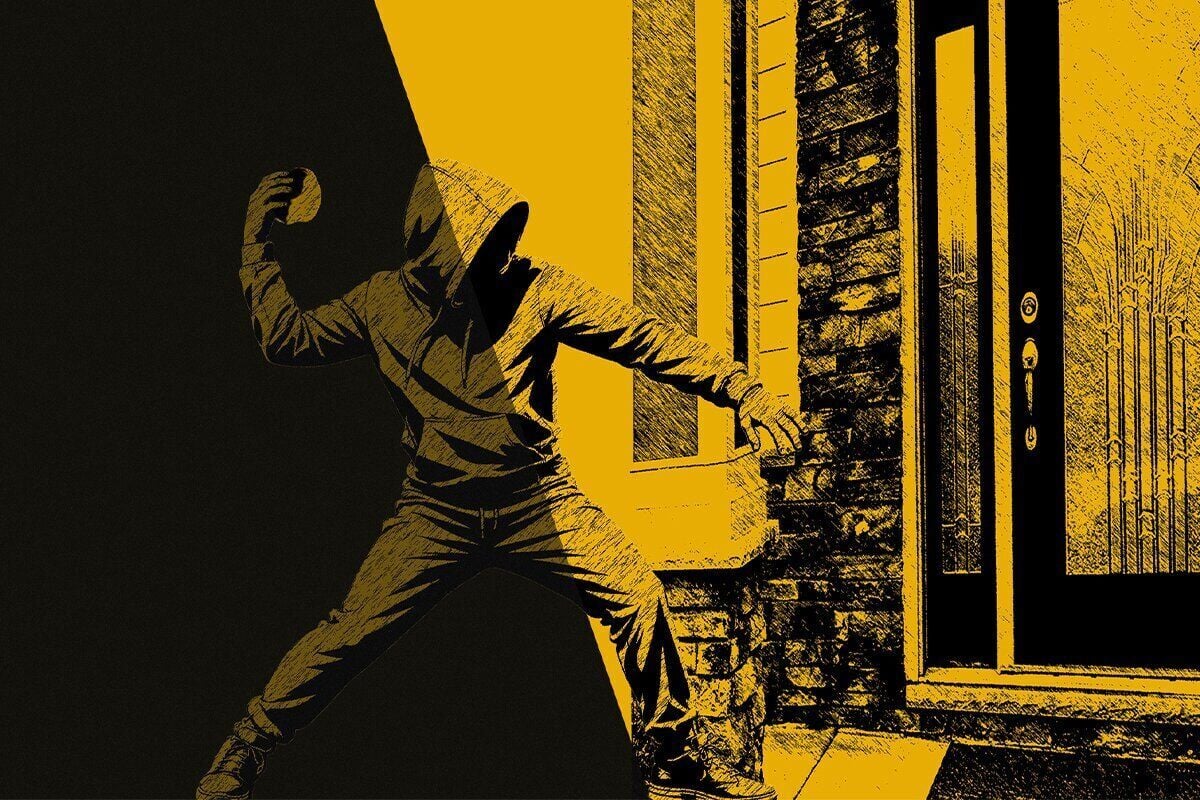
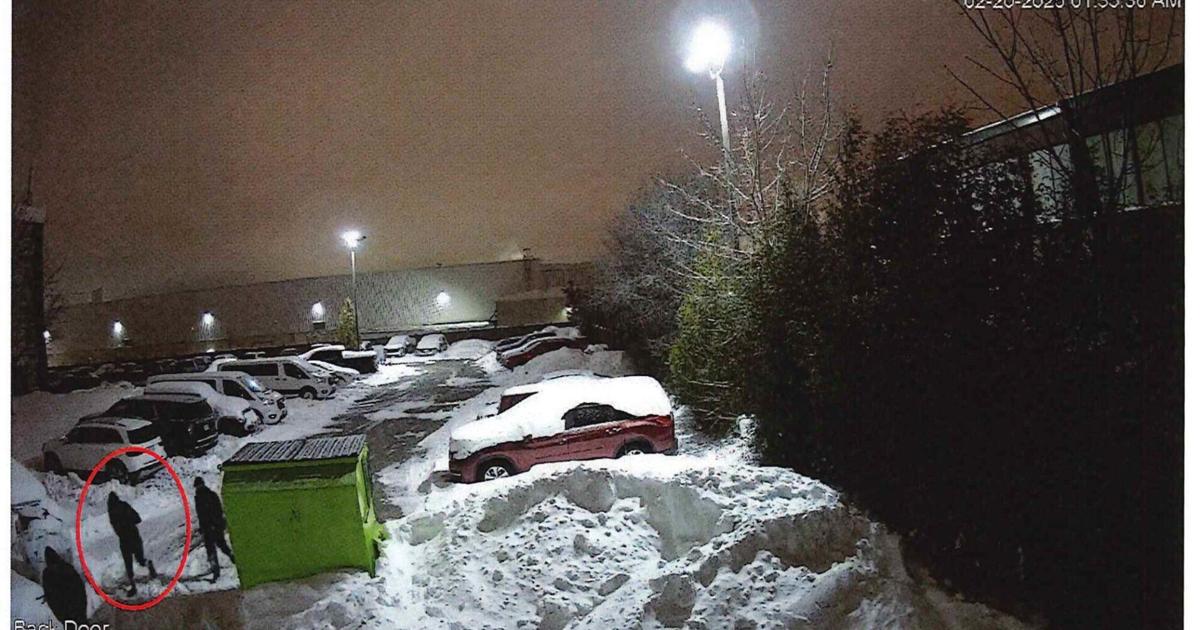
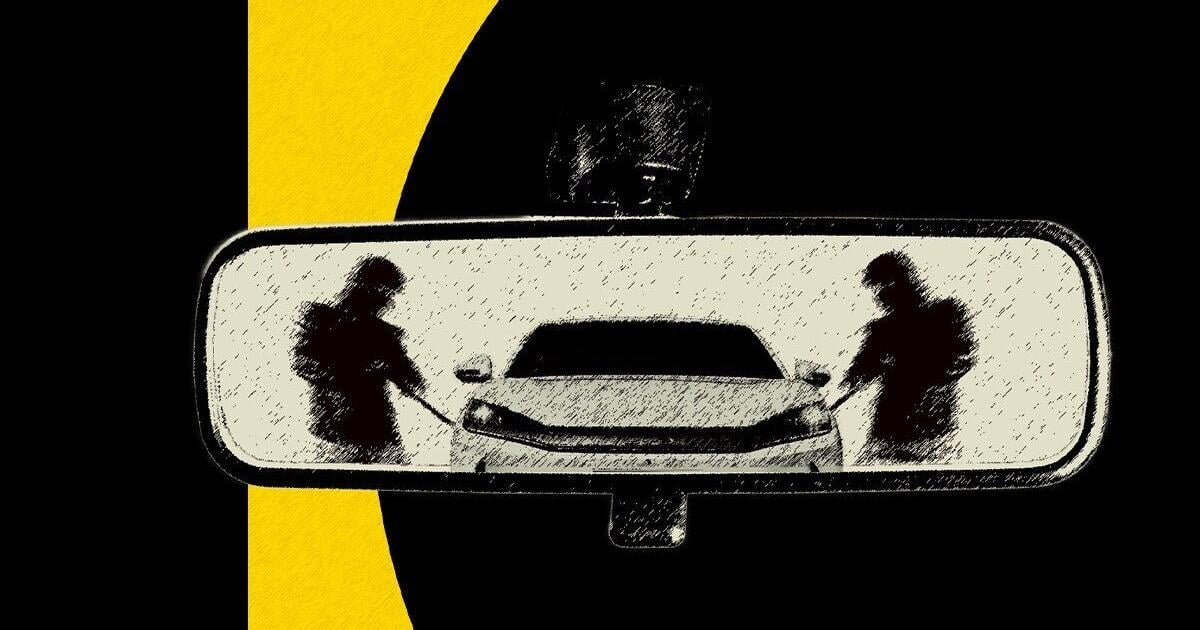
With the grace of a major league pitcher, Naz Tokhi’s partner-in-crime plants his feet, transfers his weight back, then explodes forward with a snap of his right arm, firing a carefully selected rock through the glass of a front door.
asserted
partner → plant → door
He reaches in, turns the lock, and both men enter the Toronto home, running shoes crunching over shattered glass.
asserted
shoes → reach → glass
Tokhi’s goal is to obtain the car keys belonging to a $140,000 BMW parked in a Toronto driveway.
asserted
goal → obtain → driveway
He will do this 10 times over a span of two months.
asserted
He → do → months
When he is caught, he will be released on bail, then allegedly go back to stealing cars.
uncertain
he → catch → cars
The vehicles he and his crew take are worth between $80,000 and $200,000.
asserted
he → take → ?
Many of these cars are shipped out of Canada’s ports to the Middle East and West Africa — many ending up in Russia where the cars can be sold for twice their value.
asserted
cars → ship → value
They split a few thousand tax-free dollars for each job.
asserted
They → split → job
This is the state of car theft these days — from thefts exploiting cutting-edge technology a few years ago to literal Stone Age methods.
asserted
This → exploit → methods
What police have called Canada’s “car theft crisis” began during the COVID-19 pandemic.
asserted
called → call → pandemic
For three years, thefts exploded to record levels as criminals took advantage of technology to silently make off with cars and SUVs in the dead of the night, as you and your neighbours slept.
asserted
you → explode → night
By 2023, more than 80 vehicles were being stolen every day in the Greater Toronto Area as teams of thieves used a “relay attack,” employing a modified iPad to pick up the radio signal between a key fob inside a house and the car in the driveway.
asserted
teams → steal → driveway
It allowed them to unlock the car door, clone the key fob and drive off.
asserted
them → allow → fob
I know, because that’s how my Toyota Highlander was stolen in the fall of 2021.
asserted
Highlander → know → 2021
I tracked it to a Halifax port where it was nestled with a second Highlander, about to set sail for the Middle East.
asserted
it → track → East
Police and homeowners have since fought back.
asserted
Police → fight → ?
They purchased signal-blocking Faraday bags and boxes to shield their key fobs.
asserted
They → purchase → fobs
Some figured a microwave would do the trick, so they saved the cash.
asserted
they → figure → cash
When it was discovered that thieves used the 17-character Vehicle Identification Number (VIN) visible under a car’s windshield to clone the key fob, people covered the VIN using something thin enough to fit between the dashboard and glass.
asserted
people → discover → dashboard
(I used a CD — Bruce Springsteen.)
asserted
I → use → CD
Another popular one was purchasing a “port blocker” to lock the access port under the dashboard, which mechanics use to diagnose your car and thieves use to hook up their key-cloning device.
asserted
thieves → purchase → device
The bad guys were stymied, briefly.
asserted
guys → stymie → ?
By 2026, the rate of thefts has fallen from the height of the pandemic, along with overall crime rates.
asserted
rate → fall → rates
Thefts have become less reliant on technology.
asserted
Thefts → become → technology
Today, “relay thefts aren’t even remotely common,” says Durham Regional Police Det. Josh Brown, and some auto manufacturers have even changed key fob technology so they go to sleep when not moving — there is no signal to pick up outside the house.
asserted
they → say → house
Meanwhile, many young, low-level criminals have been arrested.
asserted
criminals → arrest → ?
But some of these same thieves are already out of jail, new ones have been recruited, the serious organized criminals at the top were never caught, and rather than go back to how it was before the pandemic, the state of the car theft crisis has settled into a new, often more violent normal.
asserted
state → recruit → normal
Which brings us to Naz Tokhi.
asserted
Which → bring → Tokhi
His tale is one part of the story of how cars get stolen in Canada in 2026.
asserted
cars → steal → 2026
Each will tell a part of the tale, from how it’s done to the hunt for the elusive Mr. Bigs, who police have been unable to catch because they hide behind encrypted apps like Telegram, Signal and WhatsApp.
asserted
they → tell → Telegram
If you have a front door with a glass panel, get rid of it
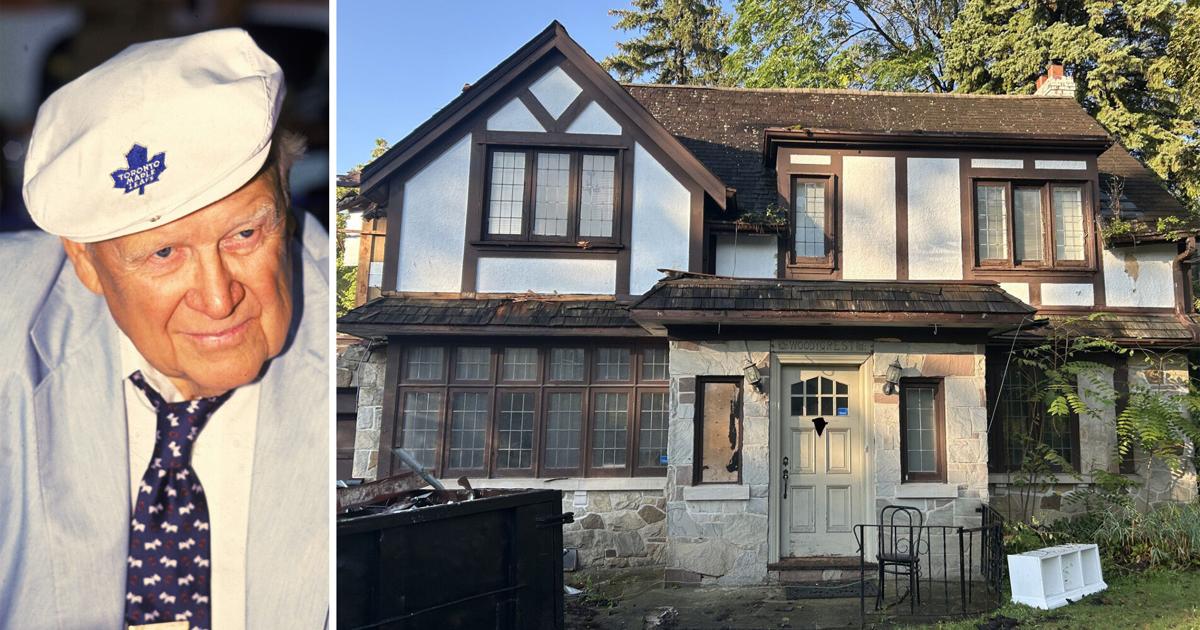
Bradley Rosenberg happened to be visiting his parents in August 2023, staying overnight at their spacious bungalow on Restwell Crescent, a heavily treed street in North York.
asserted
Rosenberg → have → York
His mother drove a 2024 Mercedes-Benz C300, and she kept it tucked in the garage, so Rosenberg parked his brand-new blue BMW X7 on the brick driveway.
asserted
Rosenberg → drive → driveway
They had a nice evening catching up, and everyone was long asleep when two hooded, masked men showed up on the front porch at 12:38 a.m.
asserted
men → have → porch
Their arrival a few minutes earlier had triggered a motion sensor on the Rosenbergs’ garage, and a light had snapped on.
asserted
light → trigger → garage
From the road, the driver of a white SUV, wearing a light grey hoodie, scans the front porch with a flashlight.
asserted
driver → wear → flashlight
Seeing no movement, he gets out and saunters up the driveway, as calmly as if he is making a daylight delivery.
asserted
he → see → delivery
He checks the double doors in the front.
asserted
He → check → front
Both have a large glass pane; he peers in, but the blinds are closed on the doors.
asserted
blinds → have → doors
Stooping, he runs his hand along the porch to the left of the door in case there is a key.
asserted
he → stoop → case
Straightening, he walks around the house and onto the rear deck.
asserted
he → straighten → deck
…and 207 more, not listed.
 The Aporia