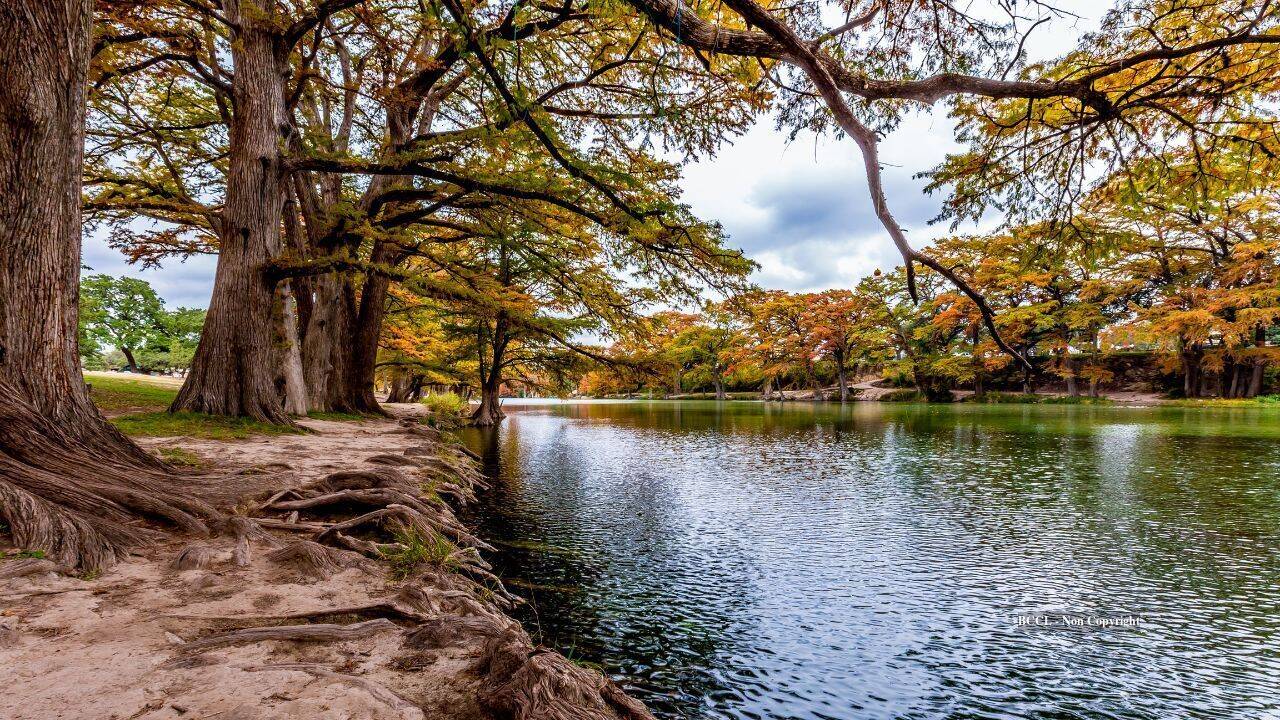
Photo via Times of India

California approves $5 mn toward Chumash Tribe’s $18 mn purchase of former abalone farm land

Read the original at Times of India ↗
Cite

TOI World Desk. (2026, September 18). California approves $5 mn toward Chumash Tribe’s $18 mn purchase of former abalone farm land. Times of India. https://timesofindia.indiatimes.com/world/us/california-approved-5-million-toward-buying-357-coastal-acres-once-home-to-americas-largest-abalone-farm-the-18-million-tribal-acquisition-could-revive-aquaculture-and-restore-habitat/articleshow/134330782.cms

Dated when The Aporia collected the article, usually within hours of publication. Check the original for its exact date and byline.

Times of India · collected 2026-09-18 · by TOI World Desk

Quick Summary

California has approved $5 million towards the purchase of a 357-acre coastal property in Cayucos that once housed the largest abalone farm in the United States, valued at $18 million by the Northern Chumash Tribe. The tribe aims to restore parts of the land and its former aquaculture operation using indigenous stewardship practices. As of June 2026, they have raised nearly $8.2 million towards their goal, including a significant grant from California’s Sustainable Agricultural Lands Conservation Program. This article highlights the cultural significance of the property to the Chumash Tribe and their plans for ecological restoration and reconnecting with ancestral land.
Written by AI on 2026-09-19, from this article's own text only (the story summary below draws on all the coverage).

AI analysis

Story summary

California approved $5 million towards the Chumash Tribe’s $18 million purchase of 357 coastal acres in Cayucos, formerly the site of the largest abalone farm in the US. The property, known as Alexander Ranch, includes one mile of coastline, a eucalyptus grove essential for monarch butterfly habitat, and seasonal creeks flowing into Estero Bluffs. According to The Tribune, the tribe’s nonprofit organization entered into a purchase agreement with John Alexander's estate in 2024, aiming to restore parts of the land and its former aquaculture operation by October 15, when the escrow period ends. As of June 2026, they had raised almost $8.2 million, including a $7 million grant from California's Sustainable Agricultural Lands Conservation Program. Becca Lucas Thomas, executive director of the ytt Northern Chumash Nonprofit, highlighted the property’s historical significance to her people and its importance for ecological restoration.

Written for “Chumash Tribe Land Purchase” on 2026-11-03, grounded in this article and the 0 other(s) covering the same event.

Story

📰 Chumash Tribe Land Purchase
Politics · 1 article(s) covering the same event.

Compared with similar articles

Nothing to compare against. No article is close enough to this one for the pipeline to have linked or judged the pair.
How this article was measured signals, leaning charts, publisher record, byline, topics and claims

Signals How these are calculated →

Claims extracted
59
sentences that state something as happening or true
Uncertain
15%
9 of 59 hedged ("reportedly", "may", "according to")
Leaning
not political
takes no side on a contested political question
Publisher signals
59/100
Times of India's corrections and hedging, across everything collected from it. Not a measure of accuracy.
Outlets on this story
1
Politics
Same framing elsewhere
1
articles that frame the event the way this one does
Analyzed 2026-09-19 · how these are computed

How this is being covered How these are calculated →

Article leaning vs. publisher reliability
Source leaning vs. consistency

Publisher

Times of India · 3984 article(s) · 3 correction(s) detected
Running correction rate · 3 correction(s)

Who wrote this

TOI World Desk
1381 article(s) here · 1 carrying a prediction
🔮 The restored property will take time to develop into a mature habitat, but the project offers an example of how privately owned agricultural land can contribute to biodiversity recovery.
🔮 The return of these mammals is therefore expected to benefit more than just the animals themselves.
🔮 Origins of the emergency relief campaign The project started in early 2020 when Dozier realised that federal emergency support money could take months to reach low-income workers who were at immediate risk of losing their homes.
🔮 Before that, visitors could participate in organised activities such as guided hikes, birdwatching, educational programmes and public hunts.
🔮 While their decision to buy an abandoned French hamlet might appear like an unexpected adventure, Yip and Paul's official website reveals that their story together began decades earlier.
🔮 Hundreds of polar bears are expected to gather near the Canadian town of Churchill in Manitoba as temperatures fall and the animals wait for Hudson Bay to freeze.
🔮 Together they would support the reforestation of Mutuba trees in Uganda for three years.
🔮 In the letter, he apologised for forgetting to send his greetings earlier and expressed hope that they would meet the following year again.
🔮 Meeker told Signal Akron that the sculpture contained details that people could continue discovering over time.
🔮 The possibility that the farm could eventually reach another generation now seems less remote.
Wire or desk byline, not an individual reporter.
Also by TOI World Desk
Nothing else under this byline is closely related to this article, so these are simply their most recent.
All 1381 articles by TOI World Desk →

Topics

California Cayucos Sustainable Agricultural Lands Conservation Program The Tribune The yak titʸu titʸu yak tiłhini Northern Chumash Tribe

Subjects

Thomas PERSON · 3× California GPE · 2× The Harmony Coast Aquaculture Institute ORG · 2× The Tribune ORG · 2× Becca Lucas Thomas PERSON · 1× Cayucos GPE · 1× John Alexander PERSON · 1× Northern Chumash Nonprofit ORG · 1× Sustainable Agricultural Lands Conservation Program ORG · 1× The yak titʸu titʸu yak tiłhini Northern Chumash Tribe ORG · 1×

Narrative

The tribe historically transplanted selected plant species, maintained waterways and used intentional burning to manage the landscape. “While we look at this beautiful coastline, remember that it looks this way intentionally.
framing: assertive · carried by 1 article(s) · first seen 2026-09-19
🔮 It includes a eucalyptus grove that provides monarch butterfly habitat, a seasonal creek flowing into the Estero Bluffs and hills covered with grasses, sage and willow trees.

Claims (59 extracted, 9 hedged)

California has approved $5 million towards the purchase of 357 coastal acres in Cayucos that once housed the largest abalone farm in the US. asserted
that → approve → US
The yak titʸu titʸu yak tiłhini Northern Chumash Tribe is seeking to buy the property for $18 million and restore parts of the land and its former aquaculture operation. asserted
Tribe → seek → land
According to The Tribune, the property, known as Alexander Ranch, has about one mile of coastline. uncertain
property → accord → coastline
It includes a eucalyptus grove that provides monarch butterfly habitat, a seasonal creek flowing into the Estero Bluffs and hills covered with grasses, sage and willow trees. asserted
that → include → grasses
The tribe's nonprofit organisation entered into a purchase agreement with the estate of engineer John Alexander in 2024. asserted
organisation → enter → 2024
The fundraising deadline is October 15, when the escrow period ends. asserted
period → end → ?
As of June 2026, the organisation had raised almost $8.2 million, including a $7 million grant from California's Sustainable Agricultural Lands Conservation Program. asserted
organisation → raise → Program
According to Becca Lucas Thomas, executive director of the ytt Northern Chumash Nonprofit, the land has a long connection with her people. uncertain
land → accord → people
Before Alexander used the property for aquaculture, it was home to an Indigenous village called tsitxala. asserted
it → use → village
The tribe had harvested abalone from the coast for thousands of years. asserted
tribe → harvest → years
It holds a lot of history. asserted
It → hold → history
To have the opportunity to bring this place back to our families today is really remarkable," Thomas says, as quoted by The Tribune. asserted
Thomas → bring → Tribune
Tribe plans restoration work asserted
Tribe → plan → work
If the purchase goes through, the tribe plans to manage the property using indigenous stewardship practices. asserted
tribe → go → practices
The proposed restoration work includes repairing habitats in the Villa Creek watershed, with the aim of supporting the return of steelhead trout. asserted
work → propose → trout
The project is called yatspasini wa yaktspu Conservancy, meaning 'Ocean to land conservancy'. asserted
project → call → conservancy
Lucas Thomas saysthe landscape had been actively managed by indigenous people before colonists forcibly removed them. asserted
colonists → manage → them
The tribe historically transplanted selected plant species, maintained waterways and used intentional burning to manage the landscape. “While we look at this beautiful coastline, remember that it looks this way intentionally. asserted
it → transplant → coastline
It was created by our ancestors,” Thomas says. asserted
Thomas → create → ancestors
The property also offers a place for the tribe to reconnect with its ancestral land. asserted
tribe → offer → land
Thomas says members could eventually gather and camp there without having to seek permission from another landowner or rent a campsite. uncertain
members → say → campsite
The former abalone farm, closed in 2020, is part of the $18 million Alexander Ranch sought by the Northern Chumash Tribe. asserted
farm → close → Tribe
Former abalone farm could reopen uncertain
farm → reopen → ?
The property also contains the remains of an abalone farm built during the 1960s. asserted
property → contain → 1960s
At its peak, the farm raised about 1 million abalone each year for meat. asserted
farm → raise → meat
The facility closed in 2020. asserted
facility → close → 2020
About 900 concrete aquaculture tanks have remained unused since then. asserted
tanks → remain → ?
The Harmony Coast Aquaculture Institute currently leases the facility and wants to work with the tribe on bringing the farm back into operation. asserted
Institute → lease → operation
Ben Ruttenberg, co-founder of the Harmony Coast Aquaculture Institute and director of Cal Poly's Center for Coastal Marine Sciences, said of ytt Tribe, "They are the perfect partner. asserted
They → say → Tribe
The institute also holds a state permit for the farm's seawater intake pipe. asserted
institute → hold → pipe
According to Ruttenberg, the pipe can bring in about 7,000 gallons of seawater per minute. uncertain
pipe → accord → minute
He said such permits are very difficult to obtain and are important for an aquaculture operation. asserted
permits → say → operation
The proposed system would use algae as part of the water treatment process. asserted
system → propose → process
Seawater would first be pumped into an algae tank, where the algae would absorb nutrients. asserted
algae → pump → nutrients
This would lower the water's carbon content and acidity before it reaches the abalone tanks. asserted
it → lower → tanks
That is important because abalone build their calcium carbonate shells more effectively in less acidic water. asserted
abalone → build → water
The farm could also use the algae as food for the abalone. uncertain
farm → use → abalone
The animals need large amounts of food and can take about five years to reach market size. asserted
animals → need → size
After passing through the abalone tanks, the water would have higher carbon content and acidity because of the animals' waste. asserted
water → pass → waste
It would therefore pass through another algae tank before being released back into the ocean. asserted
It → pass → ocean
…and 19 more, not listed.

💬Give feedback
🕘History 🎫Support