As Americans debate Iran and artificial intelligence, lawmakers have found common ground on what is apparently a more pressing issue: requiring AM radios in cars.
asserted
what → debate → cars
On Tuesday, the House passed the AM Radio for Every Vehicle Act, which would require the Transportation Department to issue a rule "requiring AM radio capabilities to be standard in all new passenger vehicles."
asserted
capabilities → pass → vehicles
The rule would go into effect for large manufacturers no more than two years after the rule is issued.
asserted
rule → go → manufacturers
As Jacob Stern has noted in The Atlantic, the push to mandate AM radios in cars has united lawmakers across the political spectrum since 2023, bringing together figures as different as Sens. Ted Cruz (R–Texas) and Bernie Sanders (I–Vt.).
asserted
push → note → Cruz
An earlier version of a bill requiring AM radio in cars failed to pass through the Senate, but now lawmakers in both chambers are taking up the issue once again.
asserted
lawmakers → require → issue
The legislation pits automakers against the broadcasting industry.
asserted
legislation → pit → industry
Car companies don't like the bill.
asserted
companies → like → bill
It would force manufacturers that have already ditched AM radio in their electric vehicles (EVs) to make substantive changes to their manufacturing processes and designs.
asserted
that → force → processes
(Tesla has removed both FM and AM radio from entry-level cars altogether.)
asserted
Tesla → remove → cars
According to The Wall Street Journal, "Many carmakers have said that currents from EV motors can interfere with AM broadcast signals and have removed radio receivers from newer models as a result."
uncertain
currents → accord → result
Plus, "an industry-funded study by the group Center for Automotive Research estimated it would cost automakers $3.8 billion to mitigate interference between EVs and AM radio," even as automakers already navigate higher fuel prices, tariffs, and competition from Chinese car manufacturers.
asserted
automakers → fund → manufacturers
But the broadcasters appear to be currying more favor in Washington.
asserted
broadcasters → appear → Washington
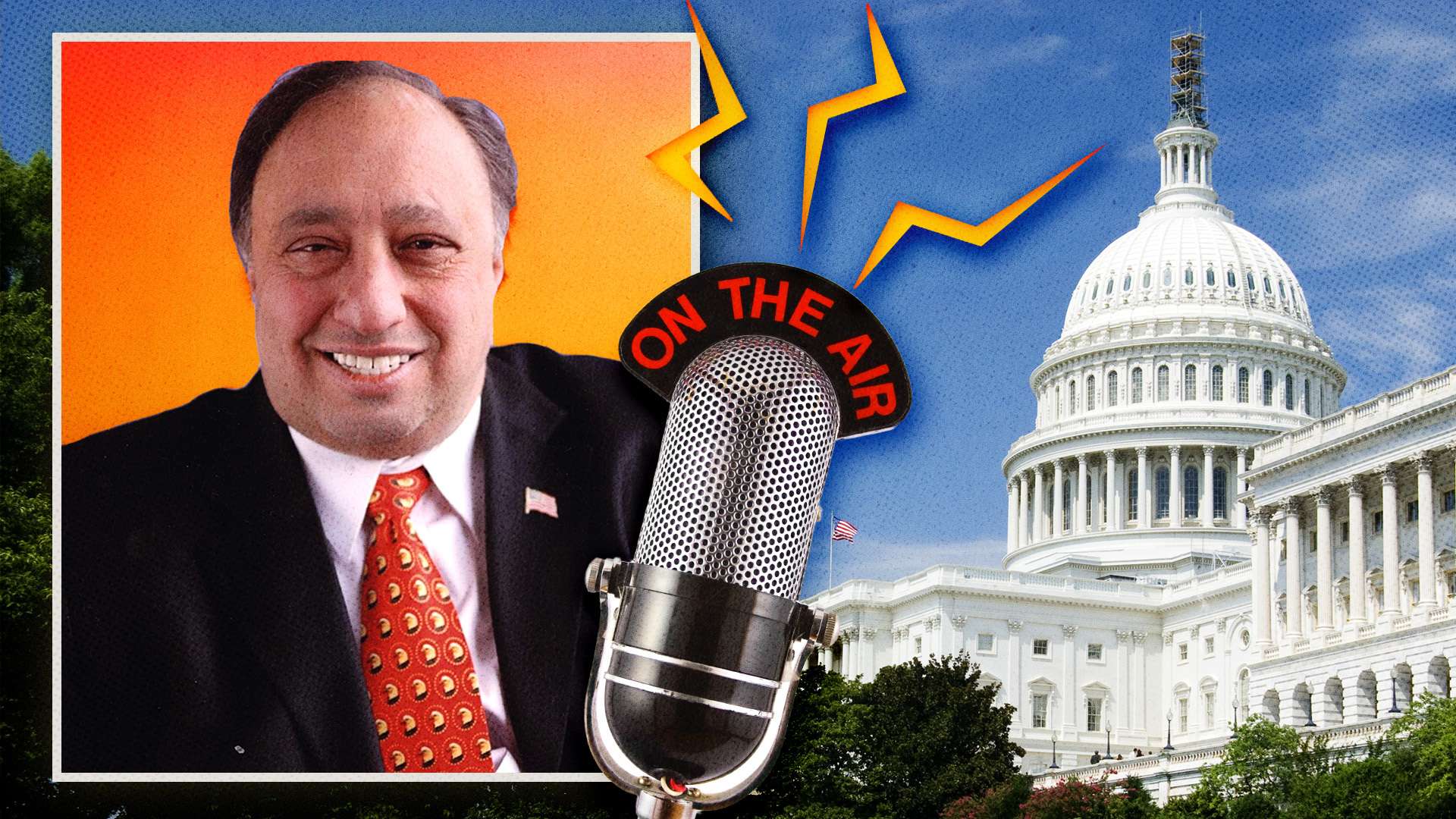
Barrett Media reports that the WABC radio personality, grocery store mogul, and Marty Supreme actor John Catsimatidis has spent "more than three years" lobbying for this bill, including meeting directly with President Donald Trump and members of Congress.
asserted
personality → report → Congress
Catsimatidis claims the bill is critical for public safety.
uncertain
bill → claim → safety
"There is this outer space situation where all these satellites, which give us GPS, could all go kaput in one day," Catsimatidis told Barrett Media.
uncertain
Catsimatidis → be → Media
"We'd have zero communications.
asserted
We → have → communications
Your electric car, you could take it and shove it, because it's not going to be able to go anywhere."
uncertain
it → take → it
The National Association of Broadcasters also supports the legislation, calling its passage in the House "a significant step forward for the millions of Americans who rely on AM radio for lifesaving emergency information, trusted news and a vital connection to their communities."
asserted
who → support → communities
And Ted Cruz had his own nostalgic argument for such a law: During the debates over an earlier version of the bill, he pointed out that "Rush Limbaugh would not exist without AM radio."
asserted
Limbaugh → have → radio
There are many reasons to love AM broadcasting, which has delivered baseball games, talk shows, and traffic reports to Americans from sea to shining sea.
asserted
which → be → sea
But nostalgia and broadcasters' profits are not reasons to impose yet more requirements on car manufacturers.
asserted
nostalgia → impose → manufacturers
And if you're worried about the GPS-kaput scenario, you can always keep your own emergency battery-operated radio in the glove compartment, no mandate required.
asserted
mandate → keep → compartment
 The Aporia