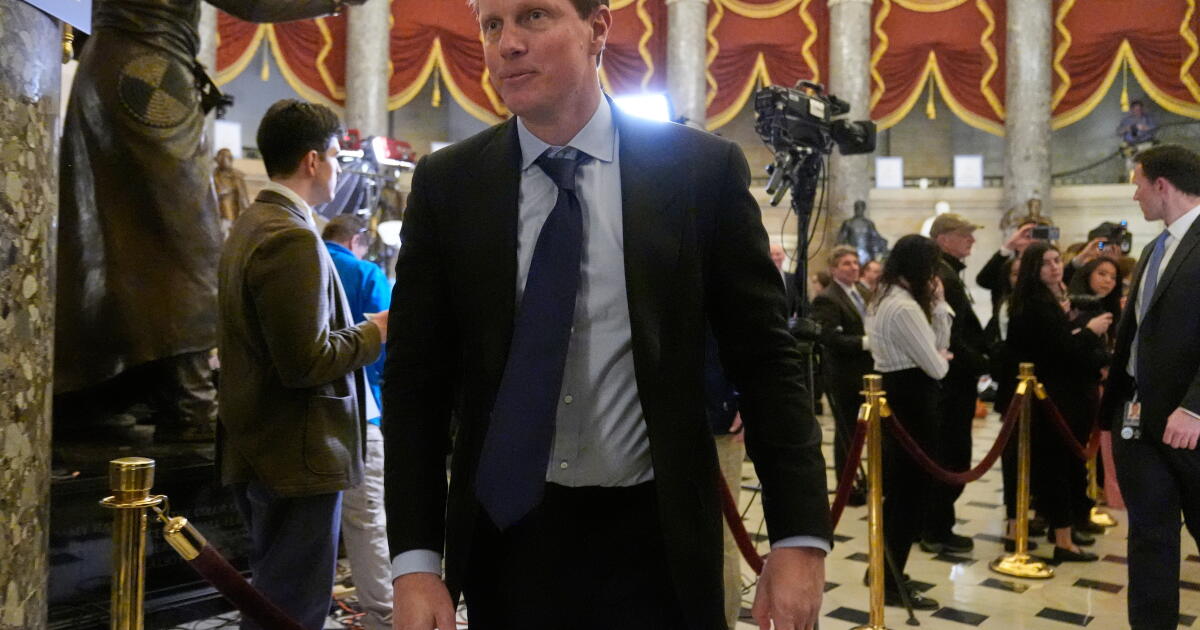
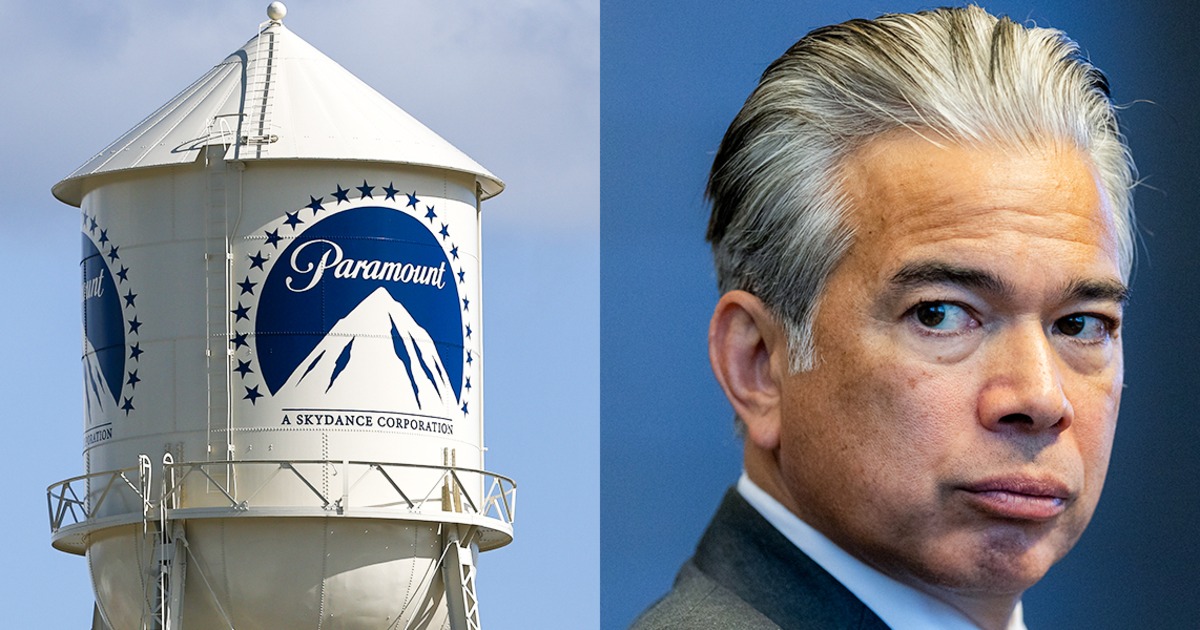
As Paramount looks to take over Warner Bros. Discovery, it’s racked up billions of dollars in financial backing from three Gulf countries.
asserted
it → look → countries
And the U.S. Federal Communications Commission has now approved the company’s ask for sizeable indirect ownership from those foreign investors.
asserted
Commission → approve → investors
The FCC cleared the way on Thursday, granting sovereign wealth funds from Saudi Arabia, Qatar and the United Arab Emirates to hold indirect equity interests in a Paramount-Warner combo, but no voting stakes.
asserted
FCC → clear → combo
Skydance-owned Paramount — whose $81 billion merger with Warner is still on hold amid a separate antitrust battle with twelve states and Hollywood writers — welcomed the FCC’s ruling.
asserted
merger → own → ruling
Paramount maintained that these funds won’t have any governance rights and the family of its CEO David Ellison and RedBird Capital would still be the majority owners of the combined company, which it said “will have the scale and resources necessary” to compete worldwide.
asserted
it → maintain → scale
Still, critics have called the move unprecedented — and argue that amount of money exchanging hands still opens the door to behind-the-scenes influence, particularly when it comes to core news operations like Paramount’s CBS and Warner’s CNN.
asserted
it → call → CBS
Paramount comes under the FCC’s purview because its owns CBS and numerous broadcast TV affiliates across the U.S. And Saudi’s Public Investment Fund, L’imad Holding Company in the UAE and the Qatar Investment Authority reportedly committed a combined $24 billion to help fund the company’s Warner acquisition.
uncertain
Fund → come → acquisition
In its spring petition to the FCC, Paramount disclosed that it expected those funds to indirectly own nearly 50% of equity interests when and if the merger closes.
asserted
merger → disclose → interests
That already well surpasses a 25% foreign ownership threshold that requires the FCC’s greenlight, but the company asked for clearance of up to 100% indirect equity interests to account for potential future investments — which the regulator granted.
asserted
regulator → surpass → which
David Brown, chief of video division in the FCC’s Media Bureau, concluded Thursday that giving Paramount access to more capital would strengthen the broadcast industry and was therefore “in the public interest.”
asserted
giving → conclude → interest
He added that his team was persuaded by Paramount’s assertions that the foreign investors would “not be able to wield any influence, let alone control, over decisions” regarding its broadcast stations.
asserted
investors → add → stations
But others quickly decried the move and warned of future ramifications — including Anna Gomez, the FCC’s sole Democratic Commissioner.
asserted
others → decry → Gomez
“The FCC just let some of the most repressive governments in the world indirectly control nearly all of a combined Paramount-Warner Bros,” Gomez wrote on social media shortly after Thursday’s ruling.
asserted
Gomez → let → ruling
She added that an investment of this size “doesn’t just buy equity, it secures influence over what gets said and made.”
asserted
what → add → influence
Gomez sounded the alarm about Paramount’s Gulf funding earlier this year, warning of potential influence from “foreign governments with documented records of press suppression.”
asserted
Gomez → sound → suppression
She pointed in particular Saudi’s Public Investment Fund controlled by Crown Prince Mohammed bin Salman, who U.S. intelligence previously found ordered the 2018 killing of Washington Post journalist Jamal Khashoggi.
asserted
intelligence → point → Khashoggi
On Thursday, Gomez noted she had called for a full Commission vote — but that the FCC had instead “snuck this ruling out as a staff-level decision” with “no accountability for a call of this magnitude.”
asserted
FCC → note → magnitude
She indicated she would share more soon.
asserted
she → indicate → more
A handful of lawmakers have also scrutinized the sovereign funds’ involvement in recent months, including Democratic Senators Elizabeth Warren and Maria Cantwell — among those who wrote a May letter to FCC chairman Brendan Carr to raise “serious concerns” as well.
uncertain
who → scrutinize → concerns
Carr, who was appointed by Republican President Donald Trump, had been broadly supportive of the Paramount-Warner tie-up since it was announced.
asserted
it → appoint → up
In March, he told CNBC that the FCC’s regulatory role, if any, would be minimal — but that he thought it was a “good deal” that should get through “pretty quickly.”
asserted
that → tell → CNBC
Even if the company hadn’t received the FCC’s sign off for the Gulf funds’ equity stakes, the Warner merger wouldn’t necessarily be knocked of the table (the Ellisons and RedBird might just be on the hook for more money).
uncertain
Ellisons → receive → money
But the funding still secures a sizeable cash infusion for the deal — which, including billions of dollars in debt, is currently valued at nearly $111 billion based on outstanding shares.
asserted
which → secure → shares
Thursday’s ruling arrives after Paramount has already touted foreign investment clearances from other countries, as well required greenlights for the core antitrust reviews on its Warner merger — including from the Trump administration’s Justice Department in the U.S.
asserted
Paramount → arrive → U.S.
But California and 11 other states sued to block the deal, arguing that a Paramount-Warner combo “extinguish competition” in Hollywood and lead to fewer choices for consumers, particularly cinemagoers and cable customers.
asserted
combo → sue → consumers
The Writers Guild of America also filed suit.
asserted
Guild → file → suit
Those challenges are set to go to trial in March.
asserted
challenges → set → March
Paramount has agreed to not close the merger until the case makes its way through court, although the company been pushing for a settlement as it braces for costs to pile up.
asserted
it → agree → costs
 The Aporia