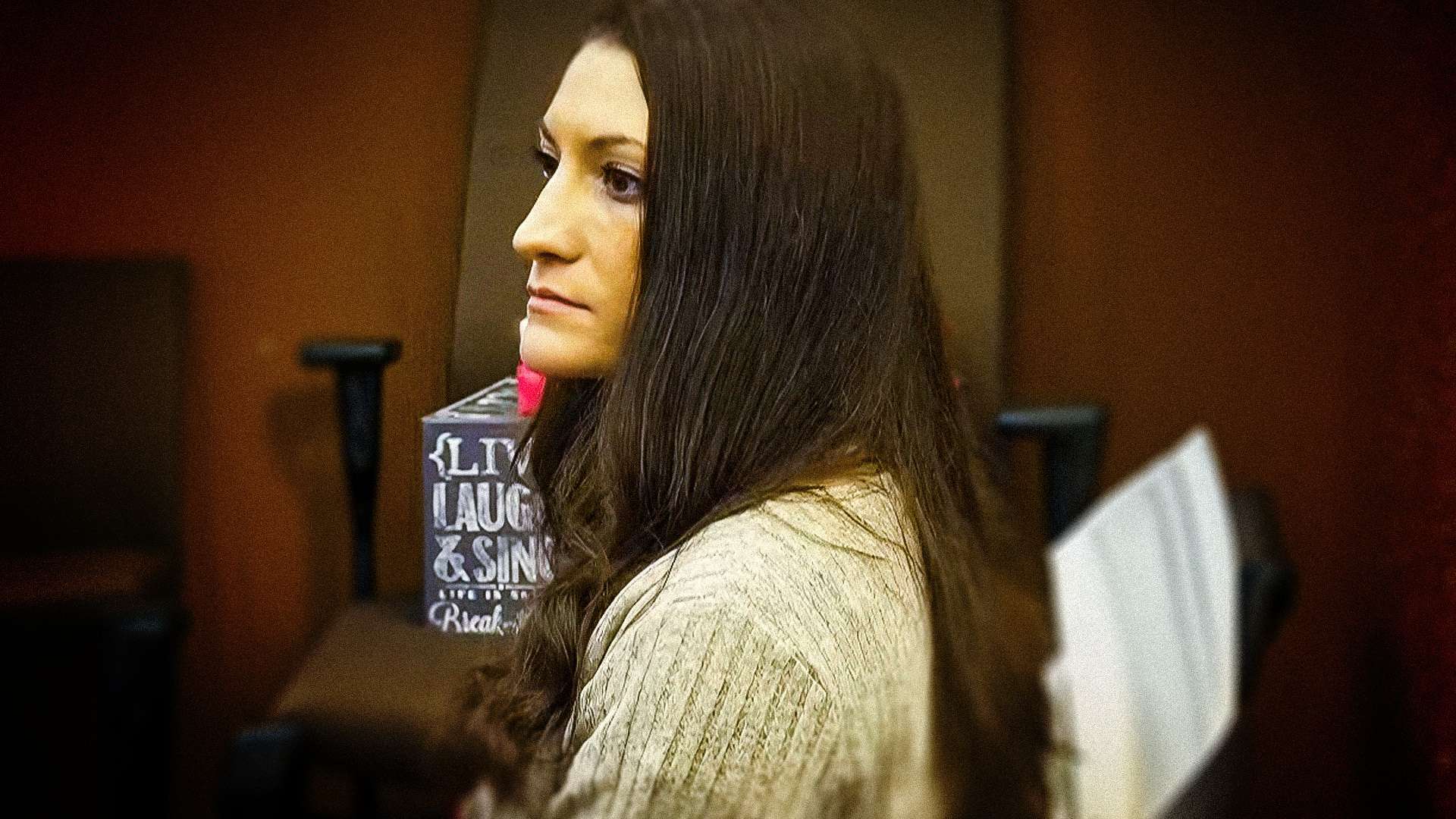
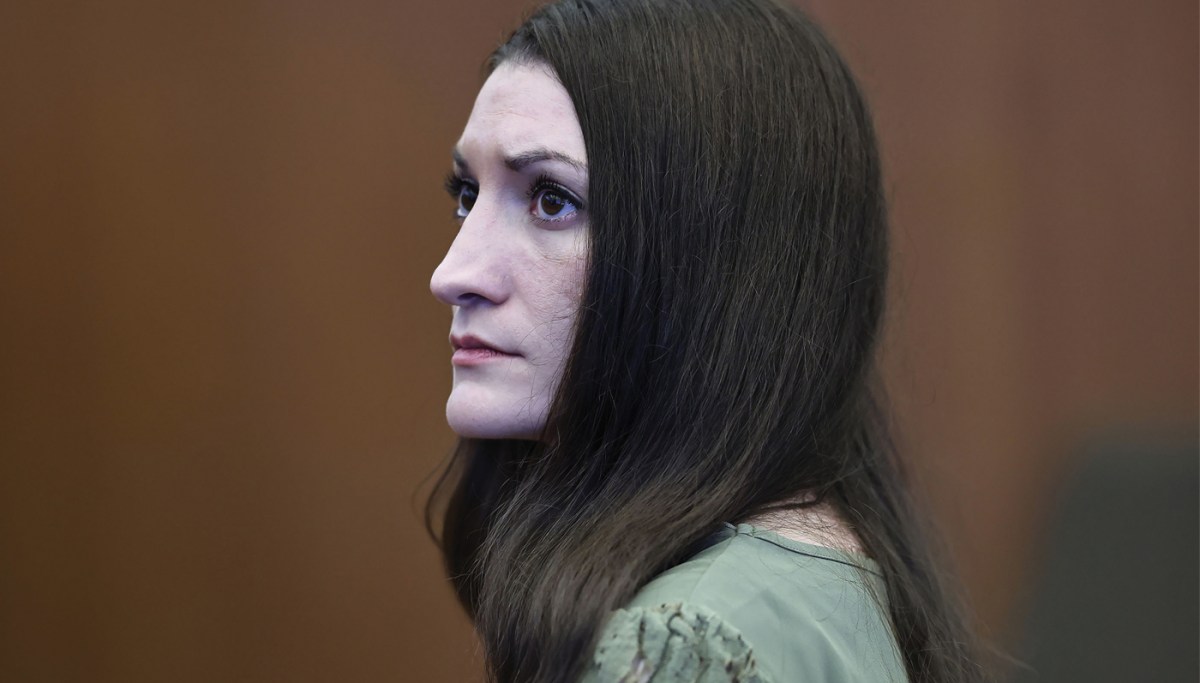
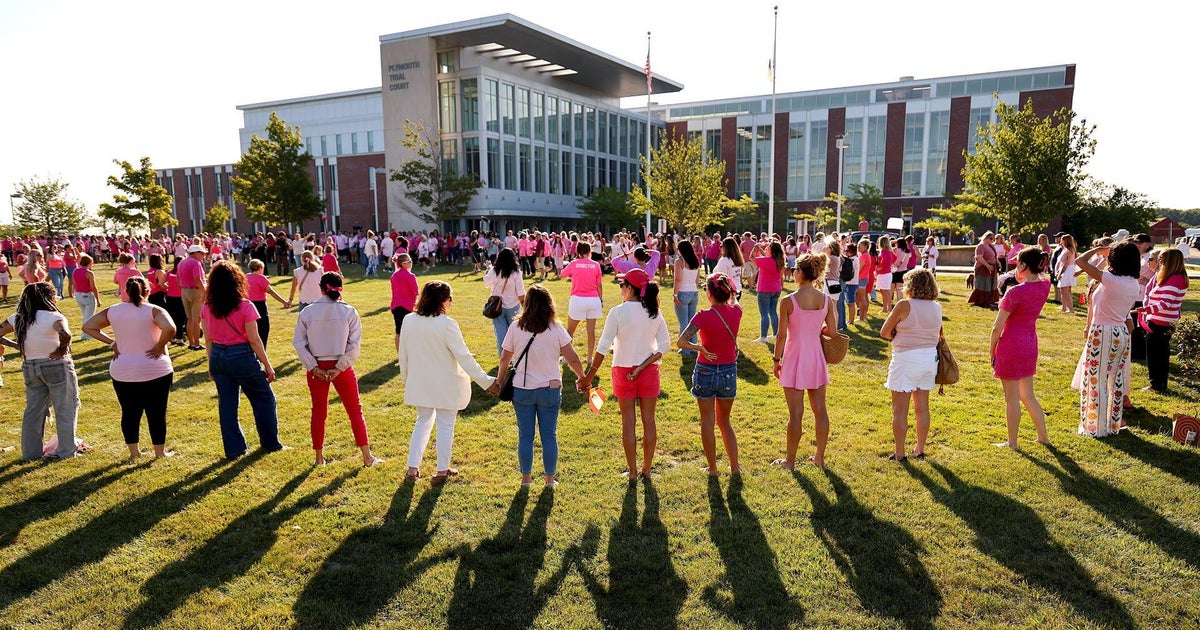
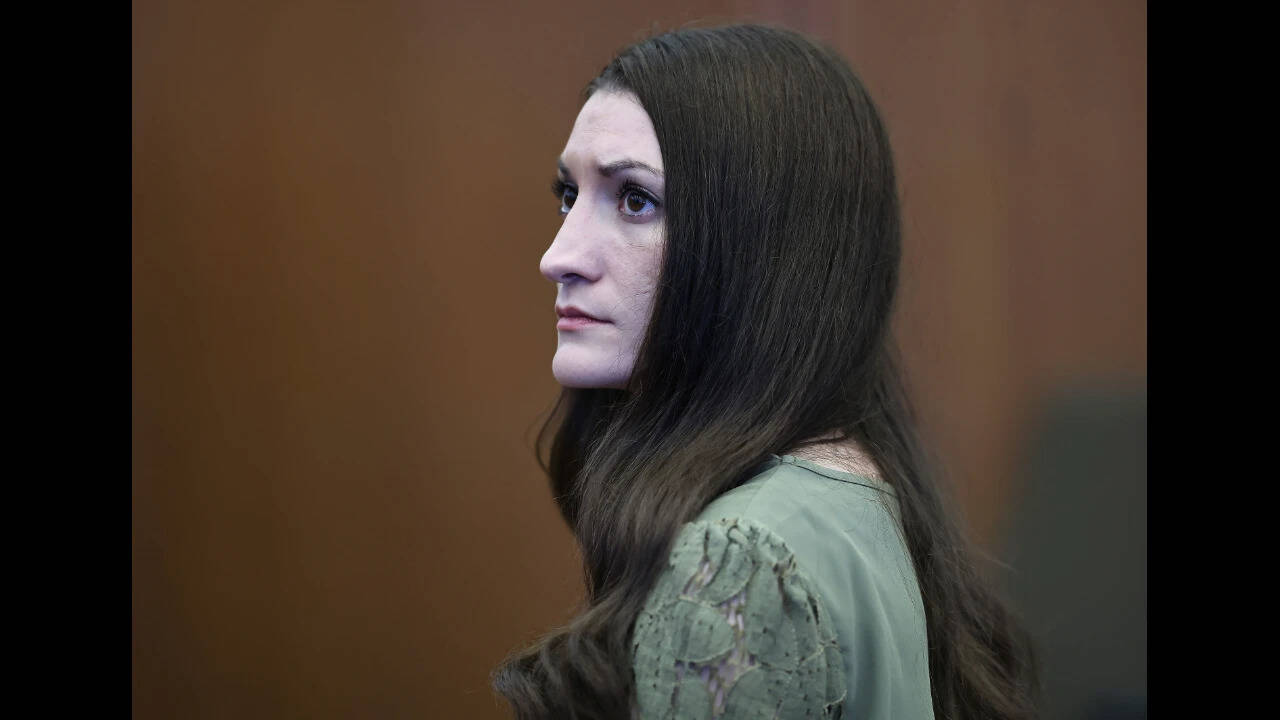
Photo via Reason

Lindsay Clancy's Holdout Juror Did What Jurors Are Supposed To Do

Read the original at Reason ↗
Cite

Binion, B. (2026, September 18). Lindsay Clancy's Holdout Juror Did What Jurors Are Supposed To Do. Reason. https://reason.com/2026/09/18/lindsay-clancys-holdout-juror-did-what-jurors-are-supposed-to-do/

Dated when The Aporia collected the article, usually within hours of publication. Check the original for its exact date and byline.

Reason · collected 2026-09-18 · by Billy Binion

Quick Summary

Lindsay Clancy's murder trial in Massachusetts ended in a mistrial after a 11-1 deadlock, with Michael Desronvil being the sole vote for conviction. Following this, Desronvil faced scrutiny over his past legal issues including an assault charge and restraining orders. The article explores whether these details influenced his decision or if they were relevant to his jury service eligibility under Massachusetts law, noting that none of his issues disqualified him from serving on the jury.
Written by AI on 2026-09-18, from this article's own text only (the story summary below draws on all the coverage).

AI analysis

Story summary

As of September 2026, Lindsay Clancy's murder trial in Duxbury, Massachusetts ended in a mistrial after five weeks due to a hung jury. The case involves the deaths of Clancy’s three young children—5-year-old Cora, 3-year-old Dawson, and 8-month-old Callan—in January 2023. Clancy did not testify but admitted to killing her children while arguing she was suffering from postpartum psychosis at the time. The prosecution presented over 70 witnesses, including an FBI psychiatrist who testified that he does not believe Clancy heard a voice ordering her actions, suggesting she had control over her decisions.

The defense highlighted systemic failures in mental health support and rallied public sympathy by highlighting the challenges new mothers face when seeking help. However, one juror’s alleged misconduct prompted Clancy's attorney to ask Judge William Sullivan to investigate his phone use during deliberations and review a questionnaire he filled out prior to the trial. The judge is now considering whether Desronvil shared information or used his phone improperly during jury deliberation hours, which lasted seven days without reaching a verdict.

Written for “Lindsay Clancy Murder Trial” on 2026-11-05, grounded in this article and the 112 other(s) covering the same event.

Story

📰 Lindsay Clancy Murder Trial
Crime & Law · 113 article(s) covering the same event. Compare every outlet's account →

Compared with similar articles

This article reads unscored and hedges 16% of its claims. Each row says how that neighbour differs.
The Independent
Hedges 0 of 19 claims Outlet record 59/100
The Independent
Hedges 0 of 19 claims Outlet record 59/100
CBC News
Hedges 1 of 24 claims Outlet record 60/100
BBC News
Hedges 0 of 31 claims Outlet record 66/100
Washington Examiner
Hedges 1 of 19 claims Outlet record 69/100
CBS News
Hedges 0 of 2 claims Outlet record 65/100
The Guardian
Hedges 1 of 19 claims Outlet record 66/100
Times of India
Hedges 1 of 22 claims Outlet record 59/100
How this article was measured signals, leaning charts, publisher record, byline, topics and claims

Signals How these are calculated →

Claims extracted
44
sentences that state something as happening or true
Uncertain
16%
7 of 44 hedged ("reportedly", "may", "according to")
Leaning
withheld
no quote in the article backed the model's score
Publisher signals
67/100
Reason's corrections and hedging, across everything collected from it. Not a measure of accuracy.
Outlets on this story
113
Crime & Law
Same framing elsewhere
1
articles that frame the event the way this one does
Analyzed 2026-09-18 · how these are computed

How this is being covered How these are calculated →

Article leaning vs. publisher reliability
Source leaning vs. consistency

Publisher

Reason · 1144 article(s) · 4 correction(s) detected
Running correction rate · 4 correction(s)

Who wrote this

Billy Binion
14 article(s) here · 1 carrying a prediction
🔮 You mean to say a rich person would pretend to be poor?
🔮 Voters will soon determine whether restaurants in Washington, D.C., can legally continue to sell it.
🔮 When he got to whatever county jail he ended up in, he could size up whoever it was that prosecutors most wanted a conviction against.
🔮 Claude having the power to terminate the conversation will be the "primary enforcement mechanism"; what secondary or tertiary mechanisms may exist are not clear.
🔮 The fine print would seem pretty clear.
🔮 Whether or when she will walk again remains to be seen.
🔮 That might make sense had Abigail Trujillo, a student at the University of Houston, been involved in a crime.
🔮 Per county policy, fines accrued at $12,000 per day, for up to 90 days—and that included while people waited for the opportunity to have a hearing, which could take years.
🔮 Prosecutors have yet to announce if they will retry the case.
🔮 It was some of the very best access the convention could provide.
Also by Billy Binion
Nothing else under this byline is closely related to this article, so these are simply their most recent.
All 14 articles by Billy Binion →

Topics

Desronvil Massachusetts NBC10 Boston The Boston Globe

Subjects

Desronvil PERSON · 7× Clancy PERSON · 4× Massachusetts GPE · 3× Callan Clancy PERSON · 1× Cora PERSON · 1× Dawson PERSON · 1× Lindsay Clancy PERSON · 1× Michael Coyne PERSON · 1× Michael Desronvil PERSON · 1× The Boston Globe ORG · 1×

Narrative

The trial of Lindsay Clancy—the Massachusetts woman who admitted to killing her children but pleaded not guilty by reason of insanity—ended in a mistrial after a jury deadlocked 11–1, unable to reach a unanimous consensus on whether the 36-year-old mother should be held criminally responsible.
framing: assertive · carried by 1 article(s) · first seen 2026-09-18
🔮 Prosecutors have yet to announce if they will retry the case.
2026-09-18 · Reason
Lindsay Clancy's Holdout Juror Did What Jurors Are Supposed To Do · assertive framing

Claims (44 extracted, 7 hedged)

The trial of Lindsay Clancy—the Massachusetts woman who admitted to killing her children but pleaded not guilty by reason of insanity—ended in a mistrial after a jury deadlocked 11–1, unable to reach a unanimous consensus on whether the 36-year-old mother should be held criminally responsible. asserted
mother → admit → consensus
Prosecutors have yet to announce if they will retry the case. asserted
they → have → case
But that one holdout juror has been filling in the social gap. asserted
juror → fill → gap
Michael Desronvil was the lone vote to convict Clancy after days of deliberations. asserted
Desronvil → convict → deliberations
First came the news that the juror—then still anonymous—had been charged with a misdemeanor in 2021 for allegedly assaulting his then-wife; the charge was dropped after the victim said she did not want to testify. uncertain
she → come → wife
We also learned that Desronvil had an active restraining order against him tied to allegations that he attacked his nephew, and that he was facing eviction proceedings. asserted
he → learn → proceedings
The Boston Globe subsequently revealed his identity "through photos published online, court records, and an interview with one of his fellow jurors." asserted
Globe → reveal → jurors
Much of the debate around Desronvil—the ostensible the impetus for the coverage—comes down to the question of whether he lied on his jury form. asserted
he → come → form
The short questionnaire asks, among other things, if the prospective juror (or anyone in his household or family) has ever been arrested, charged with a crime, or served a court order. asserted
juror → ask → order
"I don't see how they would've allowed him to be a member of this jury," explained Michael Coyne, the chief legal analyst for NBC10 Boston, which broke the story about Desronvil's history. asserted
which → see → history
It is virtually impossible to know if Desronvil lied. asserted
Desronvil → know → ?
The questionnaire is confidential, and, per the Massachusetts government, is "destroyed by the court as soon as practicable after [a juror is] excused." asserted
juror → destroy → court
Notably, we do know that none of the allegations raised above—unsavory as they may be—disqualified him from serving. uncertain
they → know → him
Under Massachusetts law, someone may not be impaneled on a jury if he "has been convicted of a felony in the last 7 years" or is "currently charged with a felony." uncertain
he → impanel → felony
Maybe Desronvil should have been convicted of misdemeanor assault. asserted
Desronvil → convict → assault
But he wasn't charged, much less convicted, of a felony. asserted
he → charge → felony
So neither applies. asserted
neither → apply → ?
Which raises the questions: Why are we doing this? asserted
we → raise → this
Would anyone be subjecting Desronvil to this interrogation, and publicly picking apart his life, had he voted the other way? asserted
he → subject → life
And, maybe most importantly, how are the allegations against him supposed to be related to why he voted the way he did? asserted
he → suppose → him
The closed-door struggle dragged on for several days, with the jury repeatedly expressing it could not come to an agreement. uncertain
it → drag → agreement
That intrigue climaxed with a message it sent the judge near the end. asserted
it → climax → end
"The note indicates that the juror has acknowledged doubt but refuses to apply it," Judge William Sullivan said September 4, addressing Clancy's defense attorney, Kevin Reddington. asserted
Sullivan → indicate → attorney
"That note does not indicate that the juror refuses to follow the law." asserted
juror → indicate → law
It's a narrative Desronvil outwardly rejects now that his name is a matter of public record. asserted
name → reject → record
"I didn't have any doubts," he said in a statement posted to X by his attorney, Edward Andrew Paltzik. asserted
he → have → attorney
"As I tried to explain different possible theories during deliberation, I kept getting cut off as if I had doubts based on the evidence presented. asserted
I → try → evidence
Based on all the physical evidence, key witnesses, and what the prosecution presented, I thought it was enough proof that she (Clancy) knew exactly what she was doing and planned." asserted
she → base → what
The trial hinged on jurors placing themselves in Clancy's mind the day she killed her children. asserted
she → hinge → children
Or was she locked in a psychotic episode, unable to understand right from wrong and conform to the law? asserted
she → lock → law
It was, effectively, an impossible question to answer. asserted
It → answer → ?
People will naturally come to varying conclusions. asserted
People → come → conclusions
That Desronvil arrived at a different one than the other jurors does not render his service illegitimate. asserted
service → arrive → jurors
It is how juries are supposed to work. asserted
juries → suppose → ?
A holdout who refuses to approve a guilty verdict may be a bulwark against a wrongful conviction. uncertain
who → refuse → conviction
Obtaining a unanimous verdict in a criminal case is, by design, a difficult task. asserted
Obtaining → obtain → design
It also helps explain why the American Bar Association recommends, for example, that felons be excluded from juries only if they "are in actual confinement or on probation, parole, or other court supervision"—afterward, the organization says, they should be eligible to serve. asserted
they → help → probation
Individuals who have had personal contact with the criminal justice system, the counterargument goes, may be too biased against the government to render an impartial verdict. uncertain
counterargument → have → verdict
But juries are supposed to represent a true cross section, not just a slice, of the community. asserted
juries → suppose → community
Those cross sections can surprise us. asserted
sections → surprise → us
…and 4 more, not listed.

💬Give feedback · no sign-in needed

No sign-in needed for now. Your note is sent without a name, so it cannot be answered.

🕘History 🎫Support