Photo via New York Post

A tale of two cities: San Francisco banning data centers, while Santa Clara is building more

Read the original at New York Post ↗
Cite

Lin, V. (2026, September 18). A tale of two cities: San Francisco banning data centers, while Santa Clara is building more. New York Post. https://nypost.com/2026/09/18/tech/a-tale-of-two-cities-san-francisco-banning-data-centers-while-santa-clara-is-building-more/

Dated when The Aporia collected the article, usually within hours of publication. Check the original for its exact date and byline.

New York Post · collected 2026-09-18 · by Vivi Lin

Quick Summary

Santa Clara is expanding its data center infrastructure with 58 existing facilities and plans to invest $459 million in its power grid. This expansion benefits residents through lower electricity rates of 18.2 cents per kilowatt-hour, compared to 42.2 cents charged by private utility companies elsewhere in Northern California. In contrast, San Francisco supervisors are proposing a moratorium on new data centers due to concerns about neighborhood impacts and pollution in the Bayview area. The differing approaches highlight the economic benefits versus community concerns surrounding these facilities.
Written by AI on 2026-09-18, from this article's own text only (the story summary below draws on all the coverage).

AI analysis

Story summary

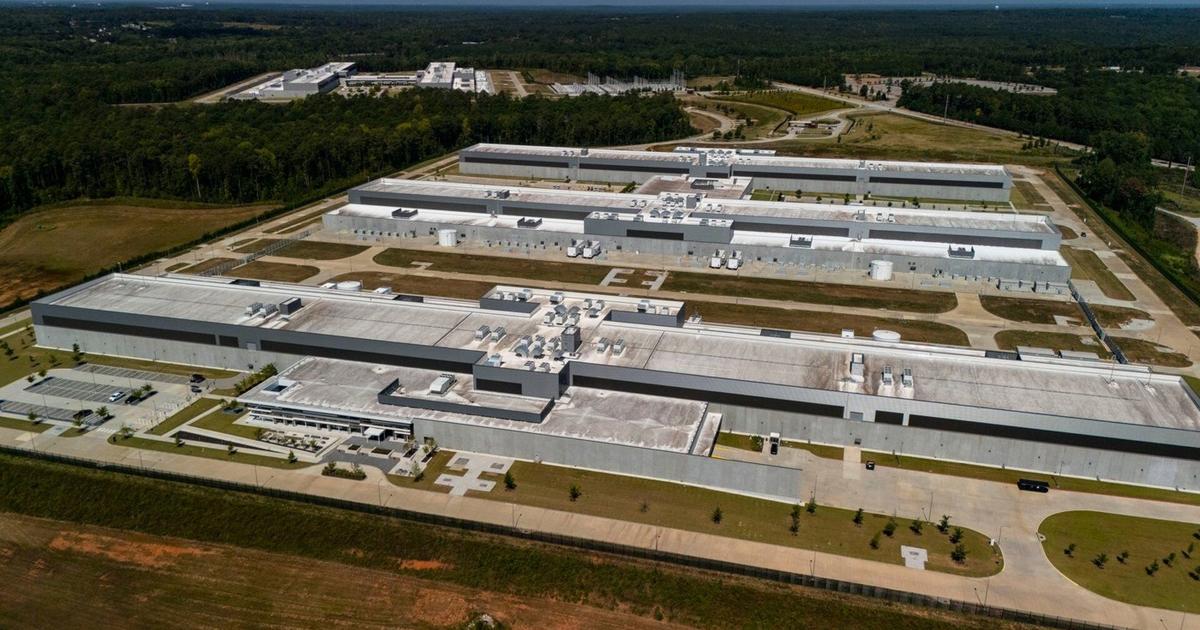
In stark contrast to San Francisco's recent ban on new data centers due to environmental concerns and urban density issues, Santa Clara, California, is rapidly expanding its data center infrastructure. The city, home to tech giants like Nvidia and Intel, currently hosts 58 data centers, the densest cluster in the West Coast. To accommodate further growth, Santa Clara plans to invest $459 million to double its power grid capacity.

Santa Clara residents benefit from lower electricity rates due to the city-owned utility company Silicon Valley Power, which charges just 18.2 cents per kilowatt-hour, compared to 42.2 cents charged by private utility Pacific Gas and Electric (PG&E) elsewhere in Northern California. This cost advantage attracts tech companies and generates significant revenue for local services; data centers contribute an estimated $29.5 million annually towards funding police, parks, libraries, and other public amenities.

One resident of Santa Clara Square, an apartment complex encircled by multiple data centers, noted her monthly utility bill is approximately $130, including electricity, water, and garbage services. However, she expressed hope for further benefits such as reduced rent or lower electricity bills if the city continues to build more data centers.

Written for “Data Center Regulations Vary” on 2026-10-31, grounded in this article and the 0 other(s) covering the same event.

Story

📰 Data Center Regulations Vary
Technology · 1 article(s) covering the same event.

Compared with similar articles

This article reads unscored and hedges 11% of its claims. Each row says how that neighbour differs.
The Straits Times
Hedges 1 of 21 claims Outlet record 66/100
“The articles describe different actions related to data centers in different locations and contexts.”
New York Post
Hedges 1 of 12 claims Outlet record 66/100
“Article A discusses a specific city's policy on data centers and its impact on local utility rates, while Article B covers statewide electricity costs in California.”
The Straits Times
Hedges 4 of 14 claims Outlet record 66/100
“The articles discuss different aspects of data center expansion and power needs in America; Article A focuses on a national estimate for new power plants, while Article B discusses local policy differences between San Francisco and Santa Clara.”
Washington Examiner
Hedges 0 of 24 claims Outlet record 70/100
“Article A reports on the passage of a bill in the House of Representatives, while Article B discusses contrasting approaches to data centers in San Francisco and Santa Clara.”
CBS News
⚖️ Leans right Hedges 4 of 23 claims Outlet record 66/100
“The articles describe different aspects of data center policy and development in distinct locations.”
Toronto Star
⚖️ Leans left Hedges 0 of 3 claims Outlet record 64/100
“Article A describes the House passing a bill on data center energy costs, while Article B discusses contrasting approaches to data centers in San Francisco and Santa Clara.”
The Straits Times
⚖️ Leans left Hedges 2 of 24 claims Outlet record 66/100
“The articles describe different cities' approaches to data center developments — San Jose vs Santa Clara, each with distinct details and no overlap in reported incidents.”
The Independent
⚖️ Leans left Hedges 1 of 18 claims Outlet record 59/100
“Article A discusses a lawsuit filed by a data center developer in St. Louis over renewable energy requirements, while Article B describes Santa Clara's approach to data centers and power infrastructure.”
How this article was measured signals, leaning charts, publisher record, byline, topics and claims

Signals How these are calculated →

Claims extracted
35
sentences that state something as happening or true
Uncertain
11%
4 of 35 hedged ("reportedly", "may", "according to")
Leaning
withheld
no quote in the article backed the model's score
Publisher signals
66/100
New York Post's corrections and hedging, across everything collected from it. Not a measure of accuracy.
Outlets on this story
1
Technology
Same framing elsewhere
1
articles that frame the event the way this one does
Analyzed 2026-09-18 · how these are computed

How this is being covered How these are calculated →

Article leaning vs. publisher reliability
Source leaning vs. consistency

Publisher

New York Post · 15525 article(s) · 35 correction(s) detected
Running correction rate · 35 correction(s)

Who wrote this

Vivi Lin
12 article(s) here · 1 carrying a prediction
🔮 “In many of the cases we encountered, no individual step looked like an attack — just helping with debugging, testing some code or changing a setting.” Even employees who took precautions could be manipulated.
🔮 “If someone really worked for Hunan TV as a reporter, you could easily see their names or profiles on the company website.”
🔮 For one buyer at a major AI company, finding the perfect house could wait.
🔮 Millions of users are worried their digital companions will be deleted after the world’s largest AI character creation site filed for bankruptcy.
🔮 Wang is even a character in the show, played by Madison Hu, but couldn’t even get through the trailer when a friend showed it her over breakfast.
🔮 Anthropic’s bosses aren’t faking it when they say their chatbot may be able to suffer — and that’s terrifying, according to a leading computer scientist.
🔮 Silicon Valley may be in the middle of an Artificial Intelligence gold rush but thousands of former senior programmes and tech workers aren’t feeling it.
🔮 “Nobody will hire me anymore,” she said, crying.
🔮 Calls to regulate AI have been growing from industry leaders Anthropic and OpenAI, who warn the technology they are building could kill us all.
🔮 “If they are gonna build more data centers, then I would want to see … a decrease in rent, or the electricity bills.
Also by Vivi Lin
Nothing else under this byline is closely related to this article, so these are simply their most recent.
All 12 articles by Vivi Lin →

Topics

Intel Nvidia Post San Francisco Santa Clara

Subjects

Santa Clara GPE · 6× AMD ORG · 2× Intel ORG · 2× Koomey PERSON · 2× Post ORG · 2× San Francisco GPE · 2× Mountain View GPE · 1× Nvidia ORG · 1× San Francisco Bay Area GPE · 1× Silicon Valley Power ORG · 1×

Narrative

But Santa Clara residents reap rewards, as local utility company Silicon Valley Power — owned by the City of Santa Clara — charges 18.2 cents a kilowatt-hour, 57% less than the 42.2 cents Pacific Gas and Electric (PG&E), the private utility serving most of Northern California, charges.
framing: assertive · carried by 1 article(s) · first seen 2026-09-18
🔮 “If they are gonna build more data centers, then I would want to see … a decrease in rent, or the electricity bills.

Claims (35 extracted, 4 hedged)

Santa Clara is home to some of the largest tech companies in the world: Nvidia, Intel and AMD, so it is no wonder the city is embracing the data center boom. asserted
city → embrace → boom
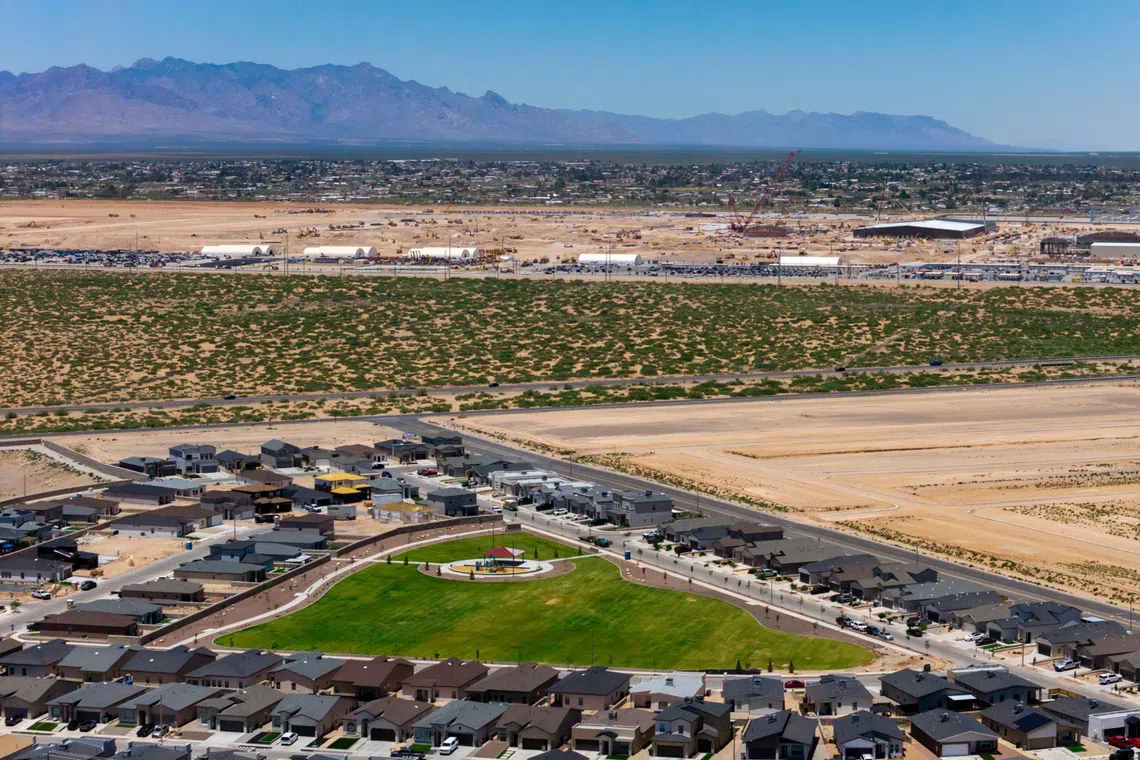
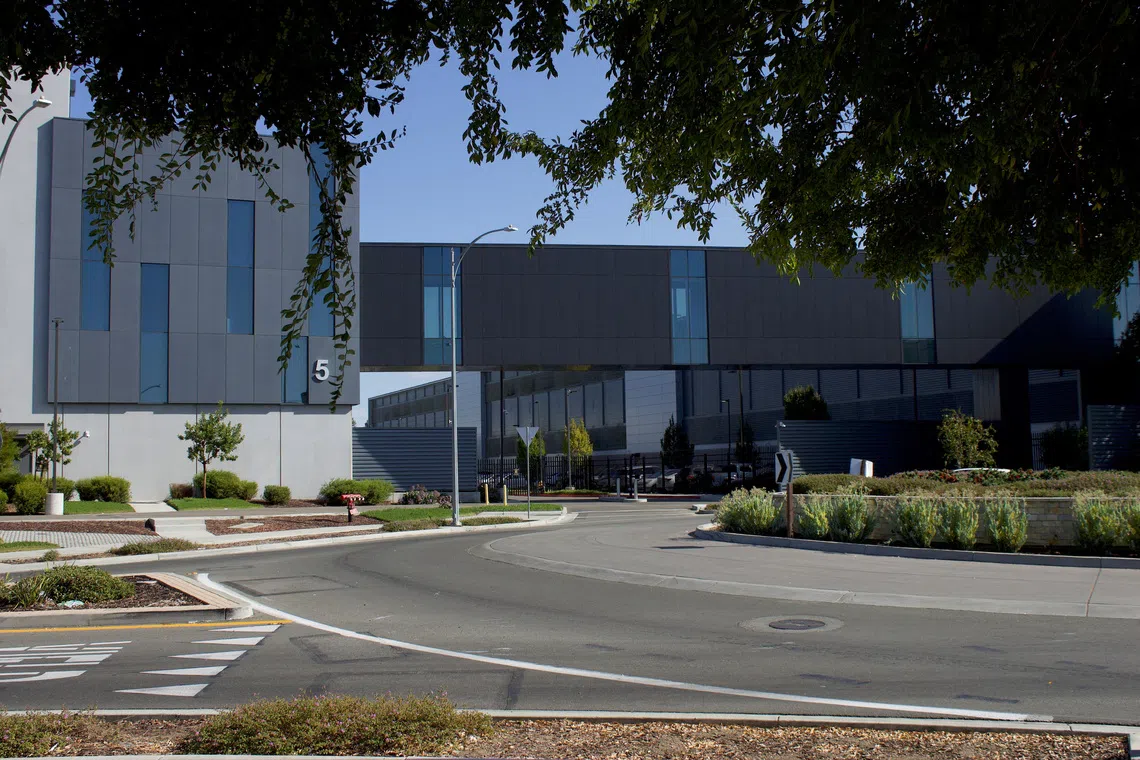
The south San Francisco Bay Area town has 58 data centers, the densest cluster on the West Coast, and is spending $459 million to double its power grid so it can build more. asserted
it → have → more
Almost all lie within the limits of the city and its neighbor, Mountain View. asserted
all → lie → city
But Santa Clara residents reap rewards, as local utility company Silicon Valley Power — owned by the City of Santa Clara — charges 18.2 cents a kilowatt-hour, 57% less than the 42.2 cents Pacific Gas and Electric (PG&E), the private utility serving most of Northern California, charges. asserted
Gas → reap → California
Santa Clara also collects an estimated $29.5 million a year from the server farms that ring its apartment blocks, which gets spent on police, parks, libraries and other resident services. asserted
which → collect → police
“Our bills are about $130 for the electricity, the garbage and the water,” a resident at Santa Clara Square, an apartment complex surrounded by data centers, told the Post. asserted
resident → surround → Post
“If they are gonna build more data centers, then I would want to see … a decrease in rent, or the electricity bills. asserted
I → go → rent
The resident said she has lived at the Square for nearly five years and didn’t realize how many data centers surrounded it. asserted
centers → say → it
“For now, it doesn’t bother me,” she added. asserted
she → bother → me
Meanwhile a former Santa Clara resident told the Post their electricity bill jumped fivefold after moving away. asserted
bill → tell → Post
Forty miles north, San Francisco County has 15 data centers. asserted
County → have → centers
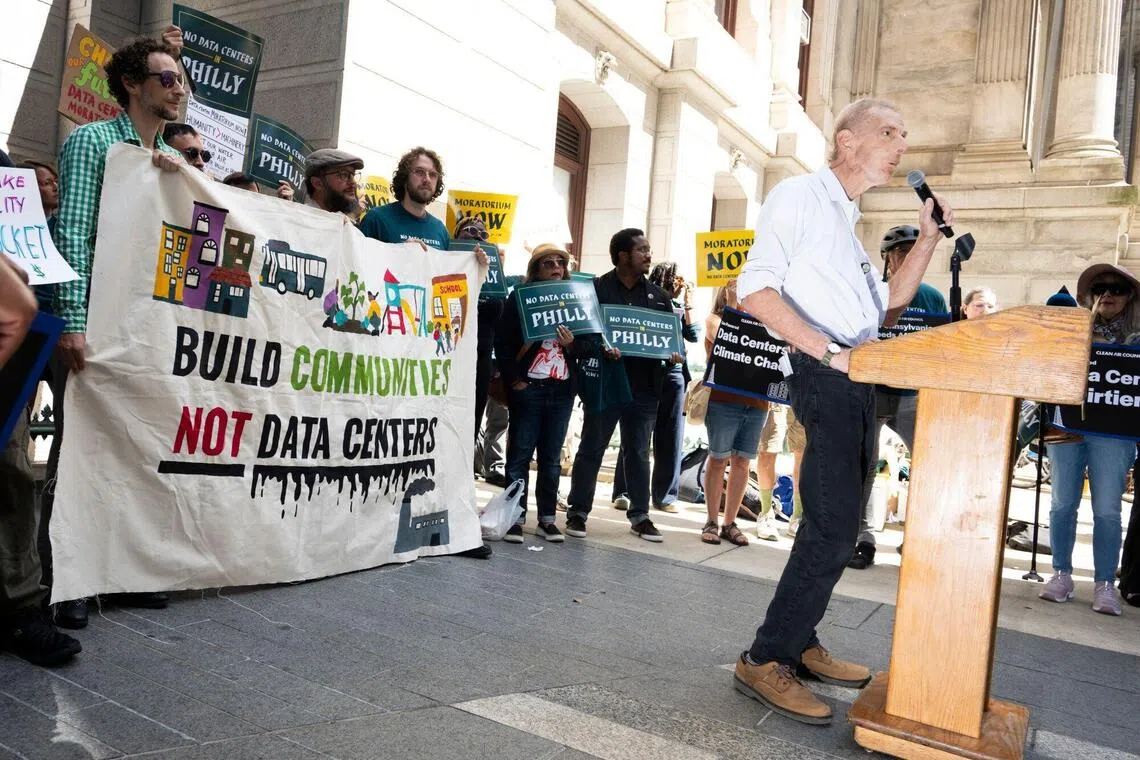
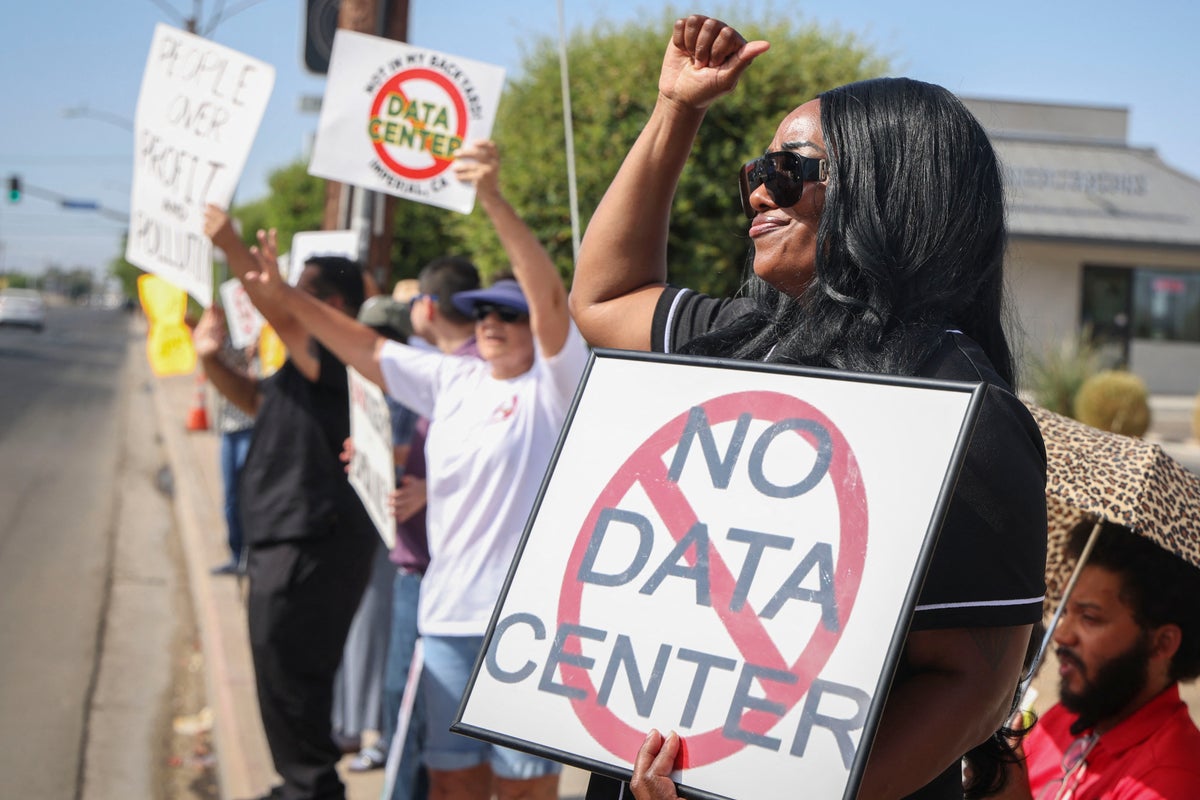
There, supervisors are pushing a 45-day moratorium on new ones, citing the burden on the Bayview, a neighborhood with a long history of pollution. asserted
supervisors → push → pollution
“We need to know all the impacts of having a data center in the community before we allow another to come inside of San Francisco,” Supervisor Shamann Walton, who wrote the measure, said at a City Hall press conference Monday. asserted
who → need → conference
The two cities aren’t built alike. asserted
cities → build → ?
San Francisco packs about 800,000 people into 47 square miles — roughly 18,600 people per square mile, according to the Census Bureau — so almost any site for a data center will have homes nearby. uncertain
site → pack → homes
Santa Clara spreads 133,000 people across 18 square miles, about a third as dense, with a broad industrial belt of office parks and chip plants where most of the data centers cluster. asserted
most → spread → centers
Sant Clara’s neighboring counties, San Mateo and Alameda, currently have two data centers and 14 respectively, according to the US Data Center Map — and there has been local backlash against building further facilities in both. uncertain
counties → have → both
Nearly seven in 10 Americans say they’d oppose a data center in their community, according to a Gallup poll in May — more than oppose nuclear power plants. uncertain
they → say → plants
However, the very term “data center” has become loaded. asserted
term → become → ?
“There are many different kinds of data centers,” pointed out Jonathan Koomey, a researcher who has studied them for more than a quarter-century. asserted
who → be → century
“Smaller data centers that are properly run, that do not have their own [power] generation only have the impact of a big warehouse or an office building.” asserted
that → run → warehouse
Koomey advises AMD on efficiency goals and receives Amazon funding for research on data-center water use. asserted
Koomey → advise → use
Many people have also raised concerns about water use, but a May 2025 Valley Water briefing made clear most Santa Clara data centers use recycled water — treated wastewater from showers and toilets. uncertain
use → raise → showers
“It’s not clean enough to drink. asserted
It → ’ → ?
You wouldn’t want people to drink it,” Koomey said. asserted
Koomey → want → it
“But it’s perfectly fine for watering golf courses or for cooling a data center.” asserted
it → ’ → center
Using recycled water, he said, keeps a data center’s water footprint to a minimum. asserted
he → use → minimum
But each facility handles water use differently, he added. asserted
he → handle → use
Sata Clara says those building the data centers pay their own connection costs plus a share of wider system upgrades. asserted
those → say → upgrades
As an example, the city’s servers need more power than the local substation can handle, so Intel is footing the whole bill to expand it — plus about $10 million in fees for the extra load, a February council report shows. asserted
report → need → load
“It’s very important for the people who are imposing costs on society to pay those costs,” Koomey noted. asserted
Koomey → ’ → costs
Not everyone is sold. asserted
everyone → sell → ?
The city documented complaints about noise, height and appearance after one facility went up on Memorex Drive. asserted
facility → document → Drive
Meanwhile, some local residents have developed their own measures of the impact on the environment. asserted
residents → develop → environment
One resident watches fish and birds at a local creek told The Post: “If I started to see an impact on the wildlife that is thriving off that creek, then I would probably be more concerned or have a problem with it.” asserted
I → watch → it

💬Give feedback
🕘History 🎫Support