The Aporia

Cody, D. (2026, September 19). Florida woman, 80, dies from dengue fever on her birthday: ‘Met the wrong mosquito’. New York Post. https://nypost.com/2026/09/18/us-news/florida-woman-80-dies-from-dengue-fever-on-her-birthday/
Cody, Daniel. “Florida woman, 80, dies from dengue fever on her birthday: ‘Met the wrong mosquito’.” New York Post, 19 Sept. 2026, https://nypost.com/2026/09/18/us-news/florida-woman-80-dies-from-dengue-fever-on-her-birthday/.
Cody, Daniel. “Florida woman, 80, dies from dengue fever on her birthday: ‘Met the wrong mosquito’.” New York Post, September 19, 2026. https://nypost.com/2026/09/18/us-news/florida-woman-80-dies-from-dengue-fever-on-her-birthday/.
Dated when The Aporia collected the article, usually within hours of publication. Check the original for its exact date and byline.
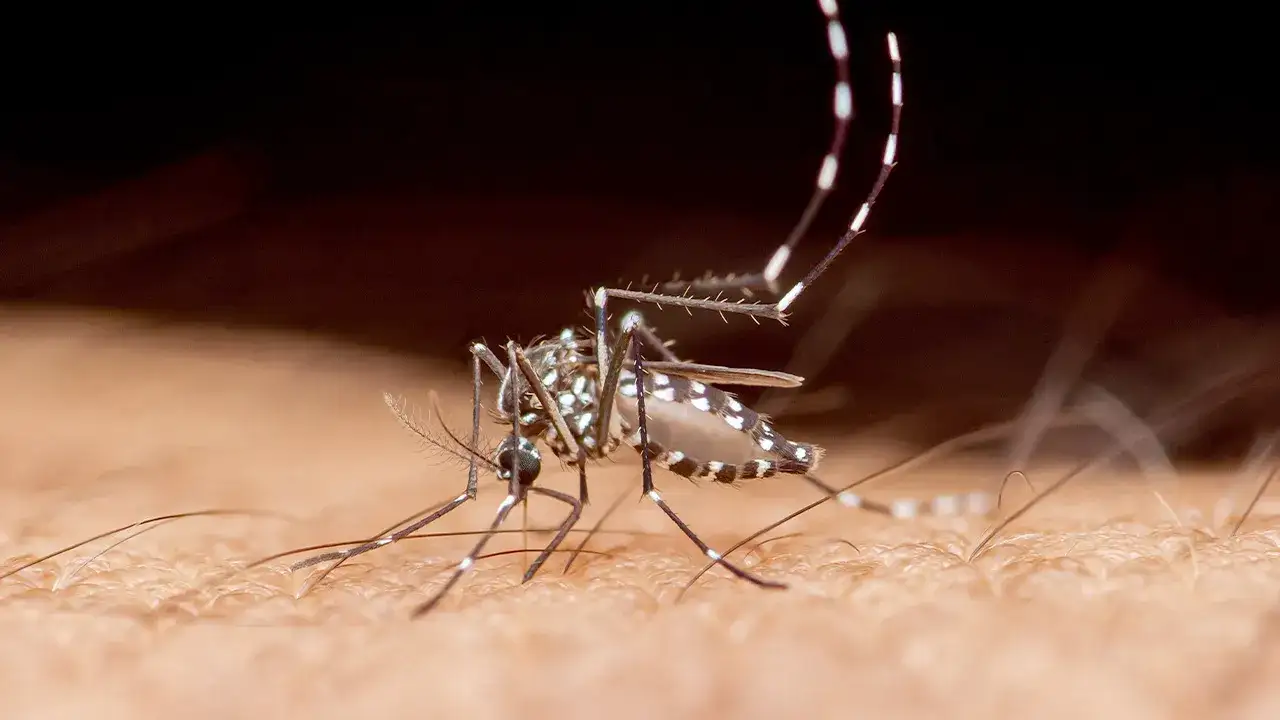
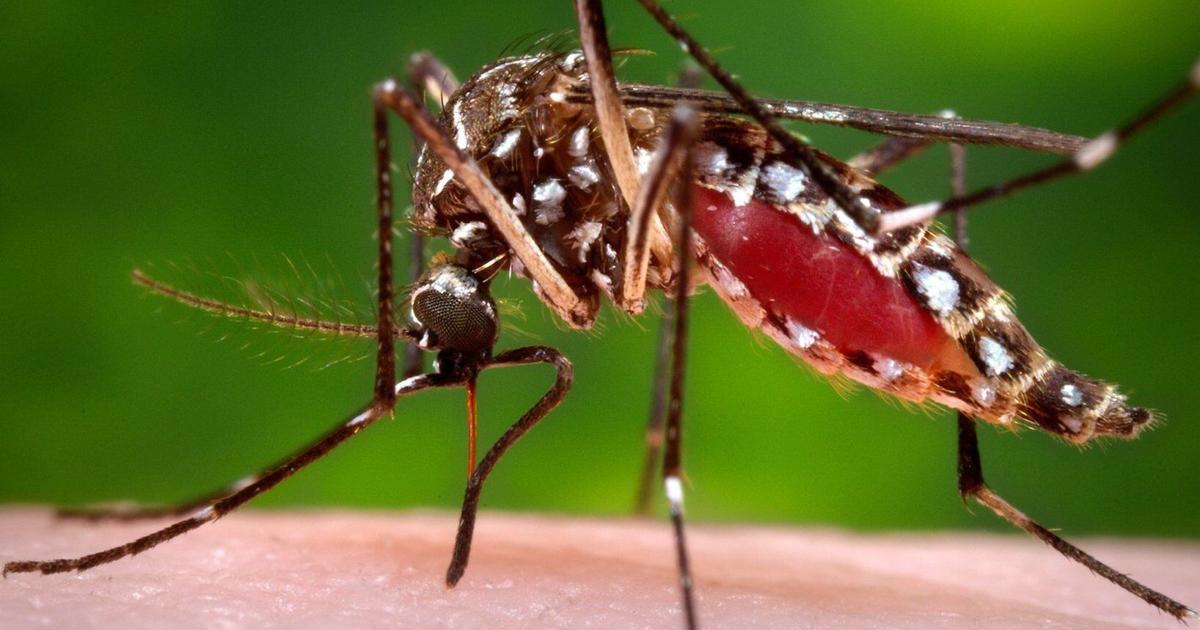
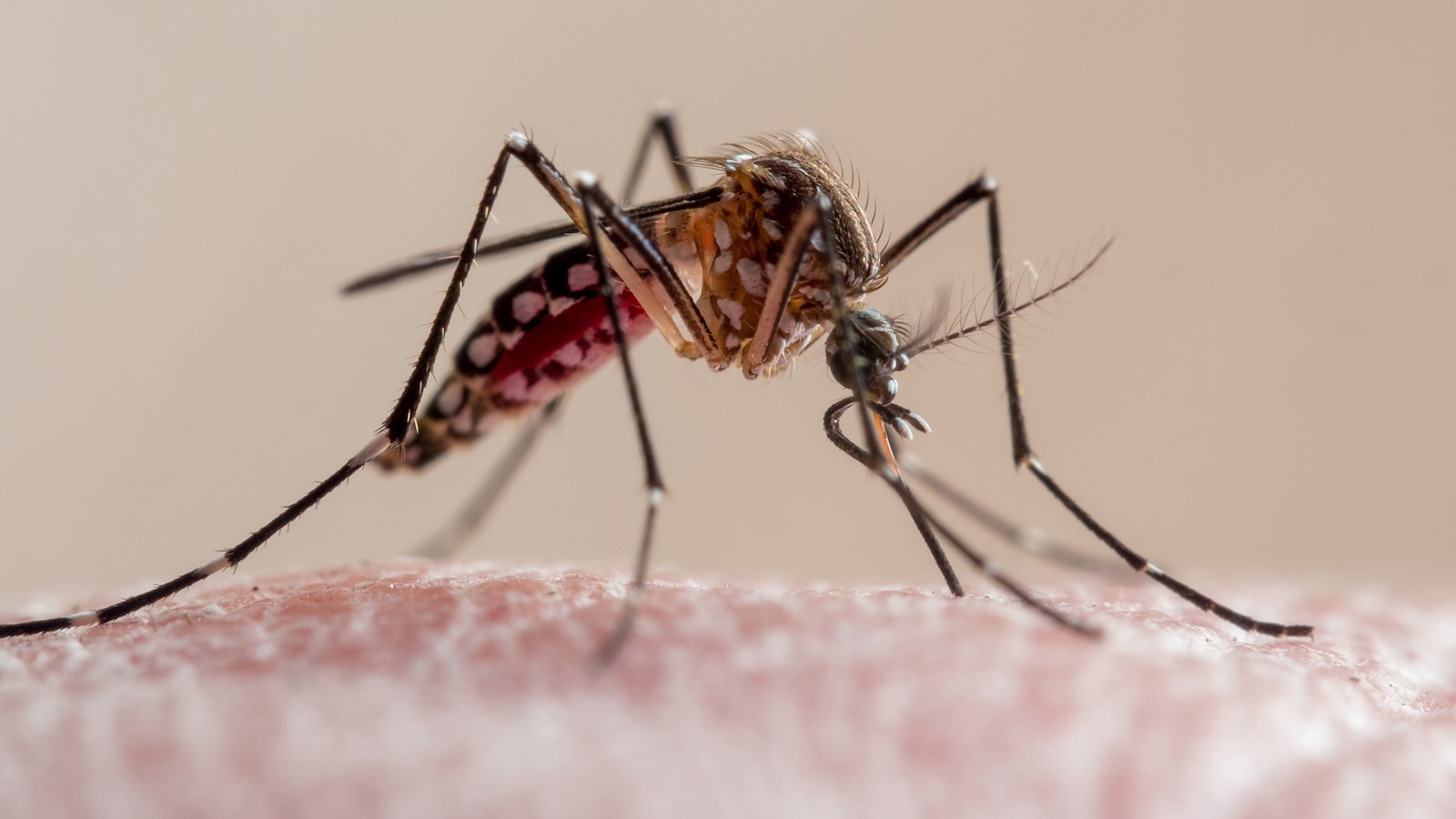
On September 4, Gay Small, an 80-year-old woman from Hillsborough County, Florida, died at Tampa General Hospital on her birthday due to dengue fever. The Florida Department of Health confirmed that she was bitten by a mosquito near her home and subsequently developed the virus. Her death certificate lists "dengue infection" along with "septic shock" and "multi-organ failure." Small's daughter, Anna, stated that her mother had been in good health until she contracted the disease from a single mosquito bite.
The Florida Department of Health also confirmed this year's first dengue-related fatality as part of an ongoing outbreak. Hillsborough County has seen over 130 locally acquired cases so far in 2026, which is unusually high compared to previous years when only a few cases were reported annually. Dengue fever is caused by a virus transmitted by warm-weather mosquitoes whose range is expanding due to climate change.
Experts and local health officials are concerned about the rise in dengue infections across Florida, particularly in areas like Tampa where 134 cases have been recorded this year alone. The outbreak highlights the increasing threat of tropical diseases spreading into traditionally temperate regions as global temperatures continue to rise.