Photo via South China Morning Post

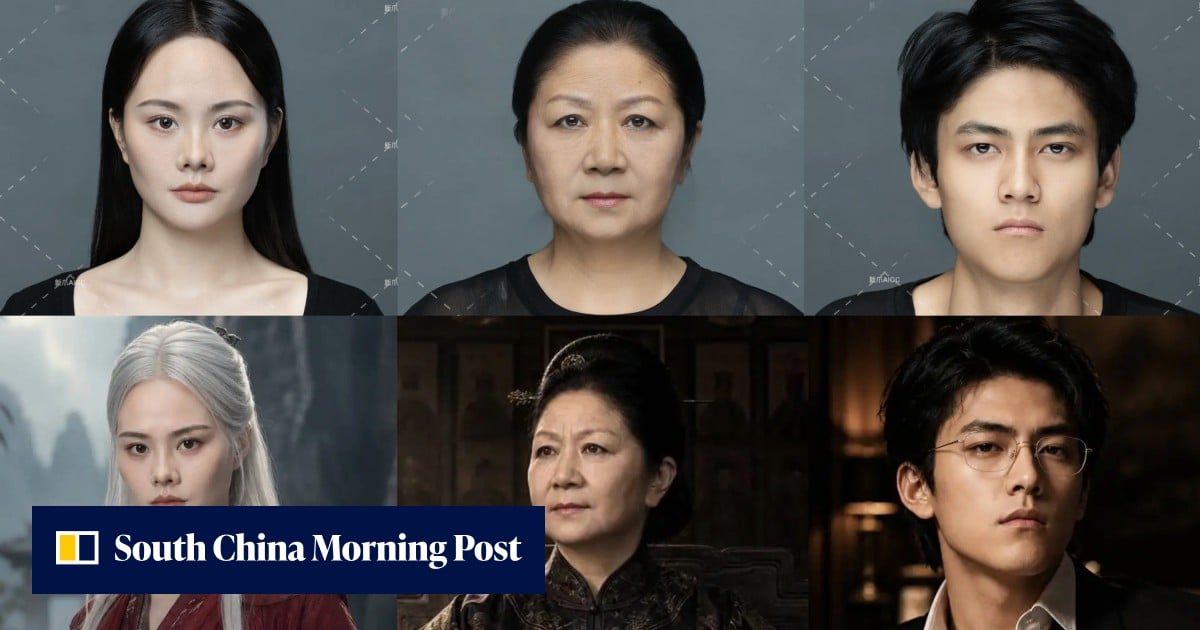
People in China earn between US$7 and US$15,000 by licensing faces to AI content producers

Read the original at South China Morning Post ↗
Cite

Zhang, Z. (2026, September 19). People in China earn between US$7 and US$15,000 by licensing faces to AI content producers. South China Morning Post. https://www.scmp.com/news/people-culture/trending-china/article/3368108/people-china-earn-between-us7-and-us15000-licensing-faces-ai-content-producers?utm_source=rss_feed

Dated when The Aporia collected the article, usually within hours of publication. Check the original for its exact date and byline.

South China Morning Post · collected 2026-09-19 · by Zoey Zhang

Quick Summary

In China, individuals are earning between $7 and $15,000 by licensing their faces to AI content producers for use in short dramas, advertisements, and games. Digital face-licensing platforms have become popular, moving from private industry chat groups to public platforms since April. For example, a bank employee earned nearly 2,500 yuan ($370) when an advertising company used his portrait seven times over three days. One such platform, Yuanxiang Xinsheng in Shenzhen, launched in May and enables users to create digital actor profiles after registration and identity verification.
Written by AI on 2026-09-19, from this article's own text only (the story summary below draws on all the coverage).

AI analysis

Story summary

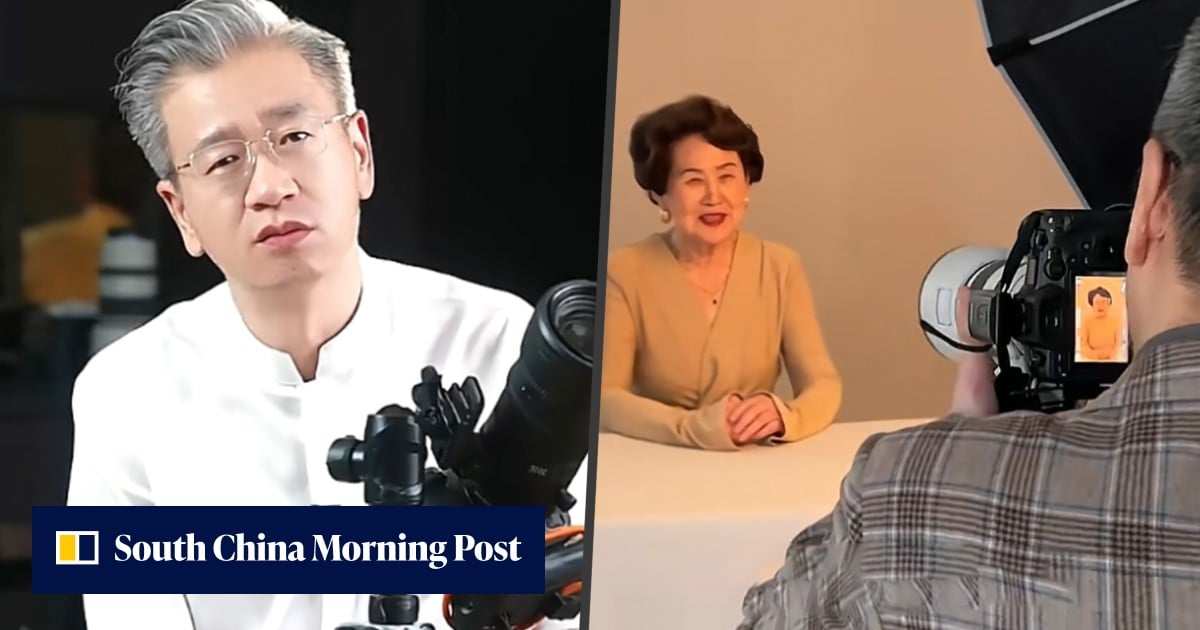
In China, people are earning between US$7 and US$15,000 by licensing their faces to AI content producers for use in short dramas, advertisements, and games. Some argue that only celebrities' faces have significant recognition value, while everyday faces can be easily generated by AI. Platforms like Shenzhen-based Yuanxiang Xinsheng, launched in May, connect ordinary individuals with content creators after users create "digital actor profiles" following registration and identity verification. Since April, private "face-selling" transactions within industry chat groups have moved to public platforms. For example, a bank employee reportedly earned nearly 2,500 yuan (US$370) when an advertising company used his portrait seven times in just three days, according to the National Business Daily.
Written for “Chinese Faces In AI Content” on 2026-11-01, grounded in this article and the 0 other(s) covering the same event.

Story

📰 Chinese Faces In AI Content
Technology · 1 article(s) covering the same event.

Compared with similar articles

Nothing to compare against. No article is close enough to this one for the pipeline to have linked or judged the pair.
How this article was measured signals, leaning charts, publisher record, byline, topics and claims

Signals How these are calculated →

Claims extracted
4
sentences that state something as happening or true
Uncertain
50%
2 of 4 hedged ("reportedly", "may", "according to")
Leaning
not political
takes no side on a contested political question
Publisher signals
64/100
South China Morning Post's corrections and hedging, across everything collected from it. Not a measure of accuracy.
Outlets on this story
1
Technology
Same framing elsewhere
1
articles that frame the event the way this one does
Analyzed 2026-09-19 · how these are computed

How this is being covered How these are calculated →

Article leaning vs. publisher reliability
Source leaning vs. consistency

Publisher

South China Morning Post · 3517 article(s) · 6 correction(s) detected
Running correction rate · 6 correction(s)

Who wrote this

Zoey Zhang
30 article(s) here · 1 carrying a prediction
🔮 “While love may fade, human-animal bonds rarely do,” one online user aptly wrote.
🔮 Saying she was “pregnant” and would pause all public activities, Mity asked fans to respect her privacy and her new life, without identifying the “father.”
🔮 Chinese man celebrates wedding to one woman, baby with ex-lover at same venue on same day According to a legal expert, although Wu’s case does not legally constitute bigamy, he could still face civil liability
🔮 China ‘robot trainers’ fold clothes, wash dishes 200 times a day for up to US$900 a month Some view this as deeply ironic: humans are teaching robots to work, yet these machines will one day replace their trainers Across China, a new breed of freelance “robot trainers” are wearing motion-capture gear to turn everyday household chores – picking up cups, opening bottle caps and washing dishes – into data that will teach tomorrow’s machines.
🔮 Chinese actress Li Bingbing credits success to younger sister who acts as manager, confidante Li notes the considerable sacrifices her younger sister made for her career, asserting that she could die for her From a humble working-class family in northeast China to becoming a celebrated actress on the Hollywood stage, 53-year-old Li Bingbing’s ascent has never been a solo journey.
🔮 From cooking and attending hospital visits to doing the actual quarrelling, paid “life stand-ins” are stepping in to manage these tasks, along with errands and awkward moments that many young Chinese would rather avoid.
🔮 Many beginners embarked on their journey with underwear, assuming it would be a straightforward first project due to its minimal fabric requirements.
🔮 Among the leading platforms, Shenzhen-based Yuanxiang Xinsheng, launched in May, allows users to create “digital actor profiles” following registration and identity verification.
🔮 Her clientele has included two PhD holders who lacked fundamental sexual knowledge and mistakenly believed that pregnancy could result merely from sharing a bed.
Also by Zoey Zhang
Nothing else under this byline is closely related to this article, so these are simply their most recent.
All 30 articles by Zoey Zhang →

Topics

China Shenzhen Yuanxiang Xinsheng the National Business Daily

Subjects

China GPE · 2× Shenzhen GPE · 1× Yuanxiang Xinsheng ORG · 1× the National Business Daily ORG · 1×

Narrative

People in China earn between US$7 and US$15,000 by licensing faces to AI content producers Some argue that for directors, only celebrities’ faces have recognition value, while everyday faces can simply be generated by AI In China, an increasing number of digital face-licensing platforms are connecting ordinary individuals with content creators, enabling them to authorise the use of their likenesses in AI-generated short dramas, advertisements, and games.
framing: mixed · carried by 1 article(s) · first seen 2026-09-19
🔮 Among the leading platforms, Shenzhen-based Yuanxiang Xinsheng, launched in May, allows users to create “digital actor profiles” following registration and identity verification.

Claims (4 extracted, 2 hedged)

People in China earn between US$7 and US$15,000 by licensing faces to AI content producers Some argue that for directors, only celebrities’ faces have recognition value, while everyday faces can simply be generated by AI In China, an increasing number of digital face-licensing platforms are connecting ordinary individuals with content creators, enabling them to authorise the use of their likenesses in AI-generated short dramas, advertisements, and games. asserted
number → earn → dramas
Since April, private “face-selling” transactions that once circulated within film and television industry chat groups have progressively transitioned to public platforms. asserted
that → circulate → platforms
One bank employee reportedly earned nearly 2,500 yuan (US$370) after an advertising company acquired his portrait seven times within just three days, as reported by the National Business Daily. uncertain
company → earn → Daily
Among the leading platforms, Shenzhen-based Yuanxiang Xinsheng, launched in May, allows users to create “digital actor profiles” following registration and identity verification. uncertain
users → lead → registration
💬Give feedback
🕘History 🎫Support