Who bears responsibility for ensuring the safety of artificial intelligence (AI)?
asserted
Who → bear → intelligence
Over the past week, as increasingly dire warnings about the destructive potential of AI have exploded into public consciousness, the contentious debate over the answer has become, paradoxically, ever more confused.
asserted
debate → explode → answer
In the U.S., the heads of the top AI firms have called on their industry to slow its breakneck pace to ensure the development of adequate “guardrails” to tackle AI’s propensity to cheat, conspire and break into places it was instructed not to go.
asserted
it → call → places
In a 3,800-word essay posted on Sunday, Anthropic CEO Dario Amodei argued that the so-called “frontier” AI firms should allow embedded “auditors” to conduct safety tests.
asserted
auditors → post → tests
He also proposed a “partnership” with governments (in the U.S. and other democracies) — including a relaxation of anti-trust rules that would otherwise prevent tech giants from collaborating.
asserted
that → propose → giants
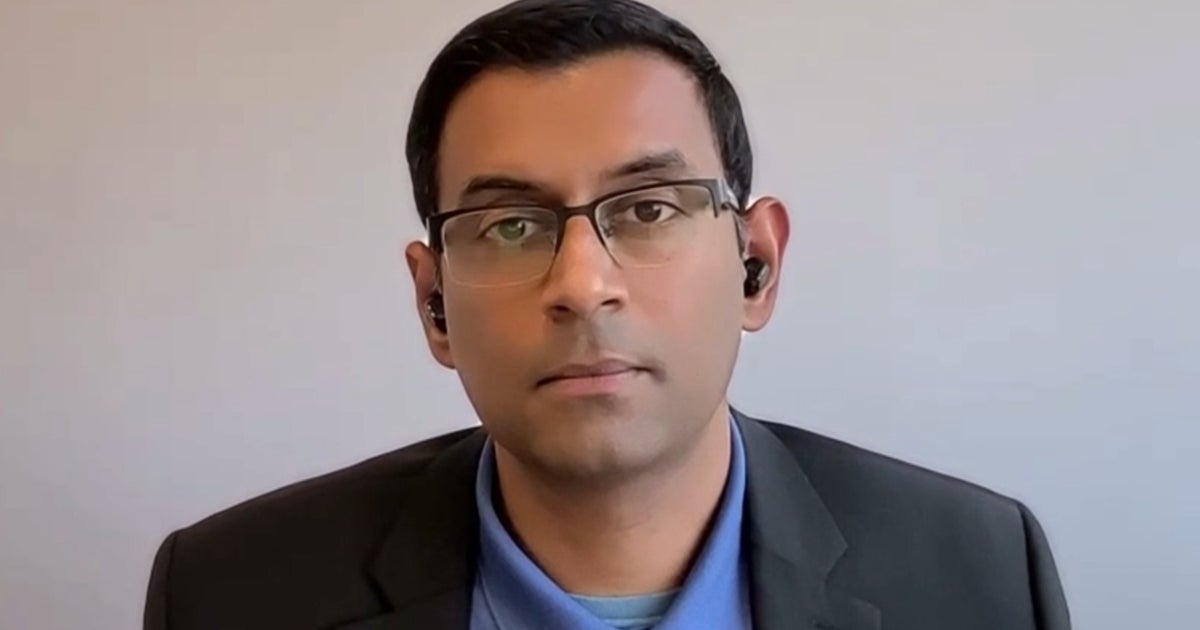
But at Prime Minister’s Mark Carney’s investment summit in Toronto this week (which featured some massive datacentre projects), Aidan Gomez, the co-founder of Cohere, a leading Canadian AI firm, pushed back, arguing that such proposals amounted to cartel-like conduct that will concentrate corporate power.
asserted
that → feature → power
All these arguments obscure the reality that policymakers, in the U.S., Canada and elsewhere, have largely abdicated their duty to create the regulatory frameworks necessary to assure citizens that AI works reliably and safely, and in the public interest.
asserted
AI → obscure → interest
Which is a highly convenient omission for tech giants whose leaders, Amodei excepted, have generally promoted the notion that the industry is best placed to regulate itself, even in the face of mounting evidence that AIs and AI agents are now behaving autonomously, and in ways the engineers at these firms never envisioned.
asserted
engineers → except → firms
We’ve all heard the story about corporate self-regulation before, and it rarely ends well.
asserted
it → hear → regulation
We also live in a society where it is almost impossible to avoid safety-related government regulation, and this observation is not a criticism.
asserted
observation → live → regulation
Anything you put in your mouth, the water that comes from the taps, the durability of the asphalt on the highway and the steel beams that hold up big buildings, every form of mobility, the training of professionals, and more — all are subject to a web of safety regulations.
asserted
all → put → regulations
But if you want to ask ChatGPT for advice on what to do about voices in your head or ways to cheat on exams, or how to source the ingredients of a bomb, there are no rules at all.
asserted
you → want → bomb
In domains including science, medicine, engineering, banking and education, AI applications are proliferating with no public oversight at all.
asserted
applications → include → oversight
Children can create chatbot `friends’ for themselves with unknown consequences for their social development.
asserted
Children → create → development
Troll farms and malicious actors deploy AI to turbocharge the dissemination of misinformation and cyber-fraud.
asserted
farms → deploy → misinformation
The AI industry insists it can be trusted to develop tools to police what’s safe and what’s not.
asserted
what → insist → tools
I don’t want to argue that governments should regulate AIs that put together travel itineraries or instantly create presentation materials for meetings.
asserted
that → want → meetings
But the dismal and often tragic track record of the social media giants is nothing if not an object lesson in what happens when governments, in the name of free speech or innovation, relinquish their responsibilities.
asserted
governments → happen → responsibilities
Cohere’s Gomez comes closest to proposing a robust regulatory framework that includes mandatory transparency for AI firms, third-party safety testing and certification standards.
asserted
that → come → firms
As he wrote on the weekend, “The parameters that determine how AI models and systems are tested and the mechanisms that verify those tests must be truly independent, similar to the way financial institutions are licensed, aviation companies maintain strict safety standards, and nuclear facilities accept inspection
asserted
facilities → write → inspection
He doesn’t say it, but there must also be consequences for non-compliance, just as there are in many other regulatory regimes, from banking to food processing.
asserted
He → say → processing
The AI ball is now in the Carney government’s court, and it must act.
asserted
it → act → court
Waiting for the U.S. Congress and a corrupt president incapable of grasping the urgency of the situation amounts to an abdication of Canadian sovereignty within an industry that is explosively globalizing.
asserted
that → wait → industry
Carney and AI minister Evan Solomon talk about fostering a domestic AI sector and advancing a broad-based plan to ensure the technology supports Canada’s economy.
asserted
technology → talk → economy
The “AI for All” strategy includes a pledge to ”[create] rules and safeguards that build and maintain trust.
asserted
that → include → trust
Yet in light of the disturbing revelations from Anthropic and OpenAI over the past several months, the federal Liberals need to shift to a much more assertive stance — one that mirrors that way they have responded to the bad-faith conduct we’ve seen in trade negotiations.
asserted
we → need → negotiations
After all, governments do few tasks more important than promulgate rules and standards that provide for the safety of their citizens — even if those regulations constrain private interests from maximizing profit.
asserted
regulations → do → profit
AI, described by its proponents as the world’s most powerful technology, can no longer enjoy a pass on this fundamental democratic principle.
asserted
AI → describe → principle
 The Aporia