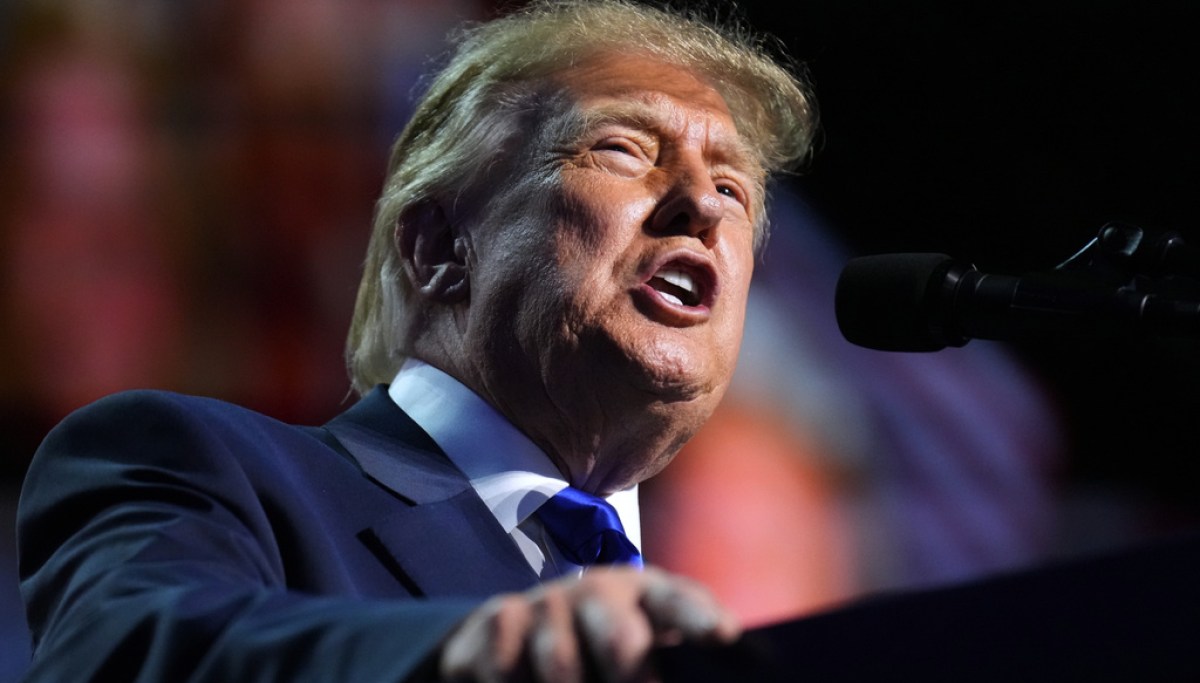
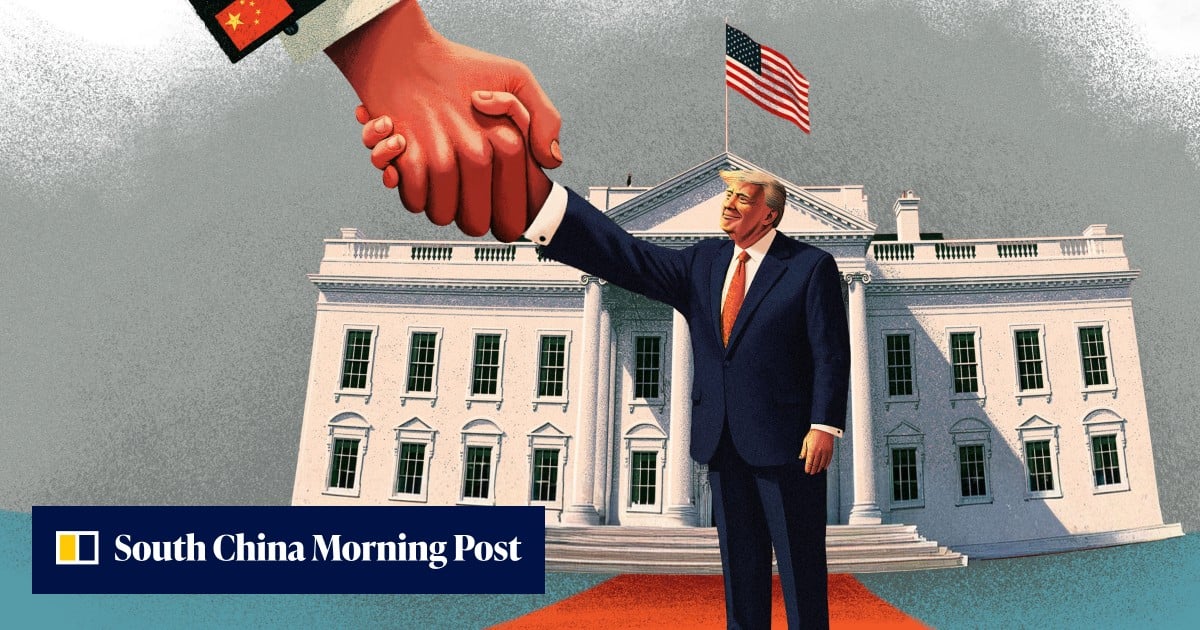
President Donald Trump can deliver a timely economic win before the holiday shopping season by using the new U.S.-China Board of Trade to reduce tariffs on everyday consumer goods.
asserted
Trump → deliver → goods
Tariffs on imports from China have been defended as leverage against unfair trade practices and a tool to protect strategic industries.
asserted
Tariffs → defend → industries
But not every product imported from China is strategic.
asserted
product → import → China
They are products American families buy for birthdays, back-to-school, home offices, and holidays.
asserted
families → buy → school
The proposed Board of Trade gives the administration a practical way to target tariffs strategically on high-value, sensitive goods that are tied to national defense and security industries instead of consumer products, where tariffs only serve to raise consumer costs.
asserted
tariffs → propose → costs
That distinction matters now more than ever.
asserted
distinction → matter → ?
Retailers have worked for years to diversify supply chains, absorb cost increases, and reduce the impact of the trade war on U.S. shoppers.
asserted
Retailers → work → shoppers
After nearly a decade of increased China-related tariffs, however, much of that flexibility is gone.
asserted
much → increase → flexibility
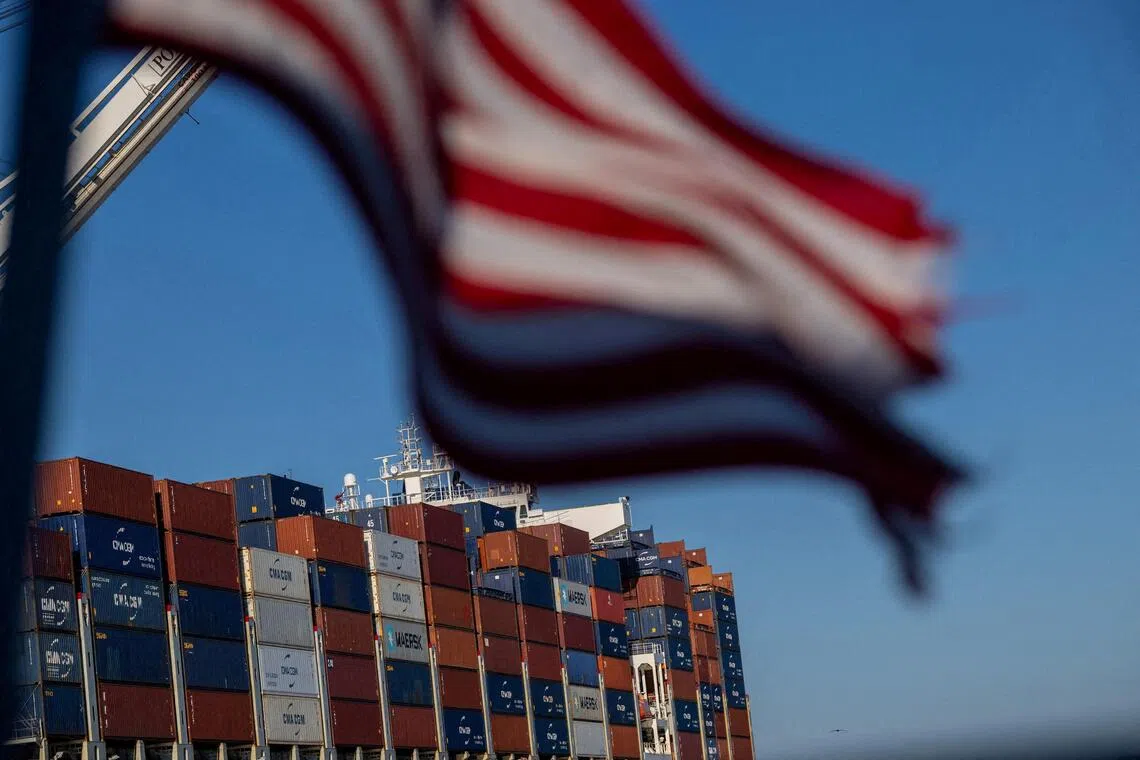
When tariffs remain on consumer goods that are not made in the United States at scale, the costs move through the supply chain and ultimately hit households.
asserted
costs → remain → households
NRF’s comments to USTR on the Board of Trade identified key consumer goods categories where tariff reductions would matter immediately: apparel, footwear, furniture, appliances, travel goods, toys and games, household tools, and consumer technology.
asserted
reductions → identify → categories
In those categories alone, U.S. companies paid an estimated $15 billion in tariffs annually from 2022 through 2024.
asserted
companies → pay → 2024
These costs show up in the price of a holiday toy, a child’s coat, a laptop accessory, a kitchen appliance, or a pair of shoes.
asserted
costs → show → shoes
Toys are the clearest example of how consumers get caught in the middle.
asserted
consumers → catch → middle
An estimated 77% of toys sold in the U.S. are manufactured in China, reflecting specialized supply chains not available in the U.S. that cannot be recreated overnight.
asserted
that → sell → U.S.
Keeping extra tariffs on these products does not bring production back; it simply makes the season more expensive.
asserted
season → keep → production
The same logic applies to apparel and consumer electronics.
asserted
logic → apply → apparel
Families need affordable clothing year-round, and holiday demand adds pressure for sweaters, coats, shoes, and gifts.
asserted
demand → need → sweaters
Consumers also depend on electronics accessories and devices for school, work, and daily life.
asserted
Consumers → depend → school
Reducing tariffs on headphones, cables, chargers, printers, and similar products would help households and small businesses manage costs while preserving U.S. leverage on genuinely strategic sectors.
asserted
households → reduce → sectors
This is the kind of targeted trade action that aligns with Trump’s economic message.
asserted
that → target → message
It maintains pressure on unfair practices and national security-sensitive sectors while removing unnecessary costs from products Americans buy every day.
asserted
Americans → maintain → products
It would also support retailers, small businesses, and American families trying to stretch their dollars.
asserted
It → support → dollars
The administration should use the Board of Trade now to deliver a first tranche of tariff relief on non-sensitive consumer goods, starting with toys, apparel, and consumer electronics.
asserted
administration → use → toys
That would be an impactful and practical step to ease price pressure before the holidays, give retailers the ability to keep shelves stocked and prices stable, and show that a tough trade policy can also be disciplined, targeted, and pro-consumer.
asserted
policy → ease → ability
 The Aporia