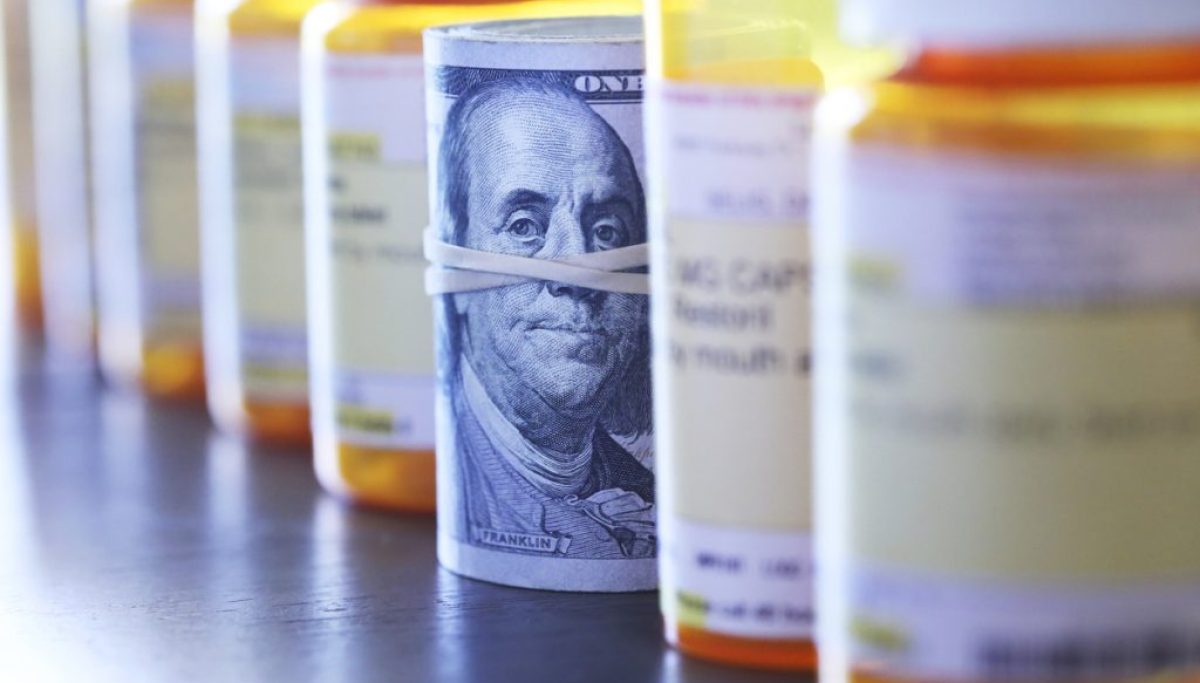
Congress protects song lyrics for nearly a century.
asserted
Congress → protect → century
Yet life-saving medical inventions, the result of years of scientific risk and billions in investment, expire after just 20 years from filing.
asserted
inventions → save → filing
That imbalance isn’t just hard to justify.
asserted
imbalance → justify → ?
It’s quietly driving up drug prices and weakening incentives for innovation where America needs it most.
asserted
America → drive → it
Patents are the backbone of scientific and engineering progress, but in high-risk regulated sectors such as pharmaceuticals, the current patent term fails to reflect economic reality.
asserted
term → engineer → reality
Developing a single new drug routinely costs well over $2 billion and often takes more than a decade before it ever reaches patients.
asserted
it → develop → patients
By the time regulators approve a treatment, years of patent protection may already be gone.
uncertain
years → approve → protection
Congress should extend patent terms by 10 years, bringing them to 30, to better align incentives with the realities of modern innovation, and ease long-term pressure on drug prices.
asserted
Congress → extend → prices
Copyrights for books and songs last for the author’s life plus 70 years, often stretching close to a century.
asserted
Copyrights → last → century
A novelist or songwriter may create a work in days or months, with minimal capital investment, and still enjoy exclusive rights for generations.
uncertain
novelist → create → generations
Inventors, by contrast, face years of uncertainty, regulatory review, and extraordinary cost.
asserted
Inventors → face → uncertainty
Filing and prosecuting a U.S. patent can cost tens of thousands of dollars, and international protection can exceed $100,000 over a patent’s life.
asserted
protection → file → life
In pharmaceuticals, those legal costs are small compared with the billions spent on research, clinical trials, regulatory compliance, and failures, especially when fewer than one in eight drug candidates ever reach the market.
asserted
candidates → compare → market
The 20-year patent term, adopted in the mid-1990s to harmonize global standards, works best for inventions that can be commercialized quickly.
asserted
that → adopt → inventions
That model breaks down in regulated industries.
asserted
model → break → industries
Clinical development and FDA reviews can consume up to a decade, leaving innovators with little more than a decade of effective market exclusivity.
asserted
development → consume → exclusivity
Songwriters and owners of master recordings face no such delays; their work is protected upon creation.
asserted
work → face → creation
It’s hard to justify why a pop song or master recording receives triple the protection of a breakthrough cancer therapy.
asserted
song → ’ → therapy
Extending patent terms would help correct that imbalance.
asserted
Extending → extend → imbalance
Longer protection would strengthen incentives for research and development, especially in areas with long timelines and high failure rates, such as oncology, neurodegenerative disease, and rare disorders.
asserted
protection → strengthen → oncology
Critics warn of monopolies, but patents are not open-ended government handouts.
asserted
patents → warn → monopolies
They are time-limited rewards granted in exchange for public disclosure, after which competitors, including generic manufacturers, are free to compete.
asserted
competitors → limit → manufacturers
Without robust patent protection, companies would have less reason to invest in risky development, or more reason to protect discoveries as trade secrets where possible.
asserted
companies → have → secrets
The strongest argument for longer patents, however, lies in the economics behind pricing.
asserted
argument → lie → pricing
Drug development costs have soared, with recent widely cited estimates of more than $2 billion when failures and capital costs are included (Tufts Center for the Study of Drug Development).
asserted
failures → soar → Development
Under the current system, companies must recover these investments over a shortened effective exclusivity window.
asserted
companies → recover → window
The predictable result is pressure toward high launch prices and aggressive rebate negotiations before generic competition arrives.
asserted
competition → arrive → prices
A longer patent term would change the time horizon for those economics.
asserted
term → change → economics
Spreading costs over an additional decade could reduce pressure for front-loaded pricing while still allowing innovators to earn a reasonable return.
uncertain
innovators → spread → return
Instead of pricing a life-saving drug aggressively to recover costs in a single decade, a firm could plan around a longer period of protected revenue, creating more room for stable pricing, negotiated discounts, and patient-access commitments.
uncertain
firm → price → pricing
Patients could gain more predictable access and less front-loaded pricing pressure, while companies would benefit from longer-term revenue stability.
uncertain
companies → gain → stability
History supports this logic.
asserted
History → support → logic
When patents expire, and generic competition enters, prices often fall by 30% to 80%, as occurred with Lipitor™ after patent expiration.
asserted
prices → expire → expiration
That dynamic also helps explain why companies face pressure to recover development costs before generic entry begins.
asserted
entry → help → costs
Extending patent terms doesn’t eliminate that competition; it delays it for a defined period, while smoothing the price curve and encouraging moderation rather than front-loaded pricing.
asserted
it → extend → pricing
Some proposals even tie extensions to price reductions, rewarding companies that lower costs with additional protection.
asserted
that → tie → protection
That approach could create a virtuous cycle of innovation, affordability, and access.
uncertain
approach → create → innovation
Skeptics argue that longer patents delay competition.
asserted
patents → argue → competition
That concern is legitimate, and it reflects the tradeoff patent law has always made.
asserted
law → reflect → tradeoff
But the status quo isn’t delivering affordable drugs or sufficient innovation.
asserted
quo → deliver → drugs
…and 10 more, not listed.
 The Aporia