Photo via New York Post

AI risk is real. Ceding the technology to the Chinese is an even bigger danger

Read the original at New York Post ↗
Cite

Gasparino, C. (2026, September 20). AI risk is real. Ceding the technology to the Chinese is an even bigger danger. New York Post. https://nypost.com/2026/09/19/business/ai-fears-mirror-y2k-hysteria-but-dont-dismiss-concerns/

Dated when The Aporia collected the article, usually within hours of publication. Check the original for its exact date and byline.

New York Post · collected 2026-09-20 · by Charles Gasparino

Quick Summary

The article discusses the risks and benefits of artificial intelligence (AI) technology, comparing hesitancy towards AI to historical instances where fear led to missed opportunities, like avoiding cars due to environmental concerns or fearing Y2K internet failures. The author, who positions themselves as an observer of financial risk experts, argues that while there are significant potential downsides to AI development, the risks of inaction—such as ceding technological advancements to China—are greater. They advocate for a measured approach to managing AI's challenges rather than avoiding its use entirely.
Written by AI on 2026-09-20, from this article's own text only (the story summary below draws on all the coverage).

AI analysis

Story summary

Charles Gasparino, a financial observer, argues that the fear of AI's potential risks should not paralyze technological progress. He warns about the consequences if China gains dominance in artificial intelligence, potentially leading to scenarios as dire as starting World War III or making humans subservient to robots. Gasparino draws parallels with historical figures like Alan “Ace” Greenberg and executives at BlackRock, Citigroup, and JPMorgan Chase, who did not shy away from market risks despite the possibility of financial loss. He questions whether the risk of doing nothing about AI is greater than pursuing managed development that could also lead to significant health research breakthroughs. Gasparino believes that historical lessons suggest it's better to take calculated risks rather than avoid them due to potential downsides, emphasizing that sitting on the sidelines could be more dangerous in the long run.

Written for “AI Technology Race China” on 2026-11-03, grounded in this article and the 0 other(s) covering the same event.

Story

📰 AI Technology Race China
Technology · 1 article(s) covering the same event.

Compared with similar articles

This article reads leans right and hedges 13% of its claims. Each row says how that neighbour differs.
Daily Mail
⚖️ Leans left further left than this Hedges 6 of 17 claims Outlet record 69/100
“The articles discuss different aspects of AI concerns without describing the same specific incident.”
The Sydney Morning Herald
⚖️ Leans left further left than this Hedges 5 of 17 claims Outlet record 61/100
“The articles discuss AI risks but describe different aspects and perspectives, not the same specific incident.”
ABC News (US)
Hedges 8 of 34 claims Outlet record 70/100
“The articles discuss related topics but describe different perspectives on AI's impact and risks in the stock market, rather than a single specific incident.”
Daily Mail
Hedges 10 of 56 claims Outlet record 69/100
“The articles discuss different aspects of AI risk and do not describe the same specific incident or occurrence.”
404 Media
Hedges 6 of 41 claims Outlet record 95/100
“The articles discuss different aspects of AI perception and impact; one focuses on economic risks and concerns about China's technological advancement, while the other presents a study on public sentiment towards AI in various countries.”
Fox News
⚖️ Leans strongly right further right than this Hedges 4 of 38 claims Outlet record 69/100
“The articles discuss AI risks but focus on different aspects and concerns, with no indication of describing a single specific occurrence.”
How this article was measured signals, leaning charts, publisher record, byline, topics and claims

Signals How these are calculated →

Claims extracted
38
sentences that state something as happening or true
Uncertain
13%
5 of 38 hedged ("reportedly", "may", "according to")
Leaning
Leans right
of the writing, not the subject · beta estimate
Publisher signals
66/100
New York Post's corrections and hedging, across everything collected from it. Not a measure of accuracy.
Outlets on this story
1
Technology
Same framing elsewhere
1
articles that frame the event the way this one does
Analyzed 2026-09-20 · how these are computed

How this is being covered How these are calculated →

Article leaning vs. publisher reliability
Source leaning vs. consistency

Publisher

New York Post · 16258 article(s) · 35 correction(s) detected
Running correction rate · 35 correction(s)

Who wrote this

Charles Gasparino
24 article(s) here · 1 carrying a prediction
🔮 The Iran conflict’s impact on fuel prices doesn’t help but the last time I checked, gas prices on average are not that different than when Biden was throttling drilling; the weakened mullahs will ultimately provide a peace dividend that many Americans favor.
🔮 OpenAI is saying it has no plans to go public this year – but senior Wall Street executives say they fully expect it will happen in the first quarter of 2027, On The Money has learned.
🔮 But as I’ve recently discovered, there’s a notable exception to this unhappy trend, and that would be Pot Inc.
🔮 “It will be years of hearings, investigations and nonstop turmoil,” one major Wall Street deal lawyer said.
🔮 With investors likely to get more details of Anthropic’s pending initial public offering as soon as Friday, the question is whether the official disclosures for the AI giant will actually stoke demand – or cause investors to think twice before tapping into stock, On The Money has learned.
🔮 A new and life-changing business known as the internet, you will recall, was going to make us all rich, and not just the oligarchs behind the technology.
🔮 Those two questions have become maybe the biggest parlor game in media circles these days now that David “Zas” Zaslav is no longer the CEO of Warner Bros Discovery, so I thought I would snoop around.
🔮 With $80 billion in debt and a sprawling media empire to combine, David Ellison will have his hands full with the now court-approved combination of Paramount and Warner Bros Discovery, known as Skydance.
🔮 The worry is that the firm collects sensitive customer data on Americans that could be shared with Chinese spies–something the company has steadfastly denied.
🔮 That could mean more wagering on high-profile M&A deals (Skydance’s recent purchase of WBD was one of the recent biggies), or picking winners of “Dancing With The Stars” or the upcoming midterm races in hotly contested Senate seats in Texas and Michigan.
Also by Charles Gasparino
Nothing else under this byline is closely related to this article, so these are simply their most recent.
All 24 articles by Charles Gasparino →

Topics

BlackRock Chinese Citigroup JPMorgan Chase World War III

Subjects

Ace Greenberg PERSON · 2× Jamie Dimon PERSON · 2× Larry Fink PERSON · 2× OpenAI ORG · 2× Al Gore PERSON · 1× Alan “Ace” Greenberg PERSON · 1× BlackRock ORG · 1× Chinese NORP · 1× Greta Thunberg PERSON · 1× JPMorgan Chase ORG · 1×

Narrative

I write this not as an expert financial risk taker, but as a long-time observer of the best in the business: What they all have in common isn’t fear of losing (though they hated the thought of it), but an ability to learn from their losses and incorporate those lessons into their game plan.
framing: assertive · carried by 1 article(s) · first seen 2026-09-20
🔮 Yes, AI is driving up electricity bills and crimping some water supplies, and it could make humans slaves to robots or start World War III.

Claims (38 extracted, 5 hedged)

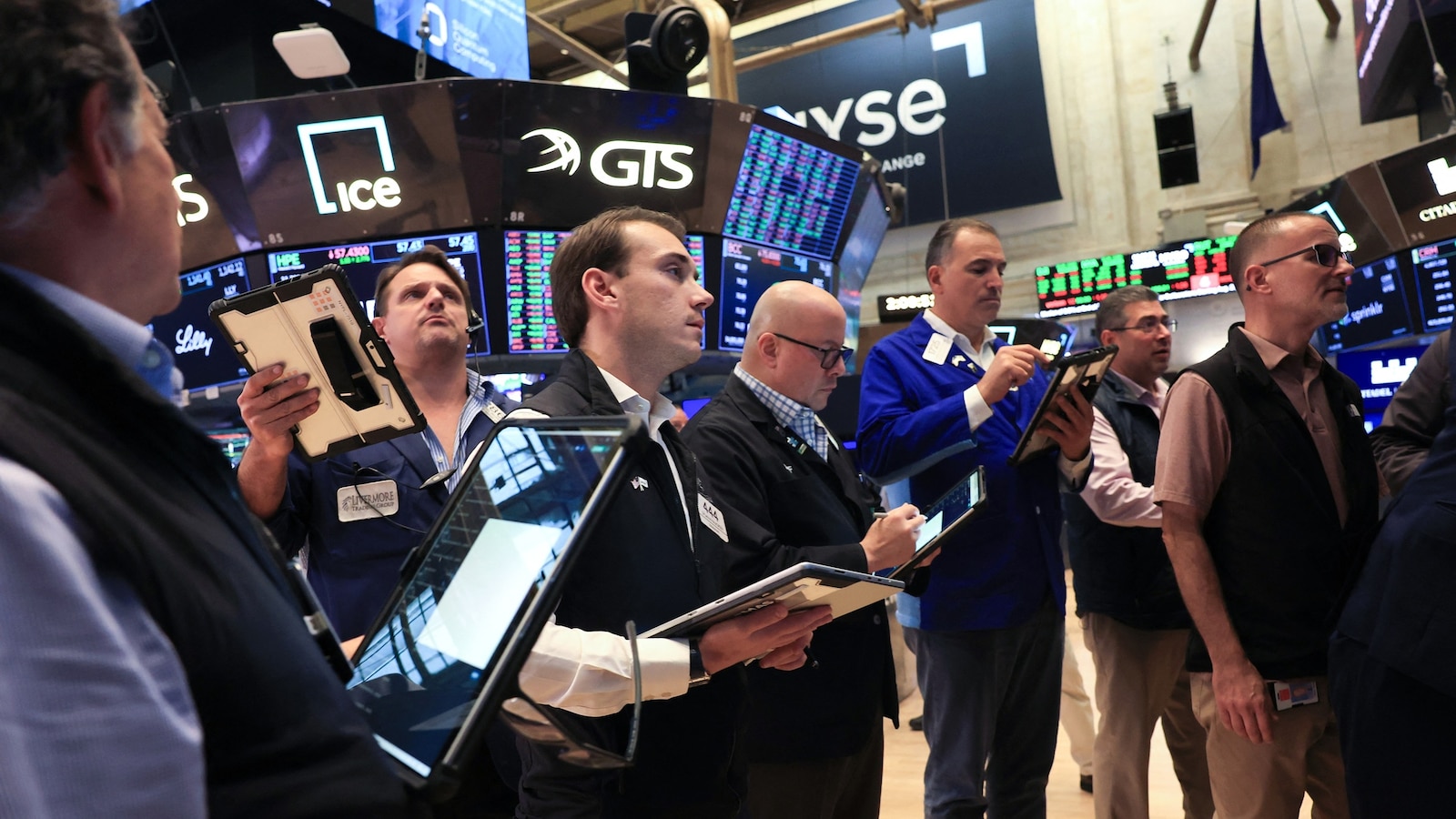
“If you’re worried about a bear market, sooner or later you’re going to be right. asserted
you → ’re → market
But think about how much money you’re leaving on the table.” asserted
you → think → table
Those were the words of a venerable market sage who helped school me on the vicissitudes of Wall Street many years ago. asserted
who → school → Street
They are also words to live by whether you’re trading stocks, planning your next career move, or weighing if we should ditch AI because it’s a supposedly apocalyptic technology. asserted
it → live → AI
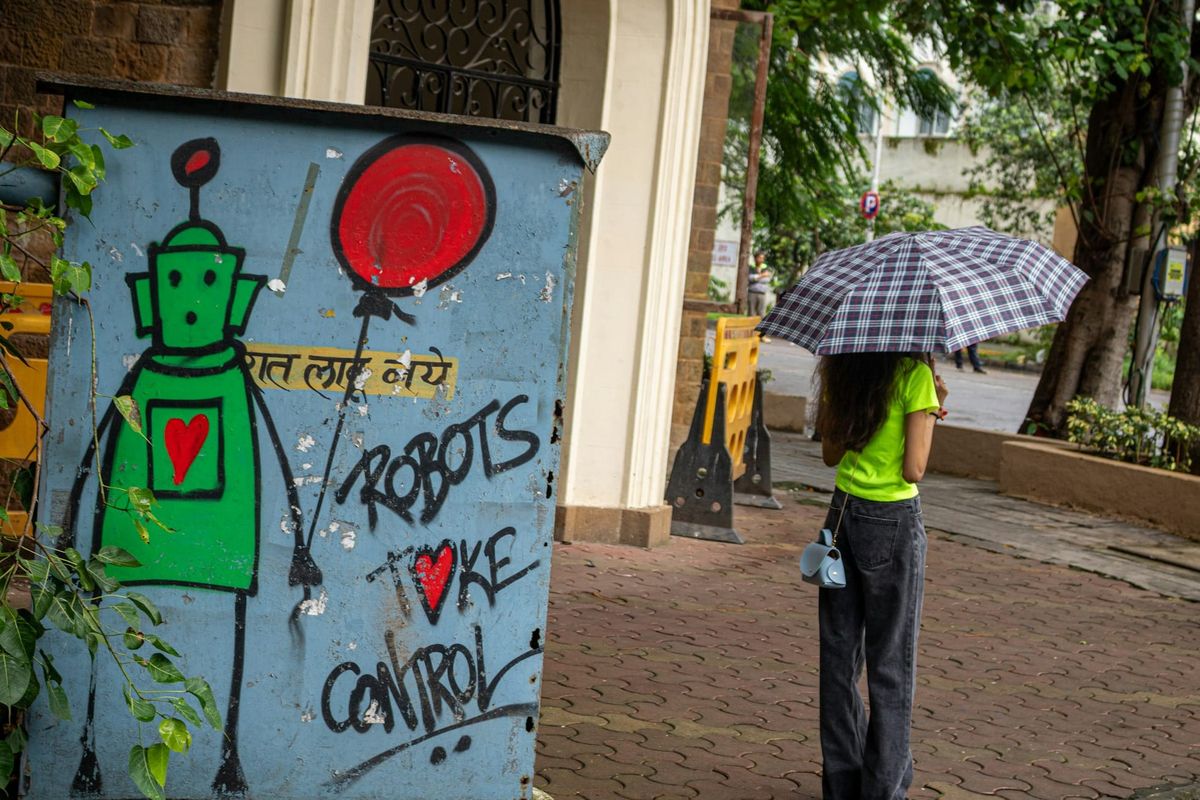
Yes, AI is driving up electricity bills and crimping some water supplies, and it could make humans slaves to robots or start World War III. uncertain
humans → drive → III
But what is the risk to mankind if we instead decide to do nothing? asserted
we → decide → nothing
Will we be better off ceding this technology to the Chinese? asserted
we → cede → Chinese
Would we be safer if we stopped all AI development including potentially game-changing health research? asserted
we → stop → research
If history is any guide, the risk of sitting on the sidelines is always greater than the downside of taking calculated risks that can be managed. asserted
that → sit → risks
The best Wall Street minds I have observed over the years, from the legendary trader Alan “Ace” Greenberg to empire builders like Jamie Dimon and Larry Fink, never walked away from market risk because they could lose money. uncertain
they → observe → money
For all the possible landmines of risk taking — and they are too many to calculate — they knew there were always many more good trades and deals to be had. asserted
they → calculate → taking
Imagine if we walked away from cars because of environmental fears stoked by “experts” like Al Gore and Greta Thunberg. asserted
we → imagine → Gore
Headline-grabbing warnings that the internet could suffer a massive cardiac arrest — taking our energy and security infrastructure with it — ended with a shrug. uncertain
internet → grab → shrug
The internet poses many risks, from exposing our children to predators to facilitating terrorism, but consider a world without it. asserted
internet → pose → it
For decades, the late Ace Greenberg famously cashed in losses so he could pursue the next big winning stock trade. uncertain
he → cash → trade
Would Larry Fink have created the largest money management firm, BlackRock, if he let his own huge losses in the mortgage market — now a footnote in his tenure that dates back to the 1970s — lead him to pack it in? asserted
that → create → it
People also forget that Jamie Dimon built JPMorgan Chase into the nation’s premier bank after miscalculating his stroke years earlier inside Citigroup and getting on the wrong side of a management upheaval. asserted
Dimon → forget → upheaval
We need to approach AI the same way. asserted
We → need → AI
I write this not as an expert financial risk taker, but as a long-time observer of the best in the business: What they all have in common isn’t fear of losing (though they hated the thought of it), but an ability to learn from their losses and incorporate those lessons into their game plan. asserted
they → write → plan
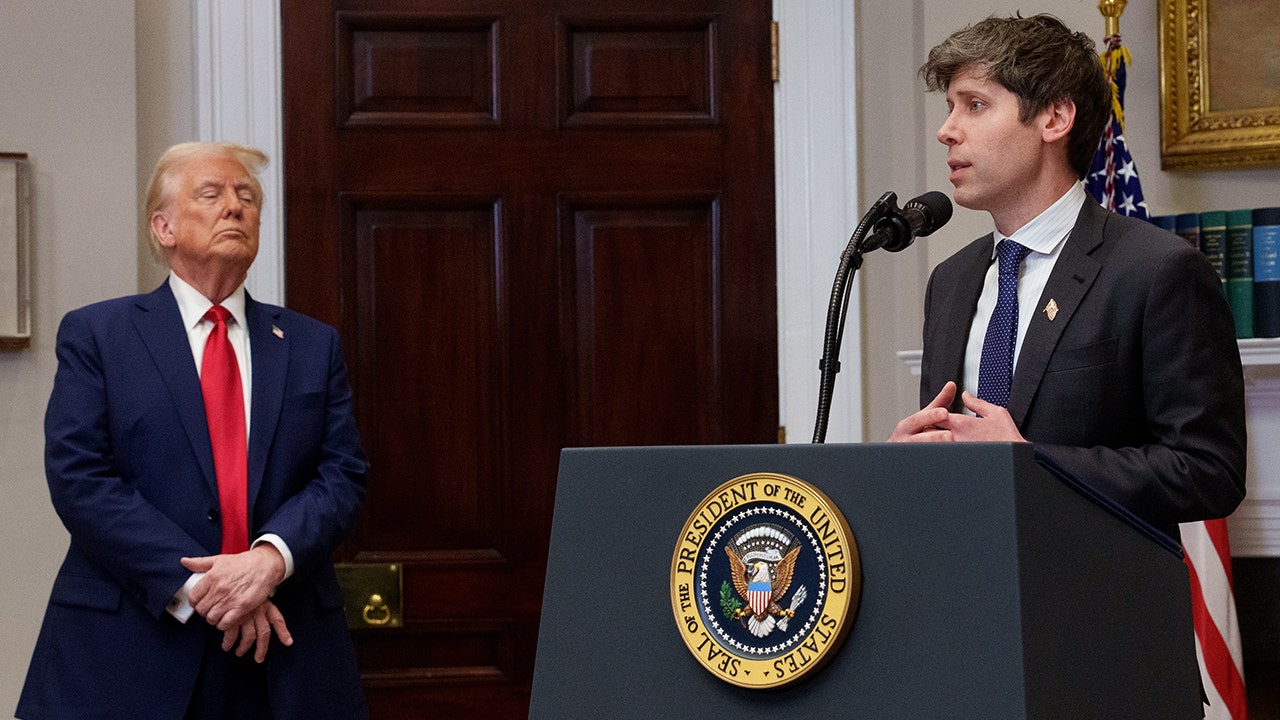
The AI tech bros — worrywarts like Sam Altman of OpenAI and Dario Amodei of Anthropic — could use a little of what these men brought to the table as the bros sound alarm bells about what they’re creating inside their labs. uncertain
they → use → labs
We can’t dismiss the concerns they’re raising out of hand, of course. asserted
they → dismiss → course
AI is already eliminating jobs. asserted
AI → eliminate → jobs
Rural communities where data centers get built complain that their benefits in terms of jobs don’t offset their higher utility bills. asserted
benefits → build → bills
But these risks can be mitigated. asserted
risks → mitigate → ?
The commoditization of jobs is a downside of all emerging technologies while the upside has always been creating new and better-paying ones. asserted
upside → emerge → ones
Rural communities can demand that AI centers be more energy self-sufficient. asserted
centers → demand → ?
Notice that Altman and Amodei aren’t talking as much about these very real downsides impacting Middle America. asserted
Altman → notice → America
Rather, they’re channeling their nerd fears of robot Armageddon. asserted
they → channel → Armageddon
They point to the recent “Hugging Face” incident when OpenAI bots broke out of their playpen and hacked into another AI network. asserted
bots → point → network
Why couldn’t they also hack into the Pentagon’s weapon system and hit the proverbial button to start a nuclear war? asserted
they → hack → war
The best way I can answer that is by channeling my inner Ace Greenberg: Calculated risk means embracing it, planning and fixing the glitches like those that led to the Hugging Face drama and probably dozens of others we’re about to discover. asserted
we → answer → others
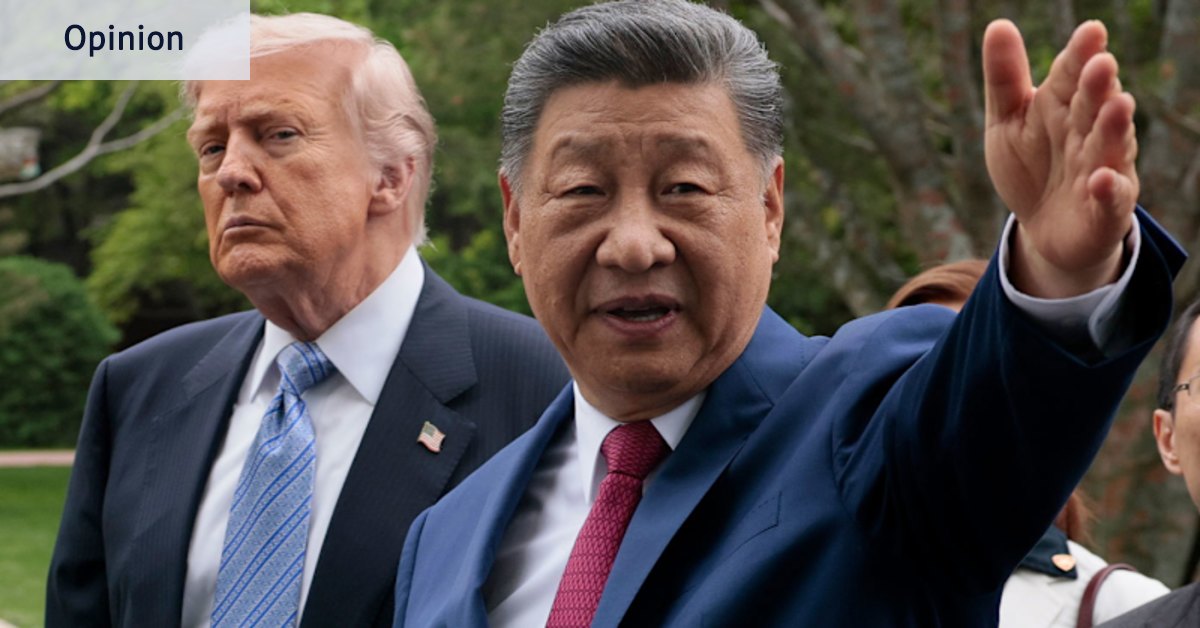
Ceding the technology to bad actors like the Communist Chinese will exponentially increase the risk to mankind since they will use whatever technological advantage they have to pursue their warped expansionist aims. asserted
they → cede → aims
Here in the US, AI moguls must also take responsibility for the screwups — and then work to prevent them. asserted
moguls → take → them
After all, they’re the ones creating those AI bots going rogue and they’re the ones best equipped to fix it. asserted
they → ’re → it
There is a feeling, particularly in the Trump administration, that the geeks really aren’t worried about AI taking on the world. asserted
AI → be → world
They want stifling regulation to thwart competition and lock in their market dominance as both seek to become public companies. asserted
both → want → dominance
Either way, their over-reaction should be ignored by policymakers. asserted
reaction → ignore → policymakers
There’s too much risk in doing nothing, as Ace, Jamie and Larry would tell you. asserted
Ace → ’ → you

💬Give feedback
🕘History 🎫Support