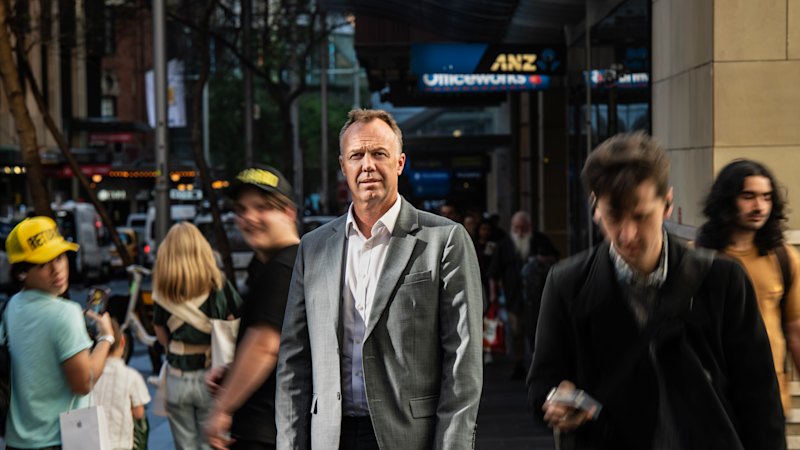
Australians are tipping more money into their super accounts after the federal budget cut back negative gearing and overhauled capital gains tax, with major funds reporting a 35 per cent annual jump in additional contributions by members.
asserted
funds → tip → members
For-profit funds MLC and Colonial First State, as well as the country’s largest fund AustralianSuper, have seen a rise in the amount of money members are putting into super in recent months, on top of the mandatory 12 per cent of wages.
asserted
members → see → wages
Voluntary contributions rise every year in June as people seek to claim tax benefits before the end of the financial year, but the funds say the increases they have seen go beyond this annual jump.
uncertain
they → rise → jump
MLC, owned by ASX-listed Insignia, said its data showed that between May and August this year, additional contributions to super were up by 35 per cent compared to the same time period in 2025 while AustralianSuper reported the same jump year-on-year in June.
uncertain
AustralianSuper → own → June
The funds did not attribute the increase in contributions directly to Labor’s tax changes, but the trend follows tax changes aimed at making property investment a less attractive option, while leaving super’s tax concessions intact.
asserted
investment → attribute → concessions
The budget’s changes to capital gains are also likely to increase the tax burden from investing in high-growth businesses, critics say.
asserted
critics → increase → businesses
Private wealth adviser at Insignia-owned Shadforth Financial Group, Andrew Brunero, said he was unsurprised by the rise in voluntary contributions, and he thought the changes to negative gearing and capital gains tax were a “significant” factor behind the trend.
asserted
changes → own → trend
“The last few months with ... some of the recent tax changes and that side of it has definitely got people talking and thinking about superannuation more than they have,” he said.
asserted
he → get → superannuation
“So, I’m not surprised that the trend has actually shown that the rate of contributions has been increasing over that period of time.”
asserted
rate → ’m → time
Brunero said the changes to property taxation announced in the budget were probably a significant influence on many members’ decisions to put more into super.
asserted
changes → say → super
Under Labor’s changes, negative gearing will be restricted to newly built investment properties from next July, and the 50 per cent capital gains tax discount will be replaced with an inflation-adjusted model.
asserted
discount → restrict → model
Brunero said most people used borrowed money to invest in property, and the changes were a “major headwind on the property investment front for a lot of investors”.
asserted
changes → say → investors
MLC chief customer officer Renee Howie said the fund had heard from members asking questions about “recent policy changes,” and added that the increase in contributions showed people were taking steps to save more for retirement.
“
asserted
people → say → retirement
At MLC, we’re hearing from members who are paying closer attention to their super and asking more questions about how recent policy changes may affect them,” she said in a statement.
uncertain
she → hear → statement
“Moments like this often prompt people to check in on their super and consider whether there are steps they can take to improve their long-term financial confidence.”
asserted
they → prompt → confidence
AustralianSuper, which manages more than $430 billion, said voluntary contributions jumped 35 per cent year-on-year in June, and the increase has continued in July and August.
asserted
increase → manage → July
Most of the increase has come from members between the ages of 50 and 66.
asserted
Most → come → 50
“We have seen a significant increase in voluntary contributions since May.
uncertain
We → see → May
Members are increasingly recognising super as a tax-effective opportunity, and that their retirement savings can benefit from the power of compound interest over the long term,” chief member officer Rose Kerlin said.
asserted
Kerlin → recognise → term
Chief executive of Colonial First State Superannuation, Kelly Power, said even though the capital gains tax changes did not take effect until next July, there were signs members and financial advisers were “considering the potential implications of the changes for long-term savings and retirement outcomes”.
“Many CFS members already make voluntary super contributions to their super as part of their retirement planning.
asserted
members → say → planning
Since the Federal Budget, voluntary contributions have tracked higher than we would typically expect, with the strongest growth among members under 40,” Power said.
asserted
Power → track → 40
She said that although it was too early to draw conclusions, the data suggested Australians were looking at how the policy changes could affect their long-term retirement outcomes.
uncertain
changes → say → outcomes
AMP group executive for superannuation and investments Melinda Howes said the fund saw a “clear increase” in voluntary contributions in June after the budget.
Independent economist Saul Eslake said it was possible the government’s tax changes had prompted more people to put their money into super instead of property or other investments.
asserted
changes → say → super
“It could be that people are consciously choosing to put more into super, rather than buy investment properties or some of those other alternatives,” he said.
uncertain
he → choose → alternatives
“If people are thinking constructively about their retirement, that’s a good thing.”
asserted
that → think → retirement
The Business Briefing newsletter delivers major stories, exclusive coverage and expert opinion.
asserted
newsletter → deliver → stories
 The Aporia