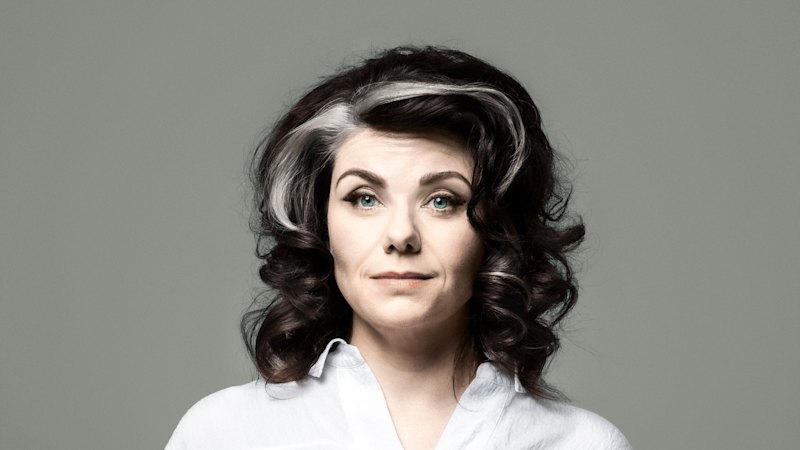
Recently, I spoke at the inaugural Readings Romance Festival in Melbourne, which sold out in 48 hours.
asserted
which → speak → hours
One of my favourite Australian romance writers, Anita Heiss, opened by talking about why she writes about love.
asserted
she → open → love
Authors and readers talked about sex, relationships and, on my panel, the “meet-cute”: the moment when two future lovers collide.
asserted
lovers → talk → panel
Earlier this year, I spoke at Brisbane’s Blussh Romance Festival and saw the same thing: hundreds of women discussing exactly what they want from the people they date, and almost no men there to hear it.
asserted
they → speak → it
It’s not that straight men don’t want to know what women want.
asserted
women → ’ → what
I think they really do.
asserted
they → think → ?
They’re spending hours looking for answers in dating podcasts, watching YouTube videos promising to explain women and in the corners of the manosphere that don’t seem to like us very much.
asserted
that → spend → us
I distinctly remember learning at school that when a boy insulted me, he might actually be “negging” me, a pickup technique popularised by Neil Strauss’ 2005 book The Game.
uncertain
he → remember → book
Now we have “sexual market value”, “high-value men” and endless theories about “female nature”.
asserted
we → have → nature
All new ways of delivering the same old message: if you want to understand women, ask another man.
asserted
you → deliver → man
As a romance writer, this drives me mad.
asserted
this → drive → me
Women have spent decades writing whole novels about what we think and want, yet some men would still rather hear another man explain it into a microphone.
asserted
man → spend → microphone
For some reason, those voices are taken seriously while romance, a literal peek inside a woman’s mind, is dismissed as “fluff”.
asserted
romance → take → fluff
But men who dismiss romance fiction – or have simply never thought it was written for them – miss out on more than dating advice.
asserted
it → dismiss → advice
I recently read that fiction strengthens the social skills we use to connect with others.
asserted
we → read → others
And I can’t think of another genre more interested in human connection.
asserted
I → think → connection
Romance, in my opinion, gives us one of the most nuanced explorations of desire, power, vulnerability and what it means to be truly known by another person.
asserted
it → give → person
And romance takes happiness seriously too.
asserted
romance → take → happiness
The lovers might be hockey players or enemies forced to share a bed or even a woman and the blue alien who abducted her (there really is a subgenre for everyone), but every romance must, under all circumstances, promise a happy ending.
uncertain
romance → force → ending
It’s one of the genre’s few defining rules and what separates a romance from a love story.
asserted
what → ’ → story
So, when you read romance, the question isn’t whether happiness is possible, but what the characters will have to learn or risk to achieve it.
asserted
characters → read → it
If more men read romance, I’d argue they’d become more hopeful about love itself.
asserted
they → read → love
So, what do I think men will find inside a romance novel?
asserted
men → think → novel
Probably not what they expect.
asserted
they → expect → what
Sure, the genre has plenty of handsome, rich and excellently forearmed men.
asserted
genre → have → men
But writing romances has taught me that being hot isn’t enough.
asserted
being → write → me
We’re always asking: has he made himself vulnerable? Is he kind? Does he actually make her life better … or is he just tall?
asserted
he → ask → ?
Those are the moments our readers always remember: when he asks what she wants, listens and acts accordingly.
asserted
she → remember → what
(The same approach also makes for excellent sex scenes, according to our DMs.)
uncertain
approach → make → DMs
Romance hasn’t always got this right.
asserted
this → get → ?
In the 1972 bestseller The Flame and the Flower, the protagonist falls in love with her rapist.
asserted
protagonist → fall → rapist
I grew up when Twilight’s Edward Cullen sabotaging Bella’s truck to control where she went was considered just another reason to be Team Edward.
asserted
she → grow → truck
Thankfully, romance has come a long way, and today’s best books show there’s nothing sexier than enthusiastic consent and respect.
asserted
books → come → consent
Even my favourite trope, enemies-to-lovers, only works when both characters have agency.
asserted
characters → work → agency
Of course, women aren’t a monolith, and one Emily Henry novel won’t explain us.
asserted
novel → explain → us
That’s exactly why I think men should read more romance novels.
asserted
men → ’ → novels
They give you hundreds of pages with women who want completely different things.
asserted
who → give → things
Read enough and you realise there is no single woman to figure out, there are just women, plural.
So, men, here’s my advice: put down the dating podcast and enter the romance section without fear.
asserted
advice → read → fear
Read romantic comedies, historical romance, sports romance, romantasy, queer romance and love stories by people whose lives look nothing like yours.
asserted
lives → read → yours
You won’t finish one book knowing what women want.
asserted
women → finish → what
…and 5 more, not listed.
 The Aporia