More families are turning to grandparents
asserted
families → turn → grandparents
A few years ago, when Stacia Bourne and her husband would talk about having a second child, the conversation often turned to money.
asserted
conversation → talk → money
"We were thinking we couldn't afford it," said Bourne, a University of Delaware psychology professor who lives in Maryland.
asserted
who → think → Maryland
Their first child, George, was born in 2020 and started daycare when he was 2.
asserted
he → bear → daycare
"The cost for childcare for him is about the same as our mortgage," Bourne said.
asserted
Bourne → say → mortgage
The prospect of taking on the expense of another child gave the couple pause when deciding whether to grow their family.
asserted
prospect → take → family
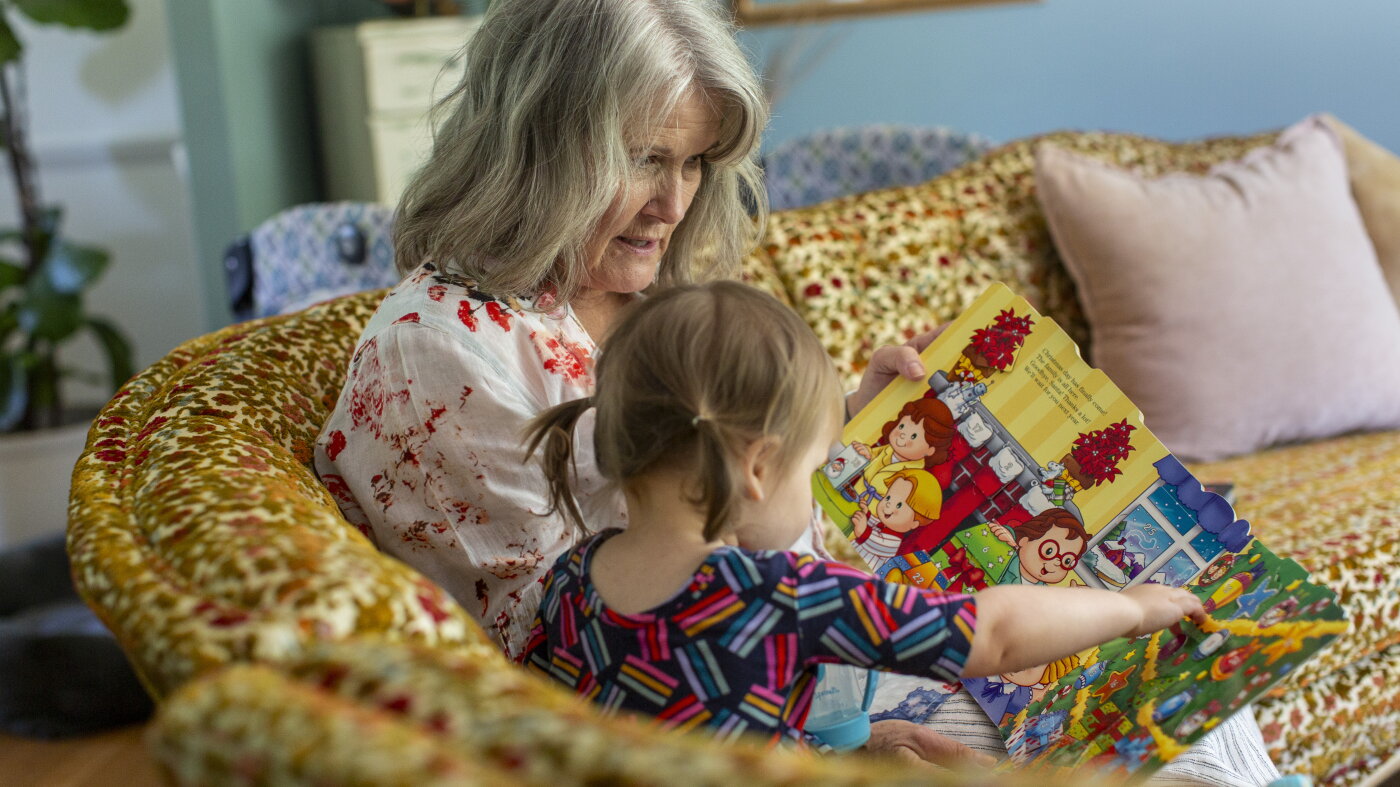
That was until Bourne's mother, Mary Jo Galusha, 67, made an offer: If Bourne wanted to have another baby, Galusha said, she'd retire and relocate from Idaho to the East Coast to help provide childcare.
asserted
she → make → childcare
Several months later, her phone rang.
asserted
phone → ring → ?
"I got a call that Stacia was expecting and that I better start planning on retiring," Galusha recalled with a laugh.
asserted
Galusha → get → laugh
She retired from her job as a schoolteacher, packed up her belongings and drove cross-country in her red Volkswagen Beetle.
asserted
She → retire → Beetle
The grandmother of five now lives in Newark, Del., and has since traded in the VW Bug for an SUV in order to fit two car seats in the back row more easily.
asserted
grandmother → live → row
Robin, who was born in late 2024, spends around 30 hours a week in Galusha's care while Bourne and her husband work.
asserted
Bourne → bear → care
"It's a joy," Galusha said.
asserted
Galusha → say → ?
"It's like magic to watch them grow up."
asserted
them → watch → magic
Grandparents helping to take care of their grandchildren is nothing new.
asserted
Grandparents → help → grandchildren
But the surging cost of childcare in the U.S. has made familial support even more critical for some parents who need childcare and may not otherwise be able to afford it.
uncertain
who → surge → it
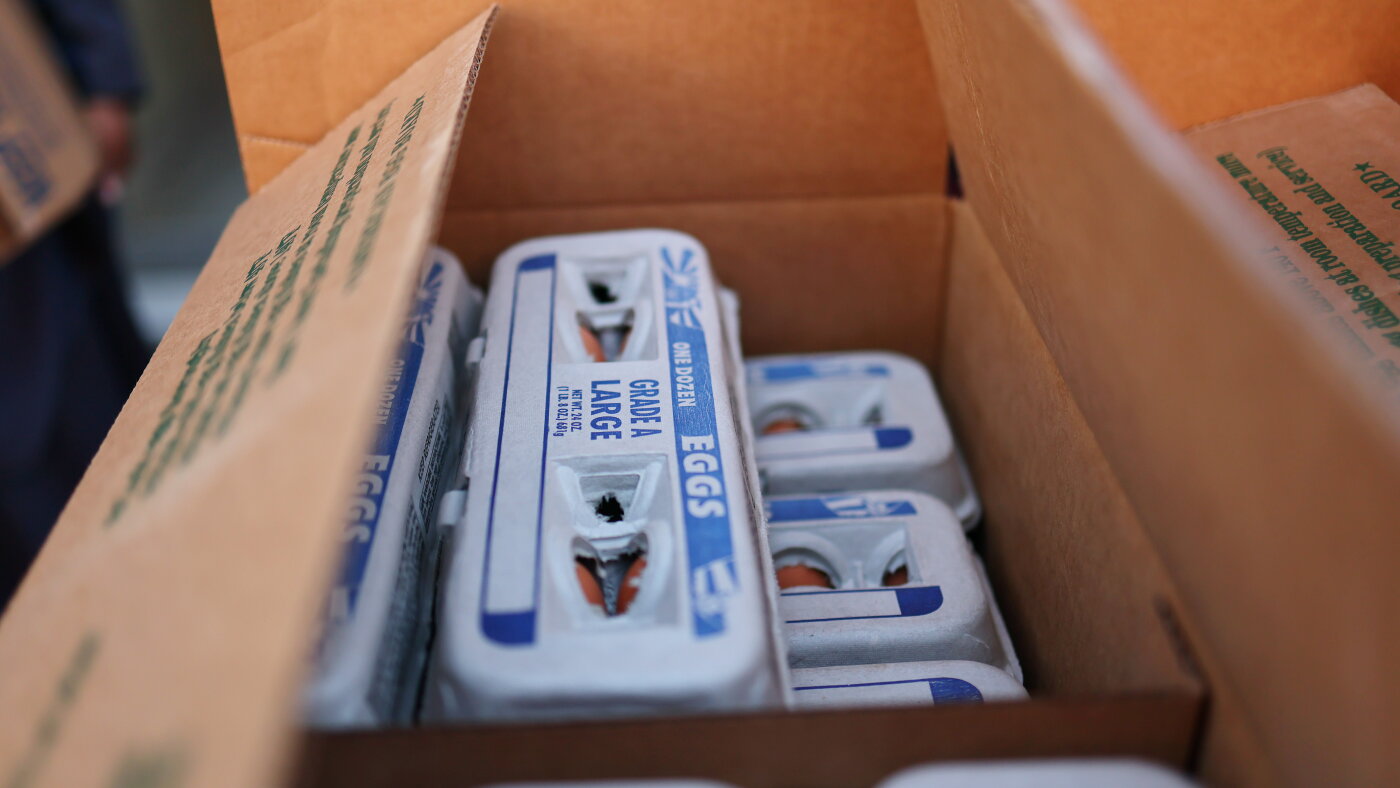
According to the group Child Care Aware of America, the average annual cost of childcare for children under 5 in the U.S. in 2025 was $13,184.
uncertain
cost → accord → 2025
In some cases, even higher childcare costs can rival the price of rent or college tuition.
asserted
costs → rival → rent
Families that are unable to shoulder those expenses or find open seats at daycare facilities are increasingly leaning on older generations for help, said Nicole Jorwic, chief program officer at the national caregiving group Caring Across Generations.
asserted
Jorwic → shoulder → Generations
"The reality is that because this country hasn't invested in a childcare infrastructure that is flexible and affordable and reliable, grandparents are filling in the gaps that the service system leaves behind," she said.
asserted
she → invest → that
A growing need for childcare
A heap of factors is making finding suitable childcare a necessity for a growing number of families across the U.S., said Madonna Harrington Meyer, a Syracuse University sociology professor who studies aging and grandparenting.
asserted
who → grow → aging
For one, the number of households where both parents work full time has steadily risen in recent decades.
asserted
parents → work → decades
According to Pew Research Center, 52% of different-sex couples with kids had two parents working full-time jobs in 2025, compared with just 31% in 1975.
uncertain
% → accord → 1975
And families of children with disabilities — of which there are a growing number nationwide — often struggle to find childcare providers that can offer the specialized care necessary.
asserted
that → be → care
"All of these things are reasons people turn to grandparents," Harrington Meyer said.
asserted
Meyer → turn → grandparents
One of those grandparents is Jerry Larkin, 66, a former machinist who moved in with his daughter's family in Tulsa, Okla., during the COVID-19 pandemic to help take care of his twin grandsons, one of whom requires additional medical care.
asserted
one → move → care
Larkin said he used to think he was alone in devoting so much time to caregiving, until he learned through social media and elsewhere that many families struggle with similar issues and have come to rely on grandparents for an extra hand.
asserted
families → say → hand
"Being raised in the '60s, there were a lot of stay-at-home moms and everything, so this wasn't really a thing," he said.
asserted
he → raise → moms
"But now that everybody's got to work two jobs, it's become a thing."
Why grandparents help
Nowadays, millions of grandparents are pitching in to care for their grandchildren.
asserted
millions → get → grandchildren
found that nearly half of respondents with grandchildren under age 18 took care of them at least once every few months.
asserted
half → find → them
According to an AARP report on grandparents from June, the top reasons grandparents provide care are the children's parents are working or busy, and it allows the grandparents to spend quality time with their grandkids.
uncertain
grandparents → accord → grandkids
The median amount of time grandparents spent caring for their grandchildren (excluding grandparents who are their primary caregivers as well as those who provide no care) is 200 hours per year, or roughly 3.8 hours per week, AARP data shows.
asserted
data → spend → week
Harrington Meyer said parents often find it easier to have grandparents look after their children than other childcare arrangements, since they may already have shared parenting philosophies and since the care comes at no or minimal cost.
uncertain
care → say → cost
(AARP estimated that grandparents provide around $731 billion worth of unpaid caregiving annually.
asserted
grandparents → estimate → caregiving
"But perhaps the biggest benefit is that they are so flexible," Harrington Meyer added.
asserted
Meyer → add → ?
"Unlike a formal daycare situation, often grandparents will come to your house, or they'll alternate between watching the children at their own house and at the grandparent's house.
asserted
they → come → house
And it's not just kids and parents who benefit, but also grandparents themselves.
asserted
who → benefit → ?
Older people may experience a mental boost by tending to their grandchildren, with one study showing higher scores on memory and verbal fluency tests in grandparents who provided care.
uncertain
who → experience → care
Yet caregiving is still work, particularly for older people who've raised their own children already and may be contending with health issues or other problems brought on by age.
uncertain
who → raise → age
Watching grandchildren can take a physical toll on grandparents and may impinge on their social lives, especially if they've relocated to be closer to their grandchildren and moved away from friends.
uncertain
they → watch → friends
…and 30 more, not listed.
 The Aporia