MOSCOW — Ukraine launched hundreds of drones at Moscow on Sunday, killing two people on the final day of a Russian parliamentary election that President Vladimir Putin has cast as a test of support for the war in Ukraine.
asserted
Putin → launch → Ukraine
Ukraine’s President Volodymyr Zelenskyy said on Telegram: “In the Moscow region tonight, our long-range responses hit very noticeably.
asserted
responses → say → region
One of the key enterprises of Russia’s oil industry and an aggressor logistics facility were struck.”
asserted
One → strike → industry
He did not specifically mention the ongoing State Duma election, but added that Moscow could “end its brutal war and choose peace” if there is “political will” to do so.
uncertain
Moscow → mention → peace
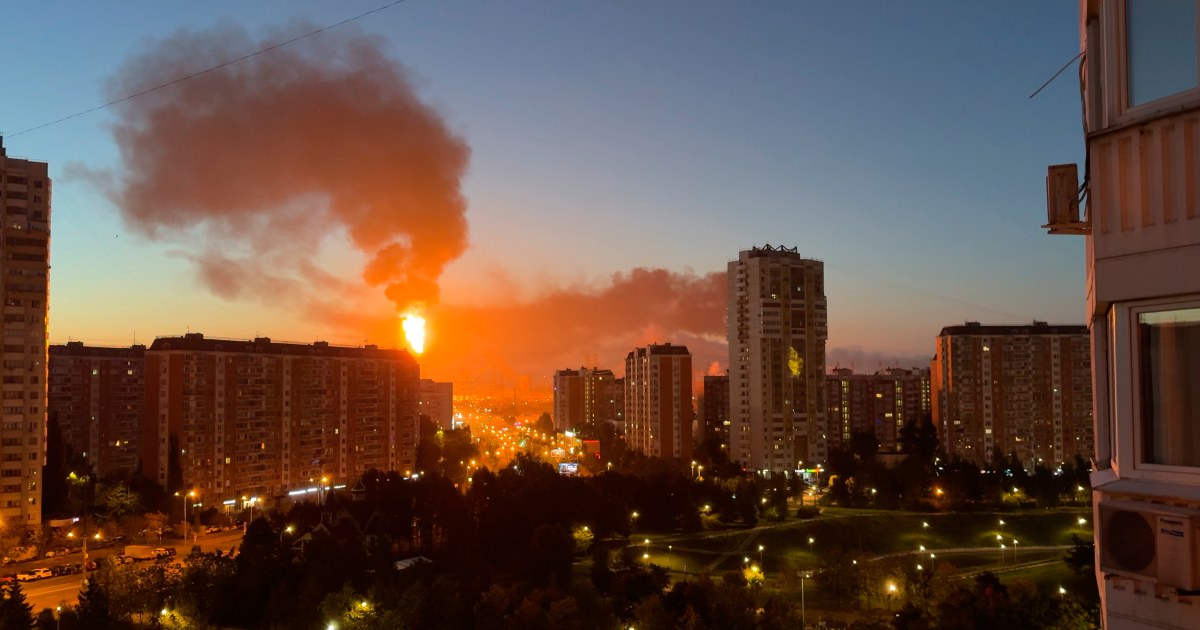
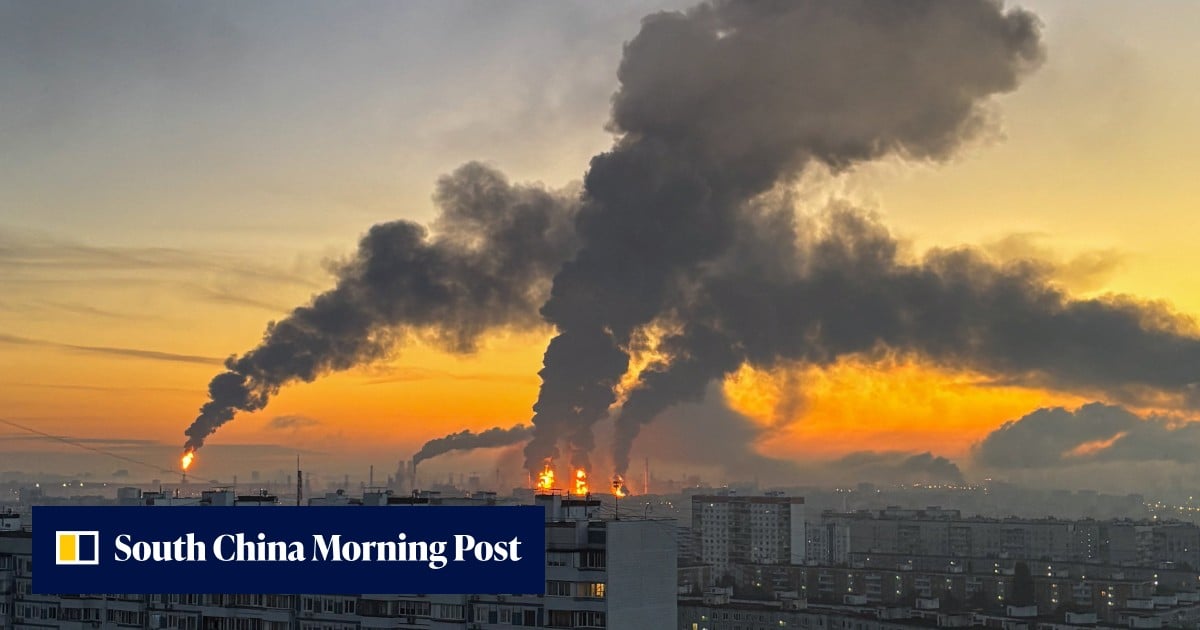
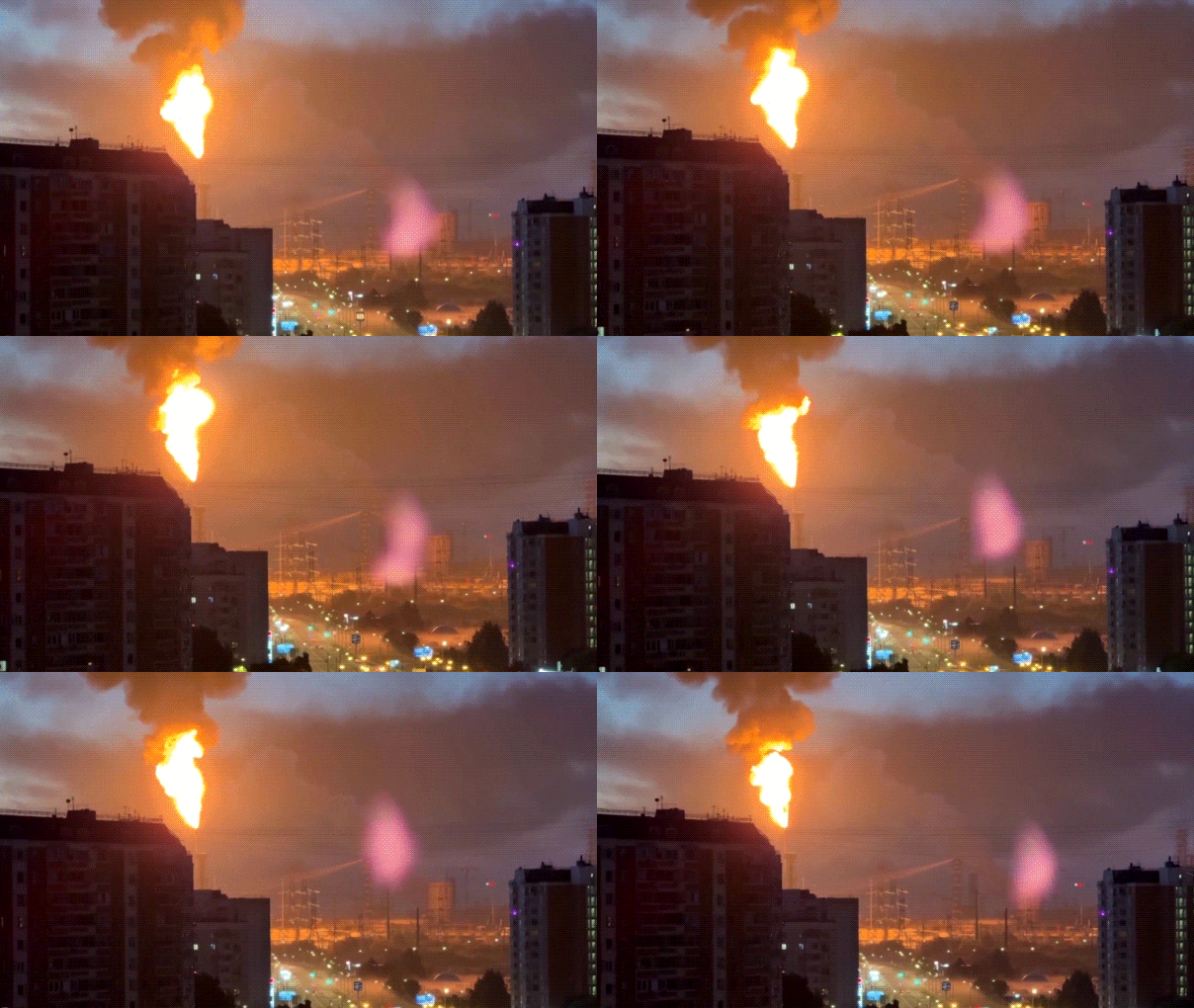
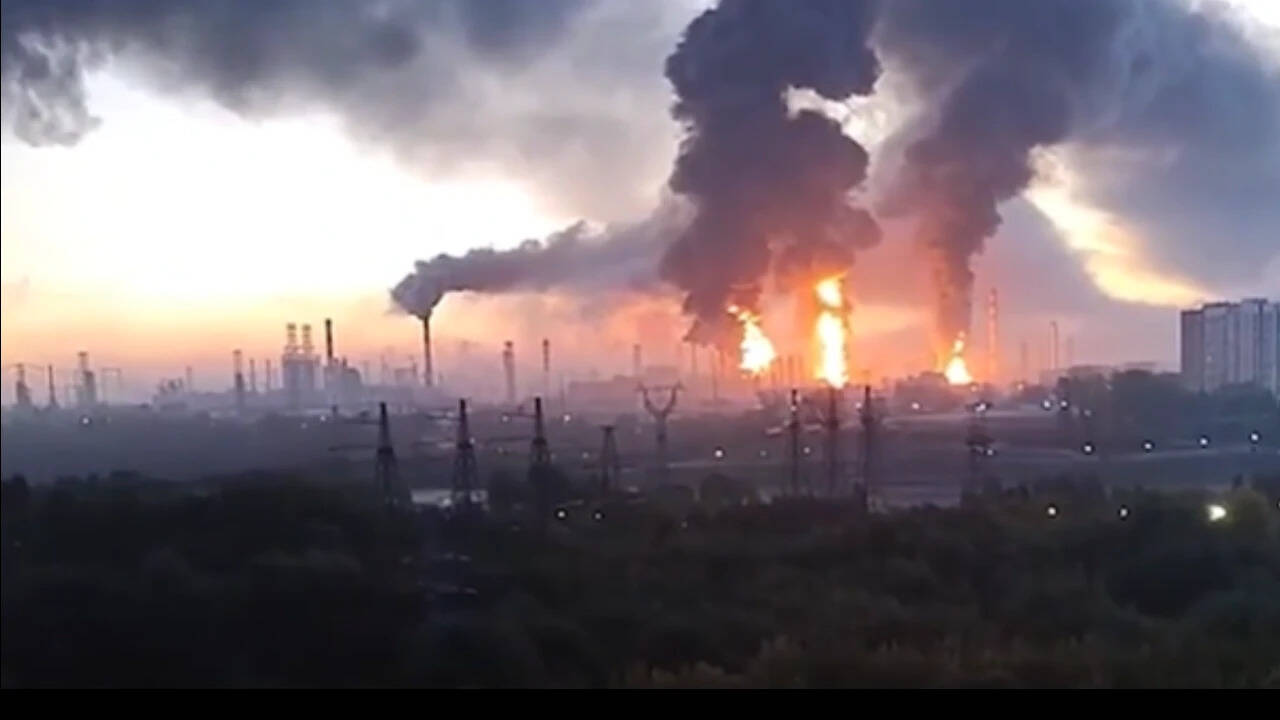
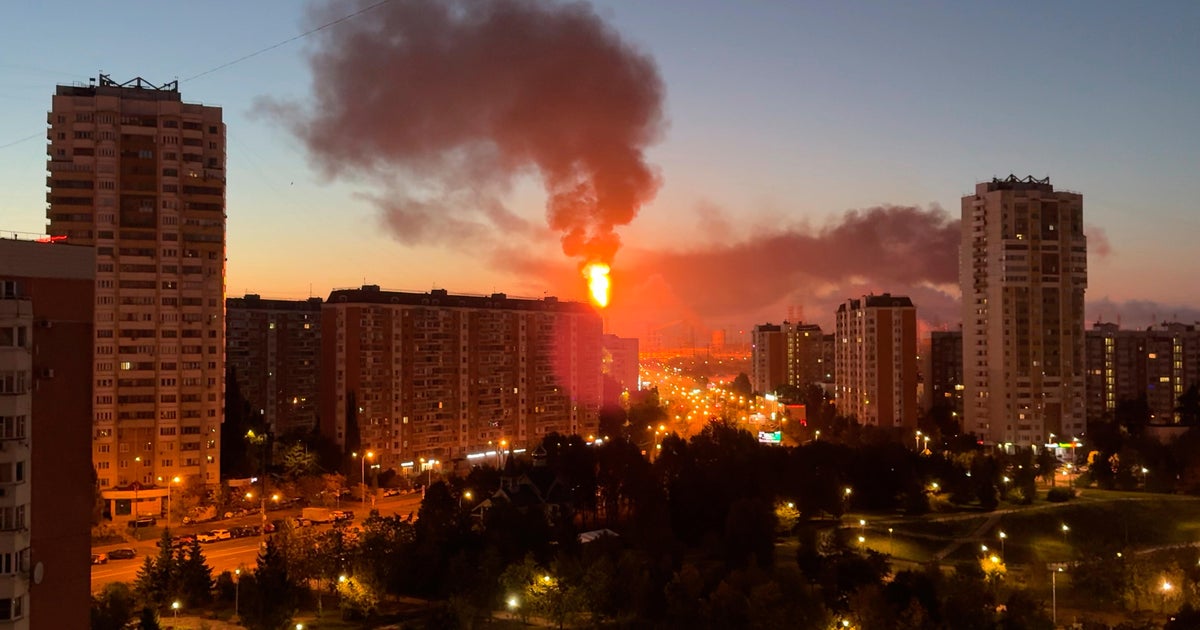
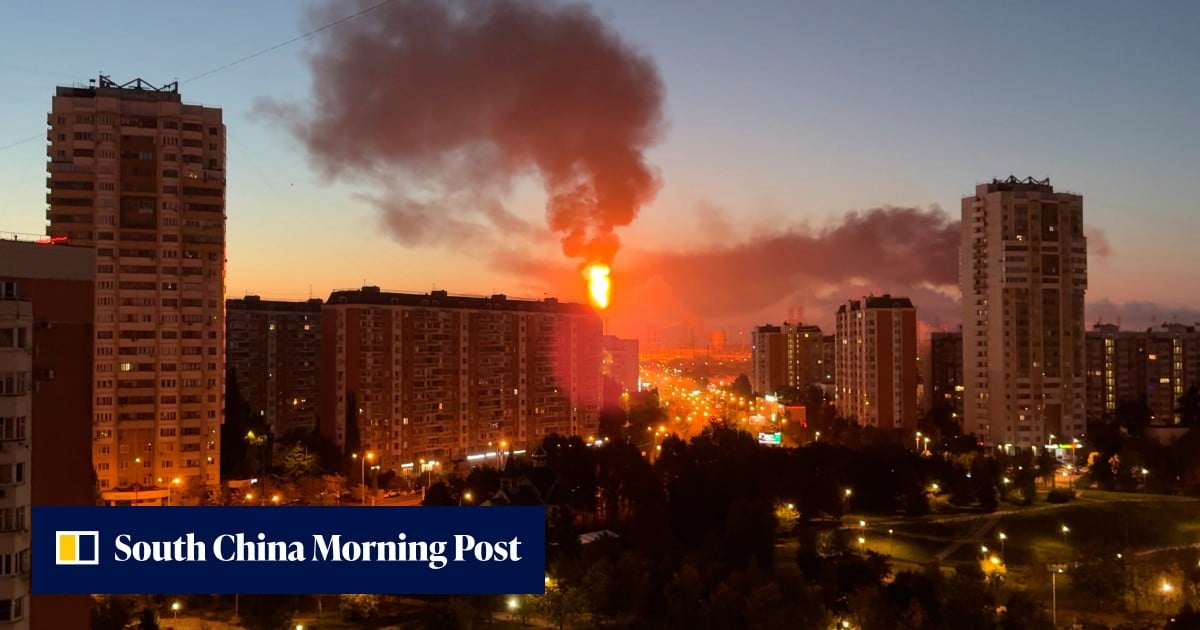
An oil refinery was damaged in the strike, with videos showing smoke billowing out across the city.
Moscow Mayor Sergei Sobyanin said over 1,600 drones had been shot down by Russia since Saturday, including 450 heading toward Moscow.
In a Telegram post, he said: “This unprecedented attack was clearly planned with the aim of disrupting the elections.
asserted
attack → damage → elections
The enemy did not succeed.”
asserted
enemy → succeed → ?
Moscow region governor Andrey Vorobyov said in a Telegram post that a 74-year-old man in the Orekhovo-Zuyevo District and a 44-year-old woman in Ramenskoye were killed in the attack.
asserted
man → say → attack
He said 15 people were hospitalized, including two teenagers, ages 14 and 15.
asserted
people → say → teenagers
Ukraine’s armed forces said that it had “struck a number of important military facilities of the Russian aggressor.
asserted
it → say → aggressor
”
At the same time, Russia continued its strikes on Ukraine, with three children and a woman killed in strikes in the Kyiv region, regional governor Tymur Tkachenko said in a Telegram post.
asserted
Tkachenko → continue → post
Kyiv has demonstrated an increasing ability to strike deep inside Russia in recent months, targeting key military and industrial sites as part of an effort to make everyday Russians feel the cost of the war.
asserted
Russians → demonstrate → war
Russia has hammered Ukrainian cities across the conflict, now in its fifth year.
asserted
Russia → hammer → year
The State Duma vote, the first since Russia’s full-scale invasion, is expected to see Putin’s United Russia party easily retain its dominance in a process that critics deride as a farce.
asserted
critics → expect → farce
The Kremlin is likely to present the outcome as evidence of public backing for Putin’s policies and for the war.
asserted
Kremlin → present → war
“Participation in the elections is our joint contribution to Russia’s victory,” Putin declared in a video address to the nation days before the vote.
asserted
Putin → declare → vote
It will serve as a reminder that “millions of people are backing our fighters and that we stand together,” he added.
asserted
he → serve → fighters
Election authorities say the three days of voting have proceeded smoothly despite reported cyberattacks on Saturday.
asserted
days → say → Saturday
Turnout by late morning on Sunday was at over 45% for the Duma vote and regional elections, said Central Election Commission Chairwoman Ella Pamfilova.
asserted
Pamfilova → say → vote
Most anti-war candidates have been barred from the ballot.
asserted
candidates → bar → ballot
Anti-war politician Boris Nadezhdin, who tried to challenge Putin in the presidential election two years ago but was barred from running, told NBC News earlier this week that the elections were “crooked” with no trace of real opposition, though he said disapproval could manifest in a higher number of spoiled ballots or increased tactical voting against Putin’s United Russia party.
uncertain
disapproval → try → party
Figures from the anti-war Yabloko party said they feared for their freedom after courts handed long jail terms to two senior party figures before the vote.
asserted
courts → say → vote
Discrediting the army or spreading what authorities regard as fake news is punishable by lengthy prison sentences.
asserted
authorities → discredit → sentences
In a small act of defiance, Yabloko’s leader, Nikolai Rybakov, demonstrably spoiled his ballot paper, writing his party’s name and the slogan “For peace”.
asserted
leader → spoil → peace
“No one in the world can claim anymore that everyone in Russia supports what is happening,” Rybakov told NBC News last week.
uncertain
Rybakov → claim → News
“Now everyone has seen that millions of people disagree with what’s going on, and they have turned their attention to Yabloko precisely because it consistently advocates for peace and for an alternative to the status quo.”
Russian electoral officials said on Saturday that an online voting system in Moscow had come under cyberattack.
asserted
system → see → cyberattack
Kyiv, which has suspended elections under martial law, has dismissed the Russian vote as a “pseudo election”.
asserted
which → suspend → election
Despite what experts see as the election’s predictable outcome, the NEST think-tank in Berlin, co-founded by Kremlin critic Mikhail Khodorkovsky, said the vote could still produce awkward moments for the Kremlin at a time of economic strain.
uncertain
vote → see → strain
“The consequences of the war are increasingly being felt within the country, and accumulated anxiety and frustration may translate into votes for the systemic opposition parties that the Kremlin has allowed to remain on the ballot,” it said in a note.
uncertain
it → feel → note
Initial results are expected to start emerging at around 2pm ET on Sunday, with more complete results available on Monday.
asserted
results → expect → Monday
 The Aporia