The Aporia
Ma, E., & Nurmamat, M. (2026, September 21). In a China first, low-altitude sector hits turbulence as subsidies face reality check. South China Morning Post. https://www.scmp.com/economy/china-economy/article/3368273/china-first-low-altitude-sector-hits-turbulence-subsidies-face-reality-check?utm_source=rss_feed
Ma, Emma, and Mia Nurmamat. “In a China first, low-altitude sector hits turbulence as subsidies face reality check.” South China Morning Post, 21 Sept. 2026, https://www.scmp.com/economy/china-economy/article/3368273/china-first-low-altitude-sector-hits-turbulence-subsidies-face-reality-check?utm_source=rss_feed.
Ma, Emma, and Mia Nurmamat. “In a China first, low-altitude sector hits turbulence as subsidies face reality check.” South China Morning Post, September 21, 2026. https://www.scmp.com/economy/china-economy/article/3368273/china-first-low-altitude-sector-hits-turbulence-subsidies-face-reality-check?utm_source=rss_feed.
Dated when The Aporia collected the article, usually within hours of publication. Check the original for its exact date and byline.
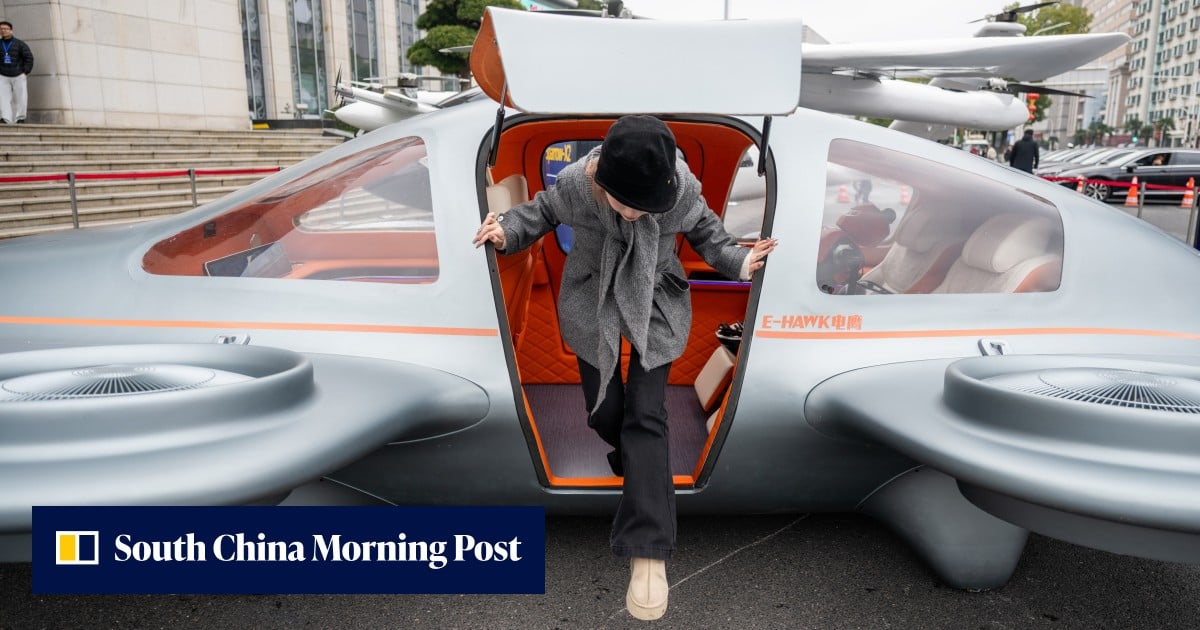
In a significant shift, Hangzhou, a major Chinese tech hub, is planning to end financial incentives for the development of light aerial vehicles, including electric vertical takeoff and landing (eVTOL) aircraft, marking the first city in China to propose repealing such a full financial support package. This move comes after a crash in June and aims to optimize regulations for the sector. Hangzhou's initial policy had been in effect for two years and was originally set to continue until the end of 2024. The plan included fiscal rewards for various aspects like enterprise establishment, technological innovation, new flight routes, and infrastructure buildout.