For the past 25 years, it has been my distinct pleasure to live in Australia since retiring from the United States Marine Corps.
asserted
it → live → Corps
It requires only a modicum of historical knowledge to understand that Australia’s clearly strategic location in the South Pacific poses an existential threat to the Chinese Communist Party.
asserted
location → require → Party
This location, as it did during World War II, offers an excellent intermediate staging base for mounting a coordinated defense or counterattack against any Chinese aggression.
asserted
it → do → aggression
However, as a military professional, I see a failure of the Australian government, a generally complacent Australian population, and an ill-prepared Australian Defense Force capable of confronting this looming threat.
asserted
I → see → threat
It doesn’t require a military genius to recognize that the best defense against a threat is readiness to adequately defend or offensively confront that threat.
asserted
defense → require → threat
While it is not prudent to be openly hostile toward the Chinese, it is wise to be prepared for the worst and hope for the best.
asserted
it → hope → best
China is not likely to allow a replay of the successful WWII island-hopping Pacific campaign against the Japanese; therefore, Australia must demonstrate preparedness and a willingness to confront that threat.
asserted
Australia → allow → threat
In the past, the Western world has been able to buy the battlefield in terms of time, distance, and money.
asserted
world → buy → time
However, in view of new and emerging technologies, we neither have the time, distance, nor money to adequately defend ourselves properly, unless we are proactive in appropriately preparing for the threat.
asserted
we → emerge → threat
There are three issues that the Australians should actively confront nationally to improve their preparedness for the worst-case scenario.
asserted
Australians → be → scenario
First, the Australian government needs to:
1. Immediately establish an increased ADF funding stream that enables the rapid expansion of the force before the nation is confronted with a war with China.
asserted
nation → need → China
2. Cancel any existing agreements with China that allow them control of Australian ports and/or facilities.
asserted
that → cancel → ports
Inviting the fox into the hen house is never a smart thing to do.
asserted
Inviting → invite → house
3. Seek a broad international agreement to establish and expand military training opportunities on Australian soil with external and regional allies.
Second, the Australian people should be organized into a civil-military organization — a home guard, if you will — that would complement and/or reinforce the active-duty ADF military establishment in time of war.
asserted
that → seek → war
This can be done on a state and regional basis by developing a table of organization and equipment, as well as nationwide training facilities, to support the CMO.
asserted
This → do → CMO
The entire Australian civilian population should be armed and organized accordingly.
asserted
population → arm → ?
Third, and more importantly, the ADF needs to be reorganized and equipped according to the way it will fight.
uncertain
it → need → way
For starters, the Australian separate services, army, air force, and navy are too small to be employed separately.
asserted
services → employ → starters
Therefore, I recommend these capabilities be permanently merged into a single service like the U.S. Marine Corps’ Air-Ground Task Force concept: “one call, gets it all,” air, ground, and sea.
asserted
capabilities → recommend → it
Reorganization and consolidated corps concept
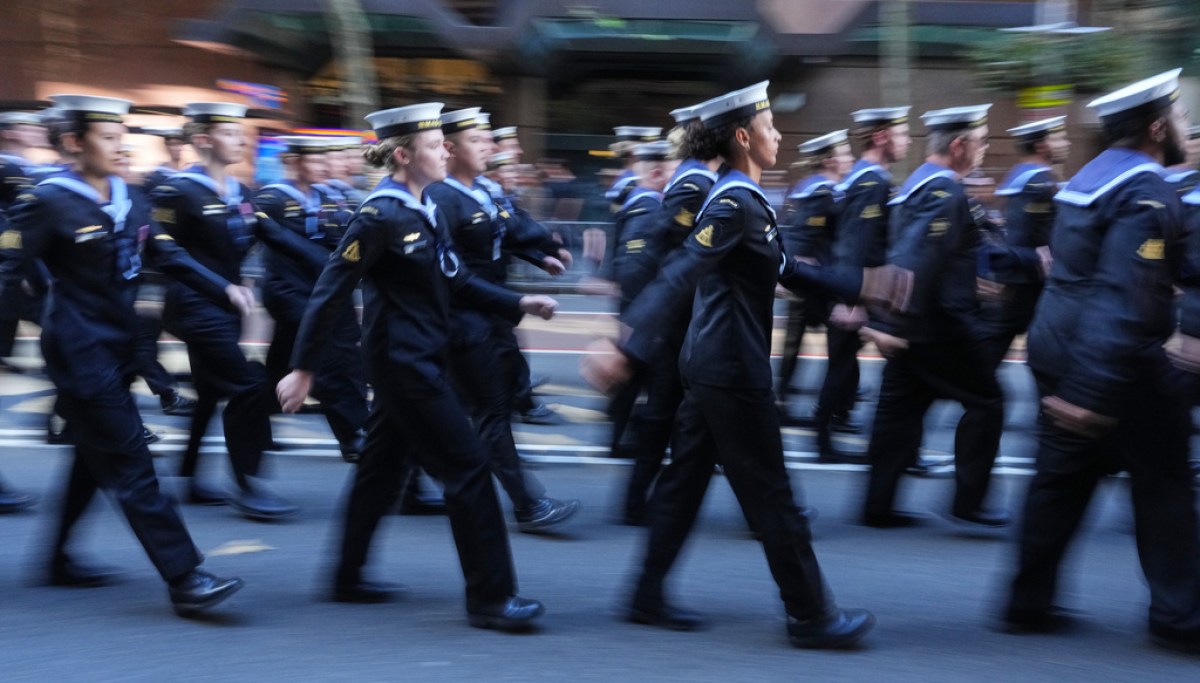
This brings me to the Australian navy, which is inadequate to serve the needs of the nation in wartime.
asserted
which → bring → wartime
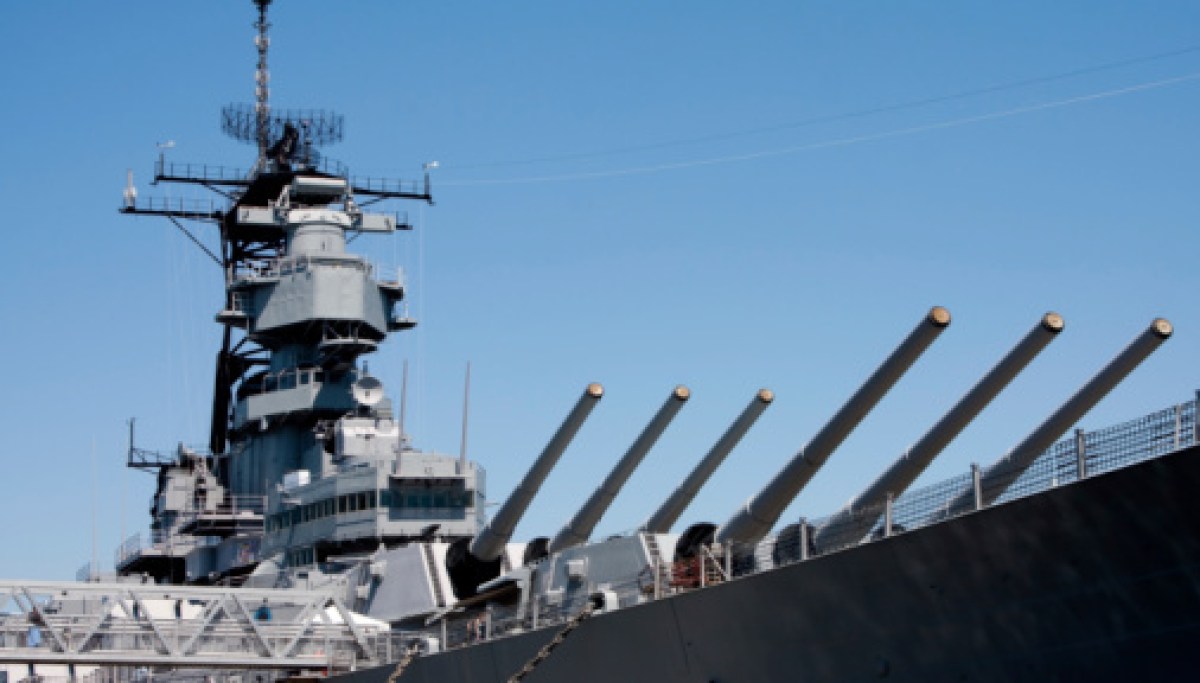
As it exists today, it requires a major ship-building program to provide both naval gunfire support ships and amphibious warfare ships to transport soldiers to where they will fight.
asserted
they → exist → soldiers
Additionally, this naval expansion program should also include the adoption of the British concept “ships taken up from trade,” or STUFT, to augment the Australian navy’s shortfalls.
asserted
program → include → shortfalls
And finally, Australia and New Zealand have a marvelous tradition, as exemplified by the WWI ANZAC concept; therefore, every effort should be made to capitalize on that success in every way possible, especially by incorporating New Zealand’s military assets into the reorganization and consolidated corps concept, as described above.
asserted
effort → have → concept
You may ask: Why am I, a retired U.S. Marine, so concerned about this?
uncertain
I → ask → this
Well, the short answer is that since I live in Australia, I have a dog in this fight too!
asserted
I → live → fight
I have seen and participated in my share of war, as a witness to the 1950s Arab revolt in Morocco, two tours in Vietnam (1969-70 and ’72), the 1976 evacuation of Beirut, the 1990 Gulf War, and five years as a Defense Department contract trainer during the occupation of Afghanistan, 2006-12.
asserted
I → see → Afghanistan
But, more importantly, the sure way to a disastrous defeat is to be unprepared when the balloon goes up.
asserted
balloon → go → defeat
Australians cannot afford to keep their head in the sand, hoping that war will not come.
asserted
war → afford → sand
They must be prepared, and they must demonstrate their resolve.
asserted
they → prepare → resolve
As a matter of fact, going forward, it should be made a national policy for all who live here to be part of the plan to defend this island nation and, furthermore, to be prepared for deployment to war, if and when it becomes necessary.
asserted
it → go → war
Continued complacency is a sure formula for defeat.
asserted
complacency → continue → defeat
Sustainability
As important, and possibly more important, is Australia’s lack of readiness when it comes to logistics, transport, and a manufacturing base to sustain a real fight.
uncertain
it → come → fight
From my warfighting experience, war is as much an exercise in sustainability as it is the capacity to close with and kill or capture your adversary.
asserted
it → close → adversary
Exacerbating all the points I have highlighted above is the Australian reliance on the procurement of weapons, ammunition, and other warfighting material from external sources.
asserted
reliance → exacerbate → sources
In conclusion: Perhaps what I am endeavoring to say is best described by a quote from the first president of the United States, George Washington, “If we desire to avoid insult, we must be able to repel it; if we desire to secure peace… it must be known, that we are at all times ready for war.
asserted
we → endeavor → war
My father, who was a Chinese linguist, who fought alongside Chinese guerrillas against the Japanese during WWII in China, Burma, and India (CBI Theater of operations) taught me this from his wartime association with the Chinese.
asserted
who → fight → Chinese
He determined that the Chinese people have historically been businessmen and merchants; therefore, it was his lifelong opinion, which I share, that the Chinese people don’t want to go to war, especially when over 7 million died during the 1947 Chinese civil war.
asserted
million → determine → war
Additionally, economically, China has done well since Richard Nixon opened it to the world of global trade and commerce.
asserted
Nixon → do → trade
I see China in exactly the same circumstances as Russia was before the wall came down.
asserted
wall → see → circumstances
The wall had to come down because the Russian people were about to revolt.
asserted
people → have → ?
…and 6 more, not listed.
 The Aporia