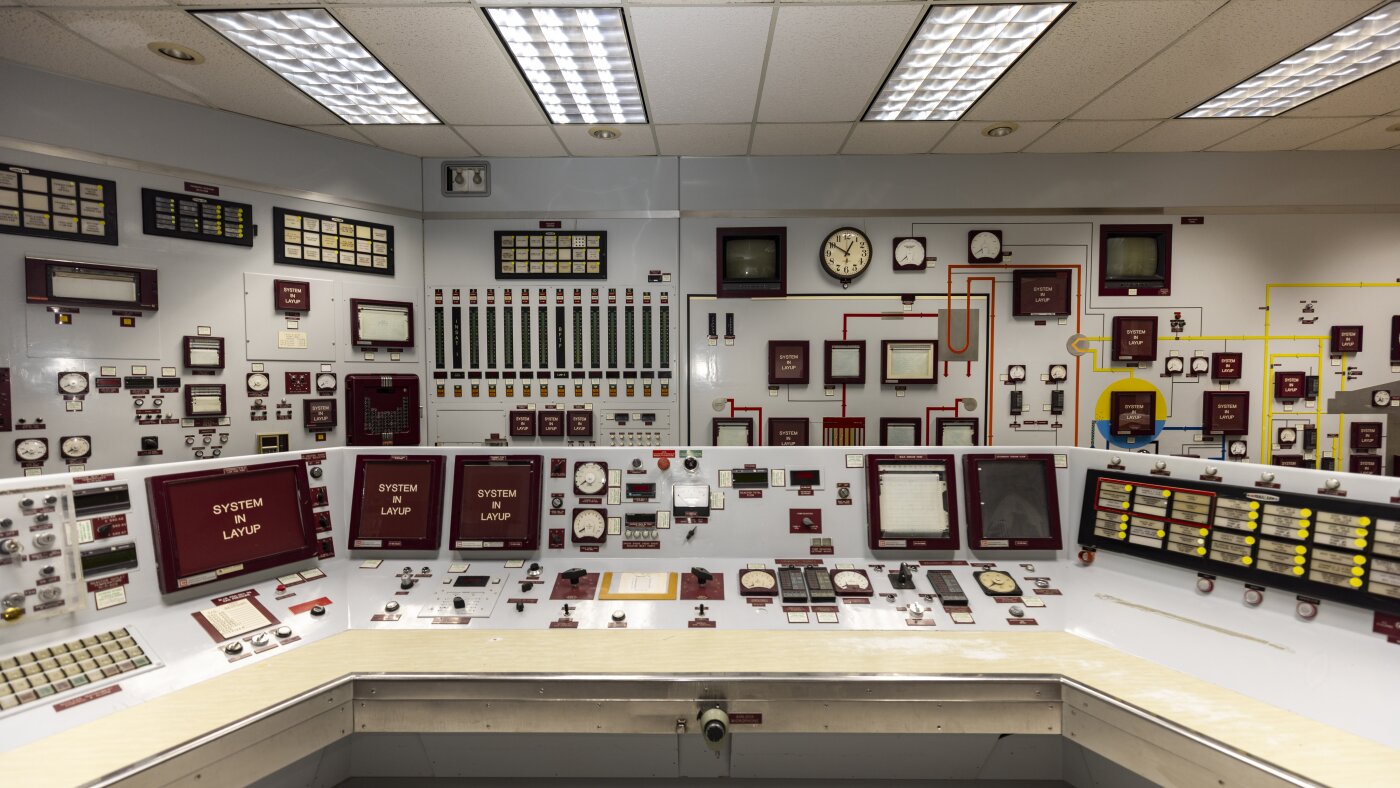
AI solved one of math's hardest problems.
asserted
AI → solve → problems
Humanity learned nothing (so far)
asserted
Humanity → learn → nothing
When OpenAI announced its AI had solved one of the world's toughest math problems earlier this month, its tone was celebratory:
"A major goal of our work is to empower scientists to advance research and technology that benefits all of humanity," the company wrote.
asserted
company → announce → humanity
But mathematicians say that, so far, humanity has learned very little from the solution the company's AI model purportedly found.
asserted
model → say → solution
Although they believe the proof to be technically correct, the dense, 166-page manuscript drafted by AI is proving to be a difficult read.
asserted
manuscript → believe → AI
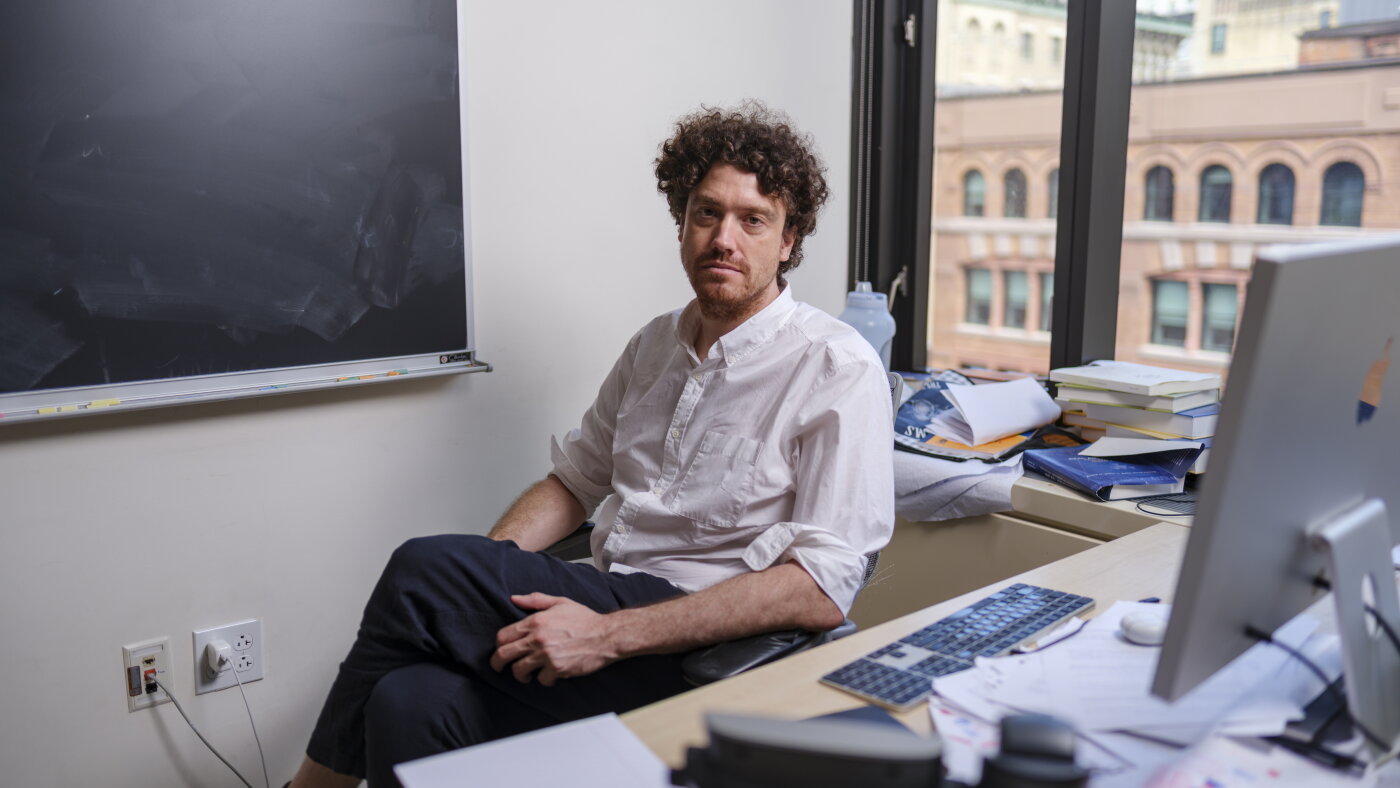
"So far it's been very difficult to really extract any human understanding from this new AI proof," said James Maynard, a mathematician at the University of Oxford.
asserted
Maynard → extract → Oxford
"The paper is not written for humans," said Javier Gómez-Serrano, a mathematician at Brown University who uses AI in his own research.
asserted
who → write → research
He said he believes the proof could help advance the field after "some serious re-writing," but "as of today, the paper doesn't teach us much."
uncertain
paper → say → much
The solution came as AI appears to be rapidly gaining mathematical insights.
asserted
AI → come → insights
AI has exploded onto the math scene over the past six months, academic mathematicians contacted by NPR said.
asserted
mathematicians → explode → NPR
For the first time, large language models appear capable of producing real results that could lead to new mathematical discoveries.
uncertain
that → appear → discoveries
But few see OpenAI's announcement, which came as human mathematicians were closing in on a solution, as an example of how AI and mathematicians can work together.
asserted
AI → see → example
"This whole episode could have been a wonderful proof-of-concept of the power of collaboration between humans and AI," said Maynard, who signed a statement by 25 winners of the prestigious Fields Medal.
uncertain
who → say → Medal
The statement, which was published September 11, decried "misaligned goals" between the AI companies and the mathematics community.
asserted
which → publish → companies
"Unfortunately, because of the decisions of humans involved, it became this scrappy, messy battle," he said.
asserted
he → involve → humans
The problem OpenAI apparently solved is considered among the most important unanswered questions in mathematics.
asserted
OpenAI → solve → mathematics
Known as the "Navier-Stokes problem," it concerns a set of equations used to describe the flow of fluids.
asserted
it → know → fluids
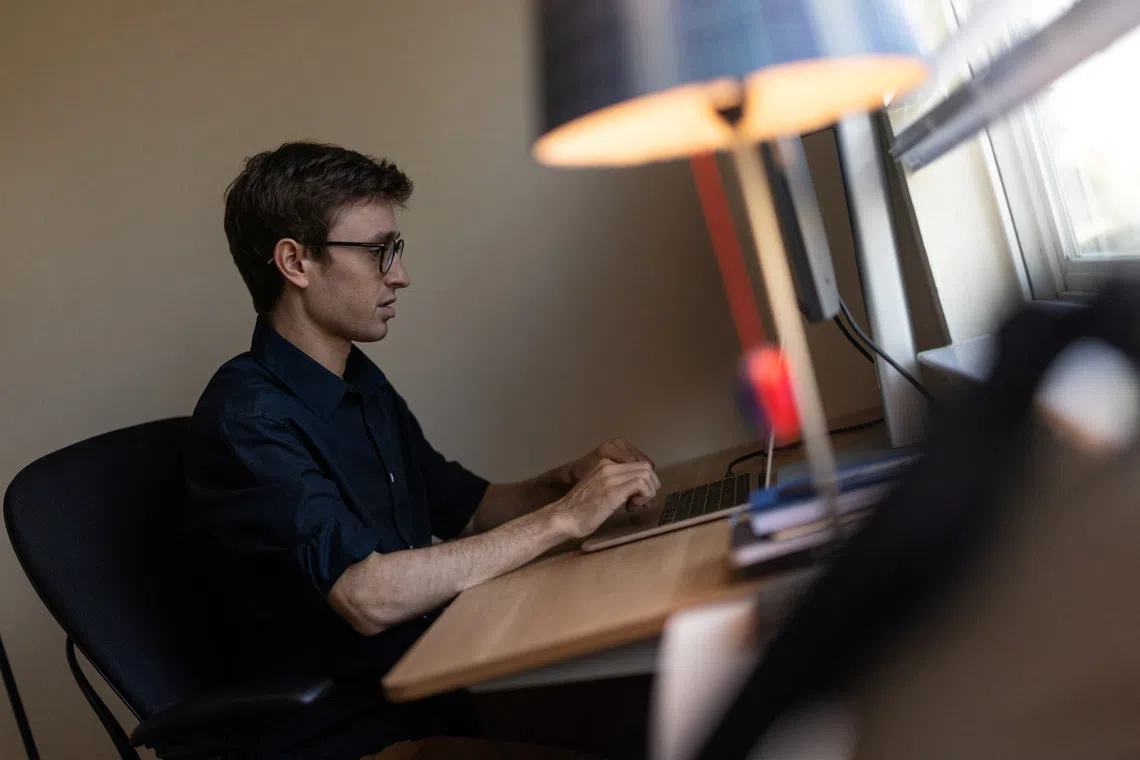
The equations are used every day across physics and engineering, said Tristan Buckmaster, a mathematician at New York University.
asserted
Buckmaster → use → University
And yet, at a fundamental level, researchers really don't understand why they work.
asserted
they → understand → level
Buckmaster says that getting deeper insights into Navier-Stokes would likely yield "a new toolkit to understand complicated solutions to fluids."
asserted
getting → say → fluids
That in turn could lead to better models of things like turbulence in fluids and lift in aircraft.
uncertain
That → lead → aircraft
In order to find a better version of Navier-Stokes, researchers had been looking for scenarios where the equations "broke down," or stopped working.
asserted
equations → find → scenarios
Describing such scenarios became one of the $1 million Millenium Prize Problems, which were established in 2000 by the Clay Mathematics Institute.
asserted
which → describe → Institute
Mathematicians had been working towards an answer to the Navier-Stokes problem for years, and the community could sense they were getting close.
uncertain
they → work → years
Everyone agreed that this would be the next one that got solved," said Martin Hairer, a mathematician at EPFL, a top European technical university located in Lausanne, Switzerland who also signed the statement.
asserted
who → agree → statement
Buckmaster and his collaborator, Levent Alpöge at Anthropic, were among the human mathematicians who were inching closer to finding a scenario where the equations stopped working.
asserted
equations → inch → scenario
The two were using AI tools, including OpenAI's chatbot to work towards a solution.
asserted
two → use → solution
Then OpenAI caught wind that the problem might soon be solved.
uncertain
problem → catch → wind
"On Tuesday, September 1, we heard rumors that two Millennium Prize problems had been resolved," the company wrote.
asserted
company → hear → rumors
"Inspired by these rumors and by the step change in performance of our internal model, we launched an effort to evaluate it on all open Millennium Prize problems and a few other high-impact problems."
asserted
we → inspire → problems
The company marshalled some 10,000 AI agents to work on the Navier-Stokes problem.
asserted
company → marshal → problem
The agents worked for 88 hours, using around 130 billion output tokens, or units of text and characters generated by the model.
asserted
agents → work → model
According to OpenAI's pricing for its most advanced publicly available model, the solution to the Navier-Stokes problem cost the company somewhere around $6-$10 million to compute.
uncertain
solution → accord → million
(Overall, the company says it used 300 billion tokens, closer to $15-20 million, looking for solutions.)
asserted
it → say → solutions
The announcement of OpenAI's solution sparked controversy after Buckmaster issued a public statement describing how the company had approached him.
asserted
company → spark → him
According to Buckmaster, they said they would put him on their paper if he dropped Alpöge, his collaborator at rival company Anthropic.
uncertain
he → accord → Anthropic
Buckmaster told NPR he believes OpenAI was tipped off to the approach he and Alpöge were using to try and find the solution to Navier-Stokes.
asserted
he → tell → Stokes
"There's so much circumstantial evidence that they had far more knowledge of what we were doing than they let on," he said.
asserted
he → be → what
He added that the word "they" doesn't necessarily mean a person.
asserted
word → add → person
"It could mean the agents," he said.
uncertain
he → mean → agents
…and 21 more, not listed.
 The Aporia