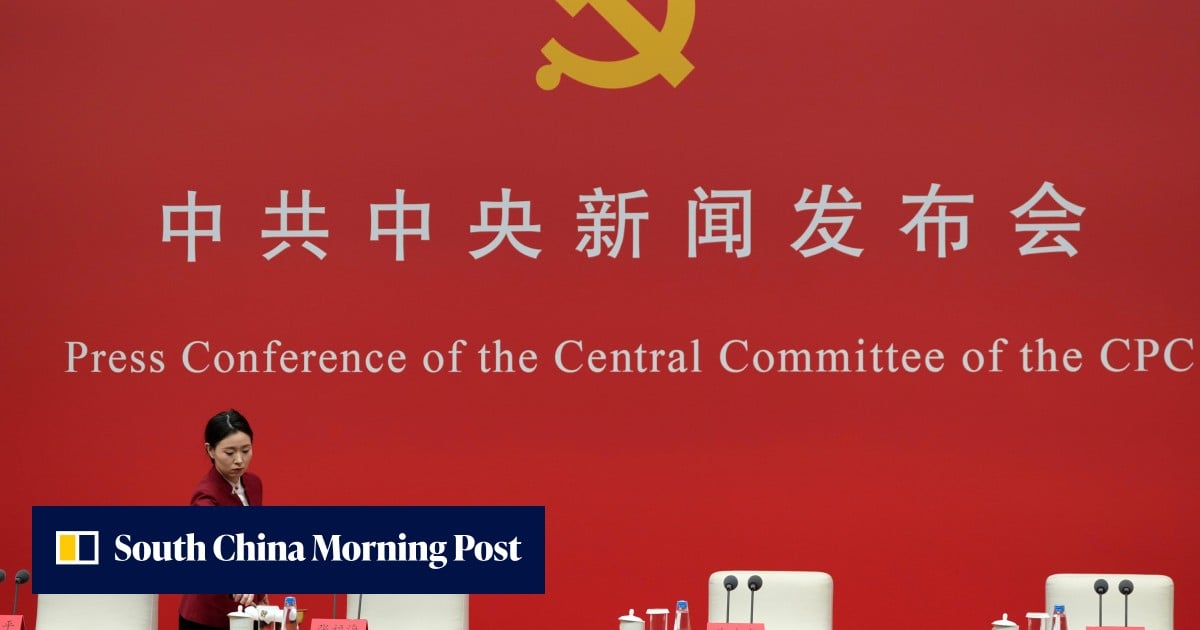
Photo via South China Morning Post

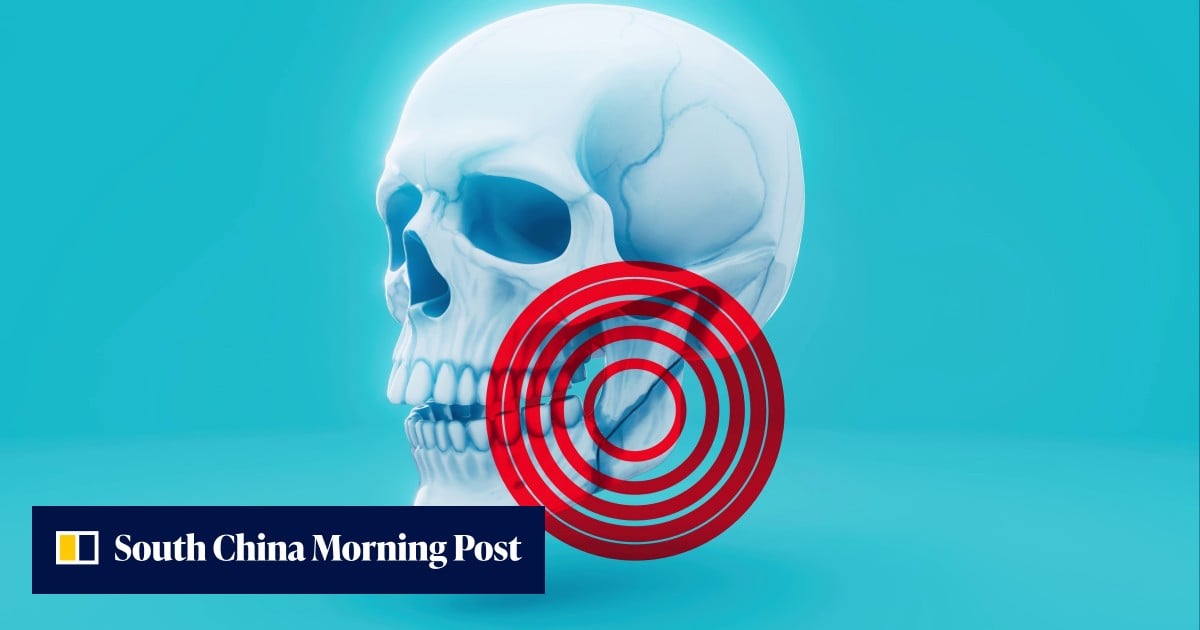
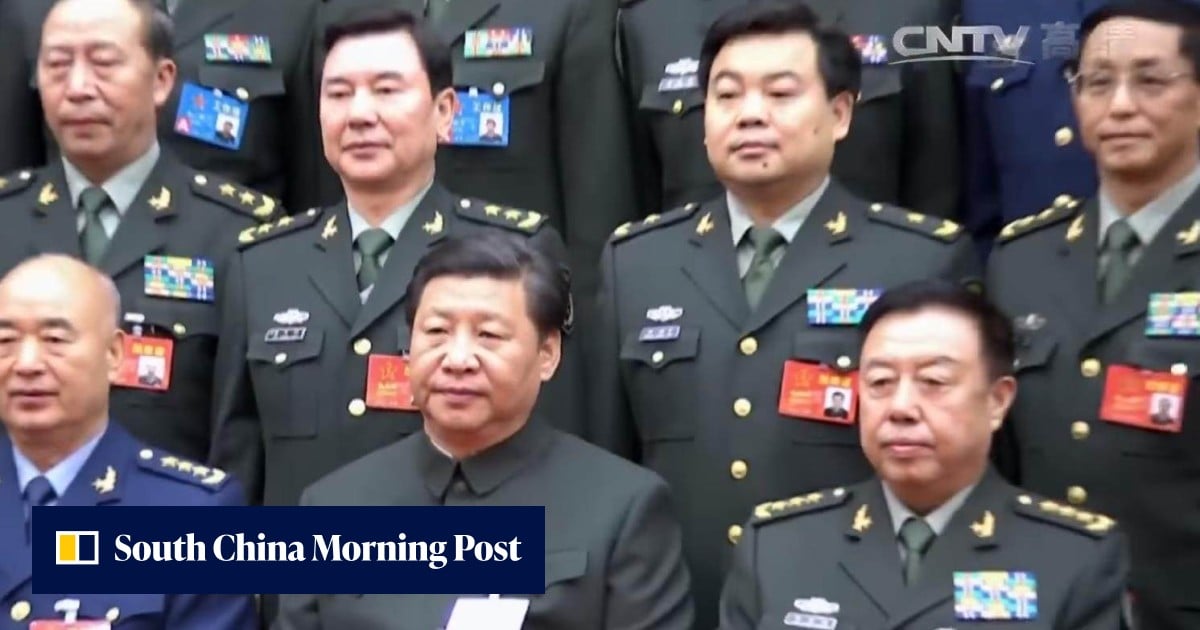
Learning from Ukraine war, Chinese military doctors target injuries from drones

Read the original at South China Morning Post ↗
Cite

Wei, A. (2026, September 22). Learning from Ukraine war, Chinese military doctors target injuries from drones. South China Morning Post. https://www.scmp.com/news/china/military/article/3368392/learning-ukraine-war-chinese-military-doctors-target-injuries-drones?utm_source=rss_feed

Dated when The Aporia collected the article, usually within hours of publication. Check the original for its exact date and byline.

South China Morning Post · collected 2026-09-22 · by Alcott Wei

Quick Summary

Chinese military doctor Chen Juxiang discussed on CCTV how cranio-maxillofacial injuries, caused by drone attacks, have become a significant issue in modern conflicts. He highlighted that his team has been preparing for this shift over several years and has made advancements in treatment protocols and materials to stop bleeding for such head injuries.
Written by AI on 2026-09-22, from this article's own text only (the story summary below draws on all the coverage).

AI analysis

Story summary

Chinese military doctors, learning from the Ukraine war, are focusing on treating injuries caused by drones. According to a report by the South China Morning Post, Chen Juxiang, a senior Chinese military doctor, highlighted that cranio-maxillofacial injuries—damage to the hard and soft tissues of the head—are increasingly prevalent in conflicts where uncrewed aerial vehicles (UAVs) are predominant. Chen stated on CCTV that his team has been preparing for this shift over several years, developing advanced treatment protocols and haemostatic materials specifically aimed at managing such injuries effectively.
Written for “Chinese Military Prepares for Drones” on 2026-11-04, grounded in this article and the 0 other(s) covering the same event.

Story

📰 Chinese Military Prepares for Drones
Politics · 1 article(s) covering the same event.

Compared with similar articles

Nothing to compare against. No article is close enough to this one for the pipeline to have linked or judged the pair.
How this article was measured signals, leaning charts, publisher record, byline, topics and claims

Signals How these are calculated →

Claims extracted
2
sentences that state something as happening or true
Uncertain
0%
0 of 2 hedged ("reportedly", "may", "according to")
Leaning
not political
takes no side on a contested political question
Publisher signals
62/100
South China Morning Post's corrections and hedging, across everything collected from it. Not a measure of accuracy.
Outlets on this story
1
Politics
Same framing elsewhere
1
articles that frame the event the way this one does
Analyzed 2026-09-22 · how these are computed

How this is being covered How these are calculated →

Article leaning vs. publisher reliability
Source leaning vs. consistency

Publisher

South China Morning Post · 3720 article(s) · 8 correction(s) detected
Running correction rate · 8 correction(s)

Who wrote this

Alcott Wei
12 article(s) here · 0 carrying a prediction
🔮 A new round of promotions and expulsions suggests the rules about membership of the Central Committee may be becoming more flexible The names of the officials who have filled the vacant slots were included in a communique released at the end of the fifth plenum of the party’s 20th Central Committee on Thursday.
🔮 The coming months will see a series of provincial congresses as part of a process that will determine the membership of key party bodies Last week, four provinces – Anhui, Henan, Shanxi and Xinjiang – wrapped up their respective party congresses and appointed new standing committees for the next five years.
🔮 Move may either aid AI risk talks or become containment tool targeting China, one analyst says, as others expect more intense tech rivalry Experts said the proposed AI Force – whose exact structure remains unclear – could give Beijing a clear counterpart for AI safety talks, but warned it risked becoming an instrument of further technological containment and export controls targeting China.
🔮 Warning against Japan’s military build-up surfaces at Beijing Xiangshan conference Chinese scholars say Tokyo’s security expansion and US ties could trigger regional instability Japan might raise its midterm budget to 3-3.5 per cent of the country’s gross domestic product in line with Nato and other US allies, Bloomberg reported earlier this week, as the US pushes its allies in Asia and Europe to boost their own defences.
🔮 US-China ties haunted by lack of mutual trust, Beijing Xiangshan Forum told No ‘illusion that things will be easy’ ahead, former Chinese ambassador to US says before President Xi Jinping is expected in Washington “
🔮 It warned that this could pose a threat to China’s own “cultural security and ideological security”.
Also by Alcott Wei
China promotes General Zhang Shengmin to Politburo
2026-10-29 · South China Morning Post
Nothing else under this byline is closely related to this article, so these are simply their most recent.
All 12 articles by Alcott Wei →

Topics

CCTV Chinese Ukraine

Subjects

Chinese NORP · 2× CCTV ORG · 1× Chen PERSON · 1× Chen Juxiang PERSON · 1× Ukraine GPE · 1×

Narrative

Learning from Ukraine war, Chinese military doctors target injuries from drones Head, face and neck injuries are becoming a big problem in armed conflicts dominated by uncrewed aerial vehicles Chen Juxiang, a senior Chinese military doctor, told CCTV on Monday that cranio-maxillofacial injuries – damage to the hard and soft tissues of the head – had become a particularly big problem in conflicts dominated by drones.
framing: assertive · carried by 1 article(s) · first seen 2026-09-22
2026-09-22 · South China Morning Post
Learning from Ukraine war, Chinese military doctors target injuries from drones · assertive framing

Claims (2 extracted, 0 hedged)

Learning from Ukraine war, Chinese military doctors target injuries from drones Head, face and neck injuries are becoming a big problem in armed conflicts dominated by uncrewed aerial vehicles Chen Juxiang, a senior Chinese military doctor, told CCTV on Monday that cranio-maxillofacial injuries – damage to the hard and soft tissues of the head – had become a particularly big problem in conflicts dominated by drones. asserted
injuries → learn → drones
Chen said his team had been preparing for the shift for years and had made progress in treatment protocols and haemostatic materials for these kinds of head injuries. asserted
team → say → injuries
💬Give feedback
🕘History 🎫Support