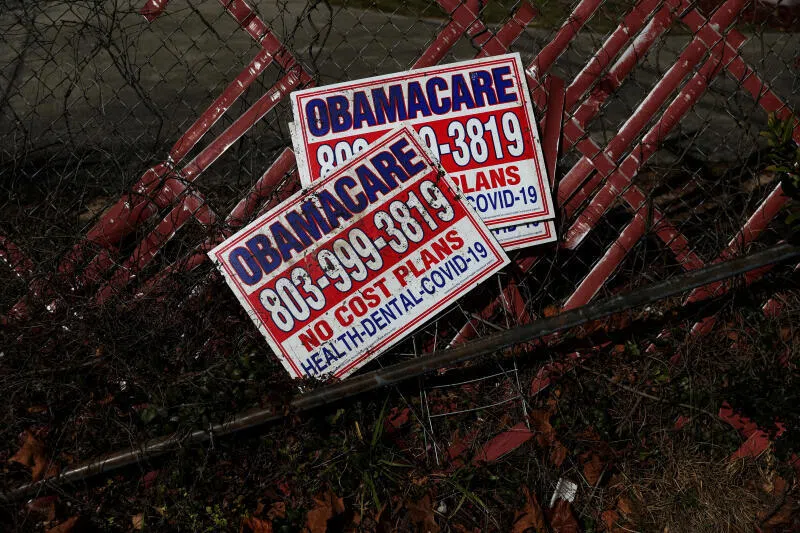
The Trump administration is removing hundreds of thousands of enrollees from Affordable Care Act plans, claiming that many were receiving subsidies they didn’t qualify for and that some did not even exist.
asserted
some → remove → subsidies
The announcement is the latest effort by the administration to argue that fraud has inflated ACA enrollment, even as experts question the scale of the alleged fraud.
asserted
experts → argue → fraud
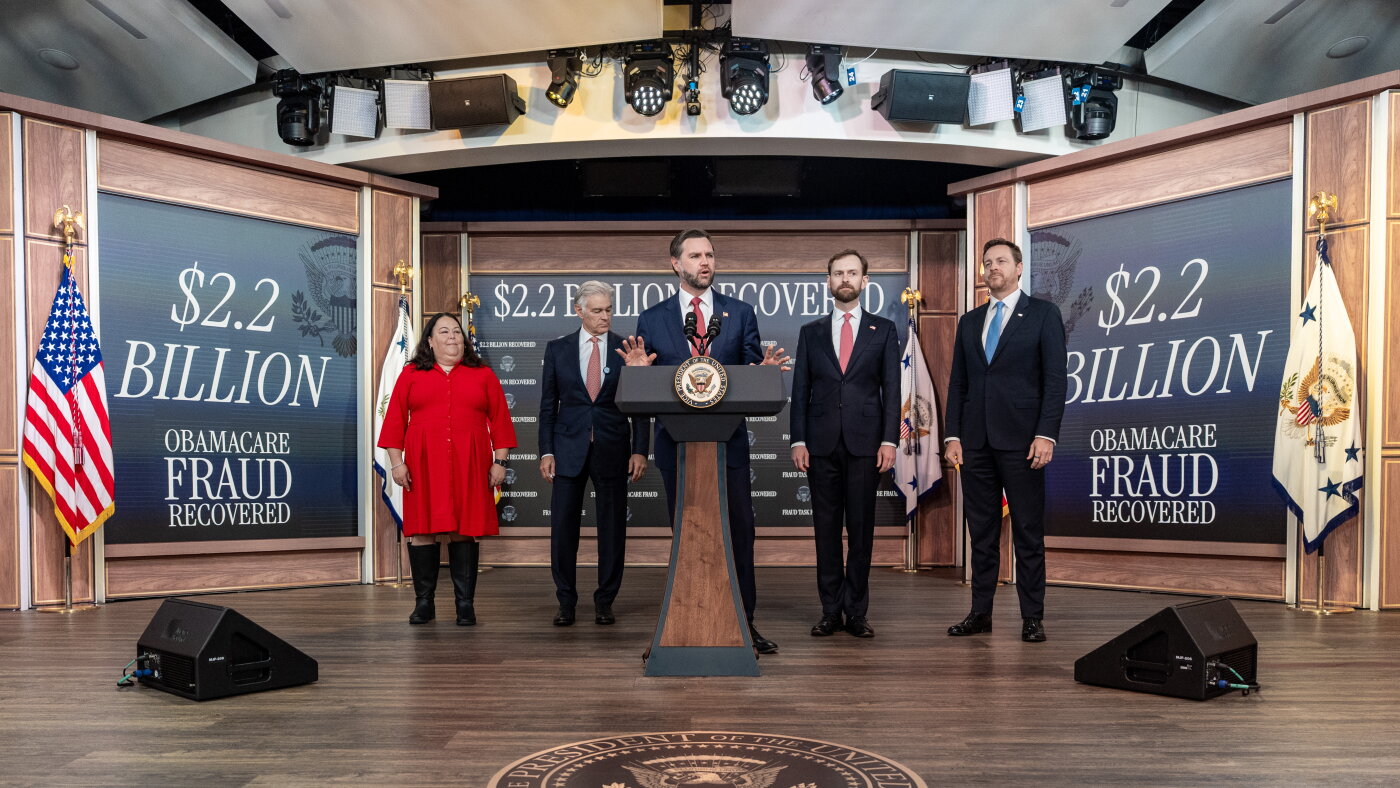
Vice President JD Vance and Centers for Medicare & Medicaid Services Administrator Mehmet Oz — who have teamed up on a broader push to root out fraud in government health programs — said Tuesday that roughly 750,000 people have had their ACA coverage canceled.
asserted
coverage → team → programs
The administration did not provide details about who lost coverage or how those individuals were informed.
asserted
individuals → provide → coverage
The cuts, Vance said, would save U.S. taxpayers $2.2 billion.
asserted
Vance → say → billion
“These programs are deserving, they are important, but they’re not going to exist unless we stop the fraud,” Vance said at a news conference.
asserted
Vance → go → conference
During the Biden administration, ACA enrollment increased from about 11 million to a record 24 million, when pandemic-era enhanced tax credits expanded who was eligible for subsidies.
asserted
who → increase → subsidies
ACA enrollment declined by roughly 3 million people this year after those enhanced subsidies expired, making monthly premiums significantly more expensive for millions of people.
asserted
premiums → decline → people
In an interview with NBC News in March, Oz claimed that some of the enrollment increase — around 4 million to 5 million — has been driven by fraud, particularly by insurance brokers, who help people find and sign up for health plans.
asserted
people → claim → plans
He said some brokers enrolled people without their knowledge to collect commission fees from insurers.
asserted
brokers → say → insurers
In other cases, Oz said, people’s incomes made them ineligible for receiving subsidies, they had mistakenly signed up for duplicate plans or they did not exist at all.
asserted
they → say → plans
“In fact, the fact that we have 23 million makes me think we have too many participants in the ACA,” Oz said at the time.
asserted
Oz → make → time
“It’s too high of a number.”
asserted
It → ’ → number
Oz reiterated his claim during the news conference Tuesday, saying, “Obamacare had 10 million enrollees from 2015 to 2020.
uncertain
Obamacare → reiterate → 2020
During Covid, it went up to 22 million people.”
asserted
it → go → people
“So the question becomes, what happened?” he said.
asserted
he → become → ?
“Well, the guardrails were weakened, and the prior administration decided not to enforce the weakened guardrails.”
Oz said the administration looked at a combination of factors it considered suspicious.
asserted
it → weaken → factors
The people had been enrolled with the help of a broker or agent, had never filed a claim, had their entire monthly premium covered by federal tax credits, and either had no Social Security number or immigration documents that the CMS could verify in real time.
uncertain
CMS → enrol → time
“We call them phantoms, because we believe most of them don’t exist or they had no idea they had coverage,” he said.
asserted
he → call → coverage
“We believe that because we’ve been writing them, telexing them, FedExing, whatever we possibly can do to get in touch with them.
uncertain
we → believe → them
They won’t answer.”
asserted
They → answer → ?
It’s unclear whether the enrollees who lost their coverage were paying their premiums.
uncertain
who → ’ → premiums
Health policy experts say fraud exists in the ACA, as well as the entire U.S. healthcare system.
asserted
fraud → say → system
In 2025, the Congressional Budget Office estimated that 2.3 million people were improperly receiving enhanced tax credits.
asserted
people → estimate → credits
Experts, however, question how widespread the fraud in the program is — and whether the administration is overstating its role in the ACA’s enrollment increases.
asserted
administration → question → increases
Much of the enrollment decline, experts say, isn’t due to eliminating fraud but because coverage became unaffordable after the end of the enhanced tax credits.
asserted
coverage → say → credits
“It is entirely possible that many of these people were enrolled without their knowledge or were so-called phantom enrollees,” said Cynthia Cox, director of the program on the ACA at KFF, a nonpartisan health policy research group.
asserted
Cox → enrol → KFF
“It is also entirely possible that many of these people were legitimately enrolled and simply did not respond in time.”
asserted
many → enrol → time
Vance said that the administration is also investigating an additional 419,000 people it says may be improperly enrolled.
uncertain
it → say → people
“They had something about their story that was a little bit different than what we expected from the 100% fraud story,” Oz said at the news conference.
asserted
Oz → have → conference
“We’re giving them another chance.”
asserted
We → give → chance
 The Aporia