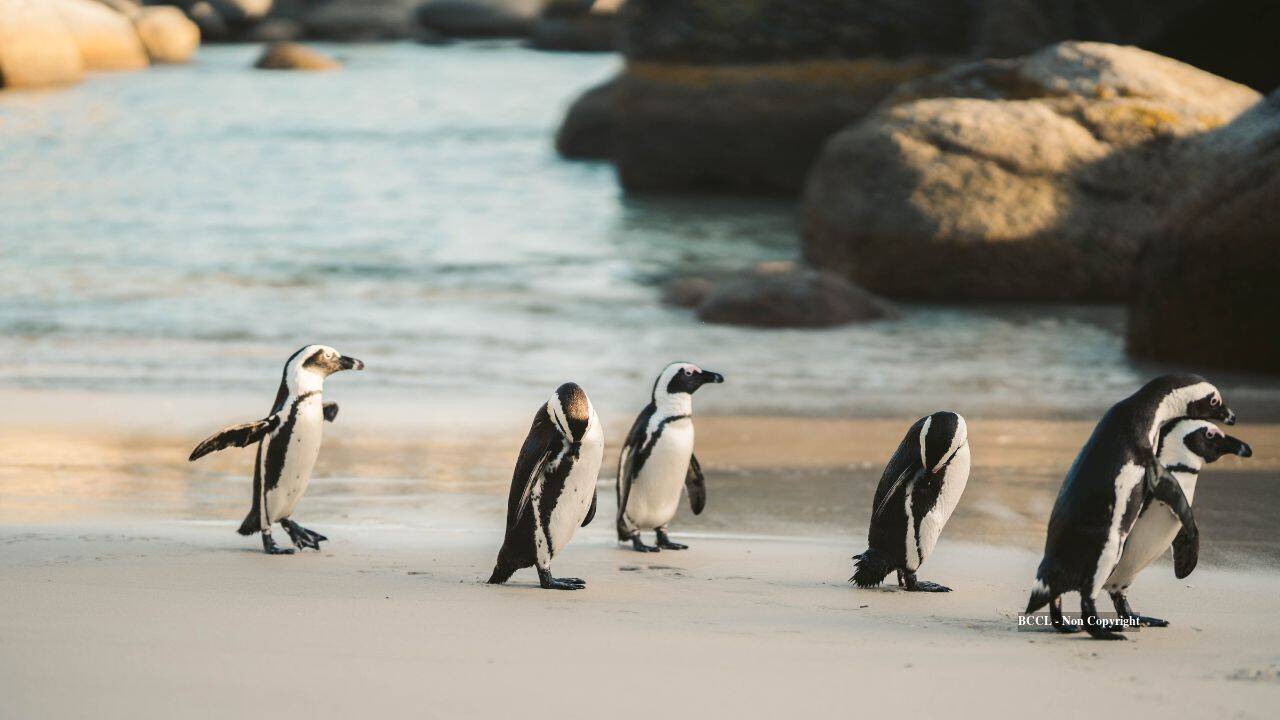
Phillip Island’s little penguins once faced a crisis that threatened to erase much of their presence from the island.
asserted
that → face → island
By the 1980s, nine of its 10 penguin colonies had disappeared, while the final colony on the Summerland Peninsula was also under pressure from introduced predators, habitat loss and human activity.
asserted
colony → disappear → predators
According to Phillip Island Nature Parks, a long-running conservation effort combining fox control, habitat restoration, scientific research and land rehabilitation helped reverse that decline.
uncertain
effort → accord → decline
The surviving little-penguin population grew from about 12,000 in the mid-1980s to an estimated 40,000 today.
asserted
population → survive → 40,000
The story, detailed in the organisation’s pest-control, research and history records, shows how protecting wildlife often requires more than removing a single threat—it demands sustained cooperation between scientists, governments, local communities and visitors.
asserted
it → detail → scientists
A predator that changed the island
Phillip Island, also known as Milawul, is famous for the nightly arrival of little penguins at the Penguin Parade.
asserted
that → change → Parade
Yet the sight that attracts visitors today was once at risk of disappearing.
asserted
that → attract → risk
Red foxes were introduced to Phillip Island in the early 1900s.
asserted
foxes → introduce → 1900s
Over time, they became one of the most serious threats to the island’s wildlife.
asserted
they → become → wildlife
Little penguins are especially vulnerable because they spend much of their lives at sea but return to land to breed, moult and raise their chicks.
asserted
they → spend → chicks
Their nests are often located in burrows or sheltered areas close to the coast, where they can be exposed to predators.
asserted
they → locate → predators
Phillip Island Nature Parks describes foxes as the little penguins’ biggest threat on land.
asserted
Parks → describe → land
By the 1980s, nine of the island’s 10 penguin colonies had become extinct.
asserted
nine → become → colonies
The remaining colony on the Summerland Peninsula, which includes the Penguin Parade, was also under threat.
asserted
which → remain → threat
The decline was not caused by foxes alone.
asserted
decline → cause → foxes
Research identified several other pressures, including habitat destruction, housing development, traffic near penguin colonies, fire and domestic pets.
asserted
Research → identify → colonies
Together, these threats made it increasingly difficult for penguins to survive and breed successfully.
asserted
penguins → make → ?
Warning signs from research
The island’s conservation response was shaped by research.
asserted
response → shape → research
Population studies conducted during the 1980s showed that the last remaining penguin colony could disappear by the late 1990s if existing threats continued.
uncertain
threats → conduct → 1990s
That warning encouraged authorities and conservation groups to take action.
asserted
warning → encourage → action
The Penguin Protection Plan, announced in 1985, included scientific research, habitat management, a fox-control program and the gradual buyback of houses in the Summerland Estate.
asserted
Plan → announce → Estate
The housing estate had been built within the penguins’ habitat.
asserted
estate → build → habitat
As houses, roads and associated infrastructure were removed, the land could be returned to a more natural condition.
uncertain
land → associate → condition
This was a major undertaking and required years of planning, funding and rehabilitation.
asserted
This → require → planning
Phillip Island Nature Parks says the buyback and removal of the Summerland Estate continued for decades, as per reports.
asserted
buyback → say → reports
The final houses and infrastructure were removed in 2010, after which an ongoing rehabilitation program was established to help penguins and other wildlife thrive.
asserted
penguins → remove → which
This approach recognised an important conservation principle: removing a predator is not enough if the habitat remains unsafe.
asserted
habitat → recognise → predator
Wildlife needs places to shelter, feed, breed and raise young without constant disturbance.
asserted
Wildlife → need → disturbance
The campaign against foxes
Fox control began as a coordinated effort involving farmers, rangers and conservation workers.
asserted
campaign → begin → farmers
According to Phillip Island Nature Parks, more than 1,000 foxes were removed over a period of 20 years.
uncertain
foxes → accord → years
The organisation initiated a dedicated Fox Eradication Project in 2006.
asserted
organisation → initiate → 2006
Rather than relying on one method, the project used an integrated approach involving different techniques to locate and remove foxes across the island.
asserted
project → rely → island
Instead of simply reducing fox numbers, conservation teams aimed to remove foxes from Phillip Island altogether.
asserted
teams → reduce → Island
This was important because even a small number of predators could threaten vulnerable colonies and prevent other species from recovering.
uncertain
number → threaten → species
The campaign required persistent monitoring.
asserted
campaign → require → monitoring
Rangers and other workers had to search for signs of foxes, respond to sightings and prevent the animals from re-establishing a population.
asserted
Rangers → have → population
The work also formed part of wider pest management on the island, including programs targeting feral and roaming cats and rabbits.
asserted
work → form → cats
In 2017, Phillip Island was declared fox-free after an intensive 20-year eradication program.
asserted
Island → declare → program
The campaign was supported by the Victorian Government, Penguin Parade visitors, the Penguin Foundation and the Helen Macpherson Smith Trust.
asserted
campaign → support → Government
Habitat restoration made a difference
The recovery of the little penguins was closely connected to the restoration of their habitat.
The Summerland Peninsula had once been transformed by housing development and human activity.
asserted
Peninsula → make → development
…and 46 more, not listed.
 The Aporia