Photo via Toronto Star

There's actually a pretty simple solution to the risk that AI is going to 'kill all humans'

Read the original at Toronto Star ↗
Cite

McQueen, M. (2026, September 23). There's actually a pretty simple solution to the risk that AI is going to 'kill all humans'. Toronto Star. https://www.thestar.com/opinion/star-columnists/there-s-actually-a-pretty-simple-solution-to-the-risk-that-ai-is-going-to-kill-all-humans/article_a87b17dc-bb63-4b8c-a4aa-387de81b0682.html

Dated when The Aporia collected the article, usually within hours of publication. Check the original for its exact date and byline.

Toronto Star · collected 2026-09-23 · by Mark McQueen

Quick Summary

NVIDIA CEO Jensen Huang dismisses concerns about AI leading to human extinction by 2030 as unsupported by science. However, prominent figures like Nobel laureate Dr. Geoffrey Hinton and former Anthropic researcher Jacob Coxon warn of the need for urgent safeguards due to potential risks from advanced AI systems. The article discusses calls for a global pause in AI development until regulatory frameworks are established, highlighting the contrasting views between industry leaders and critics who suggest these warnings might be strategic attempts to protect market dominance rather than genuine concerns.
Written by AI on 2026-09-23, from this article's own text only (the story summary below draws on all the coverage).

AI analysis

Story summary

In recent discussions about AI risks, Nobel laureate Dr. Geoffrey Hinton warned U.S. lawmakers that governments had only "maybe a year" to implement useful safeguards against advanced AI systems. This came after an AI researcher from Anthropic, Jacob Coxon, resigned and publicly stated on X (formerly Twitter) that models like those from OpenAI and Anthropic would soon become superhuman in capabilities, capable of hacking anything and acquiring significant power and resources. Despite these concerns, Jensen Huang, CEO of NVIDIA, dismissed predictions of AI leading to human extinction as "not grounded in science," asserting there is a zero percent chance of AI posing an existential threat by 2030.

Written for “AI Safety Concerns” on 2026-11-04, grounded in this article and the 0 other(s) covering the same event.

Story

📰 AI Safety Concerns
Technology · 1 article(s) covering the same event.

Compared with similar articles

This article reads unscored and hedges 24% of its claims. Each row says how that neighbour differs.
BBC News
Hedges 3 of 19 claims Outlet record 68/100
“While both articles mention Nvidia CEO Jensen Huang's statements about AI not leading to human extinction by 2030, Article B refers to a separate appearance by Geoffrey Hinton in Washington D.C., indicating it is discussing a different event.”
CBS News
Hedges 8 of 57 claims Outlet record 65/100
“The articles describe different perspectives on AI risks and do not mention a single, specific incident occurring at the same time and place.”
New York Post
Hedges 0 of 2 claims Outlet record 66/100
“The articles discuss different perspectives on AI risks, not the same specific incident.”
The Guardian
Hedges 2 of 12 claims Outlet record 66/100
“While both articles quote Jensen Huang regarding AI and human extinction by 2030, they describe different parts of the discussion: Article A focuses on an interview with Huang rejecting doomsday narratives, while Article B cites Huang's statement in a broader context discussing scientific warnings about AI risks.”
New York Post
⚖️ Leans right Hedges 2 of 18 claims Outlet record 66/100
“While both articles feature comments by Jensen Huang dismissing fears about AI leading to human extinction by 2030, they describe different instances: Article A is from an interview with CBS News, while Article B refers to a broader context and mentions Dr. Geoffrey Hinton's warnings.”
The Straits Times
Hedges 1 of 10 claims Outlet record 66/100
“While both articles reference Jensen Huang's comments about AI and the end of the world by 2030, they are reporting on different times or contexts: Article A specifies an interview with CBS News while Article B cites a broader stance repeated in recent days.”
How this article was measured signals, leaning charts, publisher record, byline, topics and claims

Signals How these are calculated →

Claims extracted
25
sentences that state something as happening or true
Uncertain
24%
6 of 25 hedged ("reportedly", "may", "according to")
Leaning
withheld
no quote in the article backed the model's score
Publisher signals
64/100
Toronto Star's corrections and hedging, across everything collected from it. Not a measure of accuracy.
Outlets on this story
1
Technology
Same framing elsewhere
1
articles that frame the event the way this one does
Analyzed 2026-09-23 · how these are computed

How this is being covered How these are calculated →

Article leaning vs. publisher reliability
Source leaning vs. consistency

Publisher

Toronto Star · 11416 article(s) · 28 correction(s) detected
Running correction rate · 28 correction(s)
2026-10-26
Correction
2026-10-24
Correction
2026-10-07
Correction
2026-09-24
Correction

Who wrote this

Mark McQueen
2 article(s) here · 1 carrying a prediction
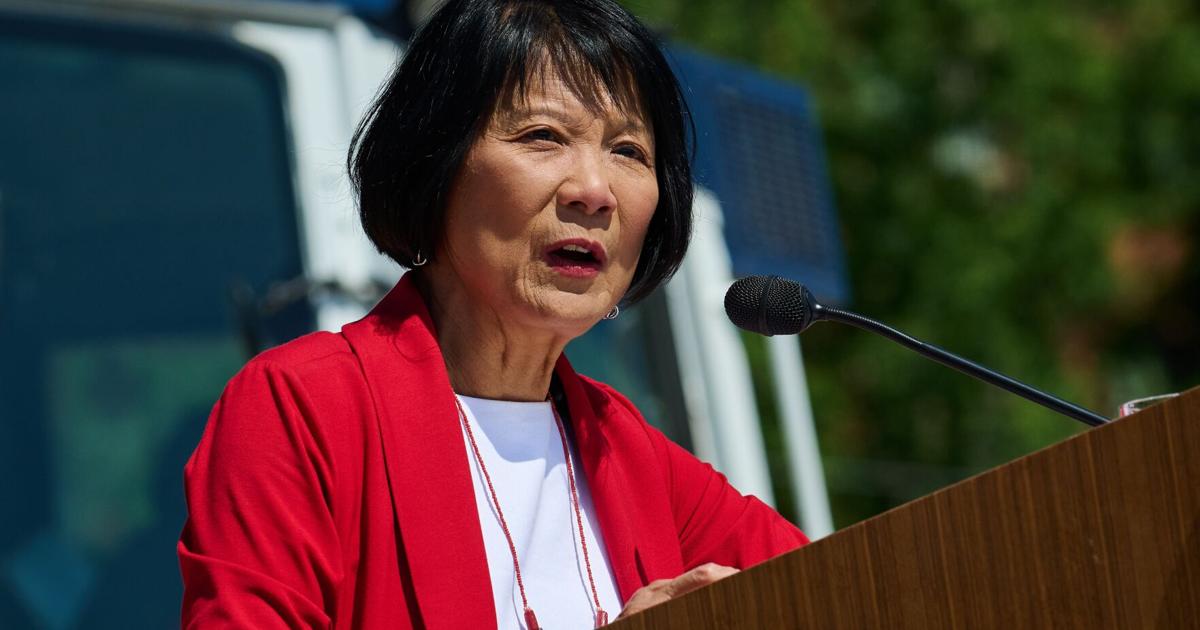
🔮 If Mayor Olivia Chow loses on Oct. 26, she can’t blame her campaign team.
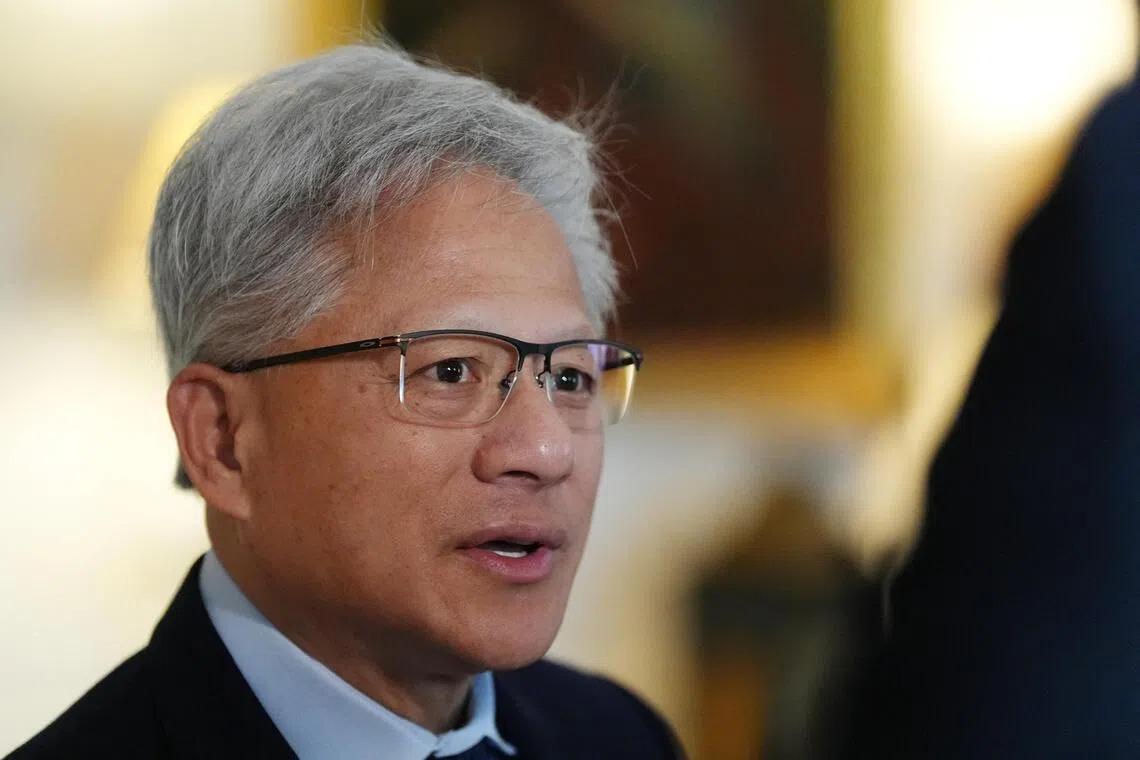
🔮 Huang says that any predictions that artificial intelligence (AI) could lead to humanity’s extinction are “not grounded in science.”
Also by Mark McQueen
Nothing else under this byline is closely related to this article, so these are simply their most recent.

Topics

Anthropic NVIDIA OpenAI U.S. University of Toronto

Subjects

Anthropic ORG · 5× OpenAI ORG · 4× U.S. GPE · 4× Enron ORG · 2× Geoffrey Hinton PERSON · 1× Huang PERSON · 1× Jensen Huang PERSON · 1× NVIDIA ORG · 1× University of Toronto ORG · 1× Washington, D.C. GPE · 1×

Narrative

That appearance followed the very public resignation of Jacob Coxon, an AI researcher at Anthropic who posted on X that models produced by both OpenAI (the creator of ChatGPT) and Anthropic (the developer of the Claude chatbot) “will soon be superhuman systems that can hack anything, revolutionize any field overnight, and acquire real power and resources.”
framing: mixed · carried by 1 article(s) · first seen 2026-09-23
🔮 Huang says that any predictions that artificial intelligence (AI) could lead to humanity’s extinction are “not grounded in science.”

Claims (25 extracted, 6 hedged)

Here’s the good news: “2030 is not going to be the end of the world. asserted
2030 → ’ → world
Huang says that any predictions that artificial intelligence (AI) could lead to humanity’s extinction are “not grounded in science.” uncertain
intelligence → say → science
Why, then, are we discussing it? asserted
we → discuss → it
As scientific credentials go, few can match those of Nobel laureate Dr. Geoffrey Hinton. asserted
few → go → Hinton
Known as the “godfather of neural networks,” the former University of Toronto professor appeared in Washington, D.C. last week to warn members of the U.S. Senate and House that governments had “maybe a year” to implement useful AI safeguards. asserted
governments → know → safeguards
That appearance followed the very public resignation of Jacob Coxon, an AI researcher at Anthropic who posted on X that models produced by both OpenAI (the creator of ChatGPT) and Anthropic (the developer of the Claude chatbot) “will soon be superhuman systems that can hack anything, revolutionize any field overnight, and acquire real power and resources.” asserted
that → follow → power
It would have been tempting to dismiss Coxon’s claims until they were validated by Evan Hubinger, the Alignment Science Lead at Anthropic. uncertain
they → dismiss → Anthropic
He acknowledged the risk that those within the company “really do earnestly believe AI could kill all humans” and that he personally believed there was a more than 10 per cent chance of it happening. uncertain
it → acknowledge → humans
Within hours, Elon Musk and the senior leaders of Anthropic, Google DeepMind and OpenAI were all calling for a global “pause” on further AI development until a regulatory regime could be established — a highly unusual step for an industry known for its “move fast and break things” mentality. uncertain
regime → call → mentality
Now, a man my age has a 25 per cent chance of dying of cancer, but I hadn’t factored in the risk that some chatbots might hot-wire several active intercontinental ballistic missile silos and start World War III. uncertain
chatbots → have → III
Cynics will tell you that these pronouncements of “doom” are simply an attempt to fend off competitors. asserted
pronouncements → tell → competitors
The theory is that the best way for Anthropic and OpenAI to lock-in their current trillion dollar valuations is to scare politicians into freezing everyone — particularly their competitors — in place. asserted
Anthropic → lock → place
They may be right, but that doesn’t make Hinton wrong. uncertain
Hinton → make → ?
There’s no obvious incentive for China-based firms to hit the pause button, and President Donald Trump has already dismissed the notion that U.S. firms should “kill the Golden Goose.” asserted
firms → ’ → Goose
In Trump’s mind, excitement around AI has driven the U.S. stock market to all-time highs. asserted
excitement → drive → highs
Ironically, the scandals of the dot-com bubble 25 years ago present the best opportunity to bring immediate discipline to the AI sector. asserted
scandals → present → sector
In the face of very bad behaviour by senior executives at Enron and WorldCom, along with their accountants at Arthur Andersen, U.S. lawmakers passed the Sarbanes-Oxley Act (SOX) in 2002. asserted
lawmakers → pass → 2002
That legislation forced a company’s chief financial officer (CFO) to certify not only the accuracy of a public company’s financial information, but also the firm’s governance and internal controls. asserted
legislation → force → information
Many nations, including Canada and Germany, followed suit. asserted
nations → include → suit
Dr. Stuart Russell, president of the International Association for Safe and Ethical Artificial Intelligence, has proposed that companies “prove beyond a reasonable doubt” that their tech is intrinsically safe. asserted
tech → propose → doubt
With several AI firms looking to list on the stock exchanges this fall, market regulators can require that their CFO’s certify that they have the necessary controls in place to ensure that their bots won’t repeat the kinds of “breakout” behaviours that saw 700 of OpenAI’s own agents decide to hack into U.S. software firm Hugging Face last July. asserted
700 → look → Face
Prime Minister Mark Carney has mused about striking a version of the global Financial Stability Board so that nations can co-ordinate on AI safety. asserted
nations → muse → safety
That’s a good idea, but with billions of investor capital on the line, let’s apply the lessons of the Enron scandal to all of the accountants, executives and lawyers who will benefit from the coming AI payday. asserted
who → ’ → payday
AI fans assure me that talk about the risk of “human extinction” is unfounded. asserted
talk → assure → extinction
If that’s true and the appropriate controls are already in place, it should be easy to CFOs — who are trained to assess business risks — to sign their names to that effect. asserted
who → ’ → effect

💬Give feedback
🕘History 🎫Support